Kontakt mit TCPEL aufnehmen

TCPEL · Industrieausführung
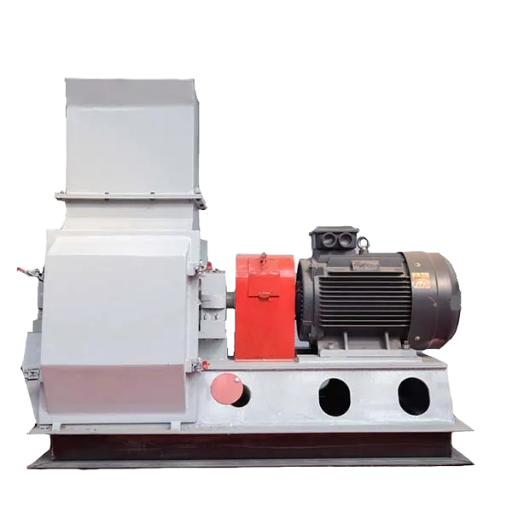
Biomasse-Hammermühle — 1-teilige Kompakteinheit mit Zerkleinerungslinie
Der entscheidende Vorteil einer als 1-teilige Kompakteinheit gelieferten Anlage — Hammermühle, Zyklon, Schlauchfilter und Einzugsförderer — sind 25 Tage Inbetriebnahme statt drei verschiedener Anbieter und des damit verbundenen Aufwands. Unsere GXP-Baureihe bietet in 7 Modellen eine Durchsatzleistung von 1–10 T/H; Anlagen in 60+ Ländern sind damit in Betrieb.
Von TCPEL konstruiert
MODELL · GXP-BAUREIHE
Durchsatzbereich
1–10T/H
/ 01
7
GXP-Modelle
/ 02
1–10T/H
Durchsatzbereich
/ 03
13
Biomasse-Rohstoff
/ 04
60+
Exportländer
/ 05
25 Tage
Lieferzeit bis FOB
Technische Kurzanalyse · Warum Biomasseanlagen Engpässe entwickeln
Warum Biomasseanlagen an der Hammermühle ins Stocken geraten —
und wie die GXP-Baureihe von TCPEL das Problem für alle Käufer löst
Diagnostische Kurzanalyse
REF / GXP-DX-2026
Eine Biomasse-Hammermühle bestimmt die Auslegung beziehungsweise die Durchsatzleistung der übrigen Pellet- oder Futtermittellinie. Bei den meisten Anlagen liegt das Problem nicht an der Pelletpresse — sie stoßen vielmehr zwei Prozessstufen davor an einen Engpass bei der Hammermühle, weil Schwankungen des Rohstoffs, hohe Staubbelastung und Siebverschleiß nie gemeinsam in einer integrierten Einheit entsprechend größer ausgelegt wurden. Hammermühlen arbeiten hauptsächlich durch Prall, Scherung und Kollision: Der Rohstoff gelangt in die Mahlkammer, wird von gruppierten, mit 3000 r/min rotierenden Hammerschlägern getroffen und anschließend gegen das Mahlsieb gedrückt, bis die Partikelgröße unter der Vorgabe der Pelletmatrize liegt.
⟢ Funktionsprinzip
01
Rohstoffzufuhr
02
Hammerschläger bei 3000 r/min
03
Mahlsieb
04
Vorgabe der Pelletmatrize
02 / FALLE
Die Drei-Lieferanten-Falle
Wer Hammermühle, Zyklon, Schlauchfilter und Zuführförderer separat beschafft und dadurch 4–6 Wochen bei Einrichtung und Abstimmung der Schnittstellen verliert, schafft drei strukturelle Fehlerquellen, die sich über die gesamte Anlage hinweg gegenseitig verstärken:
„Potenzielle Käufer bereuen häufig, nicht gründlich genug recherchiert zu haben“ — und dieses Bedauern betrifft meist die Auslegung am Anfang der Linie, nicht die Größe der Pelletpresse.
 FEHLER · 01
Pneumatiksystem
Fehlabstimmung des Förderdrucks
REF / FX-01
FEHLER · 01
Pneumatiksystem
Fehlabstimmung des Förderdrucks
REF / FX-01
FEHLER 01
Pneumatik
Fehlabstimmung des Förderdrucks
Nicht abgestimmte und/oder unnötige Fördergutströme überlasten die Druckauslegung des Pneumatiksystems — die Anlage arbeitet vom ersten Tag an unterhalb der Spezifikation.
 FEHLER · 02
Zyklonsystem
Fehlausrichtung des Austrags
REF / FX-02
FEHLER · 02
Zyklonsystem
Fehlausrichtung des Austrags
REF / FX-02
FEHLER 02
Zyklon
Fehlausrichtung des Austrags
Nicht abgestimmte Zyklondurchmesser führen an ungünstigen Austragspunkten zu Staubansammlungen, die manuelle Reinigungszyklen erzwingen und Stillstandszeiten sprunghaft erhöhen.
 FEHLER · 03
Schlauchfiltersystem
Luftstromgrenze erreicht
REF / FX-03
FEHLER · 03
Schlauchfiltersystem
Luftstromgrenze erreicht
REF / FX-03
FEHLER 03
Schlauchfilter
Luftstromgrenze erreicht
Unterdimensionierte Filterschläuche erreichen ihren maximalen Luftstrom, bevor sich der Sammelbehälter verformt — die Absaugleistung sinkt und das Filtergehäuse verformt sich unter Last.
03 / LÖSUNG
Wie die GXP-Baureihe von TCPEL den Kreislauf durchbricht
Jede verkaufte Biomasse-Hammermühle der GXP-Baureihe umfasst einen passenden Zyklon, ein für den tatsächlichen Austragsvolumenstrom ausgelegtes Schlauchfiltersystem, einen integrierten Ventilator und optional einen Zuführförderer — als montierte, durch die Gewährleistung abgedeckte einteilige Einheit. Die Gehäusekonstruktion ist als fugenlose Einschalenkonstruktion mit Austrag an Vorder- und Rückseite ausgeführt; dies erhöht die Durchsatzleistung je kW Motorleistung gegenüber Systemen mit einseitigem Austrag und beseitigt die „Totzone“, in der sich zwangsläufig Material ansammelt und Verstopfungen verursacht.
01
Hammermühle
GXP-Gehäuse
EINSCHALIG
02
Passender Zyklon
800–1800
INTEGRIERT
03
Schlauchfiltersystem
24–108
VOLUMENSTROMGERECHT AUSGELEGT
04
Integrierter Ventilator
5,5–22 kW
ANGETRIEBEN
05
Zuführförderer
Optional
MIT GEWÄHRLEISTUNG
Fugenlose Einschalenkonstruktion — keine geschweißte Schnittstelle, die unter zyklischer Belastung reißen kann.
Beidseitiger Austrag vorn und hinten — erhöht die Durchsatzleistung je kW gegenüber der Referenz mit einseitigem Austrag.
„Totzone“ beseitigt — keine Materialtasche in der Mahlkammer, die Verstopfungen verursacht.
⟶ Das Ergebnis
Statt einen Engpass zu bilden, fungiert die Hammermühle als Leistungsträger für den Durchsatz der gesamten Anlage. In Verbindung mit einer Ringmatrizen- oder Flachmatrizen-Pelletpresse von TCPEL bleibt das Durchsatzprofil vom Anfang bis zum Ende stabil.
“
Vor unserer endgültigen Entscheidung testeten wir 14 Varianten der Anordnung der Hammerschläger an den sieben Modellen der GXP-Baureihe. Die Kombination aus 2-seitigem Austrag und Direktantrieb mit 3000 r/min senkt unseren spezifischen Energieverbrauch um etwa 8–10 % gegenüber der Konfiguration mit einseitigem Austrag, die unsere F&E-Abteilung als Vergleichsmaßstab verwendete.
Getestete Hammerschlägeranordnungen
14Varianten
Senkung des spezifischen Energiebedarfs
8–10% gegenüber Referenz
Kapazitäts-Leistungs-Leiter · 7 Stufen
GXP-Zuordnungsleiter für Durchsatz und Motorleistung mit 7 Stufen —
7 Modelle für Anlagen mit 1–10 T/H
FÜR · TECHNIK / EINKAUF
Leistungsbereich
1 → 10 T/H
37 kW
110 kW
250 kW
Matrize Auslegung einer Biomasse-Hammermühle ist eine Frage der abgestimmten Zuordnung von Motorleistung und Durchsatz, keine einfache Eins-zu-eins-Referenz. Ist der Elektromotor zu schwach ausgelegt, wird der Rotor durch feuchten Rohstoff abgebremst; ist er überdimensioniert, verschwenden Sie in jeder einzelnen Betriebsstunde 15–25 % Ihrer kWh. Unsere GXP-Baureihe stimmt diese Zuordnung über alle sieben Ausbaustufen ab, sodass jedes für die geforderte Durchsatzleistung ausgewählte Modell zugleich die Zyklondaten, die Anzahl der Filterschläuche, die Dichte der Hammerschlägeranordnung und die Ventilatorleistung derselben Ausbaustufe umfasst.
Unterdimensionierter Elektromotor
Der Rotor wird durch feuchten Rohstoff abgebremst — die Anlage stoppt, Stillstandszeiten nehmen sprunghaft zu und der Siebverschleiß beschleunigt sich.
Überdimensionierter Elektromotor
Jede Stunde 15–25 % kWh verschwenden — auf einer rund um die Uhr im 24/7-Betrieb laufenden Anlage summieren sich die Energieverluste.
01 / LEITER
Produktionsleistung wählen · Modell anzeigen
Gewünschte Anlagenkapazität
3.0T/H
Empfohlenes Modell
GXP65X100
Hauptmotor
110 kW
⟢ Motorleistungsverteilung · 7 Stufen
kW-Balken (37→250)
Aktive Stufe
T1
GXP65X35
1–1,5 T/H
37 kW
T2
GXP65X55
1,5–2 T/H
55 kW
T3
GXP65X75
2–2,5 T/H
75 kW
T4
GXP65X100
2,5–3,5 T/H
110 kW
T5
GXP130×80
3–5 T/H
160 kW
T6
GXP130×110
5–8 T/H
220 kW
T7
GXP130×130
6–10 T/H
250 kW
02 / DATEN
GXP-Spezifikations- und Entscheidungsmatrix
| Modell | Produktionsleistung (T/H) | Hauptmotor (kW) | Zyklon (ø mm) | Filterschläuche | Anzahl der Hammerschläger | Ventilator (kW) |
|---|---|---|---|---|---|---|
| GXP65X35 | 1–1.5 | 37 | ø 800 | 24 | 36 | 5.5 |
| GXP65X55 | 1.5–2 | 55 | ø 1000 | 36 | 36 | 7.5 |
| GXP65X75 | 2–2.5 | 75 | ø 1000 | 48 | 48 | 11 |
| GXP65X100 | 2.5–3.5 | 110 | ø 1200 | 60 | 48 | 15 |
| GXP130×80 | 3–5 | 160 | ø 1200 | 72 | 72 | 15 |
| GXP130×110 | 5–8 | 220 | ø 1500 | 96 | 96 | 18.5 |
| GXP130×130 | 6–10 | 250 | ø 1800 | 108 | 108 | 22 |
Quelle: Technische Spezifikation der TCPEL GXP-Baureihe (USER-DATA, internes Spezifikationsdokument zur Hammermühle, 2026).
| Kapazitätsstufe der Anlage | Empfohlenes GXP-Modell | Optimal geeignete Produktionslinie | Zyklonzuordnung | Typische Biomasse | Ventilatorleistung | Hammerschlägerdichte | Anzahl der Filterschläuche | Empfohlenes Sieb (mm) |
|---|---|---|---|---|---|---|---|---|
| PILOTANLAGE · 1 T/H | GXP65X35 | Holzpelletieranlage für Familienbetriebe, F&E-Pilotanlage | ø 800 | Hobelspäne, Sägemehl, leichtes Stroh | 5,5 kW | 36 Hammerschläger | 24 Filterschläuche | 4–6 |
| KLEIN · 1,5–2 T/H | GXP65X55 | Kleine Spezial-Pelletieranlage, Futtermühle auf dem Landwirtschaftsbetrieb | ø 1000 | Hackschnitzel ≤10 mm, Luzerne, Rutenhirse | 7,5 kW | 36 Hammerschläger | 36 Filterschläuche | 3–5 |
| MITTEL · 2–2,5 T/H | GXP65X75 | Regionale Holzpelletieranlage, mittelgroße Futtermühle | ø 1000 | Bagasse, Erdnussschalen, Maisstängel | 11 kW | 48 Hammerschläger | 48 Filterschläuche | 3–5 |
| STANDARD · 2,5–3,5 T/H | GXP65X100 | Pelletieranlage für mehrere Rohstoffe | ø 1200 | Gemisch aus Holz + landwirtschaftlichen Reststoffen | 15 kW | 48 Hammerschläger | 60 Filterschläuche | 3–5 |
| INDUSTRIE · 3–5 T/H | GXP130×80 | Industrielle Pelletieranlage, Brennstoff für Biomassekessel | ø 1200 | Forstreststoffe, Hartholz-Hackschnitzel | 15 kW | 72 Hammerschläger | 72 Filterschläuche | 2–4 |
| GROSS · 5–8 T/H | GXP130×110 | Pelletieranlage für Exportqualität, RDF-Rohstoffaufbereitung | ø 1500 | Hartholz, Weichholzmischung, dichte Agrarbiomasse | 18,5 kW | 96 Hammerschläger | 96 Filterschläuche | 2–3 |
| SCHWERLAST · 6–10 T/H | GXP130×130 | Biomasseverdichtung im Versorgungsmaßstab | ø 1800 | Gemischte industrielle Biomasse, holzhaltige Siedlungsabfallfraktion | 22 kW | 108 Hammerschläger | 108 Filterschläuche | 2–3 |
| ÜBER 10 T/H | Zweimal GXP130×130 · Parallel | Brennstoffversorgung für Versorgungsunternehmen / Fernwärme | 2× ø 1800 | Heterogene Biomasse | 2× 22 kW | 2× 10⁸ | 2× 10⁸ | 2–3 |
| SONDERKONFIGURATION | Kundenspezifisch konstruierte Variante | Nicht standardmäßige Anwendung (RDF / Hanf / Spezialanwendung) | Kundenspezifisch | Vom Käufer festgelegt | Lastgerecht ausgelegt | Kundenspezifisch | Kundenspezifisch | Auf die Matrize ausgelegt |
03 / WARUM
Warum Direktantrieb bei 3000 r/min, beidseitiger Austrag und einschaliges Gehäuse entscheidend sind
Alle drei Konstruktionsentscheidungen der GXP-Baureihe wirken sich direkt auf die Wirtschaftlichkeit der Anlage aus: Der Hauptmotor ist unmittelbar mechanisch mit dem Rotor gekoppelt — kein Riemenschlupf, keine Übertragungsverluste — und läuft mit vorgegebenen 3.000 rpm, die unsere Ingenieure mit einem um 5–10 % niedrigeren spezifischen Energiebedarf als die Referenz mit Riemenantrieb und einseitigem Austrag getestet haben; der beidseitige Kammeraustrag vergrößert die wirksame Austragsfläche und erhöht so die Durchsatzleistung je Kilowatt. Dies ist der Hauptgrund dafür, dass die GXP65X100 mit 110 kW eine Durchsatzleistung von 2,5–3,5 T/H erreicht, während konkurrierende Konstruktionen mit einseitigem Austrag für dieselbe Biomassekapazität 132–160 kW benötigen; die fugenlose, einschalige Gehäusearchitektur beseitigt den Austragsspalt, der die Bildung von Feinanteil begünstigt und Betriebsblockaden verursacht. Das vierte Merkmal, eine abgestimmte Kombination aus Zyklon + Schlauchfilter, wird von unseren Wettbewerbern meist als separate Bestellung angeboten; wir liefern sie im selben Container.
⟢ Branchenreferenz · Spezifischer Energiebedarf
Branchenstudien beziffern den spezifischen Energiebedarf von Hammermühlen für Biomasse-Rohstoffe auf durchschnittlich etwa 22 kWh/t. Eine am oberen Ende ihres Bereichs von 6–10 T/H betriebene GXP130×130 nimmt 250 kW (rund 335 HP) auf und liegt damit in einem ähnlichen Bereich des spezifischen Energiebedarfs — durch die Geometrie des beidseitigen Austrags fällt der tatsächliche Wert bei trockenem Holzrohstoff jedoch um 5–10 % niedriger aus.
Branchendurchschnitt
~22kWh / t
Vorteil des beidseitigen GXP-Austrags
−5 bis 10% bei trockenem Holz
Kapazitätsumrechnung — metrische T/H ⇄ kg/h
IN BEIDEN EINHEITEN VERÖFFENTLICHT
Die GXP-Baureihe wird für die Kapazitätsplanung im Anlagenmaßstab in metrischen Tonnen pro Stunde (T/H) angegeben; umgerechnet in Massendurchsatz produziert das Einstiegsmodell GXP65X35 1.000–1.500 kg/h, während die GXP130×130 6.000–10.000 kg/h erreicht. Als Hersteller von TCPEL-Hammermühlen veröffentlichen wir die Umrechnung in beiden Einheiten, damit Ingenieure, die anhand der vorhandenen Durchsatzspezifikationen einer Pelletieranlage planen, und Einkaufsteams, die Lagervolumen auslegen, mit denselben Zahlen arbeiten.
GXP65X35 · Einstiegsmodell
1–1,5 T/H
1.000–1.500 kg/h
⇄
GXP130×130 · Schwerindustrie
6–10 T/H
6.000–10.000 kg/h
PDF ZUM HERUNTERLADEN · FÜR INGENIEURE AUFBEREITET
Möchten Sie genau sehen, welches GXP-Modell zu Ihrer Anlagenkapazität passt?
Laden Sie das GXP-Auslegungsarbeitsblatt als PDF herunter →
Entscheidungsmatrix · 13 Biomassearten × 7 Modelle
Entscheidungsmatrix für Hammerschlägeranordnungen bei 13 Biomassearten × 7 Modellen —
Auswahl nach Rohstoff statt nach Vermutung
FÜR · INGENIEURE / BETRIEBSLEITUNG
13
Rohstoffe
×
7
GXP-Modelle
=
91
Zuordnungen
Im Einzelnen erfordern 97 % der Holzpelletproduktion, dass ein bestimmter Anteil ein 3,35 mm-Sieb passiert; die zuverlässige Einhaltung dieser Spezifikation hängt von der Optimierung vierer Variablen ab: Prallwiderstand des Rohstoffs, Feuchtegehalt, Dichte der Hammerschlägeranordnung und Abstand zwischen Hammerschlägern und Sieb — diese unterscheiden sich je nach Rohstoff. Das nachstehende Diagramm ordnet 13 gängigen Rohstoffformen die empfohlenen GXP-Hammerschlägeranordnungen und Sieböffnungen zu und basiert auf Daten aus 60+ Ländern, in denen diese Anlagen seit 2020 installiert sind.
01
Prallwiderstand des Rohstoffs
02
Feuchtegehalt
03
Dichte der Hammerschlägeranordnung
04
Abstand zwischen Hammerschlägern und Sieb
01 / MATRIX
Kompatibilitätsmatrix für Material und Maschine
| Biomasse-Rohstoff | Typischer Feuchtegehalt | Härtebereich | Empfohlene Hammerschlägeranordnung | Sieb (mm) | Erste GXP-Modellwahl | Soll-Partikelgröße am Austrag |
|---|---|---|---|---|---|---|
| 01 Hobelspäne |
≤15% |
Weich | LEICHT36er-Anordnung |
4–6mm | GXP65X35X55 |
≥97 % < 3.35 mm |
| 02 Sägemehl (kammergetrocknet) |
≤12% |
Weich | LEICHT36er-Anordnung |
3–4mm | GXP65X35X55 |
≥97 % < 3.35 mm |
| 03 Hackschnitzel (auf ≤10 mm vorzerkleinert) |
15–25% |
Mittel | STD48er-Anordnung |
4–6mm | GXP65X75X100 |
≥95 % < 3.35 mm |
| 04 Forstreststoffe / Rinde |
20–35% |
Hart · faserig | SCHWER72er-Anordnung |
3–5mm | GXP130×80 |
≥95 % < 4 mm |
| 05 Maisstängel |
15–20% |
Mittelfaserig | STD48–72er-Anordnung |
3–5mm | GXP65X100GXP130×80 |
≥97 % < 3.35 mm |
| 06 Reisspelzen |
10–14% |
Weich · abrasiv | GEHÄRTET48er-Anordnung |
2–3mm | GXP65X75X100 |
≥97 % < 2 mm |
| 07 Erdnussschalen |
10–14% |
Weich · abrasiv | GEHÄRTET48er-Anordnung |
3–4mm | GXP65X75 |
≥97 % < 3.35 mm |
| 08 Bohnenstängel / Baumwollstängel |
15–22% |
Mittel | STD48–72er-Anordnung |
3–5mm | GXP65X100 |
≥95 % < 3.35 mm |
| 09 Bagasse (Zuckerrohr) |
40–55 % roh / 12–18 % getrocknet |
Mittelfaserig | SCHWER72er-Anordnung + vorgeschalteter Trockner |
3–5mm | GXP130×80 |
≥95 % < 3.35 mm |
| 10 Luzerne (Futterpflanze) |
10–14% |
Leichtfaserig | STD48er-Anordnung |
3–4mm | GXP65X75X100 |
≥97 % < 3.35 mm |
| 11 Rutenhirse |
10–15% |
Leichtfaserig | STD48er-Anordnung |
3–4mm | GXP65X75X100 |
≥97 % < 3.35 mm |
| 12 Stroh (Weizen / Gerste) |
10–18% |
Leichtfaserig | STD48er-Anordnung |
3–5mm | GXP65X100GXP130×80 |
≥95 % < 3.35 mm |
| 13 Gemischte industrielle Biomasse / RDF-Feinanteil |
Variabel |
Heterogen | SCHWER96–108er-Anordnung |
2–3mm | GXP130×110×130 |
≥90 % < 3 mm |
02 / STELLHEBEL
Die vier Stellhebel erklärt
01
Dichte der Hammerschlägeranordnung
Der erste Stellhebel · Prallvorgänge pro Sekunde
Mehr Hammerschläger je Rotorumdrehung (= mehr Prallvorgänge pro Sekunde auf jedes Partikel) erzeugen bei einer gegebenen Sieböffnung eine feinere Partikelverteilung. Leichte Rohstoffe wie Hobelspäne und Luzerne lassen sich mit 36 Hammerschlägern gut verarbeiten; faserige und heterogene und/oder uneinheitlich zusammengesetzte Rohstoffe (Holz mit Holzkohle oder Kunststoff oder Gülle) erfordern häufig 72–108 Hammerschläger je Umdrehung, damit unverarbeitetes Material nicht strangförmig durch das Sieb gezogen wird.
36
Leicht
48
Std
72
Schwer
96
RDF
108
Max
02
Sieblochung
Der zweite Stellhebel · Maschenäquivalent
Üblicherweise wird ein Maschenäquivalent oder Lochdurchmesser angegeben; die ungefähre Zuordnung lautet 3 mm = 6 mesh, 1 mm = 18 mesh. Die Siebauswahl legt die Obergrenze für die notwendigerweise feineren Austragspartikel fest; die Prallkraft aus der endgültigen Rohpartikelverteilung macht mehr als 70 % der Prallkraftverteilung aus, während die Siebauswahl die übrigen 30 % bestimmt.
03
Feuchtegehalt
Der dritte Stellhebel · Risiko einer Kammerverstopfung
Feuchte Mischungen (≥ 25 %) neigen dazu, die Kammer zu verstopfen, sodass entweder eine vorgeschaltete Rotationstrocknung im weiteren Prozessverlauf oder der Einsatz einer Nassmahlkonfiguration mit Sieben unvermeidlich ist.
≥ 25 %
VORTROCKNUNG ODER NASSMAHLKONFIGURATION ERFORDERLICH
04
Härte
Der vierte Stellhebel · Wahl des Hammerschlägermaterials
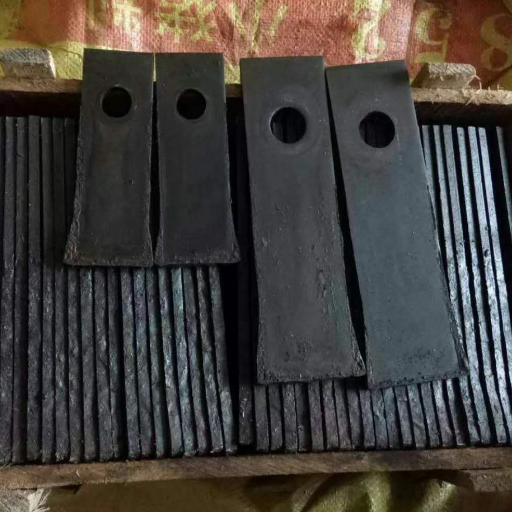
Sie kann ein Stellhebel sein oder auch nicht und erzwingt die Wahl zwischen gehärteten und ungehärteten Hammerschlägern. Abrasive Rohstoffe wie Reisspelzen begrenzen die Standzeit der Hammerschläger, während Verschleißflächen eingesetzt werden.
Weich
Mittel
Hart
Heterogen
PDF ZUM HERUNTERLADEN · KOSTENLOS
Möchten Sie eine druckbare Version dieser Karte für 13 Biomassearten einschließlich Auslegungsformel?
Diese Karte steht als PDF zum Herunterladen bereit. Laden Sie das Auslegungsarbeitsblatt für Biomasse-Hammermühlen als PDF herunter →
Wettbewerbsvergleich · Prüfung in sechs Dimensionen
Im Vergleich zu Schutte Hammermill / GEMCO / USA Pellet Mill — wo TCPEL beim TCO besser abschneidet
Zielgruppe · Entscheidungsebenen
Ingenieur
Betriebsleitung
Einkauf
Die Kaufentscheidung für eine Biomasse-Hammermühle richtet sich selten ausschließlich nach dem Anschaffungspreis. Eine Hammermühle, die 50–60 % weniger kostet, aber 8–10 % mehr kWh verbraucht / höheren Verschleiß an den Hammerschlägern verursacht und bei einem Gewährleistungsfall eine Verzögerung von 6 Wochen aufweist, verbraucht diese Einsparungen innerhalb der ersten 18 Betriebsmonate. Die folgende Vergleichsmatrix basiert auf sechs der oben genannten Dimensionen, die den Betriebsrahmen über sechs Jahre bestimmen — mit konkreten Zahlen statt Angaben wie „hoch / mittel / niedrig“.
Vergleichsmatrix mit sechs Dimensionen
TCPEL-Referenzspalte
Bewertungskriterien
TCPEL GXP-Baureihe
Schutte (USA)
GEMCO (CN)
USA Pellet Mill
01Anzahl der Modelle (1–10 T/H)
7 speziell ausgelegte GXP-Stufen
~6 Baureihen, nicht das Schwerpunktsegment
5 kleine + 3 große = insgesamt 8
16 SKUs (die meisten unter 1 T/H)
02Integrationsumfang im Angebot
Mühle + Zyklon + Schlauchfilter + Ventilator + Förderer
Nur Mühle; Zyklon und Entstaubung separat
Paket aus Mühle + Zyklon; Entstaubung separat
Nur Mühle; Pelletanlagen-Pakete separat
03Preistransparenz
FOB Qingdao-Preisstufe veröffentlicht
„Anfragen“ — keine veröffentlichten Preise
„Preis und Kosten anfragen“
Ausgewiesene Preise ($1.338–$5.538 für kleine Modelle)
04Mehrsprachiger Kundendienst
Technischer Support in EN / RU / ES / FR / AR
Englisch (mit Seiten in es, nl, pl)
Anfragen in EN / ES / RU / FR / AR
EN / FR / ES / AR / ZH
05Normenrahmen
CE-konform + ISO 9001
US OSHA / nationale Vorschriftenkonformität
CE / ISO als Referenz angegeben
Montage in FL; Einzelheiten nicht aufgeführt
06Spezifikationsdichte auf der Seite
Spezifikationstabelle mit 7 Zeilen + Rohstoffkarte
Produktkarten + PDF-Datenblätter
2 Spezifikationstabellen, uneinheitliche Einheitenformatierung
Modellkarten + Preis; Spezifikationen separat
Die Vergleichsdaten wurden öffentlich zugänglichen Seiten der Wettbewerber entnommen — archiviert am 09.05.2026. Schutte Hammermill wird als öffentlich bekannte, eingetragene Spezialmarke bezeichnet.
Prüfung · 6 Zeilen · 4 Anbieter
TCO-Vorteilskarte · Betrachtungszeitraum von 5 Jahren
GXP-TCO-Arbeitsblatt zu Hammerschlägerverschleiß und Energie über 5 Jahre
Technisch fundierte Kostenmodellierung für Pellet- und Futtermittelanlagen
Vertrauensstufe
Silber
Die Gesamtbetriebskosten einer Biomasse-Hammermühle werden von zwei Kostenpositionen bestimmt: Strom sowie Verschleiß an Hammerschlägern und Sieben. Das folgende Modell basiert auf öffentlich zugänglichen Branchenrichtwerten und Betriebsdaten von TCPEL; die genauen Werte variieren je nach Rohstoffmix, regionalem Stromtarif und Betriebsstunden, weshalb sie als entsprechend gekennzeichnete Spannen angegeben werden.
01 · Energiebasiswert
~22 kWh/t
Branchentypischer spezifischer Energieverbrauch
Branchendurchschnitt für Biomasse-Hammermühlen — veröffentlicht 2024
02 · Konstruktionsbedingte Abweichung der GXP
5–10 % niedriger
Konstruktionsbedingte Abweichung der GXP vom Basiswert
Direktantrieb mit 3000 r/min + beidseitiger Austrag
03 · Jährliche Energieeinsparung
~$850–$1,100/Jahr
Geschätzte jährliche Energiekostendifferenz bei 4 T/H
Annahme: $0.08–$0.10/kWh, 2.000 Betriebsstunden/Jahr
04 · Verschleißzyklus der Hammerschläger
800–1.500 Betriebsstunden
Standzeit der Hammerschläger (typisch)
Die Spanne hängt von der Abrasivität des Rohstoffs ab
05 · Siebwechsel
Alle 3–6 Monate
Siebwechselintervall
Für Biomasseanlagen im Dauerbetrieb
06 · Amortisationszeit
Potenzial für 15 Monate
Einordnung der Amortisationszeit auf Anlagenebene
Wirtschaftlichkeitsstudie einer Holzpelletieranlage
Warum die Silberstufe
Uns liegen eigene Konstruktionsdaten und Branchenbasiswerte vor, doch die genauen ROI-Werte einzelner Anlagen hängen von lokalen Rohstoffpreisen und Stromtarifen ab, die wir nicht vorgeben können. Eine anlagenspezifische TCO-Berechnung auf Grundlage Ihres Rohstoffs und Stromtarifs finden Sie im Abschnitt zur Angebotsanfrage.
TCO für Ihren konkreten Rohstoff berechnen
Möchten Sie die TCO für Ihren konkreten Rohstoff und Stromtarif berechnen lassen?
Individuellen TCO-Vergleich anfordern
Globale Präsenz · Aktuelle Referenzkarte
In 60+ Länder geliefert — Einsatzatlas der TCPEL Biomasse-Hammermühle
Zielgruppe · Entscheidungsebenen
Betriebsleitung
Ingenieurwesen
01 · Reichweite
60+Länder
Aktive Exportmärkte
02 · Offengelegt
11namentlich genannt
Öffentlich genannte Referenzziele
03 · Abdeckung
6Regionen
Verteilung über Kontinente
04 · Zeitraum
2020bis heute
Kontinuierlicher Exportbetrieb
Seit 2020 exportiert TCPEL (ALLWIN INTERNATIONAL CO.,LTD) sein Sortiment an Biomassemaschinen, einschließlich der beliebten Hammermühlen der GXP-Baureihe, in über 60 Länder weltweit in der EU, Asien, der GUS, dem Nahen Osten, Afrika und Amerika. Nachstehend sind elf der Länder aufgeführt, in die wir exportiert haben (mit anderen Endkunden bestehen Vertraulichkeitsvereinbarungen), und in jeder einzelnen Betriebsumgebung, von tropisch-feuchten Biomassebedingungen bis zu Wintertemperaturen unter null, in der die Hammermühlen der GXP-Baureihe eingesetzt werden, funktioniert heute dieselbe Kundendienststruktur.
02Namentlich genannte Exportziele
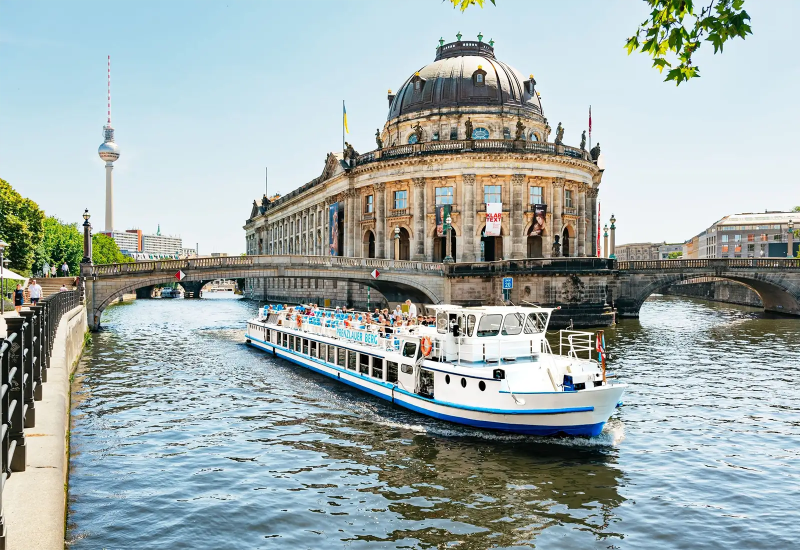
Europa
02 Länder
Deutschland
Finnland

GUS / Zentralasien
01 Land
Russland
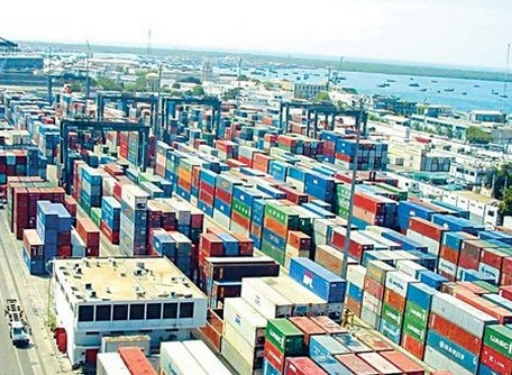
Südasien / Südostasien
05 Länder · Führendes Segment
Pakistan
Indien
Bangladesch
Vietnam
Malaysia
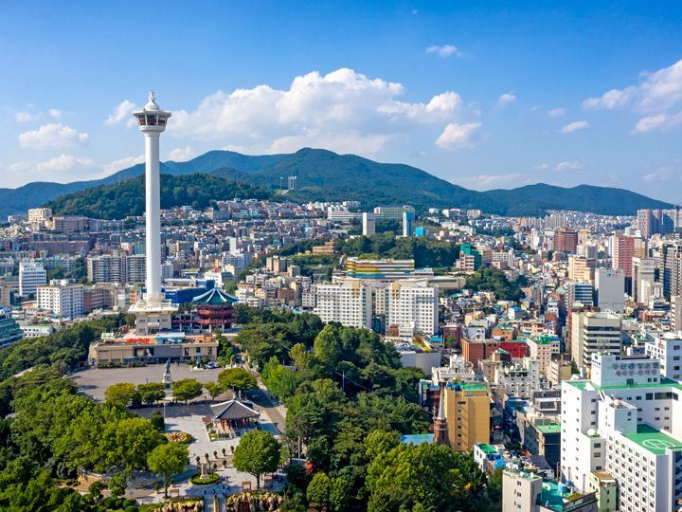
Ostasien
01 Land
Südkorea

Naher Osten / Eurasien
01 Land
Türkei

Ozeanien
01 Land
Neuseeland
03 · Technische Begründung
Warum die Einsatzbreite entscheidend ist
Hammermühle für nur ein Klima = Forschungsprototyp
Eine Hammermühle, die nur in einem Klima betrieben wird, ist ein Forschungsprototyp. Während die Ausführung der GXP-Baureihe weltweit auf derselben technischen Plattform basiert, entspricht die Konfiguration für ein finnisches Sägewerk bei 25°C Umgebungstemperatur (die lediglich in ein Prototypkraftwerk mit 45°C integriert wurde, um das Betriebsverhalten bei hohen Temperaturen ohne Entfernung des geistigen Eigentums zu testen) möglicherweise nicht der Konfiguration, die als fortschrittlichste Technologie des Unternehmens an eine Reishülsenanlage in Bangladesch bei 85 Prozent relativer Luftfeuchtigkeit und 38°C geliefert wird.
Anordnung der Hammerschläger, Siebauswahl, Motorkühlung und Geometrie des Zyklonaustrags werden von Reise zu Reise an das jeweilige Ziel angepasst — dank des institutionellen Wissens jedes Konstrukteurs, das in zuletzt 60 und einigen weiteren Ländern gesammelt wurde, und der Geschwindigkeit, mit der darauf zugegriffen wird. Die Orientierung, anhand derer Käufer in diesem Markt professionelle Beschaffungsteams steuern, ergibt sich unmittelbar aus diesem Prinzip: Bei den funktionierenden Exemplaren — Junk’in — haben wir vor der Auslieferung eine schnelle Kontrolle vorgenommen.
Klimatischer Einsatzbereich · Referenz
Nordeuropa
Sägewerk in Finnland
25°C
⇄
Südasien
Reishülsen in Bangladesch
38°C
Zusätzlich Validierung in einem Prototypkraftwerk bei 45°C — der Betriebsbereich umfasst eine Differenz von ~60°C ohne Änderungen am geistigen Eigentum.
Für jedes Ziel angepasste Variablen
VAR · 01
Anordnung der Hammerschläger
VAR · 02
Siebauswahl
VAR · 03
Merkmale der Motorkühlung
VAR · 04
Geometrien des Zyklonaustrags
04Beispiele für Einsatzszenarien
In diesen 60+ Märkten treten immer wieder drei Anwendungsmuster auf — Kombinationen aus Produktionsleistung, Modell und Rohstoff, die den meisten eingehenden Angebotsanfragen entsprechen.
SZENARIO · 01
3–8T/H
Holzpelletieranlagen für den Export
GXP13080 / GXP130110
Eine GXP13080 oder GXP130110 in Kombination mit einer TCPEL Ringmatrizen-Pelletpresse und einer Rotationstrockner-Linie; die der Pelletpresse nachgeschaltete Hammermühle vermahlt Hartholz-/Weichholzmischungen vor der Pelletmatrize auf 97 % < 3.35 mm.
SZENARIO · 02
1–3T/H
Betriebliche Futtermühlen
GXP65X35 — GXP65X100
GXP65X35 bis GXP65X100 zur Vermahlung von Maisstängelresten, Luzerne und Getreide für Rinder- und Geflügelfutter-Pelletieranlagen.
SZENARIO · 03
5–10T/H
Biomasseverdichtung für die thermische Nutzung
GXP130×110 / GXP130×130
GXP130×110 / ×130 zur Beschickung von Brikettier- oder Pelletieranlagen für Kesselbrennstoff, häufig kombiniert mit einem Rotationstrockner zur Verarbeitung von Waldrestholz mit höherem Feuchtegehalt.
Suchen Sie eine Referenzanlage in Ihrer Region oder für Ihre Rohstoffkategorie?
Fordern Sie passende Fallstudien an, und wir ermitteln die aktiven Anlagen, deren Betriebsbereich Ihren Anforderungen am nächsten kommt.
Die Identität einzelner Kunden, Anlagenkapazitäten und ROI-Zahlen bleiben im Rahmen unseres Kundenaktensystems vertraulich; wir legen sie in der Angebotsphase offen, wenn die Anlagenkapazität und der Rohstoff eines Käufers einer bestehenden Referenzanlage entsprechen.
Compliance-Kurzbericht · Richtlinie zur ehrlichen Offenlegung
CE-/ISO 9001-Konformität & Werkstransparenz FÜR · BESCHAFFUNG / INGENIEURWESEN
CE
CONFORMITÉ EUROPÉENNE
Marktzugang
EU / EWR ✓ Verpflichtend
Für Käufer im Europäischen Wirtschaftsraum ist die CE-Kennzeichnung eine verpflichtende Voraussetzung für den Marktzugang und kein optionales Markenabzeichen. ISO 9001 wird von den meisten professionellen Beschaffungsteams bevorzugt, ist jedoch nicht überall gesetzlich vorgeschrieben — verschiedene Käufer legen unterschiedliche Nachweisschwellen an, und ehrlicherweise hängt die Anforderung vom Zielmarkt und vom eigenen Prüfrahmen des Käufers ab. Wir legen offen, welche Nachweise uns vorliegen und wie wir arbeiten, damit die Beschaffung dies anhand ihrer eigenen Checkliste bewerten kann.
⟢ RICHTLINIE
Wir veröffentlichen, welche Nachweise uns vorliegen und wie wir arbeiten — die Beschaffung prüft nach ihrem eigenen Rahmen, nicht nach unserem.
01 / NACHWEISE
Konformitäts- und Prüfunterlagen
NACHWEIS · 01
CE-Konformität
Geltungsbereich der Maschinenrichtlinie, bereit für den EU-Import. Verpflichtend für jede Biomasse-Hammermühle, die in Märkte des Europäischen Wirtschaftsraums geliefert wird.
NACHWEIS · 02
ISO 9001
Qualitätsmanagementsystem. Wird von den meisten professionellen Beschaffungsteams bevorzugt; ist nicht überall gesetzlich vorgeschrieben.
NACHWEIS · 03
Werksaudit (SGS / TÜV)
Für Käuferprüfung verfügbar — Vorversandkontrolle durch den Käufer oder eine unabhängige Prüfstelle auf Anfrage.
NACHWEIS · 04
Containerfertige Verpackung
Seefest verzurrte Transportkisten bis FOB Qingdao. Für Stapellasten im Seefrachtverkehr ausgelegt, mit zertifizierten Zurrpunkten.
02 / WERK
Das Werk auf einen Blick
20.000
m²
Gesamtfläche des integrierten Werks
- Integrierte F&E + Produktion + Vertrieb
- Moderne Maschinenfertigung
- Eigenes technisches Fachteam
FLÄCHE
100+
Fachpersonal in der Fertigungshalle
Ingenieurteam & Qualitätssicherung
- Ingenieurteam für die Produktentwicklung
- Qualitätskontrolle über alle Montagestufen
- Mehrsprachiges Kundendienstteam
TEAM
2020
→ Heute
Kontinuierlicher Betrieb seit der Gründung
- Exporterfahrung in 60+ Ländern
- Kundenaktenbasiertes Servicesystem
- Ersatzteillogistik ab Qingdao
GEGR.
03 / ADRESSE
Werksstandort & Vorversandkontrolle
AUF KARTE · WERBEADRESSE
Ostseite, zweites Werk
Unsere in der Werbung angegebene Adresse lautet: Ostseite, zweites Werk. Zhangjia-Industriepark, Mingshui-Straße, Stadtbezirk Zhangqiu, Jinan, Provinz Shandong, China 250203.
Stadtbezirk
Zhangqiu
Stadt
Jinan
Provinz
Shandong
Postleitzahl
250203
VORVERSANDKONTROLLE · OFFEN
Prüfung durch Käufer & unabhängige Stellen möglich
Auf Anfrage akzeptieren wir eine Vorversandkontrolle durch den Käufer oder eine unabhängige Prüfstelle. Wählen Sie Ihre bevorzugte Prüfstelle — die Koordination erfolgt über die Beschaffung und die Terminierung vor der Containerbeladung bei FOB Qingdao.
SGS
Akzeptiert
TÜV
Akzeptiert
Intertek
Akzeptiert
PDF ZUM HERUNTERLADEN · FÜR IMPORTMAKLER VORBEREITET
Benötigen Sie das vollständige Paket mit Konformitätsunterlagen für Ihren Importmakler?
Laden Sie das Paket mit Konformitätsunterlagen herunter →
Bereit für Angebotsanfragen · Preisrahmen mit sechs Faktoren
Beschaffungsleitfaden — Preisstufen, Lieferzeit, Ersatzteile, Kundendienst
Zielgruppe · Entscheidungsebenen
Beschaffung
Betriebsleitung
Käufer, die ohne gründliche Beschaffungsvorbereitung ungeeignete Biomasseanlagen erwerben, bereuen dies tendenziell stärker als Käufer, die technische Spezifikationen leichtfertig behandeln. In diesem Abschnitt veröffentlichen wir unseren Beschaffungsrahmen, damit die Gespräche auf Augenhöhe und nicht bei null beginnen.
02Rahmen für Preisfaktoren
Der endgültige Preis FOB Qingdao für eine Biomasse-Hammermühle der GXP-Baureihe wird von sechs Faktoren bestimmt. Wir erläutern die Struktur statt nur einen Listenpreis zu nennen, da jeder Auftrag auf einer anderen Kombination beruht:
FAKTOR · 01
Plattform
Modellklasse
GXP65-Baureihe (1–3,5 T/H) gegenüber GXP130-Baureihe (3–10 T/H); die Baureihe 130 verwendet einen vergleichsweise schwereren Rotor und ein schwereres Kammergehäuse.
GXP65 · 1–3,5 T/H
GGÜ.
GXP130 · 3–10 T/H
FAKTOR · 02
Integration
Integrationsumfang
Nur die Hammermühle, Hammermühle + Zyklon oder das vollständig integrierte System mit Schlauchfilter, Ventilator und Zuführförderer.
Nur Hammermühle
→
Bestellung des Gesamtsystems
FAKTOR · 03
Verschleißteile
Anordnung & Werkstoff der Hammerschläger
Standard-Hammerschläger aus Kohlenstoffstahl gegenüber gehärteten Ausführungen für abrasive Rohstoffe (Reishülsen, Erdnussschalen).
Kohlenstoffstahl
GGÜ.
Gehärtete Ausführung
FAKTOR · 04
Siebe
Siebsatz
Einzelsieb gegenüber mehreren austauschbaren Sieben für Anlagen mit Rohstoffwechsel, wobei die gewählte Lochung die Feinheit des Austrags bestimmt.
Einzelsieb
GGÜ.
Mehrfach austauschbar
FAKTOR · 05
Anschlussleistung
Auslegung für Spannung & Frequenz
380V / 50Hz, 440V / 60Hz oder eine vom Käufer vorgegebene, nicht standardmäßige Stromversorgung.
380V / 50Hz · 440V / 60Hz
+
Nicht standardmäßige Käuferspezifikation
FAKTOR · 06
Konformität
Prüfung & Dokumentation
Käuferseitige Prüfung (SGS / TÜV / Intertek), technische CE-Unterlagen, Ursprungsnachweise.
SGS / TÜV / Intertek
+
CE-Unterlagen · Ursprungszeugnis
03 · Kaufmännischer Rahmen
Allgemeine Geschäftsbedingungen
07 Positionen · Standard ⇄ Individuell
Bedingung
Standard
Individuell / Verhandelbar
01
Lieferzeit (Standardmodelle)
25 Tage FOB Qingdao
35–45 Tage für nicht standardmäßige Anlagenkonfigurationen
02
Mindestbestellmenge
1 Satz
Mengenrabatte für mehrere Einheiten verhandelbar
03
Zahlung
30 % Anzahlung per T/T + 70 % gegen Kopie des Konnossements
Sichtakkreditiv wird akzeptiert; D/P bei Folgeaufträgen verhandelbar
04
Ersatzteile (im Auftrag enthalten)
1 Hammerschlägersatz + 1 Siebsatz
Erweitertes Ersatzteilpaket verfügbar
05
Garantie für Hammerschläger / Verschleißteile
12 Monate
Verlängerung nach kaufmännischer Vereinbarung
06
Garantie für den Hauptkörper
24 Monate
—
07
Technikereinsatz vor Ort
Verfügbar, regional und zu vereinbarten Konditionen
Programm zur Vorhaltung seefest verpackter Ersatzteile
08
Reaktionszeit des Kundendienstes
Innerhalb von 24–48 Stunden über die Kundenakte
Direkte Hotline für laufende Inbetriebnahmeprojekte
Kundenaktensystem · Kontinuität
Unser kundenaktenbasiertes Servicesystem ordnet einen offenen Arbeitsauftrag automatisch dem ursprünglichen Inbetriebnahmeprotokoll zu — Käufer müssen bei einer Ersatzteilanfrage das Gespräch nicht von vorn beginnen, selbst drei Jahre nach der Lieferung.
Benötigen Sie ein Angebot, das auf Ihr Modell, den Integrationsumfang und das Versandziel abgestimmt ist?
Sie erhalten von uns ein strukturiertes Angebot FOB Qingdao auf Grundlage Ihrer sechs Einflussgrößen — keinen pauschalen Listenpreis.
Technische Tools
Präzise Bewertungswerkzeuge und Module zur Kapazitätskonfiguration für industrielle B2B-Anwendungen.
07 Fragen · Technisch fundierte Antworten
FAQ — Vom Postfach der Beschaffung zum technischen Datenblatt
Zielgruppe
Alle Käufer
Technisch fundierte Antworten auf die sieben Fragen, die uns von Beschaffungsteams, Betriebsleitungen und Konstrukteuren am häufigsten gestellt werden — zu technischen Grundlagen, Preislogik, Lebenszyklen von Verschleißteilen, Integration und Pelletwirtschaftlichkeit. Jede Antwort ist einer Kategorie zugeordnet, damit Sie direkt zu der benötigten technischen oder kaufmännischen Information springen können.
01 · Abdeckung
07Themen
Ausgewählte Anfragekategorien
02 · Referenzwert
3000r/min
Referenzwert der Rotordrehzahl
03 · Spezifikation
≥97 %< 3.35 mm
Sollwert für die Beschickung der Pelletmatrize
04 · Lieferzeit
25Tage
Standard bei FOB Qingdao
Antwort
Beide zerkleinern Material durch Prallwirkung — eine Hammermühle arbeitet jedoch mit gruppierten Hammerschlägern, die an einem Rotor mit 3000 r/min schwingen, und einem Lochsieb zur Steuerung der fertigen Partikelgröße, während ein Prallbrecher mit feststehenden oder schwenkbaren Schlagleisten gegen eine Prallschwinge arbeitet und für die Primärzerkleinerung von Gestein oder Zuschlagstoffen ausgelegt ist (von Zentimetern auf mehrere Millimeter). Bei der Biomasse-Pelletierung mit einem Sollwert von ≥97 % der Partikel unter 3,35 mm ist eine Hammermühle die richtige Maschine; ein Prallbrecher würde für die Beschickung einer Pelletmatrize zu viel Überkorn hinterlassen.
Rotor mit 3000 r/min
Lochsieb
≥97 % < 3.35 mm
Richtige Maschine für die Pelletierung
Antwort
Sie bildet die Zerkleinerungsstufe zwischen dem ursprünglichen Rohstoff (Hackschnitzel, Sägemehl, Waldrestholz) und der Pelletpresse. Die Pelletmatrize benötigt eine feine, gleichmäßige Partikelgrößenverteilung — üblicherweise ≥97 % unter 3,35 mm — und die Hammermühle erzeugt diese Verteilung aus Rohstoff, der in Stücken bis 30 mm oder größer angeliefert werden kann. Ohne diese Stufe verschlechtern sich Pelletdichte, mechanische Festigkeit und Brennverhalten.
Hackschnitzel
Sägemehl
Waldrestholz
Aufgabe ≤ 30 mm
Austrag ≥97 % < 3.35 mm
Antwort
Die Endpreise richten sich nach dem Umfang der sechs Pakete in unserem Beschaffungsraster, darunter Modellklasse, Integrationsumfang, Anordnung der Hammerschläger, Siebstärken, Spannungskonfiguration und Spezifikationen des Dokumentationspakets. Öffentlich zugängliche Budgets für industrielle Pelletieranlagen reichen von etwa $20.000 für eine Einstiegsanlage unter T/H bis zu mehreren Millionen US-Dollar für eine großtechnische Anlage mit 90 T/H. Die Hammermühle ist nur eine Kostenposition innerhalb dieses Rahmens. Fordern Sie bitte ein Angebot FOB Qingdao für Ihre gewählte Anlagenkonfiguration an, um einen genauen Wert zu erhalten.
$20.000 · Einstieg unter T/H
$M+ · Großanlage mit 90 T/H
Raster mit 6 Faktoren
Angebot FOB Qingdao
Antwort
Die vier häufigsten Probleme sind:
01
Verstopfung bei feuchtem Rohstoff — wird durch die einteilige, fugenlose Gehäusekonstruktion und den abgestimmten Luftstrom des Zyklons beherrscht.
02
Übermäßiger Verschleiß der Hammerschläger durch abrasive Rohstoffe (Reishülsen, Erdnussschalen) — wird durch Optionen mit gehärteten Hammerschlägern beherrscht.
03
Zu hoher Feinanteil durch eine zu kleine Sieböffnung — wird vermieden, indem die Siebe passend zum Rohstoff und zur Spezifikation der nachgeschalteten Pelletmatrize statt nach einem allgemeinen Katalogstandard ausgelegt werden.
04
Störende Staubemissionen und Staubexplosionsgefahr — werden durch den integrierten Schlauchfilter mit passend ausgelegter Luftleistung beherrscht (je nach Modell 24–108 Schläuche).
Matrize Konfiguration mit beidseitigem Austrag verringert zudem lokale Engstellen, die bei Konstruktionen mit nur einem Austrag entstehen.
Antwort
Bei ordnungsgemäßer Wartung beträgt die typische Lebensdauer von Mahlkammer und Rotor im Dauerbetrieb 10+ Jahre. Die relativen Standzeiten der Verschleißteile betragen: Hammerschläger je nach Abrasivität des Rohstoffs 800–1.500 Betriebsstunden, Siebe in Anlagen im Dauerbetrieb 3–6 Monate. Beide Angaben sind Durchschnittswerte und keine Garantien; sie hängen von den Eigenschaften des Rohstoffs, den Betriebsstunden und der Qualität der Betriebsführung ab. Die zweijährige Garantie für den Hauptkörper und die einjährige Garantie für die Hammerschläger bieten einen Anhaltspunkt für die Budgetplanung. Alles Weitere richtet sich nach dem Betriebsprofil der Anlage.
Mahlkammer · 10+ Jahre
Hammerschläger · 800–1.500 Std.
Siebe · 3–6 Monate
24 Monate Garantie auf den Hauptkörper
12 Monate Garantie auf Hammerschläger
Antwort
Die Branche geht bei Holzpelletieranlagen mit einer Kapazität von 50–100.000 T/A von Nettogewinnmargen von 8–12 % aus; bei einem landwirtschaftlich geprägten Modell entfallen 40–50 % der Betriebskosten auf die Rohstoffbeschaffung und weitere 30–40 % auf die Versorgungsmedien. Eine veröffentlichte Fallstudie für eine ausschließlich auf Holzpellets ausgerichtete Anlage ergab eine Amortisationszeit des Kapitals von 15 Monaten. Ihre Wirtschaftlichkeit hängt von den Rohstoffkosten, Strompreisen und Verkaufspreisen in Ihrem Markt ab.
Nettomarge · 8–12 %
Rohstoff · 40–50 %
Versorgungsmedien · 30–40 %
Amortisation · ~15 Monate
Antwort
Ja — und die Integration gehört zu den ersten Fragen, die wir vor der Angebotserstellung klären. Unser Konstruktionszentrum ermittelt anhand Ihrer Anforderungen an Pelletlänge, Pelletdichte, Partikelgrößenverteilung des Rohstoffs, Sieböffnung, Hammerschlägeranordnung und GXP-Modell die Parameter Ihrer vorhandenen Pelletmatrize. Außerdem prüfen wir Ihre Spannung / Frequenz, die Austragsschnittstelle zu Ihrem vorhandenen Zuführförderer sowie den Anschluss der Staubabsaugung an den Anlagenöffnungen an Ihr vorhandenes Abluftsystem. Die standardmäßige Lieferzeit beträgt 25 Tage ab Auftragseingang, sofern Ihre Konstruktionsentscheidungen zu diesem Zeitpunkt feststehen.
Matrizendaten ermitteln
Spannung / Frequenz abstimmen
Fördererschnittstelle anpassen
Staubabsaugung anschließen
25 Tage Lieferzeit
Ihre Frage ist hier nicht aufgeführt?
Senden Sie uns Ihre technische oder kaufmännische Frage — wir leiten sie an den zuständigen Ingenieur weiter und antworten Ihnen innerhalb von 24–48 Stunden über unser Kundenaktensystem.