Kontakt mit TCPEL aufnehmen

Biomasse-Pelletpresse
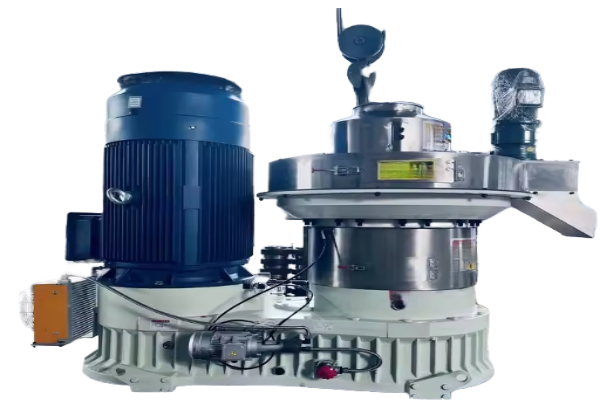
Hersteller industrieller Biomasse-Pelletpressen – 0,5–20 t/h
Industrielle Ringmatrizen- und Flachmatrizen-Pelletpressen für den kontinuierlichen 24/7-Betrieb, entwickelt im 20.000 m² großen TCPEL-Werk in Shandong. Seit 2020 in 60+ Länder exportiert. Geeignet für Rohstoffe wie Holz, Sägemehl, Stroh, Palmabfälle und Gras.
CE-zertifiziert
ISO 9001:2015
EAC für GUS-Märkte
Export in 60+ Länder
Produktionsleistung 0,5–20 t/h
Leistungsbereich
100 kg/h bis 20 t/h
Matrizenausführungen
Ringmatrize · Vertikale Ringmatrize · Flachmatrize
Antriebsarten
Elektromotor / Dieselmotor / Zapfwelle
Geeignete Rohstoffe
Holz · Sägemehl · Stroh · EFB · Gras · Bagasse
Lieferzeit
25–90 Tage ab Bestellung
Garantie
12 Monate + lebenslange Ersatzteilversorgung
Warum Käufer auf industrielle Pelletpressen umsteigen (statt Pelletpressen im Werkstattmaßstab)
Industrielle Biomasse-Pelletpressen verarbeiten Rohbiomasse wie Hackschnitzel, Sägemehl, Stroh und Palmkernschalen zu verdichteten, gleichmäßigen Brennstoffpellets für großtechnische Wärmemärkte, Tiereinstreu oder Märkte für zertifizierte Pellets. Eine Biomasse-Pelletpresse presst gemahlenen und in der Hammermühle zerkleinerten Rohstoff – gewöhnlich vorzerkleinertes Sägemehl oder feine Hackschnitzel – mit gehärteten Stahl-Pressrollen bei 200–400 MPa durch eine Matrize; das natürliche Lignin der Biomasse bindet die Pellets ohne synthetische Klebstoffe.
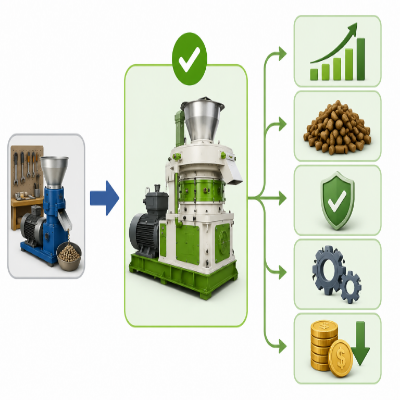
Problem 1: Lose Biomasseabfälle verursachen hohe Transport- und Lagerkosten
Sägewerksbetreiber, Palmölplantagen und landwirtschaftliche Genossenschaften besitzen oder erreichen in ihrem regionalen Hinterland Millionen Tonnen geringwertiger Biomasse. Der Transport von losem Sägemehl oder Palmfasern über Regionsgrenzen hinweg ist wirtschaftlich nicht ratsam – vollständig beladene 40-Fuß-Container mit losem Rohstoff fassen etwa 8–12 Tonnen Ausgangsmaterial, während derselbe Container mit verdichteten Pellets mehr als 22–26 Tonnen aufnimmt; dies entspricht einer Volumenreduzierung von rund 65 % [WEBSUCHE: übereinstimmende Einschätzung mehrerer OEMs] und führt unmittelbar zu den niedrigsten Frachtkosten je geliefertem Gigajoule.
Problem 2: Pelletpressen im Werkstattmaßstab erfüllen die Anforderungen von ENplus oder DIN+ nicht
Der europäische Pelletmarkt – der weltweit größte Absatzmarkt für fortschrittliche Biomassebrennstoffe – basiert auf den Normen ENplus und DIN+. ENplus-Klasse A1 gemäß EN 14961-2 verlangt einen Feuchtegehalt von 10 %, einen Aschegehalt von 0,7 % und eine mechanische Festigkeit von 97,5 %. Nur wenige für landwirtschaftliche Betriebe vorgesehene Flachmatrizenmaschinen mit einer Pressrolle und einem Preis von mehreren Hunderttausend Dollar erreichen auf diesem Niveau eine gleichbleibende Qualität; für zertifizierungsfähige Pellets gelten 2 oder 3 Zylinder als erforderlich. Pressen mit geschlossener Matrize, einer oder mehreren Pressrollen, kontrollierter Rohstoffkonditionierung und integriertem Kühlsystem bilden das technische Mindestniveau.
Problem 3: Eine ungeeignete Abstimmung von Rohstoff und Matrize führt zu Anlagenausfällen
Biomass Magazine nennt in seiner Untersuchung von Ausfällen bei Pelletieranlagen „Fehler bei der Rohstoffbeschaffung“ und eine mangelhafte Abstimmung von Rohstoff und Maschine als wichtigste Ursachen für eine unzureichende Projektleistung. Weichholz, Hartholz, landwirtschaftliche Reststoffe und Nebenprodukte der Ölpalme erfordern jeweils unterschiedliche Verdichtungsverhältnisse, Bohrungsdurchmesser und Rohstoffvorbehandlungen. Eine für Sägemehl optimierte Pelletpresse erzeugt mit diesem Rohstoff bei 1 t/h dichte, abriebfeste Pellets – und verstopft bei Reishülsen bereits bei 200 kg/h, weil der Aschegehalt die Matrizenoberfläche innerhalb von 200 Stunden verschleißt.
Industrielle TCPEL-Pelletpressen – Modelle mit Ringmatrize, vertikaler Ringmatrize und Flachmatrize
Der 5-stufige Produktfilter für die Biomasse-Pelletpressen von TCPEL ist nach dem jeweiligen optimalen Durchsatzbereich, den Rohstoffeigenschaften und den Integrationsoptionen der einzelnen Modelle zusammengefasst.
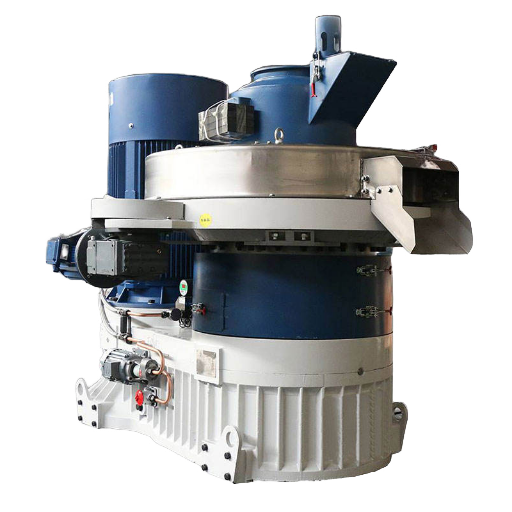
Horizontale Ringmatrizen-Pelletpresse (Baureihe MKLH)
Produktionsleistung: 500 kg/h–4 t/h je Einheit
Optimal für: Kontinuierliche industrielle Holz- und Sägemehlpelletproduktion für nach ENplus oder DIN+ zertifizierte Märkte.
- Geschlossene Ringmatrize aus gehärtetem Stahl
- Frequenzgeregelter Elektromotor mit 22–160 kW
- Verdichtung mit zwei Pressrollen und integriertem Überlastschutz
- Pelletdurchmesser Ø 6 mm oder 8 mm (konfigurierbar)
- Für tägliche Betriebszeiten von 18–24 Stunden ausgelegt
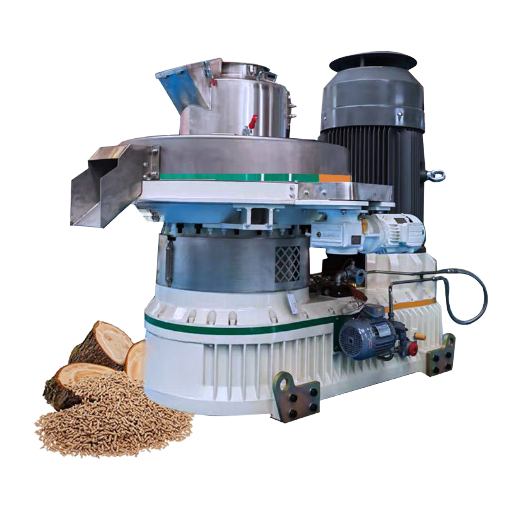
Vertikale Ringmatrizen-Pelletpresse
Produktionsleistung: 800 kg/h–4 t/h je Einheit
Optimal für: Gewerbliche Biomasseanlagen mit wechselnden Rohstoffen und begrenzter Aufstellfläche.
- Vertikale Ringmatrizenbauweise (kompakte Stellfläche)
- Einsatzbereich: Geeignet für Sägemehl, EFB-Fasern, Luzerne und andere organische Düngemittelpellets
- Die niedrigere Höhe der Beschickungsebene erleichtert das Beladen durch das Bedienpersonal
- Geringerer Bauaufwand als bei Anlagen mit horizontaler Ringmatrize

Elektrische Flachmatrizen-Pelletpresse
Produktionsleistung: 100 kg/h–900 kg/h je Einheit
Optimal für: Produzenten im Werkstattmaßstab, kleine landwirtschaftliche Betriebe, Pelletproduktion am Einsatzort und Forschung an Pilotanlagen.
- Drehstrom-Elektromotor mit 7,5–37 kW
- Flachmatrizenbauweise mit einer oder zwei Pressrollen
- Geringere Investitionskosten als vergleichbare Ringmatrizenmodelle
- Ideal für Gras-, Stroh- und Futtermittelpellets
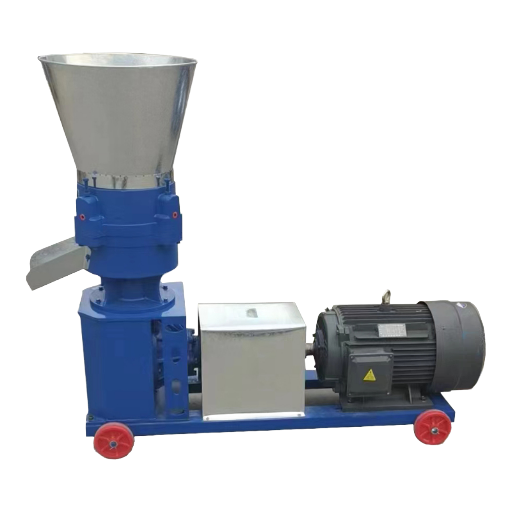
Dieselbetriebene Flachmatrizen-Pelletpresse
Produktionsleistung: 50 kg/h–500 kg/h je Einheit
Optimal für: Netzunabhängige Anwendungen, ländliche Genossenschaften und die ergänzende Pelletierung landwirtschaftlicher Reststoffe.
- Dieselmotor mit 8–22 hp
- Auf Anhängern montierbare Anlagenkonfigurationen
- Für abgelegene Regionen oder Gebiete mit instabiler Stromversorgung
- Gleiche Flachmatrizenbauweise wie die elektrische Ausführung für eine zuverlässig gute Pelletqualität
Entscheidungsmatrix – Produktionsleistung, Motorleistung, Stellfläche und Pelletspezifikation
Ingenieure müssen bei der Auswahl unter den vier Hauptbauformen die Durchsatzstabilität, Rohstoffvielfalt, Kilowattstundenkosten pro Tonne und die Anordnung der Anlage berücksichtigen. Die nachstehende Matrix enthält gemäß P22 konkrete Parameter – ohne Einträge wie Ja/Nein oder Hoch/Mittel/Niedrig.
| Modellbaureihe | Durchsatzleistung (t/h) | Hauptmotor (kW) | Pellet-Ø (mm) | Geeignetste Rohstoffe | Investitionsstufe |
|---|---|---|---|---|---|
| Ringmatrizenmodell MKLH-200 | 0.5 – 0.8 | 22 | 6, 8 | Sägemehl, Hackschnitzel | Industrieller Werkstattmaßstab |
| Ringmatrizenmodell MKLH-320 | 1.0 – 1.5 | 55-75 | 6, 8 | Holz, EFB, Luzerne | Mittlere Industriestufe |
| Ringmatrizenmodell MKLH-420 | 2.0 – 3.0 | 110 | 6, 8, 10 | Hartholz, gemischte Reststoffe | Mittlere Industriestufe |
| Ringmatrizenmodell MKLH-560 | 3.0 – 4.0 | 132-160 | 8, 10 | Holz, landwirtschaftliche Reststoffe | Komplette Pelletieranlage |
| Vertikales Ringmatrizenmodell MKVT | 0.8 – 4.0 | 30-160 | 6, 8, 10 | Gemischte Biomasse, Düngemittel | Mittlere Industriestufe |
| Elektrisches Flachmatrizenmodell MKFD-200 | 0.1 – 0.2 | 7.5-15 | 4, 6 | Gras, Futterpellets | Werkstattmaßstab |
| Elektrisches Flachmatrizenmodell MKFD-400 | 0.4 – 0.9 | 22-37 | 6, 8 | Sägemehl, Stroh | Industrieller Werkstattmaßstab |
| Diesel-Flachmatrizenmodell MKFD-D | 0.05 – 0.5 | 8–22 hp | 4, 6, 8 | Landwirtschaftliche Reststoffe ohne Netzanschluss | Werkstattmaßstab |
Jede TCPEL-Pelletpresse wird werkseitig auf eine primäre Rohstoffgruppe abgestimmt ausgeliefert. Für die Umstellung von Sägemehl auf Reishülsen sind lediglich der Matrizensatz zu wechseln und das Pressrollenspiel einzustellen; beide Verfahren sind in der Betriebsanleitung dokumentiert und werden per Video-Fernsupport unterstützt.
„Wir schmieden jede Matrize vor dem Versand an unserem eigenen metallografischen Prüfstand nach. Luftgekühlter legierter Stahl 40Cr oder 4Cr13, vakuumgehärtet auf 58-62 HRC. Kunden, die gemischte Holzrohstoffe verarbeiten, wechseln die Matrizen im Allgemeinen nach 1.800-2.400 Betriebsstunden; bei Reishülsen-Rohstoffen ist aufgrund von Siliziumdioxidverschleiß in der Regel innerhalb von 600-900 Betriebsstunden ein Matrizenwechsel erforderlich. Wir dimensionieren das Ersatzmatrizenpaket auf Ihren Rohstoff, nicht auf ein Alibi-Set.“.
Möchten Sie eine Modellempfehlung, die auf Ihren Rohstoff und die gewünschte Durchsatzleistung abgestimmt ist?
Rohstoffdaten für ein Angebot senden →
Kapazitätsauswahl für industrielle Pelletpressen →
TCPEL vs. europäischer OEM vs. gebrauchte/überholte Pelletpressen — Leistung und 5-Jahres-TCO
Einkaufsverantwortliche, die Bezugsquellen für Anlagen zur Biomassepelletproduktion bewerten, müssen zwischen drei praktikablen Lösungen wählen: einem etablierten europäischen Tier-1-OEM, einem chinesischen Hersteller industrieller Pelletpressen wie TCPEL oder gebrauchten und überholten Anlagen aus Auktionen. Zu berücksichtigen sind die Anfangsinvestition, Lieferzeit, Ersatzteilversorgung und Gesamtbetriebskosten (TCO) über fünf Jahre.
| Vergleichskriterium | Europäischer Tier-1-OEM | TCPEL (chinesischer Industriehersteller) | Gebrauchte/überholte Anlagen |
|---|---|---|---|
| Anfängliche Investitionskosten (Ringmatrize mit 1–4 t/h) | $220k–$480k FOB Europa | $35k–$180k FOB Qingdao | $60k–$180k im Istzustand |
| Lieferzeit | 4–9 Monate | 25–90 Tage | Sofort (vorbehaltlich Prüfung) |
| Lieferzeit für Ersatzmatrizen | 6–12 Wochen über ein europäisches Lager | 3–5 Wochen per Luftfracht; 6–8 Wochen per Seefracht | Variabel — abhängig vom Fortbestand des bisherigen OEM |
| Reaktionszeit des Außendienstes (Übersee) | Servicetechniker vor Ort in 10–21 Tagen | Videodiagnose innerhalb von 24–48 h; Servicetechniker vor Ort in 14–28 Tagen (regionsabhängig) | Üblicherweise Selbsthilfe durch den Käufer |
| Dokumentationssprache | EN, DE, FR, RU | EN, RU, ES (weitere auf Anfrage) | Unterschiedlich; Originalhandbücher fehlen häufig |
| Umfang der Zertifizierungen | CE, ATEX, ISO 9001 | CE, ISO 9001:2015, EAC für die GUS | Die ursprünglichen Zertifikate können durch die Nutzung ungültig geworden sein |
| TCO-Position über 5 Jahre | Höhere Investitionskosten; geringerer Preisaufschlag für Ersatzmatrizen | Geringere Investitionskosten; wettbewerbsfähige Ersatzteilpreise; für weit entfernte Märkte kommen Reisekosten des Servicepersonals hinzu | Niedrigste Investitionskosten; höchstes Risiko ungeplanter Stillstände |
TCO-Position über 5 Jahre und Automatisierungsaufschlag
Die TCO-Analyse legt nahe, dass der chinesische Hersteller bei einer verbindlichen Entscheidung für eine passend ausgelegte Anlage bei Investitionskosten und Lieferzeit klar vorn liegt. Europäische Anlagen bieten ein fortschrittlicheres Automatisierungspaket – von der Rohstoffaufbereitung über SCADA bis zur ATEX-Konformität durch Dritte – und kosten 4–6 Mal so viel wie vergleichbare Anlagen chinesischer Fertigung. Bei einem kleinen vietnamesischen Projekt mit 1 Tonne/Stunde für den lokalen Markt dauert es deutlich länger als 7 Jahre, bis sich dieser Automatisierungsaufschlag durch die außer Acht gelassenen Ausschussquoten ausgleicht. Bei einer mittelgroßen bis großen nordeuropäischen Anlage für ENplus A1, die in führende Märkte exportiert, sorgen die Margen dafür, dass ein hoher Automatisierungsgrad faktisch als Gegenleistung für einen direkten Vergleich belohnt wird.
Kundenergebnisse – Referenzanlagen aus 60+ Ländern
Biomasse-Pelletpressen und komplette Produktionsanlagen von TCPEL werden erfolgreich in über 60 Ländern betrieben, darunter die wichtigen Märkte Deutschland, Finnland, Russland, Korea, Pakistan, Indien, Bangladesch, Vietnam, Malaysia und Türkei. Die vier nachstehenden Fallstudien decken das Spektrum von kleinen Anwendungen im Werkstattmaßstab bis zu Produktionsleistungen von mehreren Tonnen ab.

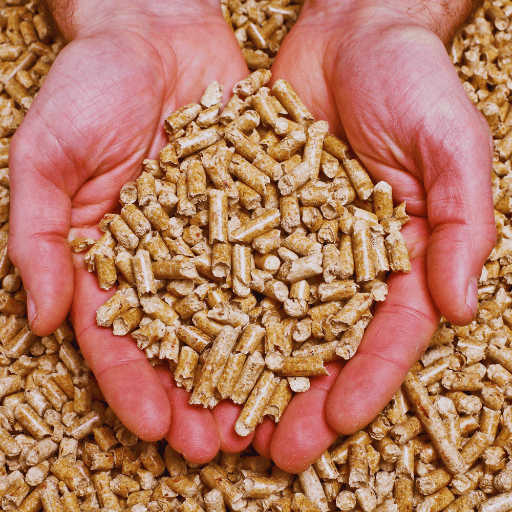
Sägemehl-Pelletieranlage mit 1 t/h – Vietnam
Schlüsselfertige Lösung für ein lokales Sägewerk, das auf standardisierte ENplus-Holzpellets für den Export an einen Energieversorger in Korea umgestellt wurde. Anlagenkomponenten: TCPEL-Hammermühle, Rotationstrockner, Ringmatrizen-Pelletpresse MKLH-320, Gegenstrom-Pelletkühler, automatische Absackanlage für 25-kg-Säcke.
Palm-EFB-Pelletieranlage mit 2 t/h – Malaysia
EFB ist der einzige Ausgabestrom einer Palmölmühlen-Pipeline. Die EFB-Verarbeitung erfolgt direkt bei den Palmölplantagen. Die vertikale Ringmatrizenbauweise verarbeitet faseriges EFB und verhindert Brückenbildungen, die bei horizontalen Anlagenkonstruktionen auftreten.

Holzpellet-Produktionsanlage – Rumänien
Ein Futtermittelbetrieb in der Westukraine installierte eine kleine TCPEL-Anlage, um in den osteuropäischen Markt für Heizpellets einzusteigen: Rundholzentrinder, Trommelhacker, Hammermühle, Trockner sowie zwei zur Redundanz parallel geschaltete Ringmatrizen-Pelletpressen MKLH-520.

Sägemehl-Pelletieranlage mit 2 t/h – Slowakei
Ein sehr kleiner Betrieb in der Slowakei errichtete eine komplette Sägemehl-Pelletieranlage mit 2 t/h, um die Wirtschaftlichkeit einer lokalen Rohstoffversorgung zu nutzen. Die Nähe zu regionalem Sägemehl und die kurzen Transportwege waren für die Wirtschaftlichkeit entscheidend und veranschaulichen die <500-km-Regel.
Vorteilskarte für die TCO über 5 Jahre (Silberstufe)
Kostenprofil einer industriellen Pelletpresse über 5 Jahre
Alle Bereiche sind ungefähre allgemeine Marktwerte für OEM-Anlagen aus Whitepapers und Berichten über realisierte Projekte. Der tatsächliche ROI hängt von den lokalen wirtschaftlichen Bedingungen ab (Rohstoffkosten, Pelletpreis, Stromtarif, Betriebsstunden). Kontaktieren Sie uns für einen individuellen TCO-Vergleich Ihrer Anlagenkonfiguration.
Markteinblick
Eine Diskussion von Biomassebetreibern auf Quora ergab, dass die rentabelsten kleinen bis mittleren Biomasseinvestitionen mit 500 kg/h (1200 lbs/h) oder weniger häufig Anlagen für einen lokalen Kundenkreis sind, die durch geringere Fracht- und Zertifizierungskosten sowie eine weniger komplexe Betriebsführung und Instandhaltung den besten ROI je investiertem Dollar erzielen. TCPEL beobachtet dieses Muster wiederholt bei Kunden im Werkstattmaßstab in Indien, Vietnam und Ostafrika.
01
Werkstattmaßstab (100–900 kg/h)
Anfangsinvestition $8k–$25k. Die typischen Betriebskosten über 5 Jahre werden vor allem durch Personal und Strom bestimmt. Die besten Erträge werden beim lokalen Verkauf an kleine Wärmeversorger oder Händler für Tiereinstreu erzielt.
02
Mittlere Industriestufe (1–4 t/h)
Anfangsinvestition $35k–$180k. Die Investitionskosten machen üblicherweise 30–45 % der Gesamtausgaben über 5 Jahre aus; Energie 25–35 %; Verschleißteile 10–15 %; Personal 10–20 %; regelmäßige Wartung 5–10 %. Die Amortisationszeit liegt abhängig von Rohstoffkosten, Pelletverkaufspreis und Stromtarif üblicherweise bei 24–48 Monaten.
03
Komplette Pelletieranlage (5–20 t/h)
Anfangsinvestition $250k–$1.8M für den Kern der Pelletieranlage (ohne Bauarbeiten und Lagerung). Ein höherer Automatisierungsgrad senkt den Personalanteil, erhöht jedoch die Investitions- und Wartungskosten. Bei exportorientierten ENplus-Betrieben beträgt die Amortisationszeit üblicherweise 36–60 Monate.
Möchten Sie ein Angebot, das auf Ihre gewünschte Durchsatzleistung und Ihren Markttyp abgestimmt ist?
Projektparameter für ein individuelles Angebot senden →
Zertifizierungen und Konformität – CE, ISO 9001:2015, EAC und Produktionsfähigkeit für ENplus
In regulierten Märkten mit dokumentierten Prüfstandards – EU, EAEU, GCC – ist eine Zertifizierung und nicht nur eine Erklärung erforderlich. Unternehmen können sich darauf verlassen, dass TCPEL-Anlagen mit dem folgenden Zertifizierungspaket geliefert werden.
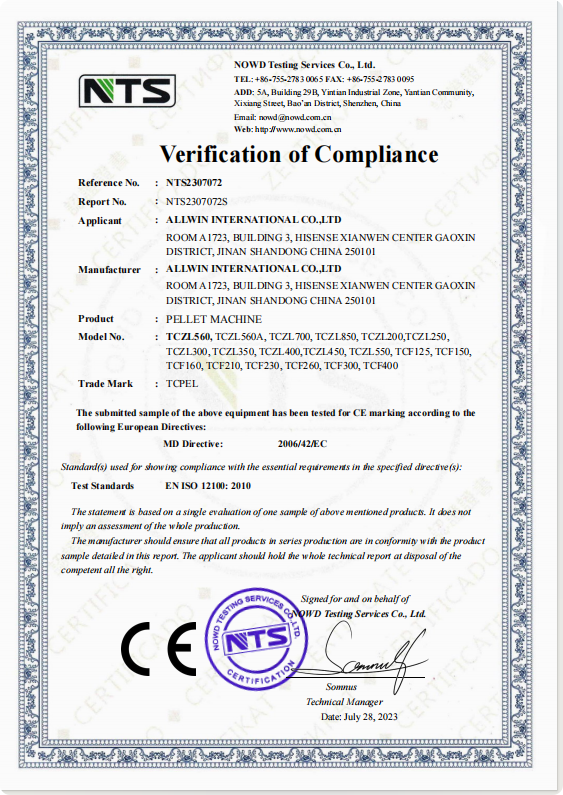
CE-Kennzeichnung
Gemäß EU-Maschinenrichtlinie 2006/42/EC. Die Konformitätserklärung gilt für die Ringmatrizen- und Flachmatrizenbaureihen von TCPEL beim Verkauf im Europäischen Wirtschaftsraum.
ISO 9001:2015
Qualitätsmanagementsystem für Produktentwicklung, Fertigung, Prüfung, Verpackung und Kundendienst. Jährliches Überwachungsaudit.
EAC (CU TR)
Konformität mit den technischen Vorschriften der Zollunion für den Verkauf in Russland, Belarus, Kasachstan, Armenien und Kirgisistan. Für das Gebiet der EAEU erforderlich.
Produktionsfähigkeit für ENplus / DIN+
TCPEL-Ringmatrizen-Pelletpressen mit geschlossenen Matrizen, kontrollierter Rohstoffkonditionierung und integrierter Kühlung produzieren Pellets, welche die Grenzwerte von ENplus A1 erfüllen (Feuchtegehalt ≤10 %, Aschegehalt ≤0,7 %, mechanische Festigkeit ≥97,5 %).
Technischer Hinweis:
ENplus zertifiziert das Pellet, nicht die Maschine. TCPEL liefert die technischen Voraussetzungen (Matrizengeometrie, Konditionierung), mit denen eine Durchsatzleistung in ENplus-A1-Qualität erreicht werden kann.
Bibliothek der technischen Konformitätsnachweise – CE-Zertifikate
Benötigen Sie die vollständige Konformitätsdokumentation für Ihre Ausschreibung oder Prüfung?
Vollständiges Dossier anfordern →
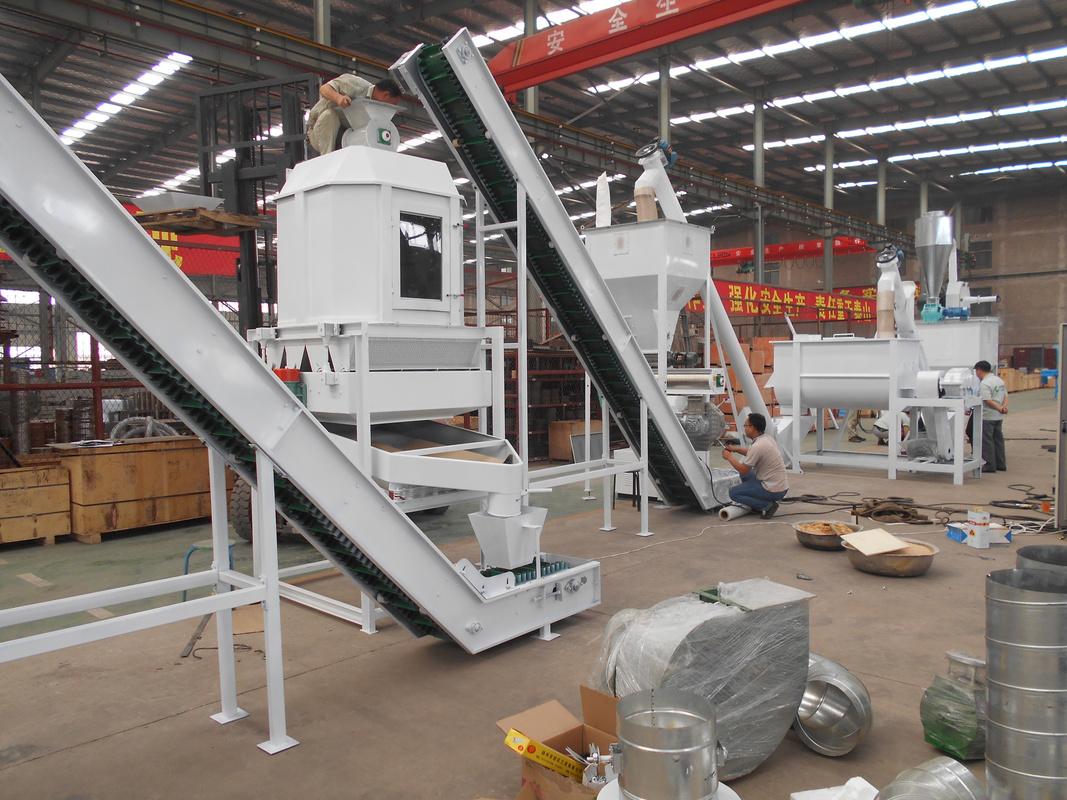
Fertigungsqualität und Kapazitäten
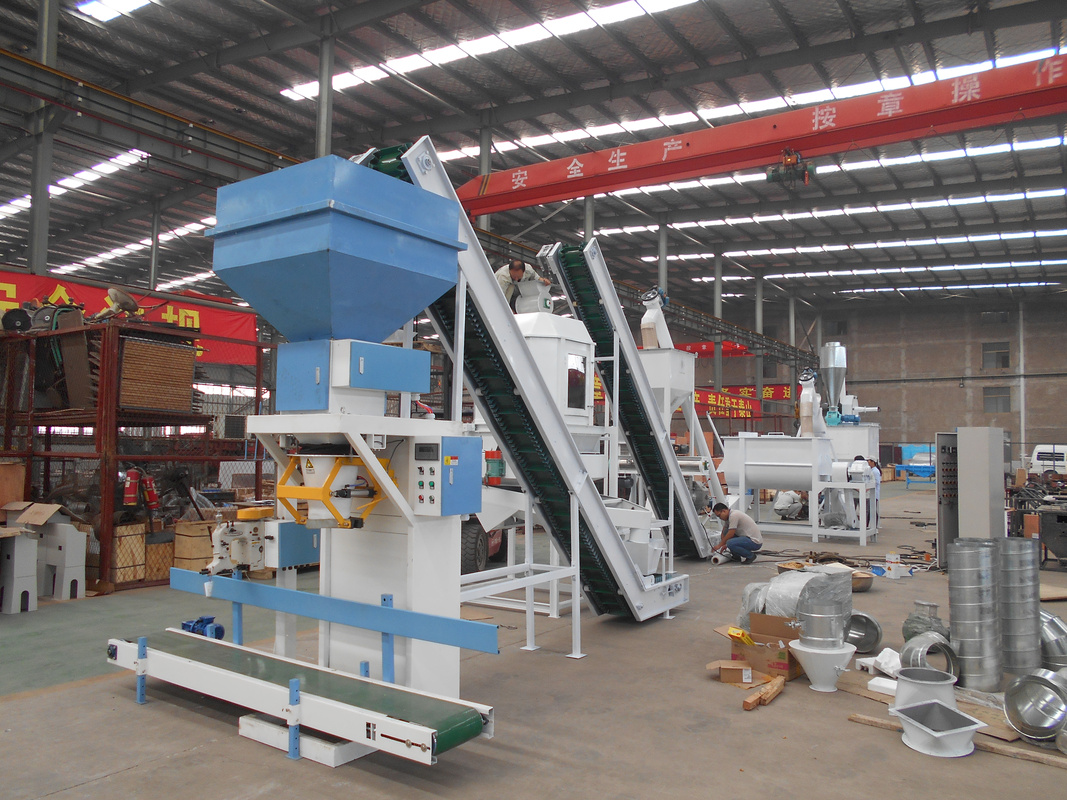
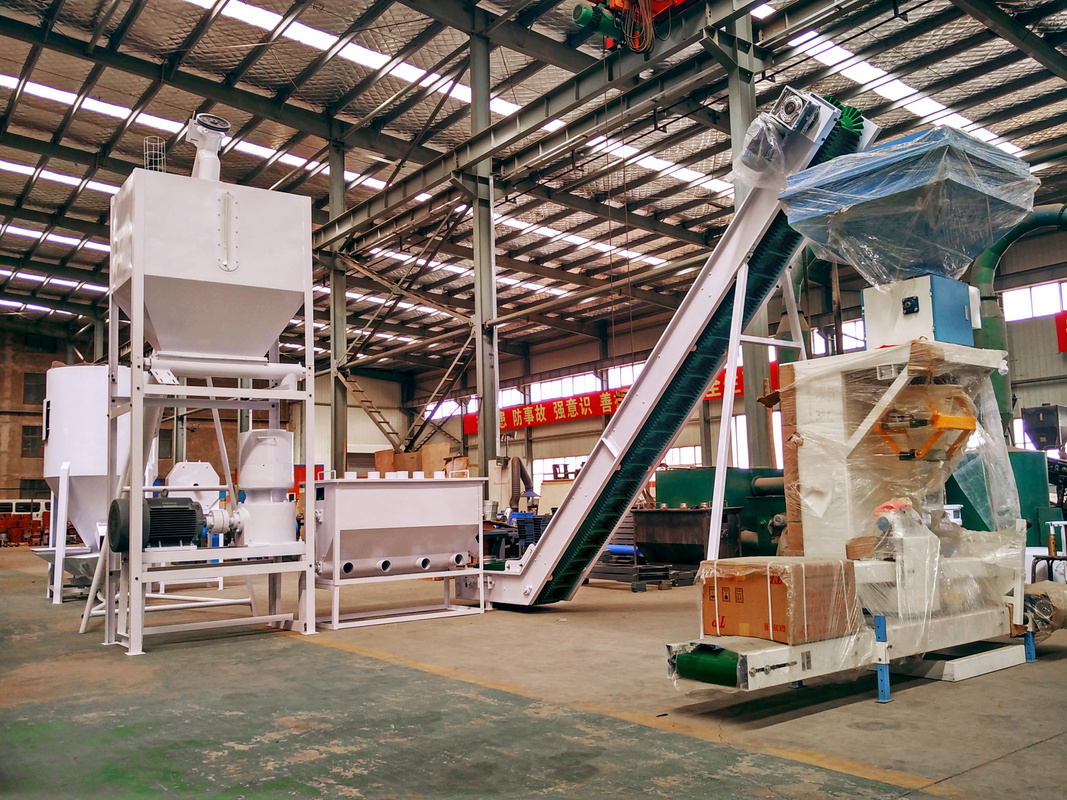
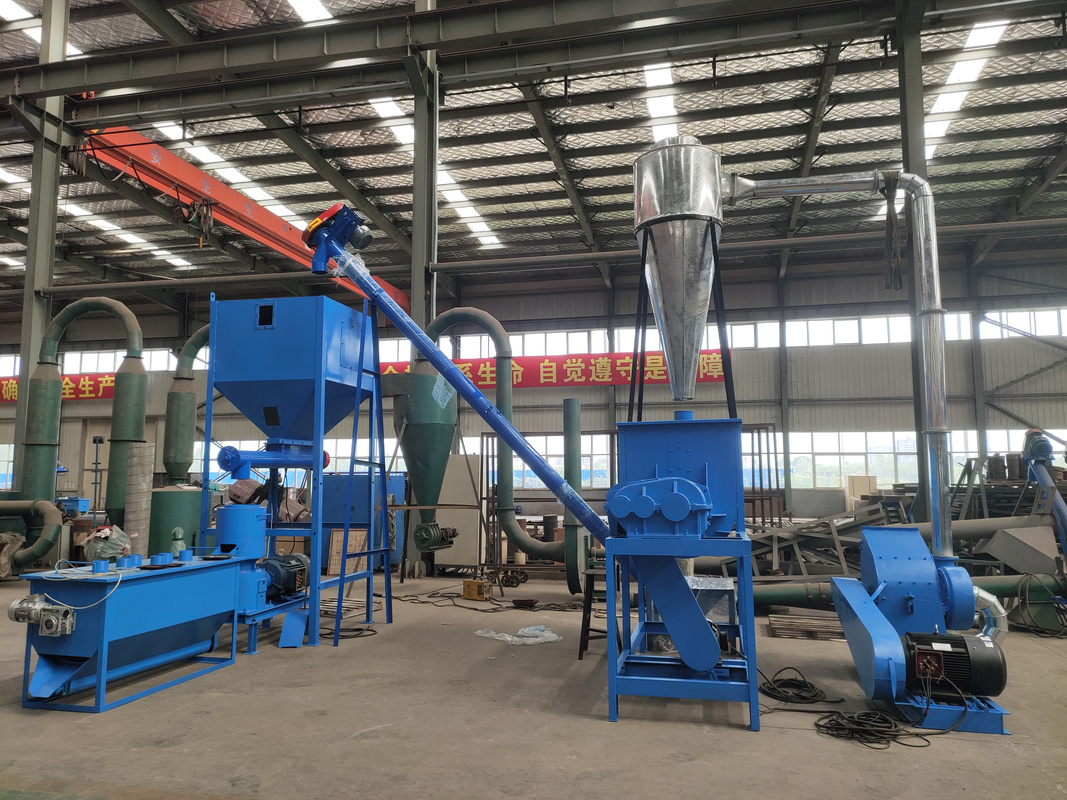
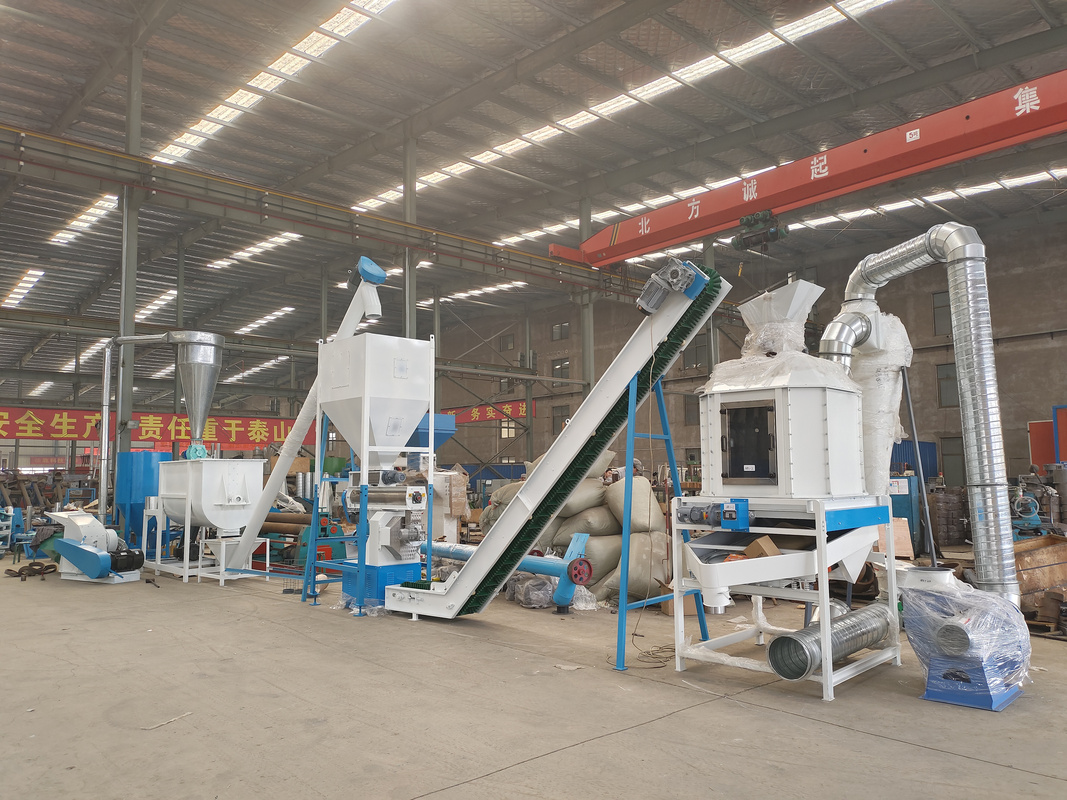
Für große Produktionsleistungen ausgelegt. Werfen Sie einen Blick in unsere Fertigungsstätte, in der präzise Metallurgie, moderne Fertigungsverfahren und strenge Qualitätskontrollen zusammenwirken, um Biomasse-Pelletieranlagen auf internationalem Niveau herzustellen. Von der Schwerzerspanung bis zur automatisierten Fertigung gewährleisten unsere Einrichtungen die auf 5 Jahre ausgelegte mechanische Beständigkeit jeder TCPEL-Maschine.



×
![Vergrößerte Aufnahme der Fertigungsstätte]()
Beschaffungsleitfaden – Preisfaktoren, Lieferzeit, FOB-Bedingungen und Kundendienst
Die Preise für Pelletpressen variieren stark – von Flachmatrizenmodellen im Werkstattmaßstab für $8.000’s bis zu $1.8M für eine komplette Ringmatrizen-Pelletieranlage mit 20 t/h. Statt einzelne Preisangaben zu veröffentlichen, die eher verwirren als informieren, zeigt der nachstehende Rahmen, welche Faktoren die Position einer bestimmten TCPEL-Anlagenkonfiguration innerhalb dieser Spanne bestimmen.
Rahmen der Preisfaktoren
- Leistungsbereich (einer der wichtigsten einzelnen Preisfaktoren1) – Werkstattmaßstab (100–900kg/h), mittlere Industriestufe (1–4t/h), komplette Pelletieranlage (5–20t/h). Jeder Schritt in den nächsten Bereich erhöht die Investitionskosten um den Faktor 4–8.
- Matrizengeometrie – Ringmatrizen-Pelletpressen sind bei vergleichbarer Durchsatzleistung teurer als Flachmatrizen-Pelletpressen, bieten jedoch eine längere Matrizenstandzeit und eine gleichmäßigere Ausbeute.
- Antriebsart – Elektromotor (niedrigste Energiekosten bei vorhandenem Netzanschluss), Dieselmotor (Aufpreis für netzunabhängigen Betrieb), Zapfwelle (spezielle landwirtschaftliche Anwendungen).
- Automatisierungsgrad – Manuelle gegenüber hydraulischer Einstellung des Pressrollenspalts; einfacher Einfülltrichter gegenüber SCADA-integrierter Konditionierung.2 Jede zusätzliche Automatisierungsstufe erhöht den Preis um 8–15 %.
- Anlagenumfang – Einzelne Pelletpresse gegenüber kompletter Anlage (Hacker + Hammermühle + Trockner + Pelletpresse + Pelletkühler + Absackung).3 Eine komplette Anlage erhöht die Kosten gegenüber der Pelletpresse um den Faktor 2,5–4.
- Werkstoffpaket – Standardmatrize aus legiertem Stahl gegenüber vakuumgehärteter Matrize für Rohstoffe mit hohem Siliziumdioxidgehalt.4 Die Matrize kostet 20–30 % mehr, hat jedoch eine proportional längere Standzeit.
- Umfang von Dokumentation, Sprachen und Zertifizierungen – CE + ISO sind standardmäßig enthalten; EAC, individuelle Übersetzungen und Inbetriebnahme vor Ort werden zusätzlich berechnet.
Lieferzeit
- Standardkonfigurationen: 25–45 Tage ab Bestellung, FOB Qingdao
- Individuelle Anlagenprojekte: 60–90 Tage für Planung, Fertigung, Werksabnahme und Verpackung
- Komplette Pelletieranlagen: 90–150 Tage, abhängig von Umfang und Automatisierungstiefe
Versand & Incoterms
- FOB Qingdao: Standardbasis für Angebote. Der Käufer trägt die Verantwortung für die internationale Fracht ab dem Hafen in Shandong.
- CIF Bestimmungshafen: Auf Anfrage für jeden Hafen weltweit verfügbar; die Frachtkosten werden der Rechnung hinzugefügt.
- Containerbeladung: Pelletpressen im Werkstattmaßstab und der mittleren Industriestufe werden in 20-Fuß- oder 40-Fuß-Containern versandt; komplette Anlagen werden auf mehrere Container verteilt.
Zahlungsbedingungen
Standardbedingungen: 30 % Anzahlung per T/T bei Bestellung, 70 % Restzahlung gegen eine Kopie des B/L oder vor dem Versand. Akkreditivbedingungen sind für Bestellungen über $80,000 verfügbar. Für große schlüsselfertige Projekte können individuelle Zahlungspläne vereinbart werden.
Kundendienstpaket
- 12 Monate Garantie auf die Grundkonstruktion der Pelletpresse und den Elektromotor (ausgenommen Verschleißteile bei bestimmungsgemäßem Gebrauch)
- Lebenslange Ersatzteilversorgung – TCPEL hält Matrizen, Pressrollen, Lager und Getriebe für alle aktuellen und früheren Modelle vorrätig
- Video-Fernsupport bei der Inbetriebnahme – Live-Fehlerbehebung per Videoverbindung während der Installation und der ersten 30 Betriebstage
- Entsendung eines Servicetechnikers – Verfügbar für die Inbetriebnahme von Projekten und umfangreiche Instandhaltungsarbeiten; die Kosten richten sich nach der Zielregion
- Schulung des Bedienpersonals – Schulung vor dem Versand am Standort Zhangqiu (Besuch des Käuferteams) oder Videoschulungspaket nach dem Versand
- Einladung zur Werksprüfung – Käufer können die 20,000m2 große TCPEL-Fertigungsstätte in Shandong vor der Vergabe großer Aufträge besichtigen
Für ein vollständig ausgearbeitetes Angebot, das Ihre gewünschte Durchsatzleistung, Ihren Rohstoff, Ihre Zertifizierungsanforderungen, den Bestimmungshafen und den erforderlichen Automatisierungsgrad berücksichtigt, senden Sie uns Ihre Projektparameter.
Sind Sie bereit für ein detailliertes Angebot auf Grundlage Ihrer Projektparameter?
Tools für Projektplanung und Anlagenkonstruktion
Nutzen Sie unsere eigenen Rechner und Zuordnungsalgorithmen, um Ihre Biomasse-Pelletproduktionsanlage mit industrieller Präzision zu planen.
TCO-Rechner für Pelletieranlagen über 5 Jahre
Schätzen Sie die Gesamtbetriebskosten einer industriellen Biomasse-Pelletpresse unter Berücksichtigung von Investitionskosten, Energie, Verschleißteilen, Personal und Wartung.
Rechner starten5-Signale-Schnellcheck für Rohstoff und Matrize
Geben Sie die Kennwerte Ihres Rohstoffs ein, um vor einer Angebotsanfrage die Matrizenstandzeit, das empfohlene Verdichtungsverhältnis und das Konfigurationsrisiko abzuschätzen.
Schnellprüfung startenAusbaustufen-Finder für Investitionen in Pelletieranlagen
Ordnen Sie Ihr Budget und Ihre gewünschte Durchsatzleistung der passenden TCPEL-Ausbaustufe zu — Werkstatt, mittelindustrielle Anlage oder vollständige Pelletieranlage.
Passende Stufe findenHäufig gestellte Fragen — Kauf und Betrieb industrieller Pelletpressen
Eigenständige Pelletpressen von TCPEL kosten etwa $8.000 für eine Flachmatrizenanlage im Werkstattmaßstab bis $250.000+ für eine Ringmatrizen-Pelletpresse mit hoher Durchsatzleistung. Komplette Produktionslinien einschließlich Trocknung, Vermahlung, Pelletierung, Kühlung und Absackung kosten je nach Durchsatzleistung und Automatisierungsgrad zwischen $80.000 und $1,8 Millionen. Maßgeblich für die Kosten sind vor allem die Kapazitätsstufe, die Matrizenbauform, der Automatisierungsgrad und der Anlagenumfang. Senden Sie uns Ihre Projektparameter, um ein individuell abgestimmtes Angebot zu erhalten.
Die Rentabilität hängt von drei Hauptvariablen ab: den Rohstoffkosten, dem Verkaufspreis der Pellets im Zielmarkt und den Energiekosten am Anlagenstandort. Betriebe im Werkstattmaßstab, die lokal an Heizkunden verkaufen, erzielen häufig die kürzeste Amortisationszeit — oft innerhalb von 12-24 Monaten —, da sie Kosten für Langstreckentransporte und Zertifizierungen vermeiden. Mittelgroße Industrieanlagen für regionale B2B-Kunden amortisieren sich üblicherweise innerhalb von 24-48 Monaten. Exportorientierte ENplus-Anlagen für Nordeuropa haben eine längere Amortisationszeit (36-60 Monate), erzielen jedoch höhere absolute Erträge. Die große Spanne in öffentlich verfügbaren Analysen zeigt, wie projektspezifisch die Antwort ist — fordern Sie für Ihre Situation eine individuelle TCO-Analyse an.
Nutzen Sie die oben stehende 5-Signale-Entscheidungsmatrix für Rohstoff und Maschine. Die 5 Eingangsgrößen sind Feuchtegehalt, Ligninanteil, Härte-/Siliziumdioxidgehalt, gewünschte Pelletdichte und gewünschte Durchsatzleistung. Sie bestimmen die Matrizenbauform, den Trocknungsbedarf, die Motorleistung und die Ausbaustufe der Pelletpresse. Die Ingenieure von TCPEL prüfen Ihren spezifischen Rohstoff anhand der Matrix und empfehlen Ihnen vor der Angebotserstellung eine geeignete Anlagenkonfiguration.
Rohstoffe: Zu den geeigneten Ausgangsmaterialien zählen Holzabfälle aus Haushalten und dem Bauwesen: Sägemehl und Hackschnitzel, Hartholz- und Nadelholzreste, Reisspelzen, Stroh - Weizen / Mais / Reis, Zuckerrohrbagasse, Palmkernschalen, Fasern leerer Palmfruchtbündel (EFB), Luzerne, Hopfen, Blätter, Baumwollstängel sowie Rohstoffe einschließlich zertifizierter Ausgangsmaterialien für organischen Dünger. Für jeden Rohstoff gelten unterschiedliche Verdichtungsverhältnisse der Matrize und Anforderungen an die Konditionierung. Durch die Mischung von Rohstoffen können Pelletpressen mit vertikaler Ringmatrize und bestimmten Vorbehandlungsanlagen mehrere Rohstoffarten verarbeiten.
Der wichtigste Einflussfaktor auf die Standzeit der Matrize ist die Abrasivität des Rohstoffs; im Allgemeinen liegen Sägemehl aus Nadelholz und saubere Hackschnitzel im Bereich von 1.800–2.400 Stunden, Harthölzer und Holzmischungen mit 1.200–1.800 Stunden etwas darunter und aschereiche landwirtschaftliche Reststoffe (beispielsweise Reisspelzen) mit 600–900 Stunden noch niedriger. Vakuumgehärtete Matrizen erhöhen die Standzeit bei Anwendungen mit hohem Siliziumdioxidgehalt um 30–50 %, kosten jedoch 20–30 % mehr als Standardmatrizen.
Die ENplus-Zertifizierung gilt ausschließlich für das Pelletprodukt, während DIN+ sowohl das Produkt als auch die Pelletpresse zertifiziert. Ringmatrizen-Pelletpressen von TCPEL sind für Matrizen mit geschlossenem Lochbild, eine gezielte Rohstoffkonditionierung und eine integrierte Kühlung ausgelegt; all diese Merkmale sind erforderlich, um bei einem Betrieb innerhalb der konstruktiv vorgegebenen Betriebsgrenzen und mit geeignetem Ausgangsmaterial Pellets der Qualitätsklasse ENplus A1 herzustellen (Feuchtegehalt 10 %, Aschegehalt 0,7 %, mechanische Festigkeit 97,5 %). Mehrere Anlagen unserer Kunden produzieren derzeit ENplus-zertifizierte Pellets. Auf Anfrage stellen wir Ihnen die für diese Zertifizierungen verwendete Checkliste zur Verfügung.
Mechanische Festigkeit: Bislang hat TCPEL Anlagen in über 60 Länder geliefert, mit Schwerpunkt auf Deutschland, Finnland, Russland, Südkorea, Pakistan, Indien, Bangladesch, Vietnam, Malaysia und der Türkei. Wir exportieren in alle wichtigen Regionen, darunter: Nordamerika, Lateinamerika, Europa, MENA, Afrika südlich der Sahara, Südasien, Südostasien, Ozeanien. Darüber hinaus bieten wir EAC-Zertifizierungsoptionen für Mitglieder der EAEU sowie die CE-Kennzeichnung für Mitglieder des EWR an. Fragen Sie uns nach der Kombination aus Ihrem Land und Zielhafen.
Produktgarantie: ein Jahr ab B/L-Datum auf Hauptkonstruktion, Hauptmotor und Getriebe bei bestimmungsgemäßem Gebrauch. Verschleißteile: Für Matrize, Pressrolle und Lager gilt eine separate Garantie auf Herstellungsfehler; Schätzwerte zur Matrizenstandzeit nach Rohstoffart sind hierin enthalten. Für jedes aktuelle und ältere Modell halten wir Ersatzteile dauerhaft auf Abruf vor; die Lieferung per Luftfracht ab Hersteller dauert üblicherweise 3–5 Wochen.
Über diesen Leitfaden für industrielle Pelletpressen
Diese Übersicht wurde vom Lösungstechnik-Team von TCPEL erstellt und berücksichtigt unsere Erfahrung aus 5+ Jahren gezielter Anlageninnovation für die professionelle Biomassepelletproduktion seit 2020. Die hierin genannten Schätzwerte zur Durchsatzleistung, Matrizenstandzeit und TCO-Entwicklung basieren auf unserer Betriebserfahrung in 60+ Ländern und den im Abschnitt Quellen zitierten öffentlich verfügbaren Branchenquellen. Die Wirtschaftlichkeit einzelner Projekte kann je nach lokalen Rohstoffpreisen, Energiepreisen und Pelletwert stark variieren; fordern Sie daher einen projektspezifischen TCO-Vorschlag an.
Sind Sie bereit, Ihre Pelletpresse auszulegen?
Übermitteln Sie Angaben zu Rohstoff, gewünschter Durchsatzleistung und Zielhafen; unser Engineering-Team erstellt Ihnen innerhalb eines Werktags eine auf 5 Signalen basierende Anlagenkonfiguration und ein formelles Angebot.
Detailliertes Angebot anfordern