Kontakt mit TCPEL aufnehmen
Industrieller Rotationstrockner für Biomasse, Hackschnitzel und Schüttgut — Systeme mit Ein- und Dreifachdurchlauf
Industrielle Rotationstrockner zur Reduzierung des Feuchtegehalts nasser Rohstoffe von 50 % auf 15 % mit 14 bewährten Modellen von 0.07 bis 6 T/H für Biomasse-Pelletieranlagen, die Sandaufbereitung und die Schüttguttrocknung.
- 60+ Exportländer
- 14 verfügbare Modelle
- 20.000 m² große Fertigungshalle
- 100+ Fachkräfte in der Fertigung
- Seit 2020
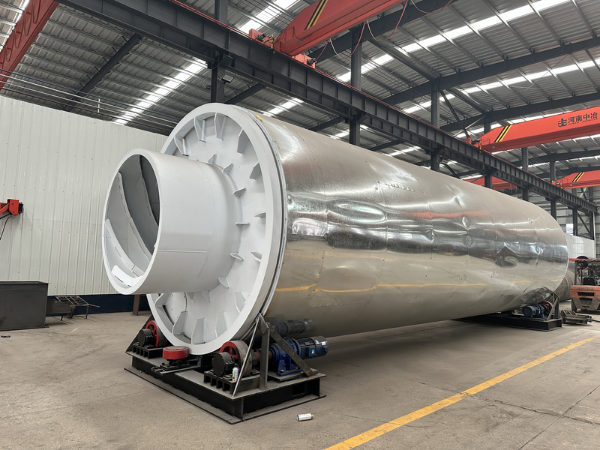

Nasse Biomasse im industriellen Maßstab trocknen — warum Ihr aktueller Prozess Ihre Marge aufzehrt
Industrielle Rotationstrockner lösen ein dauerhaftes wirtschaftliches Problem: Nasse Rohstoffe beeinträchtigen die Wirtschaftlichkeit nachgeschalteter Prozesse erheblich. Ein Rotationstrockner ist eine rotierende Trommel, in der Hubschaufeln das feuchte Material durch einen von der Brennkammer eines Brenners erzeugten Heißgasstrom führen und dadurch die Wärmeübertragung zwischen Trocknungsluft und den in der Trommel getrockneten Feststoffpartikeln erhöhen.
Die Kosten sind umfassend dokumentiert, und die Einsparungen sind unbestreitbar. Bei Hackschnitzeln mit einem Feuchtegehalt von 45 Prozent beträgt der maximale Kesselwirkungsgrad mit herkömmlicher Ausrüstung etwa 74 Prozent. Verbrennt dieselbe Ausrüstung Holz mit einem Feuchtegehalt von 10 bis 15 Prozent, steigt der Wirkungsgrad auf etwa 80 Prozent.
Diese Differenz von 6 Prozent kann darüber entscheiden, ob sich die Investitionskosten einer Pelletieranlage planmäßig amortisieren oder ob sie den ganzen Tag latente Wärmeverluste verursacht.
Die ROI-Kette der Trocknung
Die Senkung des Feuchtegehalts von Biomasse auf 10-15 % erhöht den Heizwert von durchschnittlich 2 kWh/kg auf nahezu 4,5 kWh/kg – eine Steigerung des Energiegehalts pro T/P um 125 Prozent. Dieser Trocknungsschritt erhöht die nutzbare Energie der Biomasse von 8 MMBtu/ton auf 12 MMBtu/ton, reduziert das Transportgewicht und stoppt Schimmel und Fäulnis, die die Lagerfähigkeit frischer Hackschnitzel auf nur vier Monate begrenzen.
Welche Probleme ein industrieller Rotationstrockner tatsächlich löst
- Schwankender Feuchtegehalt des Rohstoffs – der Ausstoß von Sägewerken schwankt je nach Herkunft, Jahreszeit und Lagerung zwischen 35 % und 55 %. Ein Rotationstrockner stabilisiert unter realen Betriebsbedingungen das Eingangsmaterial für Ihre Pelletpresse, Brikettpresse oder Ihren Kessel.
- Kapazitätsengpässe – Rotationstrockner bieten unter den kontinuierlichen Trocknungslösungen für Biomasse die höchste Kapazität, vertragen Rauchgas mit den höchsten Einlasstemperaturen und akzeptieren Partikelschwankungen, die einen Stromtrockner verstopfen würden.
- Nachteile bei Lagerung und Logistik – frische Hackschnitzel verklumpen in ungedämmten Behältern und frieren im Winter an Lkw-Aufbauten fest. Das getrocknete Produkt lässt sich leichter fördern, mit geringerem Gewicht versenden und wiederholt zuverlässig lagern.
Rotationstrockner von TCPEL — TCG mit Ein- und TCSG mit Dreifachdurchlauf
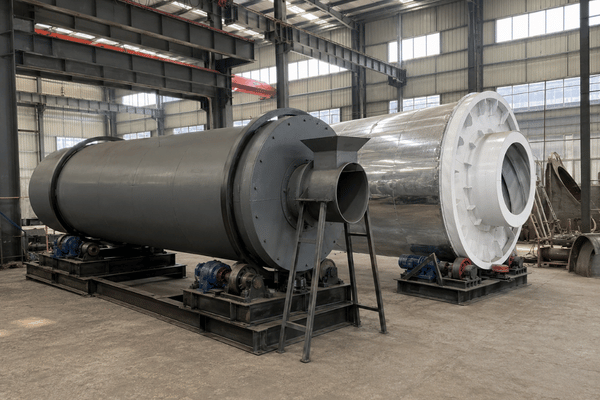
TCPEL bietet zwei sich ergänzende Produktfamilien: die TCG-Rotationstrockner mit Einzeldurchlauf für bekannte, gleichmäßige Rohstoffströme und die TCSG-Rotationstrockner mit Dreifachdurchlauf für Standorte mit hoher Materialfeuchte, unregelmäßigem Rohstoff oder begrenztem Platz. Beide sind je nach Wärmeempfindlichkeit mit direkten oder indirekten Wärmequellen sowie im Gleich- oder Gegenstrom erhältlich.
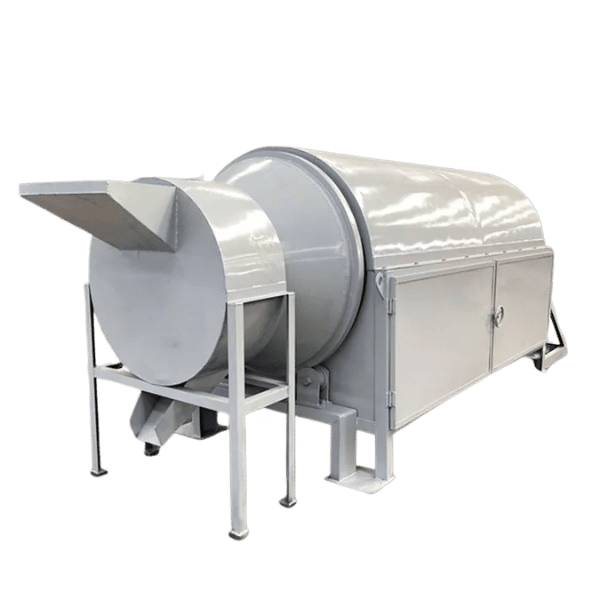
TCG-Baureihe mit Einzeldurchlauf
Robuster, direkt beheizter Rotationstrockner zur Maximierung der Durchsatzleistung bei gleichmäßigen Rohstoffbedingungen. Geringere Investitionskosten / ton, kürzere Stillstandszeiten, höhere Zuverlässigkeit.
Modelle
8 (TCG0.8 → TCG2.2)
Innendurchmesser
800 – 2.200 mm
Verdampfungsleistung
0,07 – 2,2 T/H
Antriebsleistung
4 – 72 kW
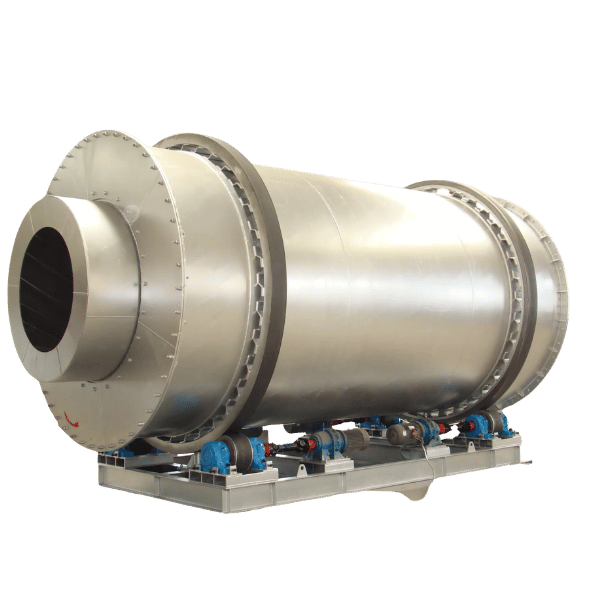
TCSG-Baureihe mit Dreifachdurchlauf
Drei konzentrische Zylinder reduzieren den Feuchtegehalt von 50 % auf 15 %. Die kompakte Konstruktion verringert die Abmessungen und ist für „unvorhersehbare Rohstoffstandards“ ausgelegt. Konzipiert für Biomasseanwendungen mit stärker schwankenden Rohstoffen und engeren Platzverhältnissen.
Modelle
6 (TCSG10 → TCSG60)
Max. Trommelmantel
Φ3300 × 12420 mm
Produktionsleistung
1 – 6 T/H
Ventilatorleistung
15 – 90 kW
Vollständige technische Daten der TCG-Baureihe mit Einzeldurchlauf
| Modell | Innen-Ø (mm) | Länge (mm) | Antrieb (kW) | Ventilator (kW) | Verdampfungsleistung (T/H) | Gewicht (Tonnen) |
|---|---|---|---|---|---|---|
| TCG0.8×10m | 800 | 10,000 | 4 | 11 | 0.07–0.15 | 3 |
| TCG1.0×10m | 1,000 | 10,000 | 5.5 | 11 | 0.10–0.23 | 4.6 |
| TCG1.2×10m | 1,200 | 10,000 | 5.5 | 15 | 0.25–0.35 | 5.6 |
| TCG1.4×10m | 1,400 | 10,000 | 5.5 | 15 | 0.25–0.50 | 7.8 |
| TCG1.6×22m | 1,600 | 22,000 | 11 | 37 | 0.80–1.20 | 19.7 |
| TCG1.8×22m | 1,800 | 22,000 | 15 | 45 | 0.90–1.50 | 27.8 |
| TCG2.0×22m | 2,000 | 22,000 | 45 | 45 | 1.00–1.80 | 30.9 |
| TCG2.2×22m | 2,200 | 22,000 | 72 | 75 | 1.20–2.20 | 34 |
Alle Angaben stammen aus dem TCPEL-Werksdatenblatt. Die Verdampfungsleistungen setzen eine direkt beheizte Anlagenkonfiguration und einen Soll-Feuchtegehalt von 50 % auf Nassbasis voraus.
Vollständige technische Daten der TCSG-Baureihe mit Dreifachdurchlauf
| Modell | Trommelmantel | Antriebsmotor (kW) | Ventilator (kW) | Eingangsfeuchte | Restfeuchte | Produktionsleistung (T/H) |
|---|---|---|---|---|---|---|
| TCSG10 | Φ2000×5840 | 4×2 = 8 | 15 | 50% | 15% | 1 |
| TCSG20 | Φ2300×7340 | 5.5×2 = 11 | 22 | 50% | 15% | 2 |
| TCSG30 | Φ2400×10460 | 4×4 = 16 | 45 | 50% | 15% | 3 |
| TCSG40 | Φ2800×10460 | 4×4 = 16 | 55 | 50% | 15% | 4 |
| TCSG50 | Φ2950×12420 | 5.5×4 = 22 | 75 | 50% | 15% | 5 |
| TCSG60 | Φ3300×12420 | 5.5×4 = 22 | 90 | 50% | 15% | 6 |
Jedes installierte TCSG-System umfasst eine Einzugs-Förderschnecke, eine Zyklongruppe, ein Staubsammelsilo, eine Zellenradschleuse, Luftleitungen und einen integrierten Schaltschrank.
Auslegungshinweis für Einkaufsteams
Die meisten Anfragen zu Pelletieranlagen aus unseren Regionen Indien, Deutschland und Vietnam betreffen das Kapazitätsband der Modelle TCG1.6×22m oder TCSG10-TCSG20 für eine Anlagenkonfiguration mit 2 T/H, der häufigsten Größenordnung für neue Biomasseanwendungen. Wenn Ihre Rohstoffversorgung etwa 600 m³/Monat beträgt oder Ihre gewünschte Durchsatzleistung im Bereich von 1–3 T/H liegt, decken diese drei Modelle ~80 % der von uns gelieferten vergleichbaren Anwendungen ab.
Einfach- oder Dreifachdurchlauf — welcher Rotationstrockner passt zu Ihrer Anwendung?
Die Wahl zwischen einem Rotationstrockner mit Einfachdurchlauf und einem Rotationstrockner mit Dreifachdurchlauf ist keine einfache Abwägung zwischen Preis und Qualität. Jede Bauart löst ein anderes Problem, und eine falsche Wahl führt entweder zu unnötigen Investitionskosten — wenn ein überdimensionierter Dreifachdurchlauftrockner für eine gleichmäßige Anwendung mit Einfachdurchlauf eingesetzt wird — oder zu schwankender Restfeuchte, wenn ein Einfachdurchlauftrockner mit variablem Rohstoff überfordert ist.
Ein bereits erwähnter Nachteil herkömmlicher Rotationstrockner mit Einfachdurchlauf besteht darin, dass lange Verzögerungszeiten in einer durchgehenden Trommel die Einhaltung eines engen Feuchtebereichs erheblich erschweren. Das Dreifachdurchlaufkonzept behebt dieses Verzögerungsproblem. Indem die Partikel in drei ineinanderliegenden Zylindern mit zunehmendem Durchmesser in Schwebe gehalten werden – wobei die Luftgeschwindigkeit entsprechend abnimmt -, gelangen größere Partikel erst nach Erreichen eines vorgegebenen Trocknungsgrads in den nächsten Durchlauf.
Entscheidungsmatrix: Einfach- oder Dreifachdurchlauf
| Kriterium | TCG mit Einfachdurchlauf | TCSG mit Dreifachdurchlauf |
|---|---|---|
| Stellfläche pro ton/hr | 10 m × Ø1.0–1,4 m (klein) / 22 m × Ø1.6–2,2 m (groß) | ~50 % kleiner — 3 ineinanderliegende Zylinder statt 1 langer Trommel |
| Zulässige Eingangsfeuchte | ≤45 % (funktioniert am besten mit vorgesiebtem Rohstoff) | Bis zu 55 % (für Rohstoffe mit hohem Feuchtegehalt ausgelegt) |
| Genauigkeit der Feuchteregelung | ±3 % bei gleichmäßiger Aufgabe | ±1,5 % — Partikel gelangen erst nach Erreichen des festgelegten Trocknungsgrads weiter |
| Verweilzeit | ~20–40 min (ein langer Durchlauf) | ~10–20 min (drei kürzere Durchläufe, geringeres Übertrocknungsrisiko) |
| Wärmeübertragungswirkungsgrad | Standardwirkungsgrad bei direkter Beheizung | Höher — Wärme wird vor dem Abgas über 3 Durchläufe erneut genutzt |
| Am besten geeignete Rohstoffe | Sand, Schlacke, getrockneter Schlamm, gleichmäßige Partikel | Hackschnitzel, Sägemehl, Bagasse, landwirtschaftliche Reststoffe, Biomasse |
| Investitionskosten (relativ) | Basiswert | ~20–30 % höher pro ton/hr |
| Wartung | Einfacher — ein Zylinder, ein Antriebsstrang | Aufwendiger — drei konzentrische Trommeln erfordern koordinierte Inspektionen |
| Erwartete Nutzungsdauer | 15+ Jahre mit Überholungszyklen | 12+ Jahre (mehr rotierende Masse, häufigere Inspektionen) |
“In über 60 Exportmärkten haben wir die Trockner von TCPEL für alles eingesetzt – von Kiefernsägemehl mit hohem Feuchtegehalt direkt aus dem Hacker bis hin zu dichten Agrarkunststoffen mit saisonal schwankenden Eigenschaften. Wenn Ihr Rohstoff bereits vorgesiebt, homogen und berechenbar ist, reicht ein Durchlauf aus. Die Dreizugausführung rechtfertigt die zusätzlichen Investitionskosten, wenn die Eingangsfeuchte von Woche zu Woche schwankt, was unserer Erfahrung bei fast jeder Pelletieranlage entspricht, die wir in Südostasien + Osteuropa bauen.”
Praktische Entscheidungslogik für die Auswahl
01
Wenn Ihr Rohstoff aus Hackschnitzeln oder Sägemehl besteht und die Eingangsfeuchte der Biomasse gegenüber der Vorwoche um mehr als 5 % schwankt, wechseln Sie einfach zum TCSG mit Dreifachdurchlauf. Der TCSG mit Dreifachdurchlauf ist wirtschaftlicher, weil der Vorteil einer gleichmäßigeren Restfeuchte an der Pelletpresse (weniger Ausschusschargen, Anlagenstillstände und Ascheschwankungen) die Differenz der Investitionskosten innerhalb von 18-24 Monaten übersteigt.
02
Für Sand, Schlacke, Gips oder vorgesiebte mineralische Materialien mit gleichmäßiger Eingangsfeuchte eignet sich der TCG mit Einfachdurchlauf. Die längere Verweilzeit dieses einzelnen Durchlaufs ist besonders vorteilhaft, wenn eine lange Verweilzeit gewünscht ist und keine Gefahr der Übertrocknung besteht.
03
Wenn die Stellfläche begrenzt ist (typischerweise bei einer Nachrüstung, bei der eine bestehende Pelletieranlage um einen Trockner ergänzt wird), benötigt der Dreifachdurchlauf bei gleicher Kapazität nur etwa die Hälfte der Stellfläche. Das rechtfertigt seinen Einsatz an vielen unserer Standorte in Europa und Korea.
04
Wenn die Eingangsfeuchte über 50 % liegt (üblich bei frisch geerntetem Holz, Bagasse oder anderen Ernterückständen), entfernt der erste schnelle Durchlauf der Dreifachdurchlaufkonstruktion zunächst den Großteil der Feuchtigkeit, bevor das Material verlangsamt und in den schonenderen Außenzylindern weiterbehandelt wird.
Leistung und Kapazität — Verdampfungsleistungen der 14 TCPEL-Modelle
Die Verdampfungsleistung und nicht die Nennkapazität für Synthesegas entscheidet darüber, ob ein Rotationstrockner mit der Durchsatzleistung der Produktionslinie Schritt halten kann. Eine Trommel kann mit der richtigen Drehzahl pro Minute rotieren und eine Pelletieranlage dennoch ausbremsen, wenn ihre volumetrische Verdampfungsleistung unter der Aufgaberate des nassen Rohstoffs liegt. Jedes TCPEL-System wird zuerst nach dem Verdampfungsbedarf des Rohstoffs und erst danach nach der Kapazität ausgelegt.
Verdampfungsdichte der gesamten Modellpalette
Branchenwerte beziffern die volumetrische Verdampfungsleistung von Rotationstrocknern auf etwa 13,9 kg Wasser pro Kubikmeter Gesamttrocknervolumen je Stunde; bei optimal eingestelltem Bettvolumen werden bis zu 78,8 kg/m³ h erreicht.
Bei einem TCSG40 mit 2800 × 10.460 mm (Gesamttrommelvolumen etwa 64 m³) beträgt sie 2800 kg/h und damit etwa 43,75 kg/m³ h—deutlich mehr als der Branchendurchschnitt bezogen auf das Gesamtvolumen und bereits nahe an den Werten für das Bettvolumen.
Was das in der Praxis bedeutet
Ein TCSG40 in einer typischen vietnamesischen Pelletieranlage verarbeitet etwa 4 T/H Sägemehl mit 50 % Eingangsfeuchte, indem er pro Stunde 2,800kg Wasser entfernt. Bei einer Beheizung mit 80 Kcal pro kg Wasser ergibt sich eine thermische Last von etwa 224.000 Kcal/hour.
Wird das System mit 60.000 Kcal pro kg Wasser beheizt, sind das nur etwa 168.000 Kcal pro Stunde—eine erhebliche Menge. Wählen Sie daher Ihren Heißlufterzeuger oder Ihr Abwärmerückgewinnungssystem sorgfältig aus.
Heißgas-Strömungskonfigurationen
Bei jedem TCPEL-System stehen zwei Strömungsvarianten für den Wärmetransport zwischen Brennkammer und rotierender Trommel zur Auswahl:
Gleichstrom (parallel)
Heißgas und Material strömen gleichzeitig in dieselbe Richtung. Eine Anwendung ist die Vorbehandlung wärmeempfindlicher Materialien, bei der eine schnelle anfängliche Verdampfung eine präzise Einhaltung der minimalen Restfeuchte erfordert.
Bei 70 % aller Biomasseprojekte wird Gleichstrom eingesetzt.
Gegenstrom
Das Heißgas strömt entgegen dem Materialfluss, sodass die heißeste Luft auf das trockenste Material trifft.
Statistisch effizienter und für profilierte Materialien oder harte Mineralstoffe vorgesehen, bei denen die Wärmeempfindlichkeit keine Rolle spielt.
Hubschaufeln und Verweilzeit
Jedes TCPEL-Rotationstrocknersystem enthält eine sorgfältig ausgelegte Kombination von Hubschaufeln im Trommelinneren. Kurze, aggressiv wirkende Schaufeln werden für Sand und Schlacke eingesetzt; längere, gebogene Schaufeln für holzartige Rohstoffe; entenfußförmige Schaufeln für mürbes Material, das länger im Heißgasstrom verbleiben muss.
Optionale Schaufeln sind angeschraubt, und für jedes ausgelieferte System liefern wir eine Verschleißschablone für die Hubschaufeln mit, damit Sie die Wartung vor Ort nach Ihrem Prozess und nicht nach der Verfügbarkeit Ihrer Ersatzteile planen können.
In 60+ Ländern bewährt — Trocknungslösungen für Biomasse, Hackschnitzel, Sand und mehr
Seit 2020 haben die Teams von TCPEL mehr als 60 Rotationstrocknersysteme für den Export gefertigt. Viele davon wurden in das Biomasse-Kerngebiet Deutschland, Finnland, Russland, Südkorea, Pakistan, Indien, Bangladesch, Vietnam, Malaysia und Türkei geliefert.
Unser Werk in Zhangqiu, Jinan ist eine integrierte Fertigungseinheit mit 20.000 m² Fläche, in der mehr als 100 Fachkräfte Rohbau, Antriebseinheiten und weitere Prüfungen vor dem Versand intern durchführen.
Anwendungen nach Branche
Biomassepellet- und Brennstoffproduktion
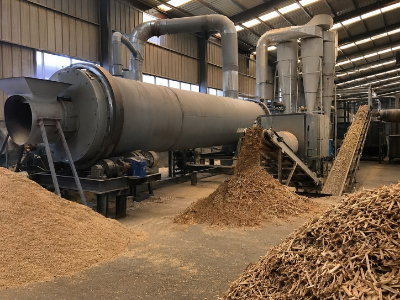
Gemessen am Volumen ist dies die wichtigste Anwendung. Die asiatische Pelletindustrie setzt nahezu ausschließlich auf Rotationstrockner, und unsere Systeme TCSG10 bis TCSG30 werden an Anlagen für Holzpellets, Sägemehlpellets und Strohpellets mit einer Produktionsleistung von 1 bis 3 T/H geliefert. Die Trocknung senkt den Feuchtegehalt roher Biomasse von typischerweise 45 bis 55 Prozent nach der Ernte auf den optimalen Bereich von 12 bis 16 Prozent, in dem Pelletpressen formstabile Pellets mit geringem Feinanteil erzeugen und Kessel ihren höchsten Wirkungsgrad erreichen. Für Anlagen mit vollständiger vorgeschalteter Aufbereitung versorgt unsere industrielle Trommelhacker-Baureihe den Trockner vom Stamm bis zum Hackschnitzel mit einer gleichmäßigen Partikelgröße.

Holzverarbeitung und Spanplattenproduktion
Die Trocknung von Hackschnitzeln für die Spanplattenproduktion erfordert einen sehr gleichmäßigen Feuchtegehalt — schwankendes Eingangsmaterial führt zu Hohlräumen in der fertigen Platte. Unsere TCSG40- bis TCSG60-Anlagen in russischen und koreanischen Spanplattenwerken halten die Restfeuchte während einer 8-Stunden-Schicht innerhalb von ±1.5 Prozent.
Trocknung von Sand, Schlacke und Mineralstoffen
Währenddessen stellte das Produkt mit 12~16 % Feuchte aus unserer TCSG40-TCSG60-Rotationstechnologie bei täglichen 15-Tonnen-Blasprojekten in Kara, Russland und China den Weltrekord für einen 8hr-Dauerbetrieb mit einer Feuchteabweichung von 1,5 % auf.

Landwirtschaft und Futtermittel
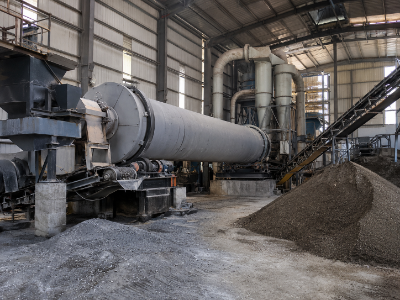
Für Letzteres ist in jeder TCG-Einzeldurchlauftrommel die ideale Auswahl des Umfangslastprofils integriert. Dank kontinuierlicher Forschung und Entwicklung sind Bausand, Gießereischlacke, Gips, Flusssand und Quarzsand allesamt tragfähige Geschäftsfelder.
ROI der Trocknung im Überblick (Branchendaten)
+50%
Steigerung der Energiedichte
(8 → 12 MMBtu/ton)
+125%
Steigerung des Heizwerts
(2 → 4,5 kWh/kg)
+6 Prozentpunkte
Steigerung des Kesselwirkungsgrads
(Feuchtegehalt 45 %→15 %: 74 % → 80 %)
~30%
Wirtschaftlichkeit getrockneter Hackschnitzel
im Produktionsmaßstab vorteilhaft
Quellen: Biomass Magazine („Watching Wood Dry“) mit Aussagen von Adam Sherman (Biomass Energy Resource Center) zum Kesselwirkungsgrad, Mark Froling (Froling Energy) zur Wirtschaftlichkeit im Produktionsmaßstab und Bertil Stromberg (VP Biofuels, Andritz Inc.) zum Heizwert. Branchenübliche Daten; der konkrete ROI eines Projekts hängt von Rohstoff, Brennstoffkosten und Anlagengröße ab — fordern Sie eine individuelle Analyse mit Ihren Betriebsparametern an.
Marktumfeld: Warum die Investitionen in Trocknungskapazitäten steigen
Für den Biomasseenergiemarkt wird ein Wachstum von USD 154,79 Milliarden im Jahr 2026 auf USD 226,67 Milliarden bis 2033 bei einer durchschnittlichen jährlichen Wachstumsrate von 5.6 Prozent prognostiziert. Der US-Inlandsabsatz verdichteter Biomassebrennstoffe lag im Oktober 2024 bei durchschnittlich etwa $236 pro Tonne, während monatlich 0,75 Millionen Tonnen exportiert wurden — ungefähr das Vierfache des monatlichen Inlandsverbrauchs. Hersteller, die diese Exportnachfrage bedienen, investieren jetzt in Kapazitäten zur Rotationstrocknung.
Möchten Sie Anlagen in Ihrer Region sehen? Wir zeigen Ihnen aktive und kürzlich realisierte TCPEL-Projekte, die zu Ihrer Anwendung passen.
Referenzliste nach Ländern anfordern →Technische Normen und Qualitätssicherung
Jedes TCPEL-Rotationstrocknersystem wird nach dokumentierten Industrienormen für die Messung des Feuchtegehalts von Biomasse, die Handhabung von Partikeln und die konstruktive Auslegung der Trommel gefertigt. Wir liefern technische Unterlagen, die auf die von Einkaufsteams am häufigsten geprüften Normen abgestimmt sind.
ASTM E871
Feuchteanalyse partikelförmiger Holzbrennstoffe
ISO 17827-1
Partikelgrößenverteilung fester Biobrennstoffe
EN 17225-4
Qualitätsnorm für Hackschnitzel als Brennstoff
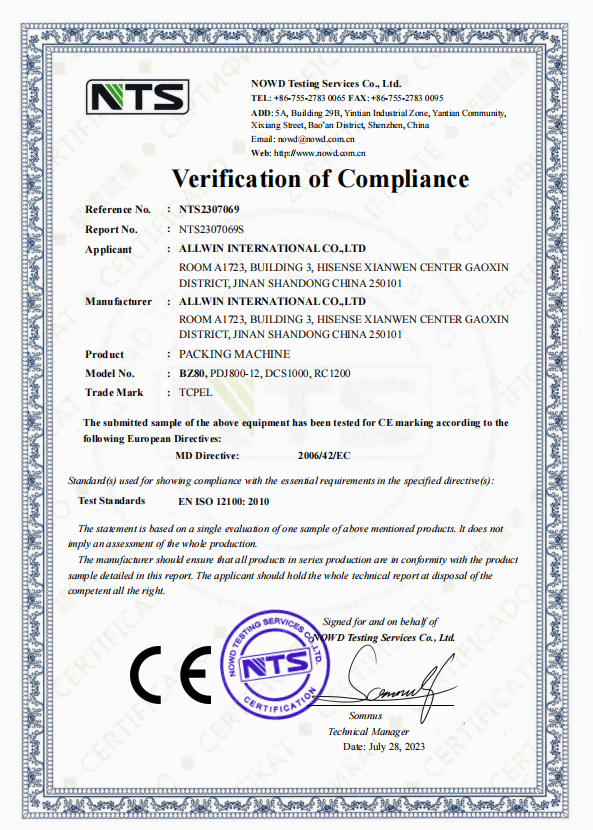
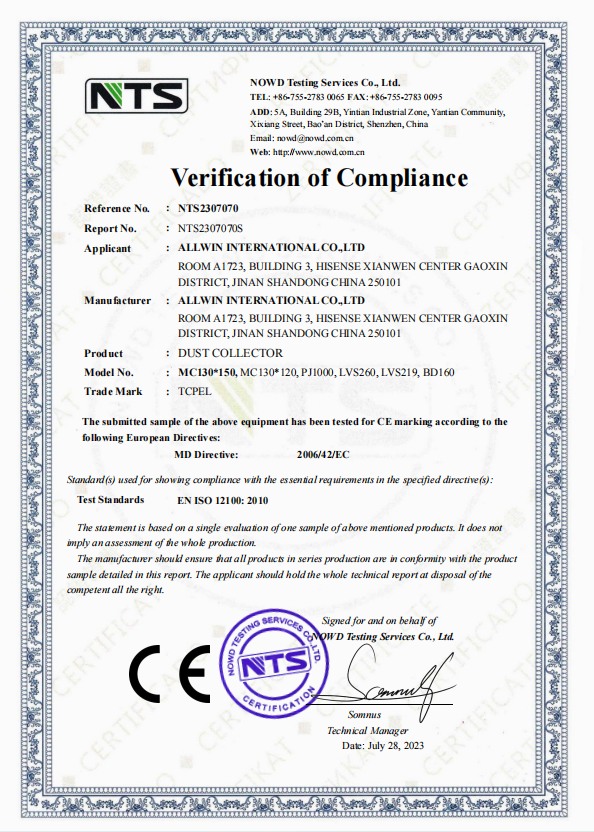
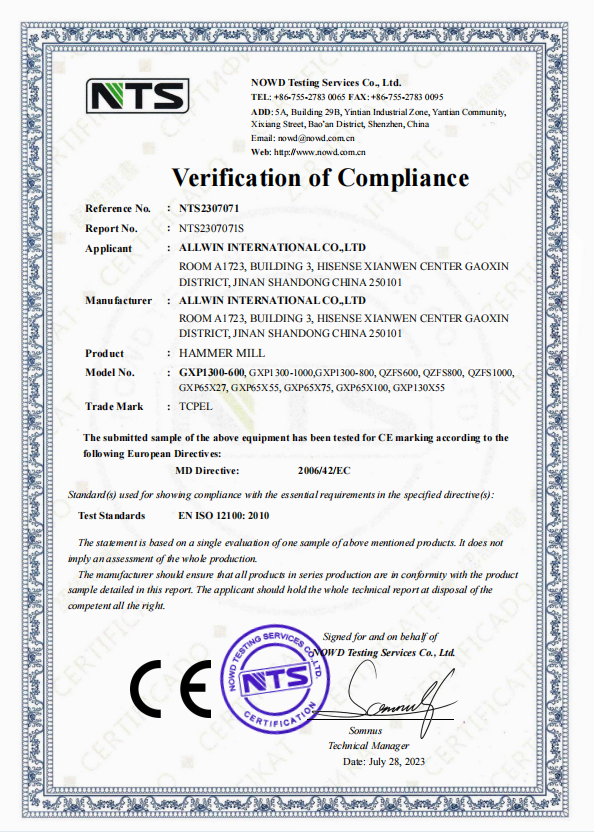
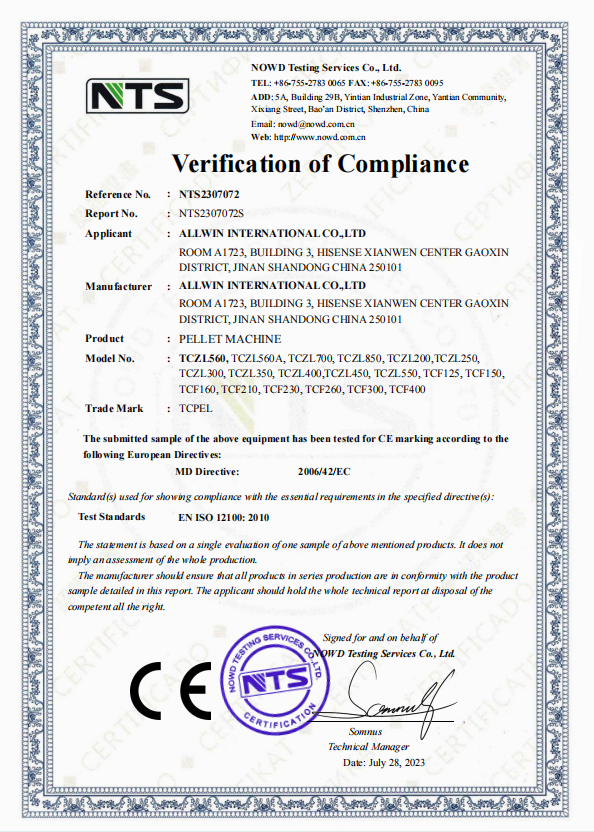
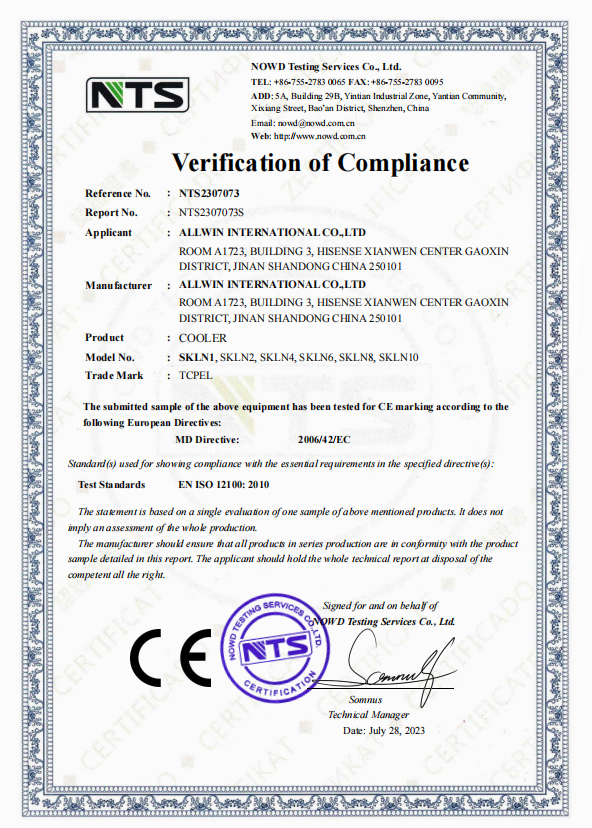
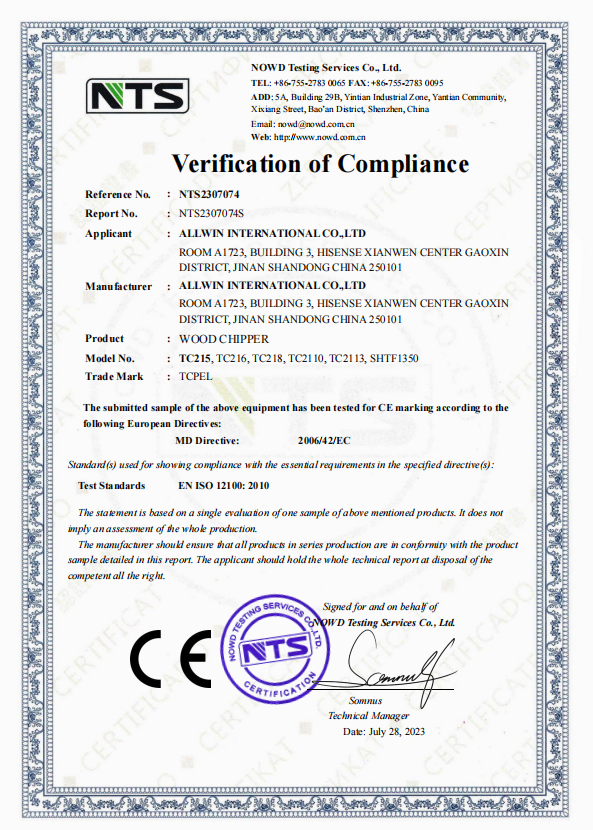
CE-konform
Export in die EU (Zertifikat je Auftrag)
20.000 m²
Werksfläche in Zhangqiu, Jinan
100+ Fachkräfte
Eigene Konstruktion, Fertigung und eigener Service
Integrierte Sicherheit: die dokumentierte Gefahr, die bei Rotationstrocknern berücksichtigt werden muss
Jedes TCSG-Rotationstrocknersystem wird nach etablierten Industrienormen für die Messung des Feuchtegehalts von Biomasse, die Handhabung von Partikeln und die konstruktive Auslegung der Trommel konzipiert. Wir liefern technische Normunterlagen, die auf die von Einkaufsteams am häufigsten geprüften Standards abgestimmt sind.
Die industrielle Gefahr im Inneren von Rotationstrocknern ist bekannt, insbesondere in Pellet- und Bioenergieanlagen, in denen Feinstaub, aufgewirbeltes Material und hohe Einlasstemperaturen in der Trommel zusammentreffen. Sichern Sie jedes TCSG-System mit dem patentierten Sicherheitspaket ab:
Eine perforierte Membran aus hochtemperaturbeständigen Legierungen öffnet thermische Hohlräume in der gesamten Trommel, um die Umgebung aufzufrischen und Großzündungen am Einlass zu verhindern.
Staubsammelsilo zur abschließenden Erfassung feiner Partikel.
Eine Zellenradschleuse am Austrag – je nach Kapazität 3-8 k W – trennt die Trommel von der nachgeschalteten Förderluft und verhindert das Eindringen von Sauerstoff.
Zyklongruppe (2 Sätze) zur primären Partikelabscheidung vor dem Abgas. Zegbrk_0012.
Luftleitungsanordnung mit dokumentierten Gasgeschwindigkeitsbereichen zur Vermeidung von Stagnationszonen, in denen sich Feinstaub ansammelt. Zegbrk_0013.
Temperatursensoren am Einlass, in der Trommelmitte und am Abgas mit Hochtemperaturverriegelung zum Aufgabesystem.
Service- und Gewährleistungsbedingungen
Die Standardlieferbedingungen sehen eine Gewährleistung von 5+ Jahren auf die Konstruktion von Trommelmantel und Laufringanordnung sowie technische Unterstützung über den gesamten Lebenszyklus des Systems vor. In unseren wichtigsten Exportmärkten umfasst der schlüsselfertige Lieferumfang die Unterstützung bei der Inbetriebnahme durch unsere reisenden TCPEL-Ingenieure. Ersatzteile werden für alle 14 Optionspunkte der Modellübersicht bevorratet.
×
![Vergrößertes Zertifikat]()
Beschaffungsleitfaden — Preisfaktoren, Lieferzeit und Kundendienst
Der Preis für Einzeltrommelsysteme mit Industrie-Rotationstrockner lässt sich oft nicht auf eine einzige Zahl beziffern. Die Investitionsausgaben (Capex), die Sie Ihrer Budgetplanung zugrunde legen, hängen von fünf Variablen ab, die die Gesamtprojektkosten deutlich stärker beeinflussen als der Preis der Trommel allein. Nachfolgend werden diese fünf Variablen vollständig offengelegt, damit Ihre Einkaufsabteilung das Capex-Budget modellieren kann, sobald Sie für ein vollständiges Angebot bereit sind.
Rahmen für Preisfaktoren
| Faktor | Auswirkung auf das Angebot |
|---|---|
| Kapazitätsstufe (T/H Ausstoß) | Wichtigster Einflussfaktor. Zwischen TCG0.8–TCG1.4 (unter 0.5 T/H) und TCG1.6–TCG2.2 oder TCSG30+ (mehrere T/H) liegt eine große Spanne der Investitionskosten. |
| Anlagenkonfiguration: Einfach- oder Dreifachdurchlauf | Der Dreifachdurchlauf erhöht die Investitionskosten des Trockners um etwa 20–30 %, reduziert jedoch die Stellfläche und verbessert die Feuchtegenauigkeit. |
| Kombination mit der Wärmequelle | Biomassebefeuerter Heißlufterzeuger, Erdgasbrenner, kohlebefeuerter Ofen oder Abwärmerückgewinnung — jede Kombination verändert sowohl die Investitionskosten als auch das Betriebskostenprofil. |
| Werkstoffspezifikation | Kohlenstoffstahl (Standard) gegenüber Edelstahl und verschleißfestem AR-Stahl für abrasive Rohstoffe. Die Werkstoffwahl verändert die Kosten des Mantels erheblich. |
| Umfang der Zusatzausrüstung | Ob der Auftrag Aufgabe-Förderer, Zyklongruppe, Staubabscheider, Ventilator, Abgasleitungen und Schaltschrank umfasst — ein schlüsselfertiges Gesamtsystem gegenüber der reinen Trommel verändert den Rechnungsbetrag um 30–50 %. |
Lieferzeit und Logistik
- Kurzfristig verfügbare Anlagenkonfigurationen TCG1.6, TCG2.0, TCSG10, TCSG20: Lieferzeit FOB Qingdao ca. 30-45 Tage ab Auftragsbestätigung.
- Individuelle Anlagenkonfiguration: (Sonderlegierung, höhere Kapazität, integrierte schlüsselfertige Ausführung): Lieferzeit je nach Umfang ca. 60-90 Tage.
- Mindestbestellmenge: 1 Einheit. Wir versenden regelmäßig sowohl einzelne Systeme als auch aufeinander abgestimmte Anlagen mit mehreren Systemen.
- Lieferbedingungen: auf Basis FOB China; CIF- und DAP-Bedingungen sind für die meisten Exportziele auf Anfrage verfügbar.
Praxis bei Standortbesichtigung und Inbetriebnahme
Bei größeren TCSG30+-Aufträgen und Neukunden im Export, die an neuen Häfen tätig sind, entsendet TCPEL einen Inbetriebnahmeingenieur zum Standort, der die Installation überwacht, den Trockenlauf durchführt und das Bedienpersonal schult. Dieser Aufwand verlängert die gesamte Projektdauer um etwa eine Woche, verhindert jedoch den sonst nach der Lieferung anfallenden dreiwöchigen E-Mail-Austausch zur Bestimmung der optimalen externen Wärmequelle, der Produktionsleistung, der Anzahl kaskadierter Trommeln und der gewünschten Produkteigenschaften.
Interaktive technische Tools und Rechner
Vermeiden Sie Schätzungen in Ihrem Beschaffungsprozess. Nutzen Sie unsere eigenen technischen Rechner, um die erforderliche Produktionsleistung zu modellieren, verschiedene Auslegungen zu vergleichen und auf Grundlage Ihrer konkreten Rohstoffparameter präzise Prognosen zur Kapitalrendite (ROI) zu erstellen.
Auswahlrechner für Rotationstrockner
Geben Sie Rohstoffart, Eingangsfeuchte und gewünschte Durchsatzleistung ein, um in weniger als 60 Sekunden passende TCPEL Modelle und die erforderlichen Verdampfungsleistungen zu ermitteln.
Rechner starten
ROI-Rechner für die Biomassetrocknung
Stellen Sie Ihre Investitionsausgaben den Einsparungen im nachgeschalteten Betrieb gegenüber. Berechnen Sie die Amortisationszeit anhand der Energie-, Logistik- und Rohstoffkosten an Ihrem Standort.
ROI berechnen
Vergleich von Einpass- und Dreipasssystemen
Führen Sie eine direkte technische Gegenüberstellung durch. Vergleichen Sie objektiv den Platzbedarf, den thermischen Wirkungsgrad und die Präzision der Feuchteregelung unter Berücksichtigung Ihres Anlagenstandorts.
Systeme vergleichen
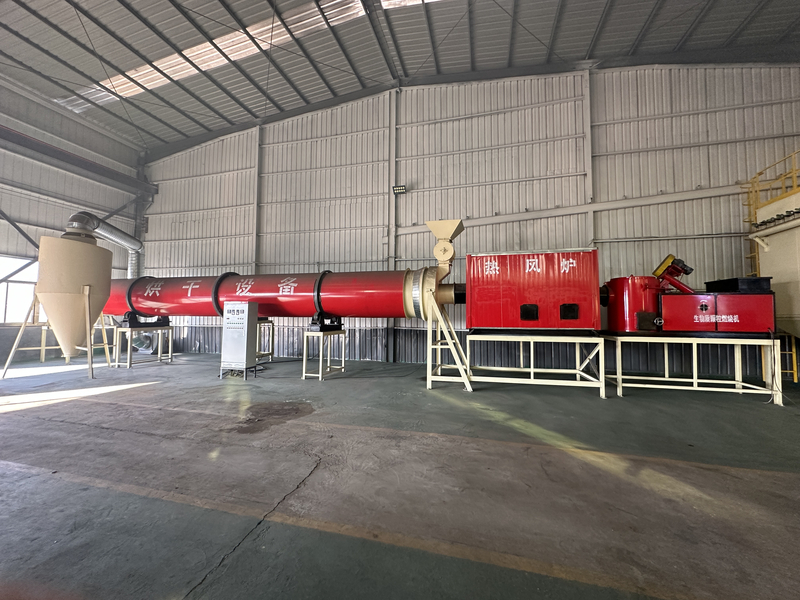
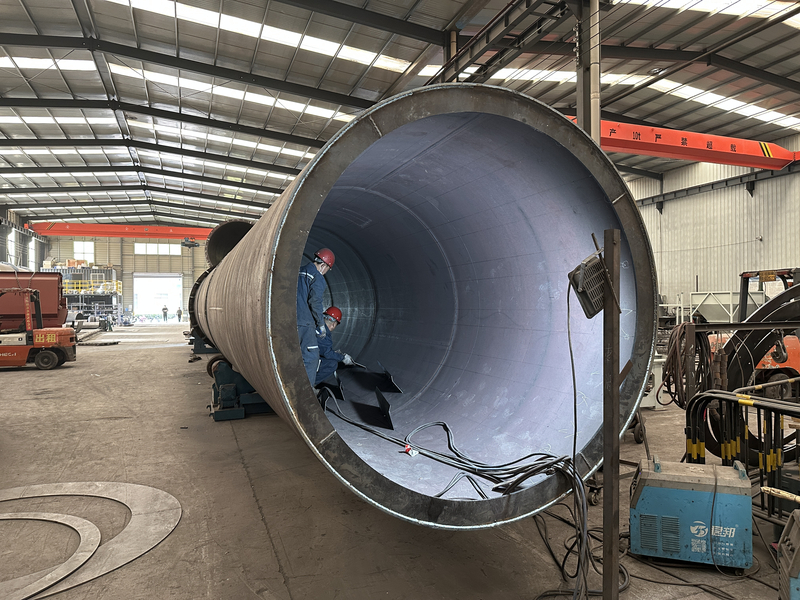
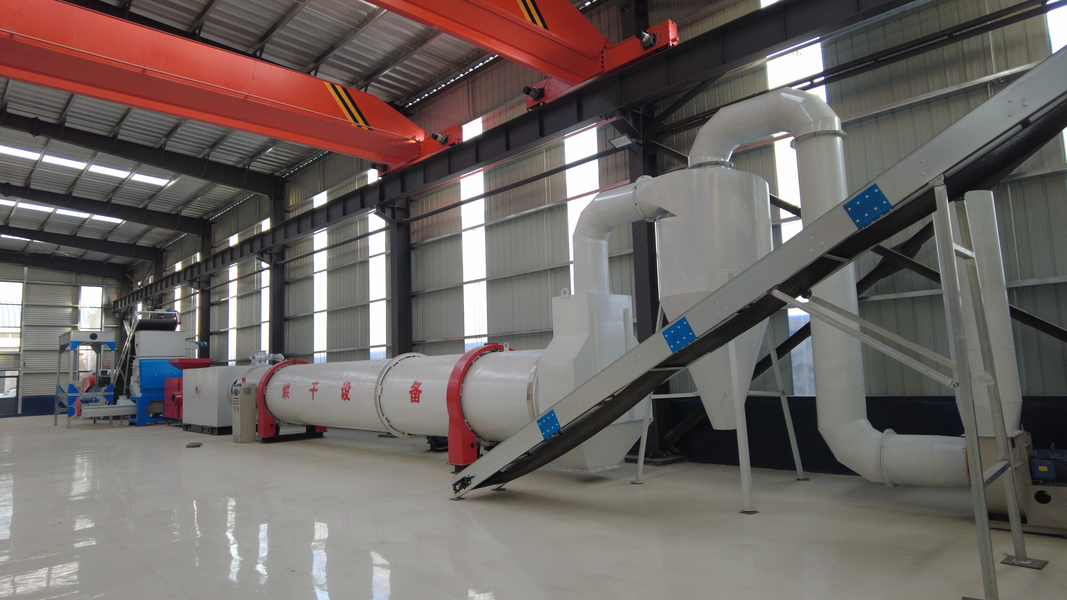
TCPEL Produktionsstätte und Fertigungshalle
Einblick in unser 20.000 m² großes Werk in Shandong: Präzisionskonstruktion, strenge Qualitätskontrolle und robuste Fertigung eines Rotationstrocknersystems.



×
Möchten Sie Ihr Rotationstrocknersystem auslegen?
Nennen Sie uns die Eigenschaften Ihres Aufgabeguts+Materials, die gewünschte Durchsatzleistung und den zulässigen Feuchtebereich. Innerhalb von 24 Stunden erhalten Sie von uns eine Modellempfehlung und ein Angebot.
Häufig gestellte Fragen
Ein Einpass-Rotationstrockner arbeitet mit einer durchgehenden Trommel, deren gesamte Länge die Partikel durchlaufen, wobei die Verweilzeit über die Umdrehungen pro Minute und die Trommellänge eingestellt wird. Beim Dreipass-Rotationstrockner sind drei zunehmend größere Trommeln auf derselben Stellfläche ineinander angeordnet; die Partikel verbleiben jeweils darin, bis sie einen bestimmten Feuchteanteil abgegeben haben, und gelangen dann in die nächste Durchlaufkammer. Das Dreipasssystem benötigt je Tonne Durchsatzleistung pro Stunde (T/hr) etwa 50 % weniger Stellfläche, kann feuchten Rohstoff mit bis zu etwa 55 % Eingangsfeuchte verarbeiten und regelt die Restfeuchte mit einer Genauigkeit von ±1,5 % gegenüber 3 % beim Einpasssystem, erfordert dafür jedoch etwa 20–30 % höhere Investitionsausgaben.
Entscheidend sind folgende Punkte: (1) die Stabilität der Eingangsfeuchte des Rohstoffs – homogenes, vorgesiebtes Material eignet sich am besten für ein Einpasssystem, während schwankende Biomasse eine Dreipasskonfiguration erfordert; (2) die Stellfläche am Standort – bei begrenztem Platz ist ein Dreipasssystem vorteilhaft; und (3) die gewünschte Durchsatzleistung in Tonnen pro Stunde T/hr – gleichen Sie diese Anforderungen mit den Produktionsleistungen der 14 verschiedenen TCPEL Modelloptionen ab. Beide Lösungen finden Sie in unserem Rechner, der weniger als eine Minute benötigt: ohne Wartezeit.
Die meisten unserer exportierten Anlagen verarbeiten Biomasse (Hackschnitzel, Sägemehl, Bagasse, Stroh), landwirtschaftliche Abfälle (Luzerne, Maniok, Mist), mineralische Nebenprodukte (Sand, Schlacke, Gips, Flusssand, Quarzsand) sowie Rohstoffe für Pellet- oder Brikettvorformen. Die meisten thermisch beständigen Rohstoffe können in direkt befeuerten Konfigurationen verarbeitet werden; für Materialien, die empfindlich gegenüber Verunreinigungen oder Hitze sind, ist ein indirekt beheizter Betrieb verfügbar.
Die Betriebsausgaben OPEX werden durch die erforderliche Wärmezufuhr und den Sollwert der Restfeuchte bestimmt. Branchenkenntnisse zufolge liegt der Wärmebedarf bei biomassebefeuerten Anwendungen ungefähr zwischen 60–80 kcal je Kilogramm entferntem Wasser; hinzu kommt die elektrische Leistungsaufnahme von Antriebsmotoren, Ventilatoren und Zellenradschleusen. Für den Erfolg eines Projekts sind nicht die Kosten je Kilogramm ausschlaggebend, sondern die nachgelagerte Wertschöpfung: etwa 50 % höherer Energiegehalt der behandelten Biomasse (Branchendaten von Biomass Magazine) und eine um ~30 % bessere Wirtschaftlichkeit getrockneter Hackschnitzel im Produktionsmaßstab (Zitat von Froling Energy). Fordern Sie einen individuellen Betriebskostenrechner an, der die konkreten Brennstoffkosten Ihrer Projektregion berücksichtigt.
So bestellen Sie Futtermittel&Ammunisyon-Agenturen, Nachhaltigkeit, Preisgestaltung, Lieferzeiten, Anwendungen und Industriestandards, Auslegungsoptionen, Heißluft gegenüber indirekter Beheizung, Staubkontrolle, Leistung, Zielmärkte Zwei Probleme treten in der Fachliteratur wiederholt auf: (a) das Abdriften der Feuchteregelung bei schwankenden Rohstoffen, dem unsere Dreipassauslegung entgegenwirkt; (b) die Brandgefahr (disemoutsami g pail) bei Biomasseanwendungen, die von der Biomass and Bioenergy Research Group als branchenweites Risiko dokumentiert wurde. Jeder TCSG wird mit einer Zellenradschleuse am Austrag, einer Zyklongruppe, einem Staubabscheider und einer Temperaturverriegelung geliefert, um das für Trocknerbrände ursächliche Gemisch aus Staub+Hitze+Sauerstoff zu begrenzen.
Lagerbereite Einpass- und Dreipassmodelle werden 30–45 Tage nach Auftragsbestätigung FOB China versandt; bei kundenspezifischen Anlagenkonfigurationen beträgt die Frist 60–90 Tage. Die Inbetriebnahme vor Ort (TCSG30+ und Kunden bei der 1. Bestellung) verlängert die Dauer für den Besuch des Ingenieurs, die Trockenlaufprüfung und die Schulung des Bedienpersonals um 7–10 Tage.
TCPEL fertigt nach den Normen ASTM E871(2001) (Prüfung des Feuchtegehalts von Biomasse), ISO 17827-1(2016) (Partikelgröße) und EN 17225-4(2016) (Norm für Hackschnitzel); für Exporte in die EU wird auftragsbezogen eine CE-Zertifizierung angewendet. Standardgarantie: 5+ Jahre auf die Baugruppe aus Tunneltrommelmantel+Laufring; Ersatzteile werden für alle 14 Modellvarianten bevorratet.
Ja – Geometrie der Hubschaufeln, Trommellänge, Ventilatorauslegung und Kombinationen mit Wärmequellen können für die vorgesehene Anwendung konfiguriert werden. Die 14 TCPEL Modellvarianten decken ~80 % der Anfragen ab: 20 % benötigen eine individuelle Anlagenkonfiguration für den Sollwert der Restfeuchte, begrenzte Stellflächen oder die nachgeschaltete Integration (Pelletieranlage/Brikettpresse/Kesselspeisung). Kundenspezifische Anlagenkonfigurationen verlängern die standardmäßige Lieferzeit um 15–45 Tage.