Get in Touch with TCPEL

GLOBAL MACHINERY
TCPEL — Pellet Machine Manufacturer for Biomass, Wood & Feed Production
One factory. One engineering team responsible. One full pellet line – from raw material crushing to bagged pellets. TCPEL is building wood, biomass, and feed pellet machinery and turn-key pellet plants for buyers in 60+ countries.
Since 2020R&D · production · sales · service
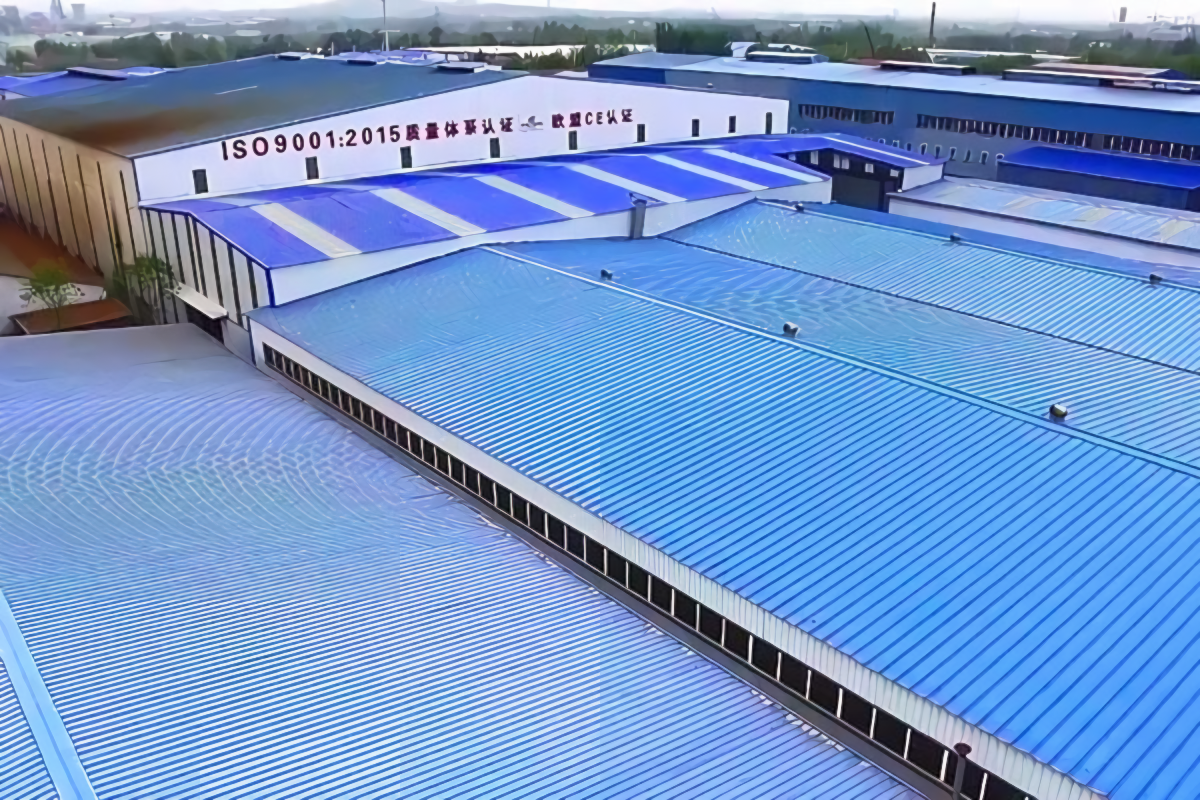
20,000 m²integrated factory, Shandong
100+workshop & engineering staff
60+countries delivered
PERFORMANCE SPECS
7 / 21 Equipment categories / product lines
0.5–20 t/h Complete-line throughput range
≥97.5% Fuel-pellet quality target
6-stage Crush → dry → grind → pelletize → cool → pack
60+ Export countries
2–4 yr Typical plant payback (industry range)
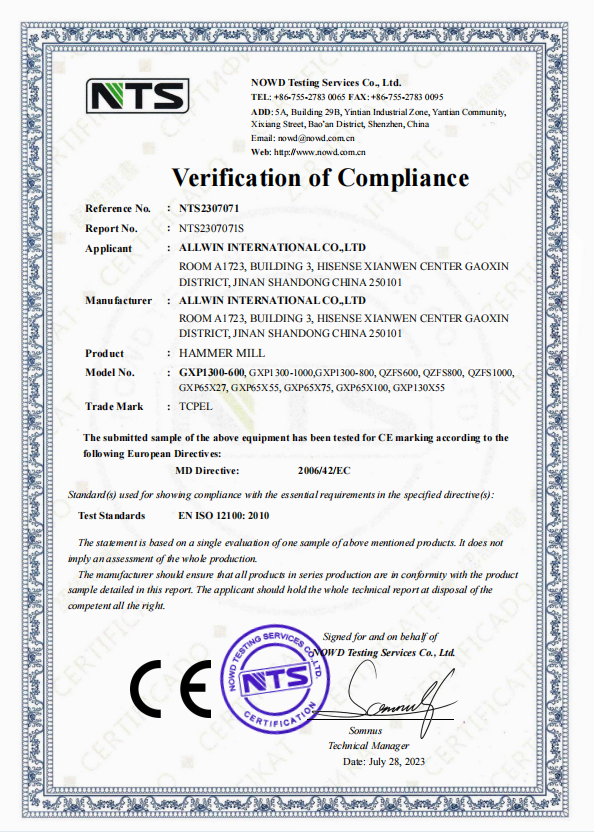
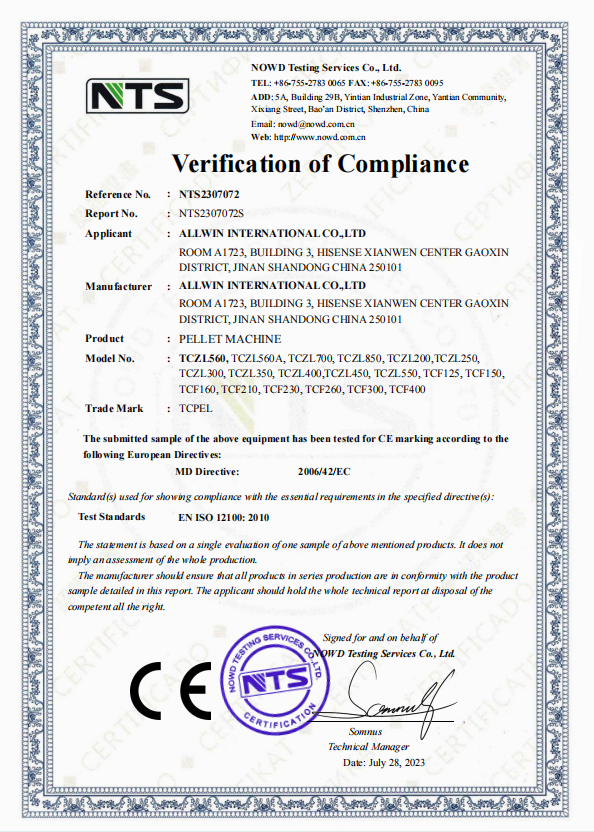
As a pellet machine manufacturer, TCPEL builds the full range of pellet machinery in one factory — wood pellet machines, biomass pellet mills and feed pellet machines, plus the hammer mills, wood crushers, rotary dryers and coolers that complete a pelletizing line. Whether you need a single flat die pellet mill or a complete biomass pellet plant, every machine is engineered, manufactured and supported by the same team. That single-source model is what separates a true pellet mill manufacturer from a trader: one factory accountable for the whole pelletizing process, from raw material to finished pellet.
FULL-LINE INTEGRATION
One-Stop Pellet Machine Manufacturer—From a Single Factory
TCPEL is a pellet machine manufacturer in Zhangqiu, Jinan that builds the entire pelletizing chain in one 20,000 m² factory — not a trading desk reselling other people’s machines. A pellet mill alone makes no pellets: forestry and agricultural residues arrive too coarse and too wet, so without matched crushing, drying and grinding upstream, the press jams, the die packs, and finished pellet quality becomes inconsistent and may miss buyer specifications. The structural reason this matters is simple — to buy a pellet mill is far from enough to build a plant that actually runs, yet most vendors sell the press and leave the integration risk with you.
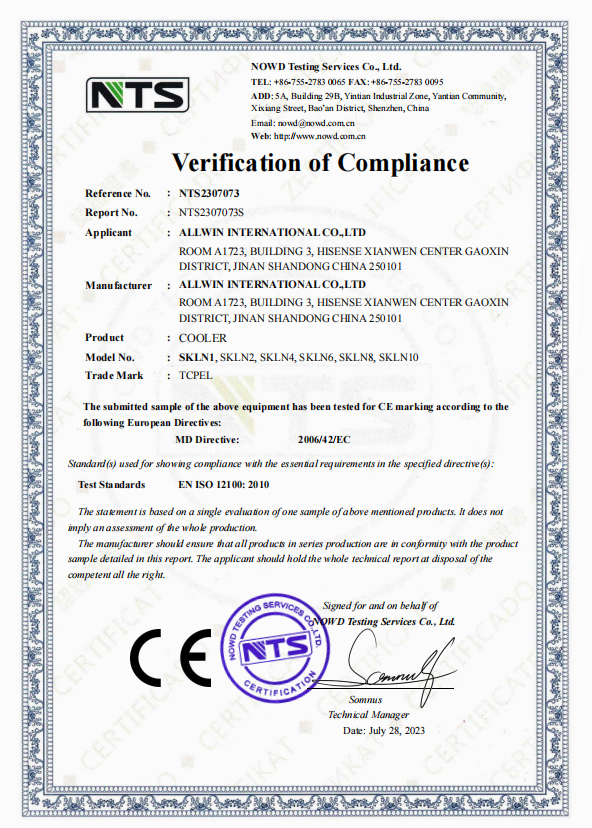
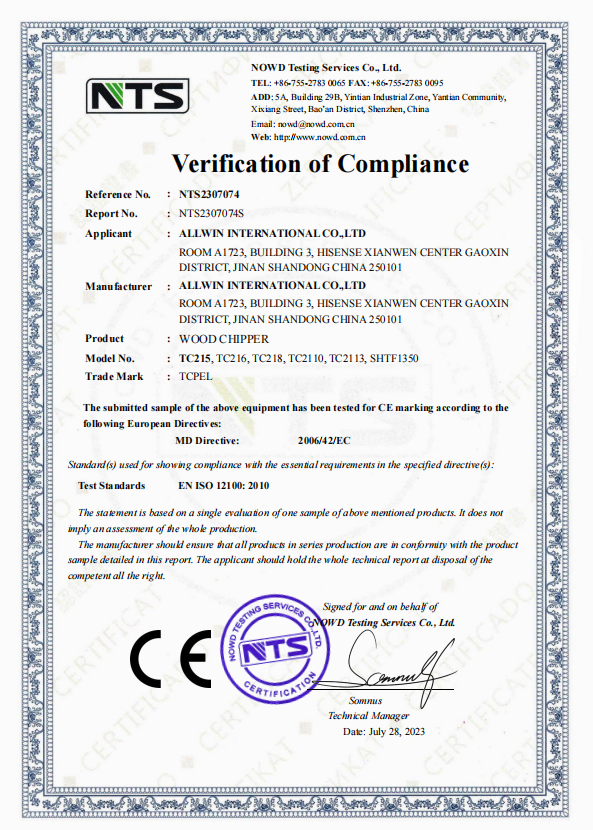
Many industrial buyers hit the same wall: sourcing the pellet mill from Vendor A and the dryer, cooler and crusher from Vendors B, C and D leaves every integration gap with them. Under one roof, TCPEL instead engineers the full stack of wood pellet manufacturing equipment end to end — from wood and biomass pellet machinery to wood crushers, hammer mills and drum chippers, through to coolers and packing machines. We are your single-source pellet machine supplier: one engineering team owns output quality, one warranty, and one parts kit — including pellet mill dies and rollers — that fits all of it, whether you are a 1 t/h EU buyer wanting container delivery or a 10 t/h regional plant scaling up.
We do not sell a pellet mill, wish you luck, and assume process challenges will find you; we engineer the hammer mill screen size, dryer retention time, and press die compression ratio together because a reliable 6 mm wood pellet cannot be specified by the press in isolation, and it cannot be corrected after production starts.
Want a single supplier to own your whole line?
Get a custom line layout for your feedstockPROCESS FLOW
Raw-Material-to-Bagged-Pellet 6-Stage Plant Flow
Many pellet mill problems start before or after the press: wet feeding, oversized chips, inconsistent grinding or insufficient cooling. Sawdust at 45% moisture will not bind correctly, 3-inch chips can block the input path, and hot pellets can crumble if cooling is undersized. TCPEL sizes the full 6-stage line around those failure points, using hardware manufactured for each stage.
Stage
TCPEL Equipment
What it fixes
Typical spec
01
Crushing
Reduces logs, pallets & branches to chip size the grinder can accept
3–60 t/h (TC drum series)
02
Drying
Brings 40–55% raw moisture down to the 10–15% pelletizing window
~350°C inlet, target 10–15% MC
03
Grinding
Sizes dried material below 5 mm so the die compresses it evenly
1–10 t/h, 37–250 kW
04
Pelletizing
Compresses ground material into Ø6/8 mm pellets at ≥97.5% durability
flat die 50–800 kg/h · ring die 1–4 t/h
05
Cooling
Drops pellets from ~80°C to near-ambient so they harden, not crumble
counter-flow, 80°C → ~30°C
06
Packing
Bags finished pellets for storage & export without re-absorbing moisture
automatic weigh-fill
Mapping your own process?
Request a detailed stage-by-stage line proposal →PRODUCT PORTFOLIO
7 Equipment Categories, 21 Product Lines — TCPEL Equipment Portfolio
Below is why one vendor can offer the entire line, instead of leaving you to bridge the gaps. It’s rare a buyer finds this full width from one source – most vendors either only cover the press and resell the rest (the hidden integration risk), or that range would be impractical anyway. Every category has links to the detailed specification, and the capacity bands will let an industrial buyer filter down to just a handful before sending out an RFQ. Every line is engineered to produce pellets that meet ISO 17225-2 quality classes.
| Category | Product lines | Capacity band | Primary application |
|---|---|---|---|
| Wood Pellet Machine | Flat Die · Vertical Ring Die · Biomass · Small Home-Use | 50 kg/h–4 t/h | Wood & biomass fuel pellets |
| Feed Pellet Machine | Animal Feed Pelletizer · Cattle · Chicken | 0.1–4 t/h | Livestock & poultry feed |
| Hammer Mill | Biomass · Feed Grinding · Wood | 1–10 t/h, 37–250 kW | Size reduction before pelletizing |
| Wood Crusher | Pallet Crusher · Double Shaft Shredder · Bale Grinder | up to 60 t/h | Pallet & bulky waste recycling |
| Drum Chipper | Drum Wood Chipper | 3–60 t/h | Logs & branches to chips |
| Rotary Dryer | Industrial · Triple Pass | per line, ~350°C | Moisture control to 10–15% |
| Pellet Production Line | Biomass Line · Wood Line · Feed Line · Cooler · Packing Machine | 0.5–20 t/h | Complete turnkey plants |
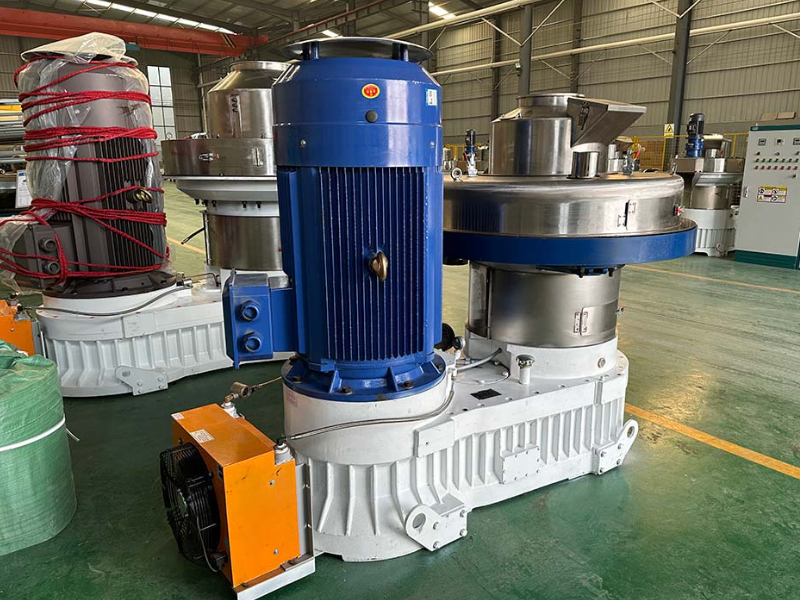
Wood Pellet Machine
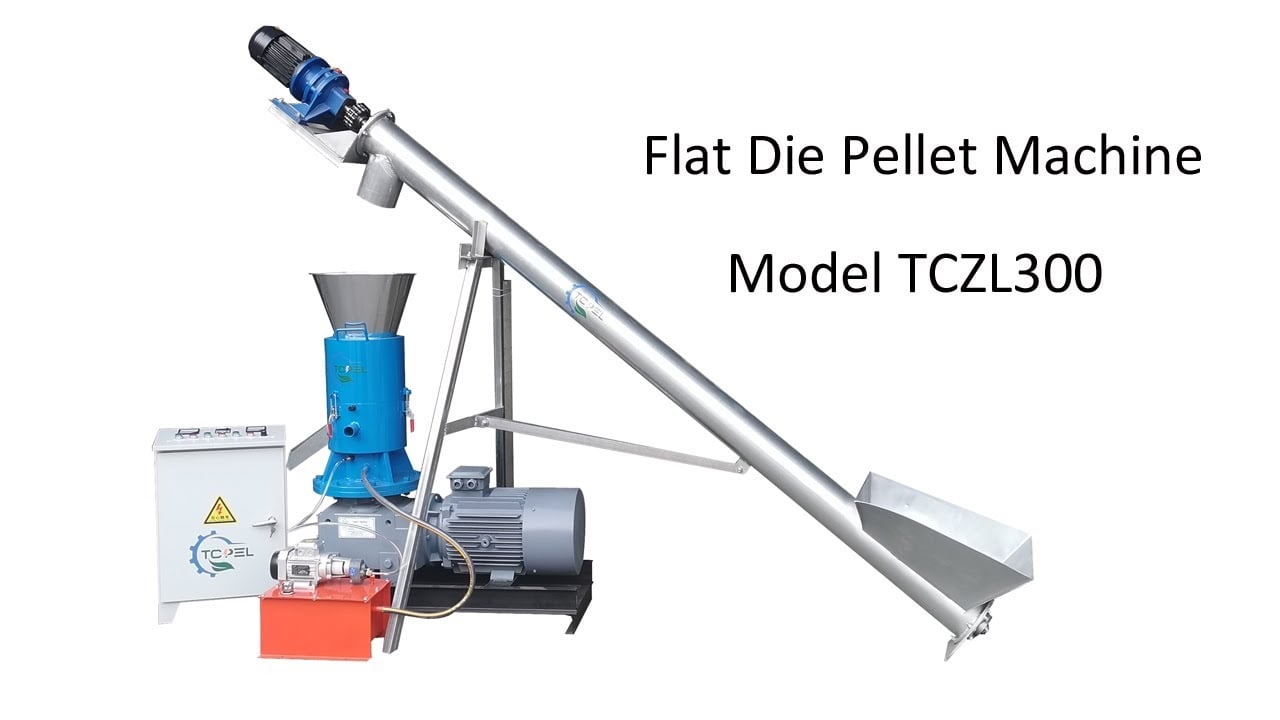
Flat-die mills for farms and workshops; a vertical ring die pellet mill for continuous industrial output. Both run as a biomass pellet maker on wood, sawdust and agro-residue.
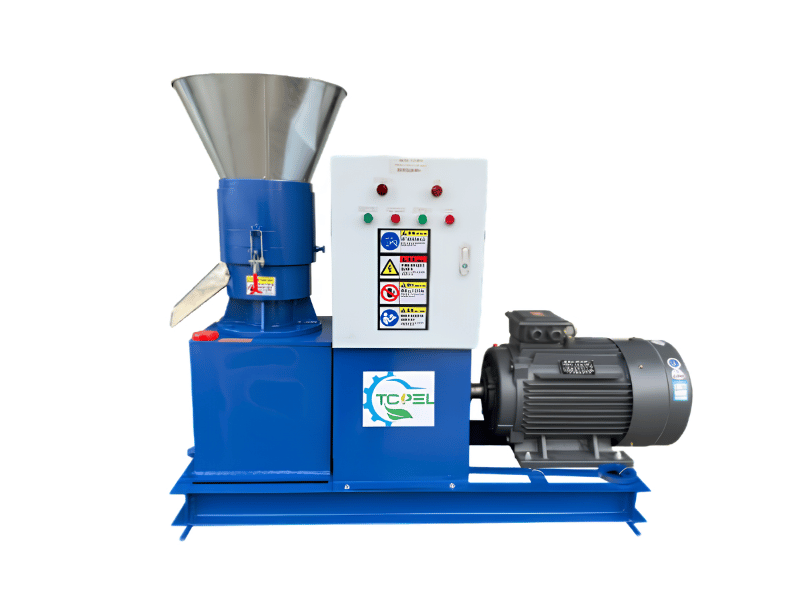
Feed Pellet Machine
Pelletizers tuned for the higher starch and binder behaviour of animal feed formulas.
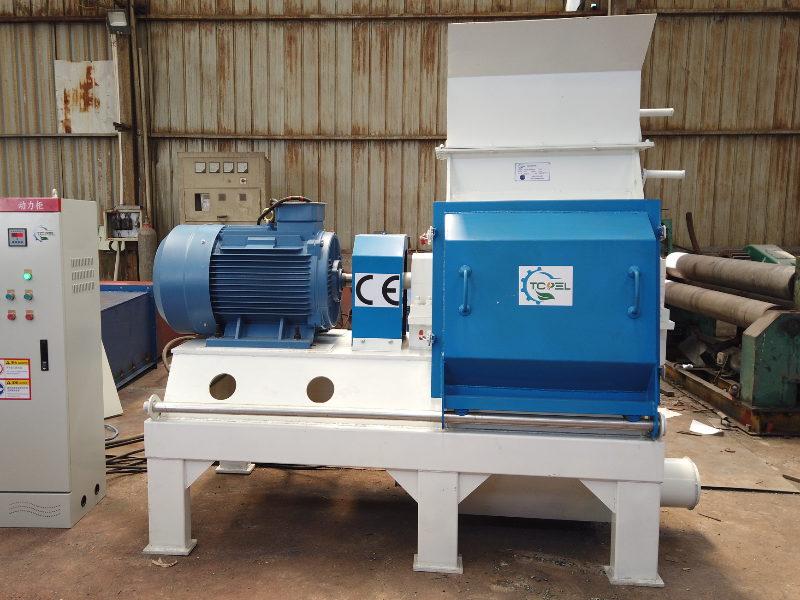
Hammer Mill
Grinds dried feedstock below 5 mm so the die compresses material evenly — the grinding stage that protects pellet quality.
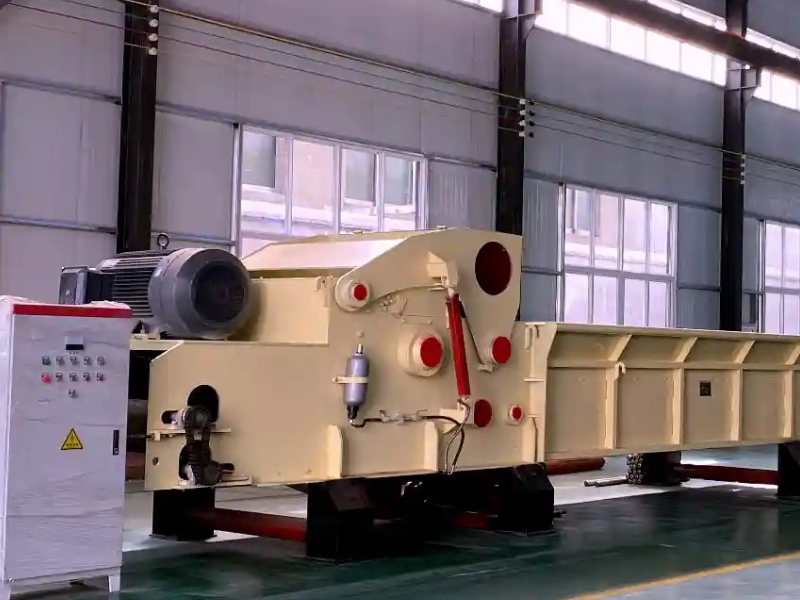
Wood Crusher
Reduces pallets, bulky timber and baled waste — the front end of pallet-to-pellet recycling.
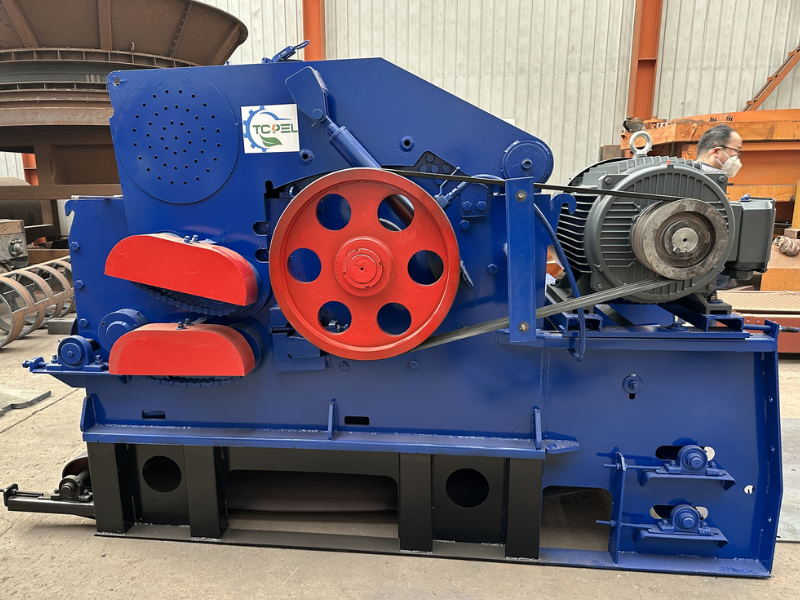
Drum Chipper
Turns logs and branches into uniform chips that feed the dryer and grinder.
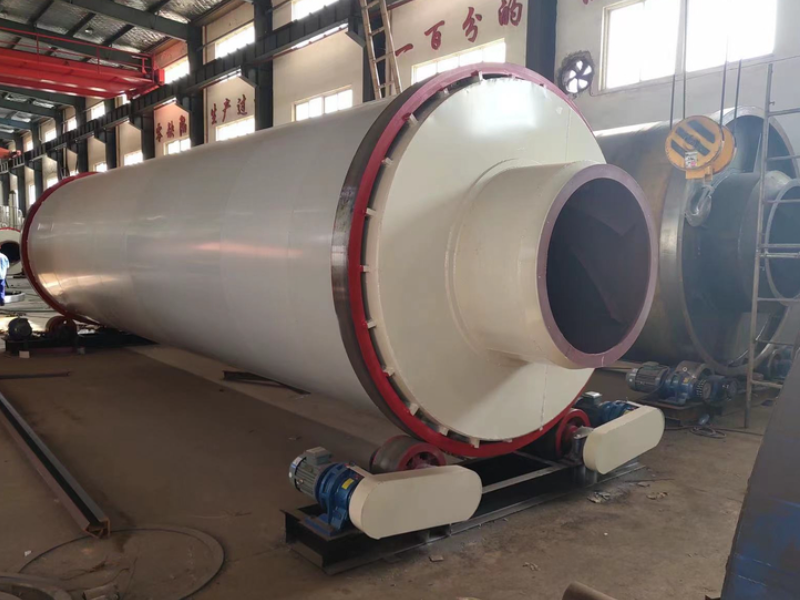
Rotary Dryer
Brings wet residues into the pelletizing window — the stage most piecemeal buyers under-size.
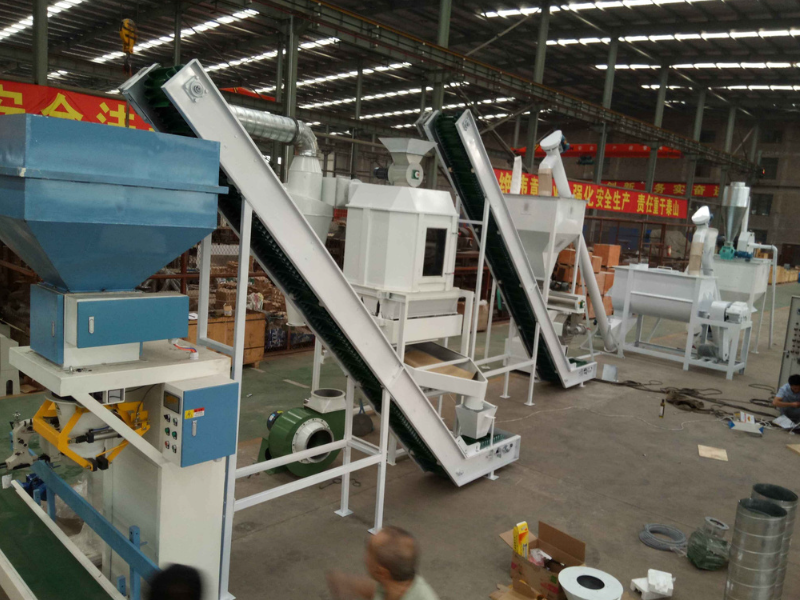
Pellet Production Line
Complete turnkey plants — crushing through packing, balanced stage-to-stage, including organic fertilizer pellet configurations.
Not sure which lines your project needs?
Get a custom, detailed line layout →LINE CONFIGURATION
Which Pellet Line Do You Need? Application-to-Equipment-Line Routing Guide
Engineers and procurement teams typically don’t need the whole plant: what they need is a focused sub-plant to convert one specific feed-stock to one target output. And this guide exists because the most expensive pellet-plant mistake we see is buying a press designed for the wrong feedstock, then finding the mismatch after a botched first run. The reason it happens is “maximum capacity” isn’t always “maximum pellet-value;” 4 t/h of improperly fed wood shavings going through a massive 4-tph ring die does not produce as good pellets as a 1 tph unit fed the dry, ground feed-stock that matches it.
| If your feedstock is… | And you want to make… | Core line | Sensible capacity |
|---|---|---|---|
| Sawdust / wood shavings (dry) | Wood fuel pellets | Hammer mill → ring-die wood pellet machine → cooler → packing | 1–4 t/h |
| Logs, branches, off-cuts (wet) | Wood fuel pellets | Drum chipper → rotary dryer → hammer mill → pellet mill → cooler → packing | 1–10 t/h |
| Used pallets / bulky timber | Recycled fuel pellets | Pallet crusher → hammer mill → dryer (if needed) → pellet mill | up to 10 t/h |
| Straw, EFB, husk, grass | Agro-biomass pellets | Bale grinder/crusher → dryer → hammer mill → ring-die mill | 1–6 t/h |
| Maize, bran, oilcake | Animal / poultry feed pellets | Feed grinding hammer mill → feed pellet machine → cooler | 0.1–4 t/h |
| Limited budget, single material | Small-scale wood pellets | Flat-die pellet mill (standalone) | 50–800 kg/h |
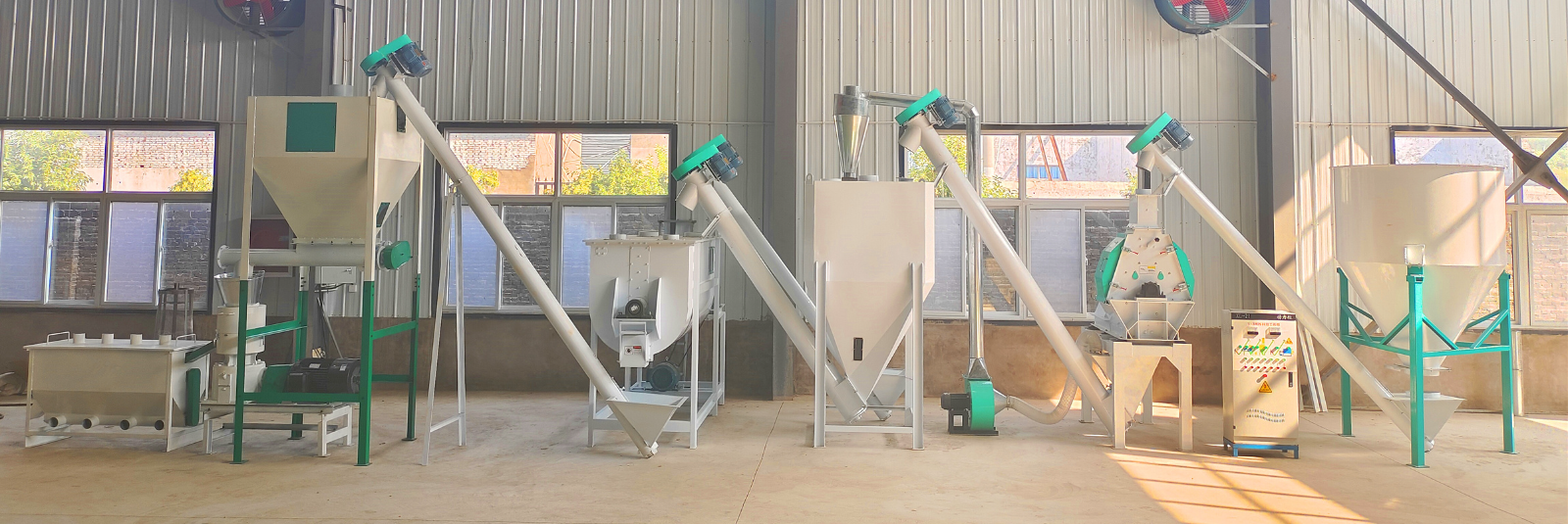
Engineer’s note
Drying is the stage most buyers skip to save budget — then they discover their 50 kg/h press cannot bind 40% moisture sawdust. ISO 17225-2-grade pellets need the 10–15% moisture window, so if your feedstock is above ~18% moisture, the dryer is not optional; build it into the quote from the start rather than paying for an expensive retrofit after a failed run.
Tell us your material and target output —
request a custom routing & quote →APPLICATIONS
Applications — Wood Pellets, Biomass Fuel, Animal Feed & Pallet/Ag-Waste Recycling
The same principle applies for very different industries. The exact feedstock matters more than the make of the ring die press — a fuel-pellet die setup is not suitable for a feed formula, and vice versa. Using the wrong pellet hardware increases downtime and operating cost. The four TCPEL families target broad applications, and involve specific design compromises based on these categories.
Application 01 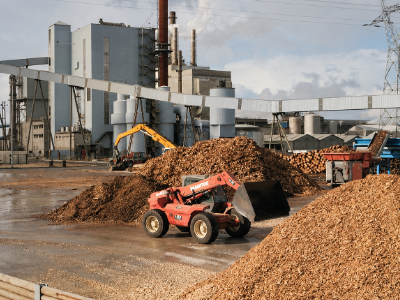
Wood & biomass fuel pellets
These range from the sawing operations and furniture companies using wood chips, dust and shavings for standardized fuel pellets targeting standards such as ISO 17225-2 (6 mm or 8mm outside diameter, 97.5% durability rating and below 2% ash). At 18.6MJ/kg calorific value, producers can supply the heating and industrial-boiler markets, instead of dumping.
Application 02 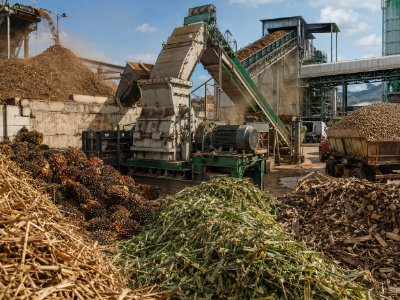
Agricultural & energy-crop biomass
We produce the dense, transportable pellets and fuels from straw, empty fruit bunches (EFB), wood waste and energy-grass feedstock which has higher fiber content and more silica than cleaner wood — more abrasive feedstock that demands hard, industrial-strength dies plus heavier-duty crushing and grinding equipment.
Application 03 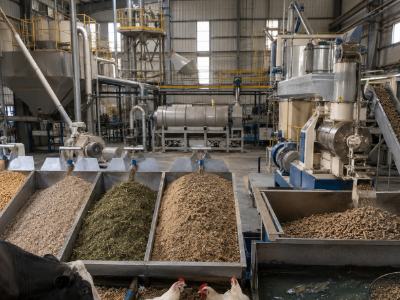
Animal & poultry feed pellets
Feed mills pelletize feed-grade maize, bran, alfalfa and oilcake into cattle, chicken and fish feed. Feed pellet machines run different die compression and pre-treatment than fuel mills, since starches and proteins — not lignin — bind a feed pellet together.
Application 04 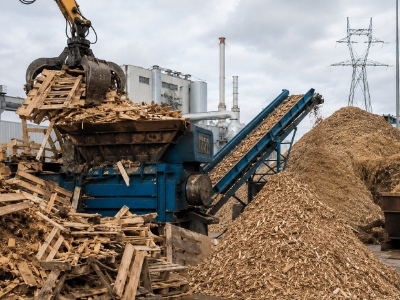
Pallet, plastic & agricultural-waste recycling
Pallet crushers and other coarse reduction equipment help recyclers and waste contractors process materials that would otherwise go to landfill. The material stream can include spent shipping pallets and other woody residues such as grain husks, straw and animal bedding, turning a disposal cost into pellet revenue.
Have an unusual feedstock?
Send a sample spec for a custom application test →SUPPLIER EVALUATION
Why TCPEL — 20,000 m² Factory, In-House R&D, Customization & After-Sales
The pellet-machinery market is full of broad claims about quality and reliability, but buyers need verifiable factory, spare-parts and service details before choosing a supplier. In buyer forums, the most explicit warning is blunt: low-cost machines without verified spare-parts support and factory accountability can turn into an ongoing maintenance bill with poor ROI. That lack of trust is the real problem — the structural reason a machine is supportable is a factory you can audit, not descriptive modifiers.
No.
What buyers worry about
What TCPEL puts behind it
01
“Is this a real factory or a trader?”
20,000 m² owned plant in Zhangqiu, Jinan; 100+ workshop & engineering staff; R&D, production, sales & service under one roof, since 2020.
02
“Will the wear parts last?”
Hardened pellet mill dies and rollers; die/roller wear is the most patented area of pellet-mill design (e.g. published roller patents, 2024) and a core focus of TCPEL R&D.
03
“Can you match my material?”
Lines engineered per feedstock, capacity, voltage and shipping market — not one-size-fits-all catalogue units.
04
“What about after the sale?”
Experienced after-sales team, complete customer files for fast parts identification across 60+ countries, and long-term spare-parts supply.
EXPORT FOOTPRINT
Global Export — TCPEL 6-Region Export Footprint Across 60+ Countries
For an international buyer, the real question behind “where do you ship” is “will support follow” — and a shallow answer there is a genuine risk. Across six regions, TCPEL has delivered to more than 60 countries, and the footprint below shows where voltage standards, documentation and logistics are already routine rather than a first-time challenge.
60+
Countries
Europe
Germany, Finland, Russia, Turkey
Wood/biomass heating fuel pellets
South & Central Asia
Pakistan, India, Bangladesh
Agro-residue & feed pellets
Southeast Asia
Vietnam, Malaysia
Sawdust & palm EFB fuel pellets
East Asia
South Korea
Industrial biomass fuel
Oceania
New Zealand
Wood-waste fuel pellets
+ further markets
60+ countries total across the Americas, Africa & the Middle East
Mixed biomass / feed
For EU or US fuel-pellet projects, TCPEL can configure the line around recognized ISO 17225-2 quality targets when feedstock moisture, particle size, die compression ratio, cooling and screening are correctly controlled.
Shipping to a market not listed?
Ask about a custom export configuration for your country →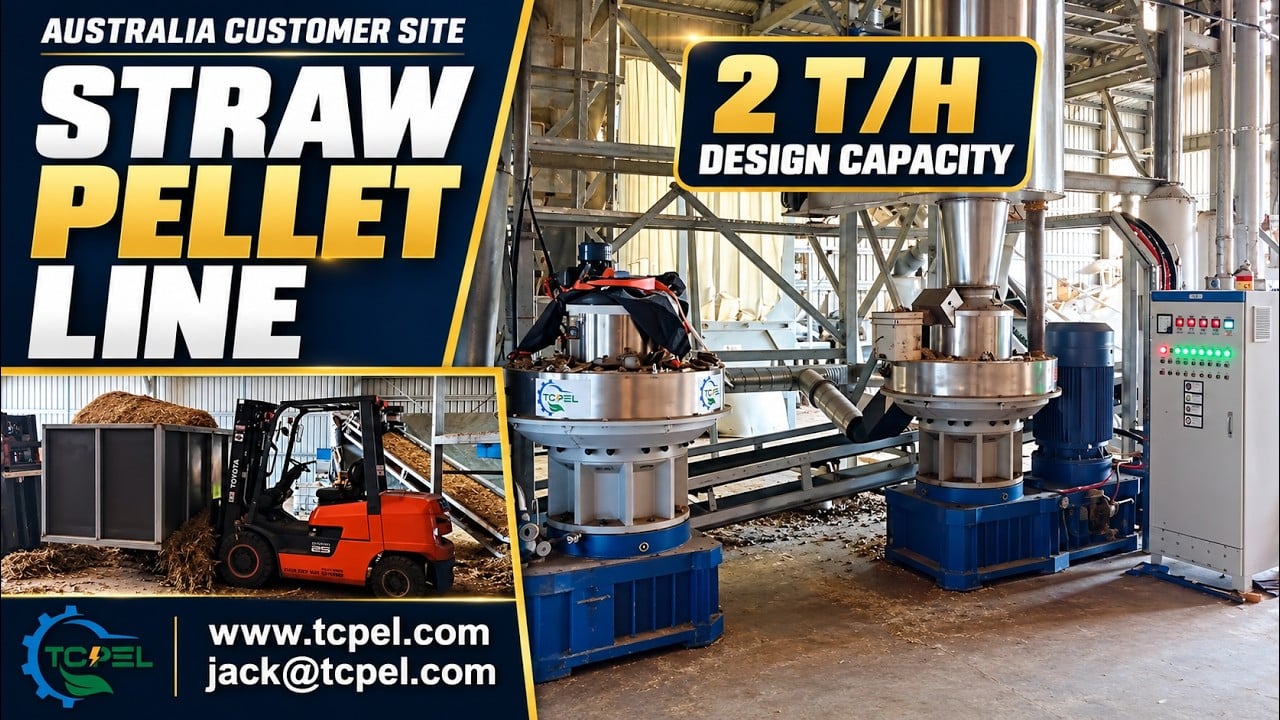
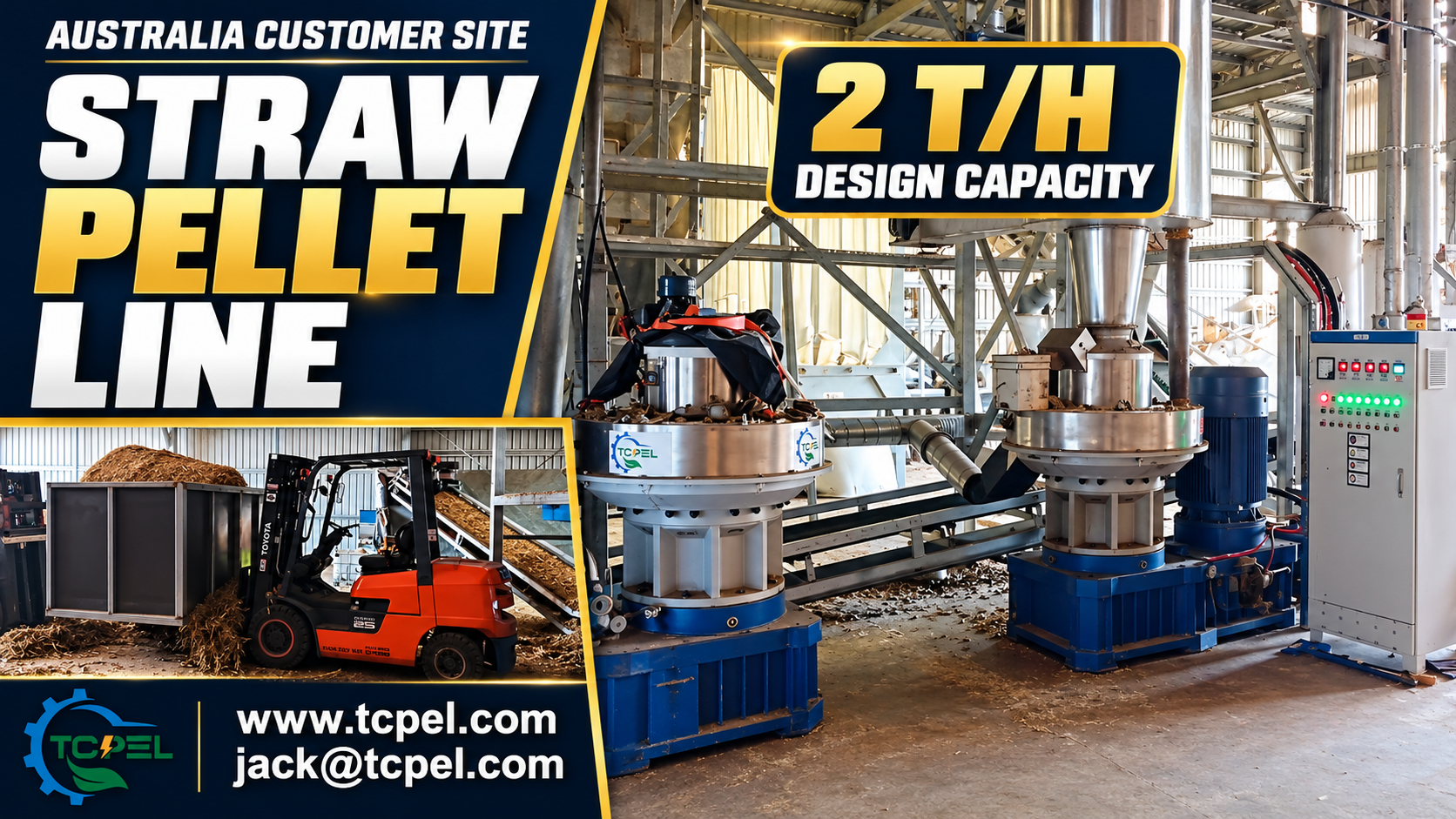
Customer project · Australia
Rice straw to pellets: an Australian customer project
- Raw material
- Rice straw
- Complete-line design capacity
- 2 t/h
Take a closer look at a TCPEL rice straw pellet project in Australia. The line has a design capacity of 2 t/h and brings together preparation, grinding, pelleting, cooling and jumbo bag packing.
Play the site video here to see the project in context. Planning a similar project? Start with your straw condition, available space and packing needs. These details help define the equipment arrangement.
PROCUREMENT GUIDE
Procurement Guide — Customization, Lead Time, Pricing & After-Sales
Pellet-equipment pricing is often unclear across this market, which makes early budgeting difficult for buyers. We cannot publish a single price because it varies widely from a 300 kg/h flat-die mill to a 10 t/h turnkey line, but the honest version is to be transparent about exactly what drives the number, so an industrial buyer can scope a realistic budget before the first conversation.
What drives your quotation
| Cost driver | How it moves the price |
|---|---|
| Target capacity (kg/h vs t/h) | The single biggest factor — line cost scales with throughput |
| Feedstock condition | Wet/coarse material adds dryer + crusher stages; dry sawdust needs fewer |
| Die type | Flat-die (small/standalone) vs ring-die (continuous industrial) |
| Automation level | Manual vs PLC-controlled, automatic weigh-fill packing |
| Destination requirements | Voltage, export documentation, compliance configuration |
Since 2020 Integrated R&D + manufacturing
20,000 m² Owned factory, Shandong
ISO 17225-2 Fuel-pellet quality target
60+ Countries Export & service experience
Spare Parts Long-term supply + customer files
2–4 years
Typical payback range for a commercial biomass pellet plant — the honest figure, not the 3–8 month claims some vendors advertise.
Industry/vendor range (GEMCO, FABON 2024–2025). Your payback depends on feedstock cost, local pellet price & runtime — request a project-specific estimate.
Procurement tip
Be skeptical of any supplier promising a 3–6 month payback. Published data and operator experience put a realistic commercial pellet-plant payback at roughly 2–4 years — and the pellet prices that drive it are tracked publicly by the U.S. EIA. The cheapest quoted machine is not always the best value once wear parts and downtime are counted. We would rather give you a number you can defend to your finance team than win the order on a figure that won’t survive the first audit. Lead time, MOQ and payment terms are confirmed per configuration — request a detailed quotation.
Three common assumptions worth challenging
A larger ring-die is not automatically the better investment. A high-capacity press that is underfed can produce worse pellets than a correctly sized line, and the lowest purchase price is not always the best value once die life, downtime and energy use are included. A realistic 2 to 4 year payback range is more useful for planning than a marketed 3-6 month claim.
×
PROJECT TOOLS
Engineering & Project Evaluation Tools
Tool 01
Pellet Line Configurator
Map required processing stages—from crushing to packing—based on input capacity and material.
Launch Configurator
Tool 02
Pellet Plant Payback Estimator
Calculate projected operational timelines and ROI based on feedstock costs and target market value.
Launch Estimator
Tool 03
Feedstock Readiness Checker
Evaluate raw material moisture and particle size to determine necessary drying and grinding parameters.
Launch Checker
FACTORY OVERVIEW
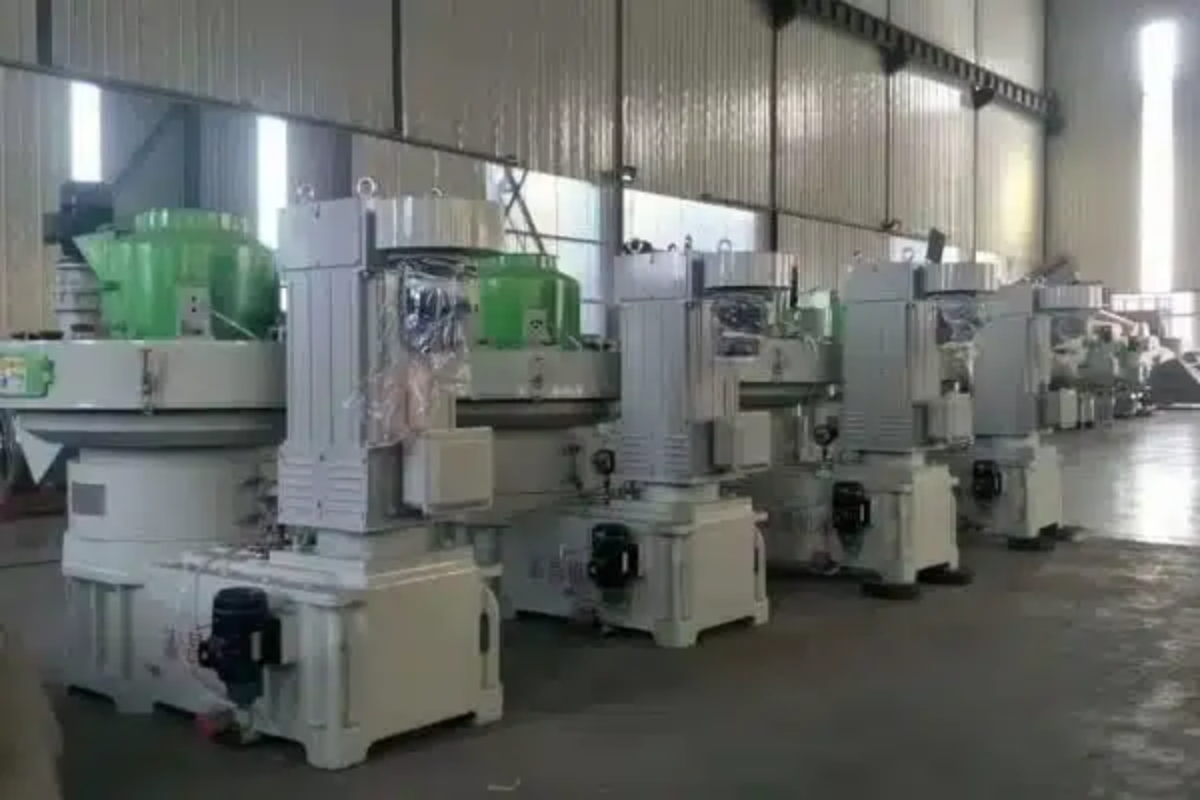
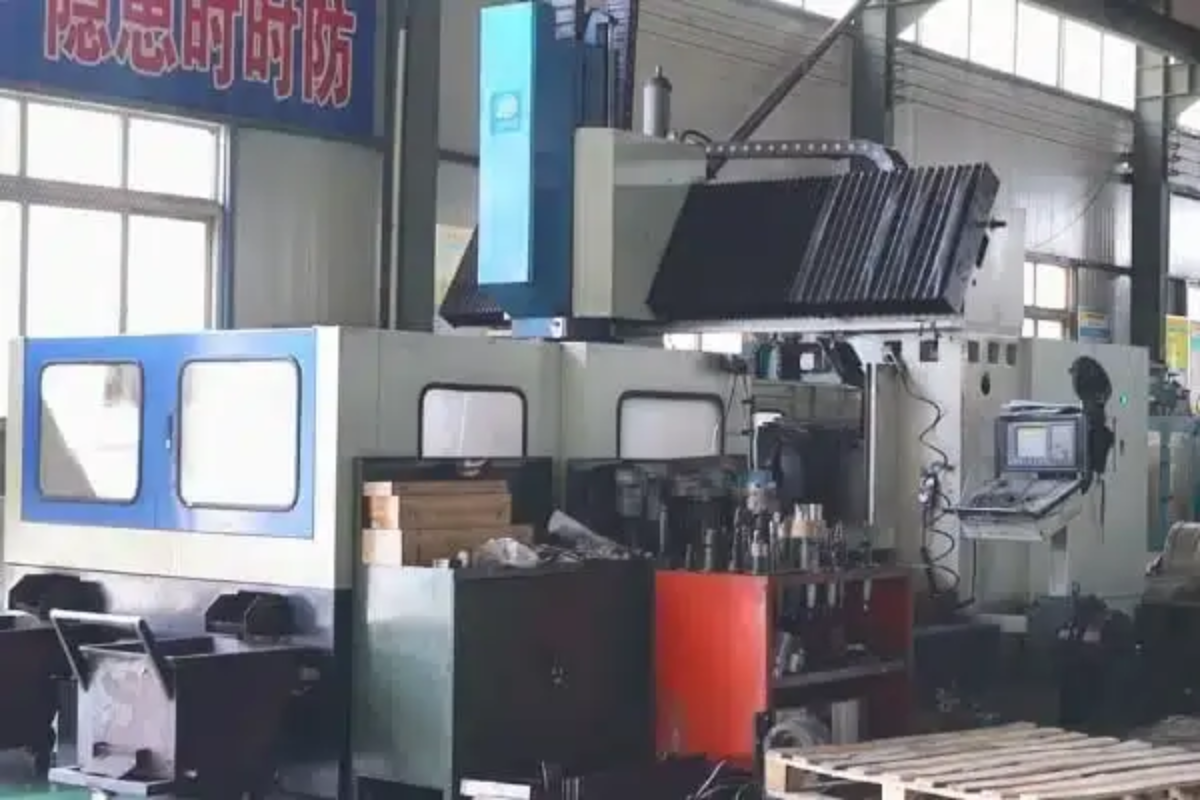
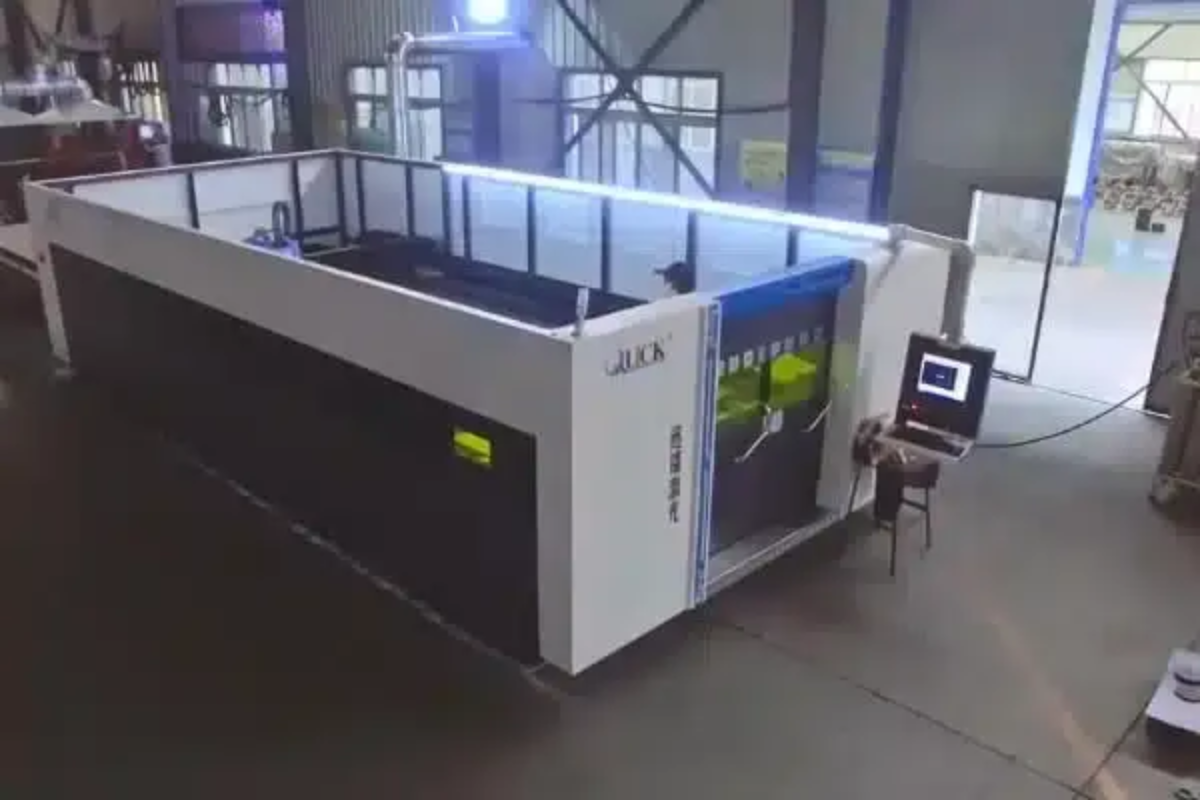
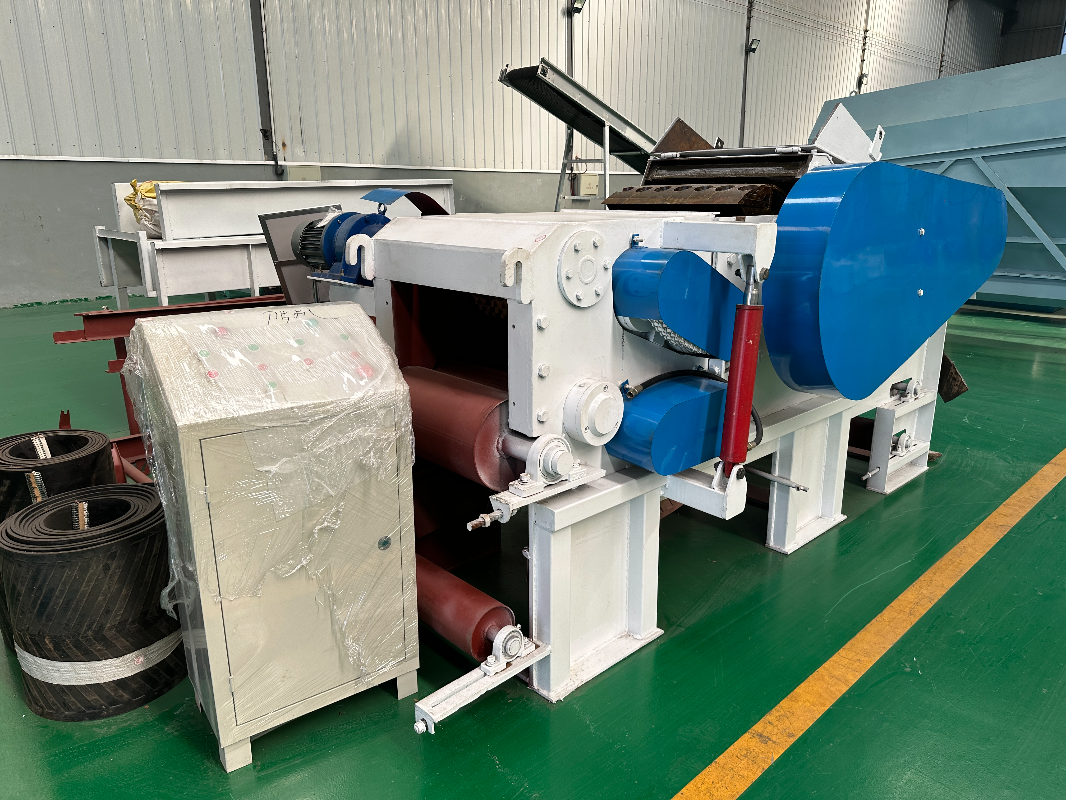
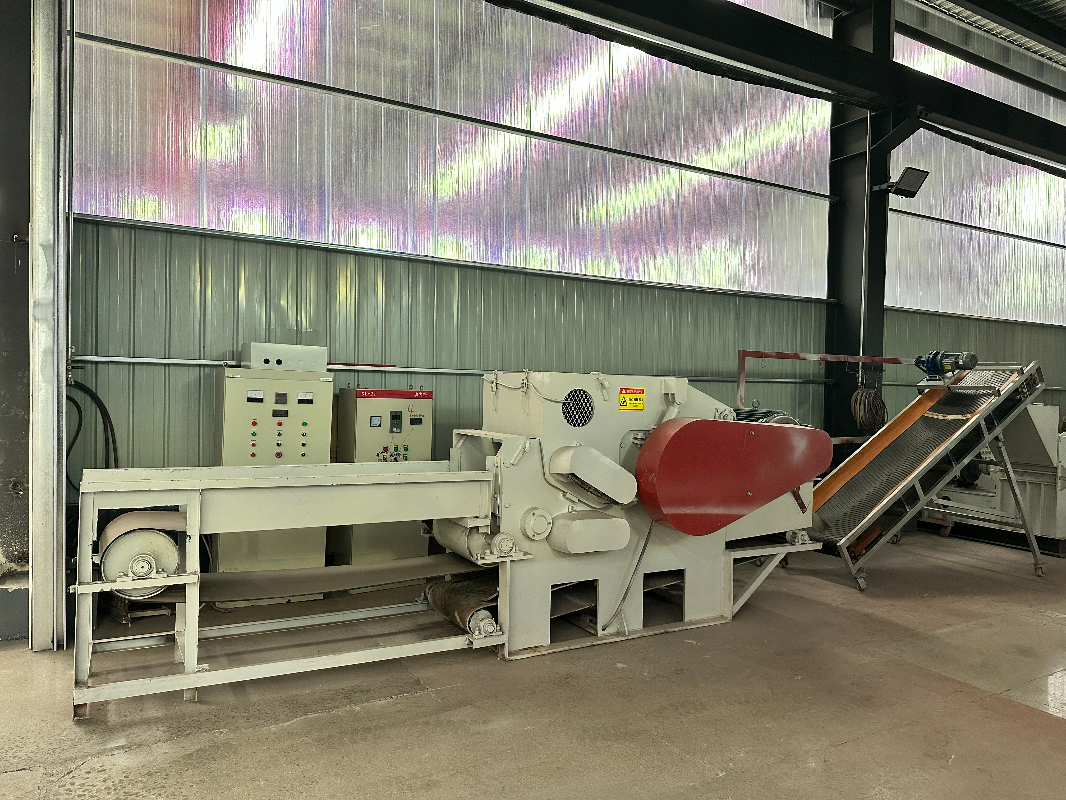
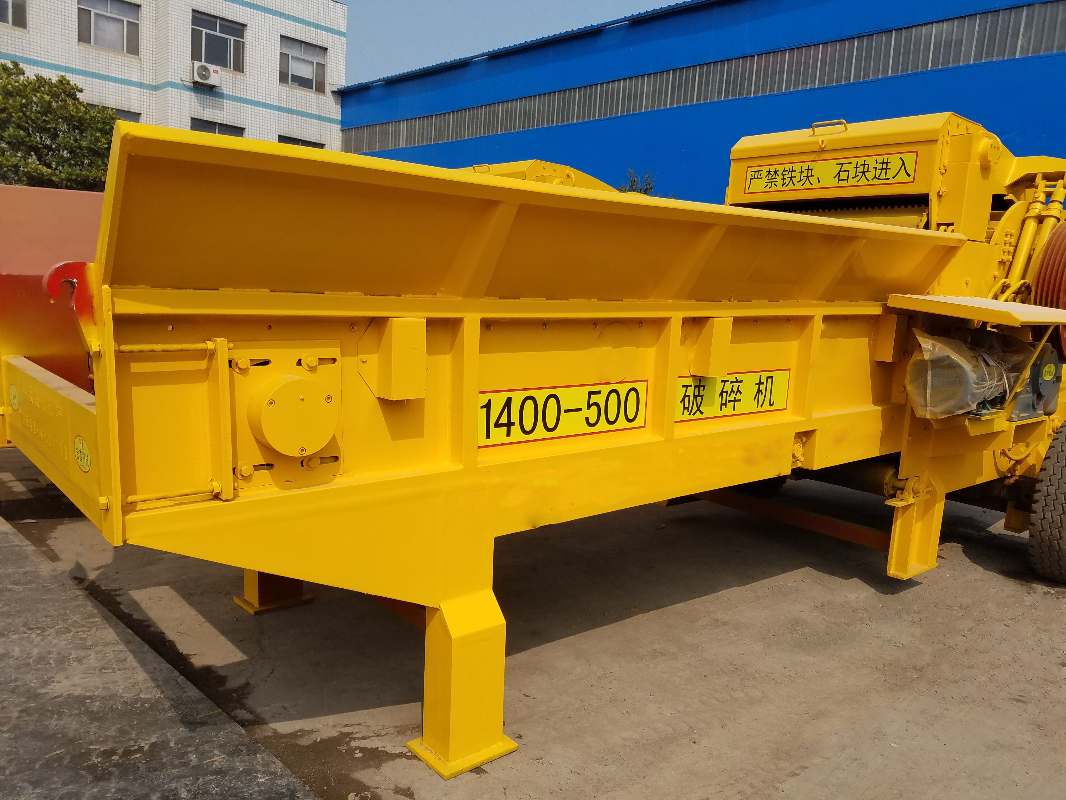
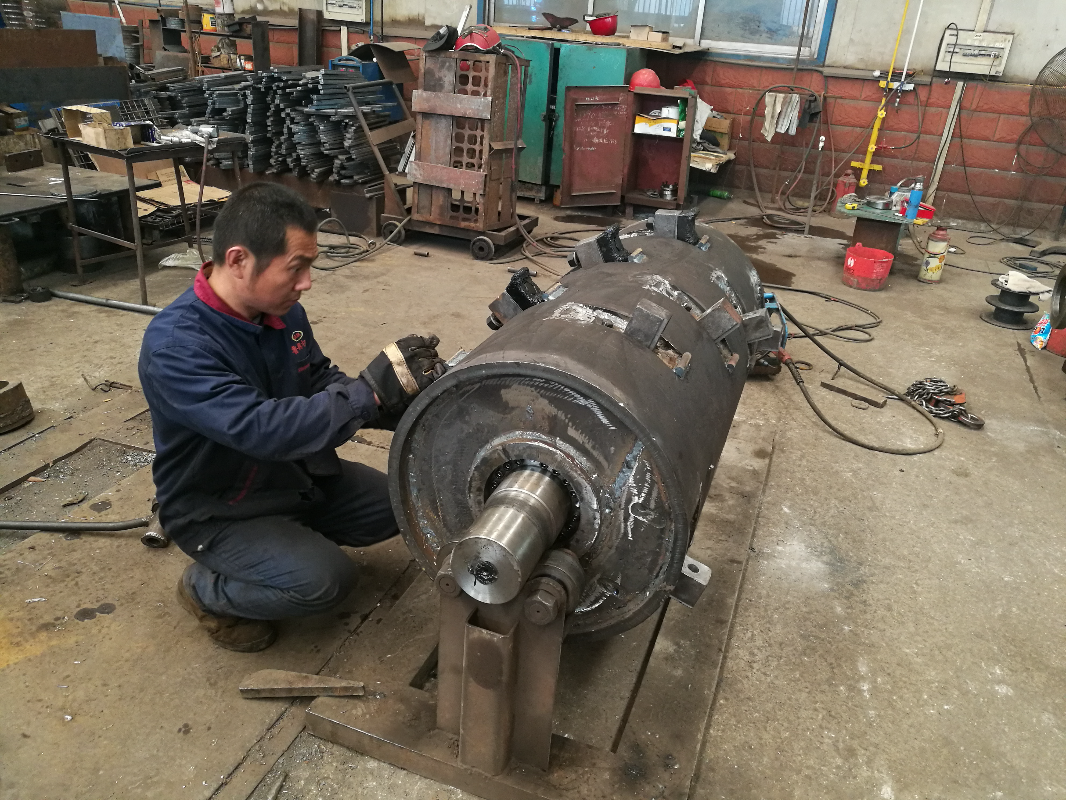
TCPEL Factory Overview
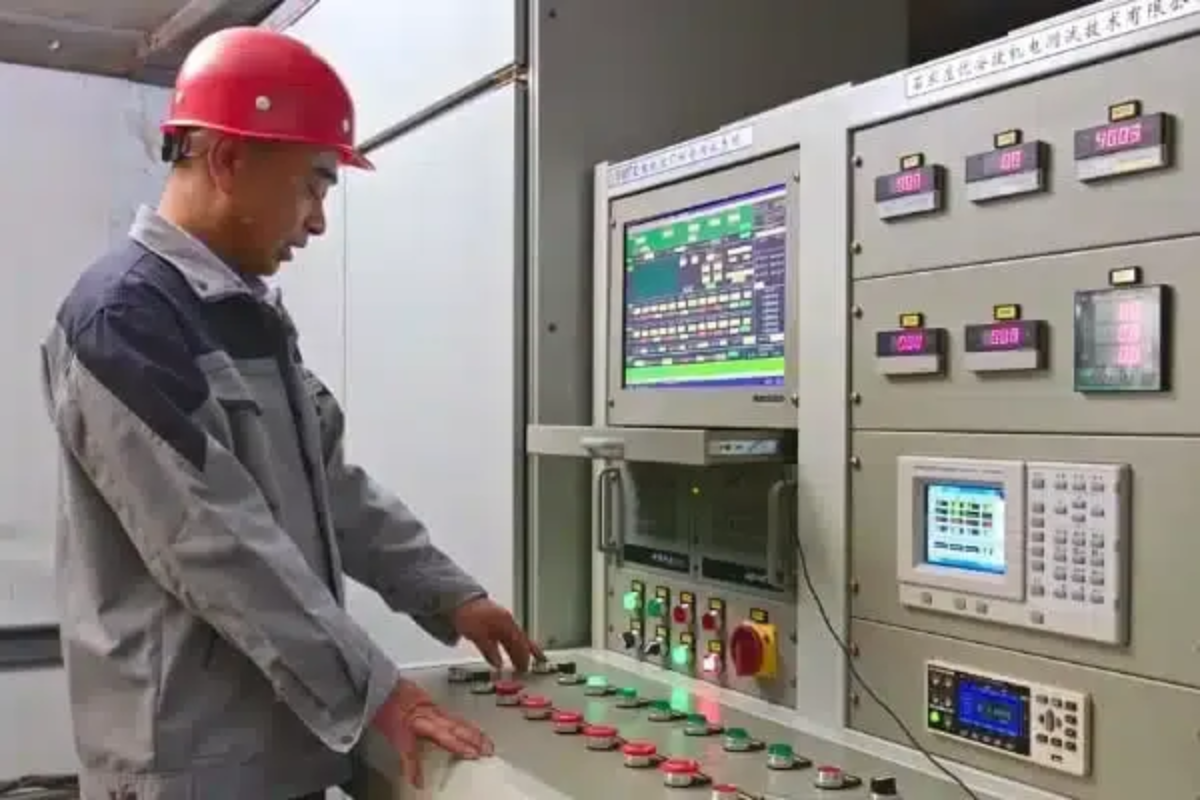
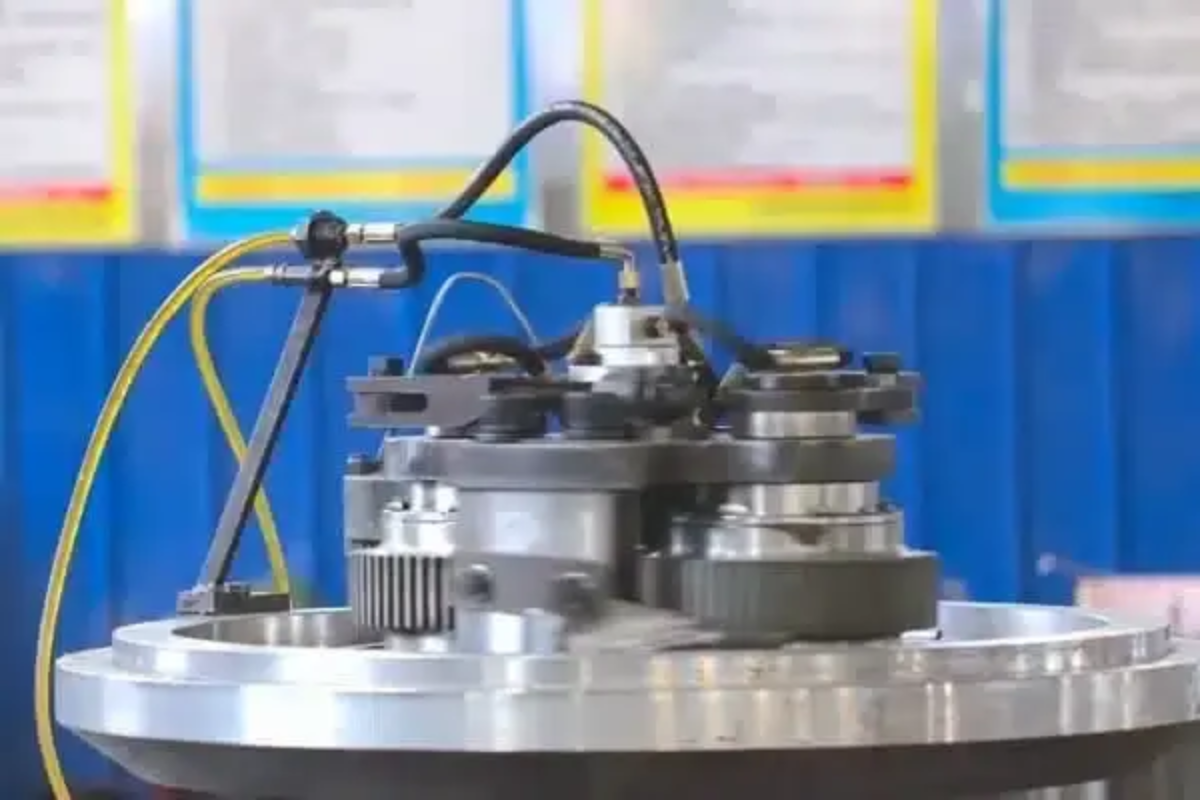
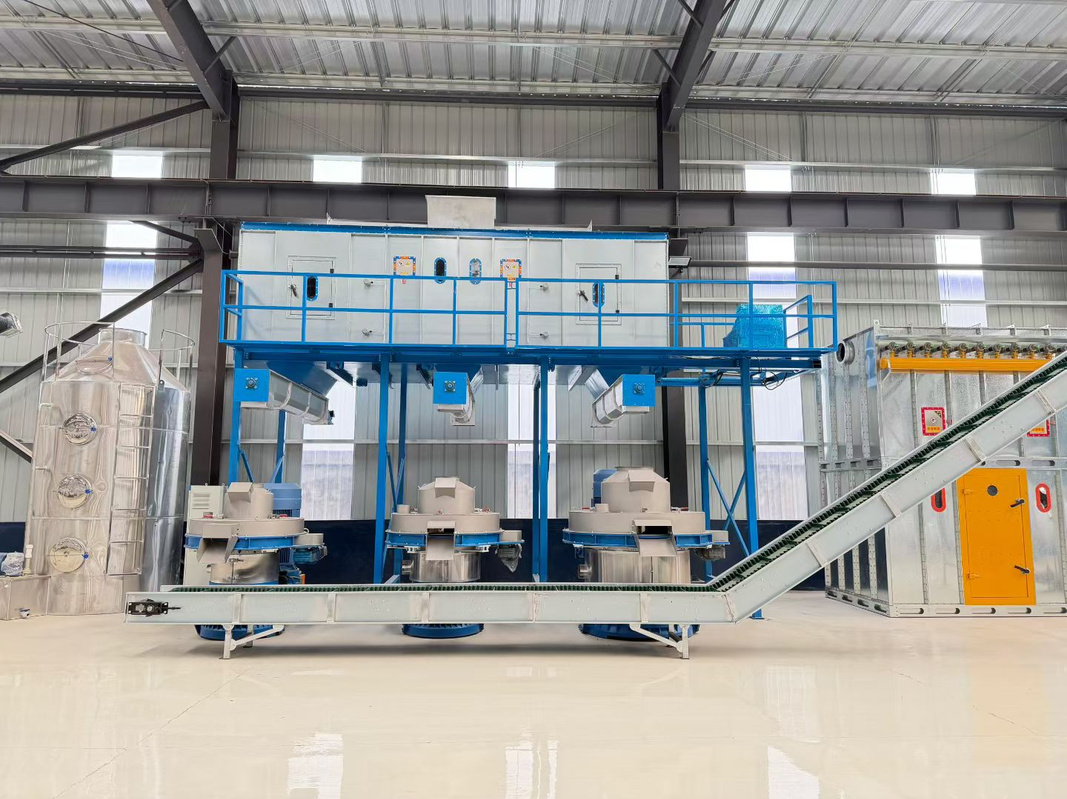
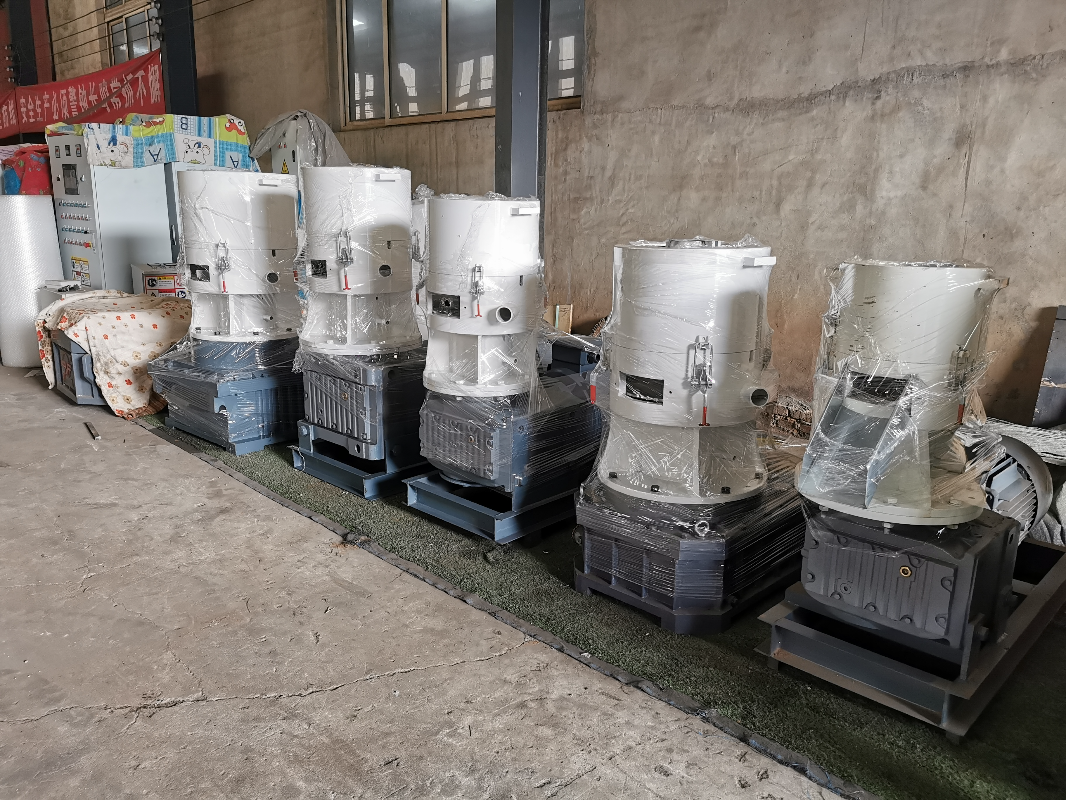
An inside look at our 20,000 m² manufacturing facility, showcasing our engineering and production capabilities.
🔍 ENLARGE
🔍 ENLARGE
🔍 ENLARGE
🔍 ENLARGE
🔍 ENLARGE
🔍 ENLARGE
🔍 ENLARGE
🔍 ENLARGE
🔍 ENLARGE
🔍 ENLARGE
🔍 ENLARGE
🔍 ENLARGE
🔍 ENLARGE
🔍 ENLARGE
🔍 ENLARGE
🔍 ENLARGE
🔍 ENLARGE
🔍 ENLARGE
🔍 ENLARGE
🔍 ENLARGE
🔍 ENLARGE
🔍 ENLARGE
🔍 ENLARGE
🔍 ENLARGE
×
Build Your Pellet Line With One Accountable Manufacturer
From an individual flat-die mill through to a complete 20 t/h facility – TCPEL designs, builds and supports every component, and provides you with a payback that’s actually justifiable.