Kontakt mit TCPEL aufnehmen

Industrielle Futterpelletmaschinen · CE-zertifiziert
Futtermittel-Pelletpresse für Hühnerfutter | Pelletpresse für Tierfutter — TCPEL
TCPEL Fertigung von Futtermittel-Pelletpressen für Hühnerfutter in Industriequalität: 11 TL-Maschinen mit geneigten Pressrollen von 150 kg/h bis 6 ton/h, CE Certified to Machinery Directive 2006/42/EC, direkt aus unserem 20,000sq m Werk in Shandong, transparente FOB Qingdao-Preise von $900 bis $22,500 pro Satz.
Leistungsbereich
150 kg/h bis 6 t/h
Exportreichweite
60+ Länder
FOB-Preis (Qingdao)
$900 $22.500
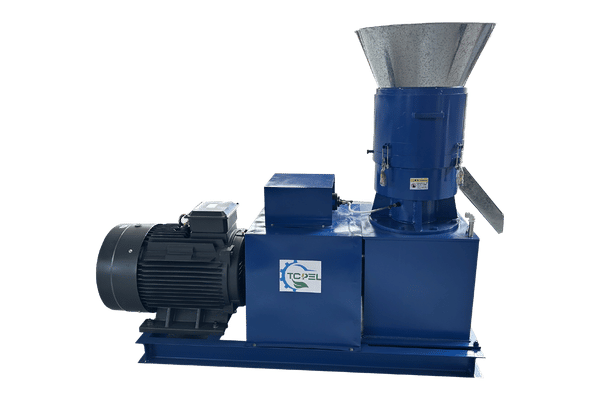
Warum Industriebetriebe auf pelletiertes Futter umsteigen
Eine Hühnerfutter-Pelletpresse bindet Mischungsbestandteile wie Geflügel, Fischmehl und/oder vollständig formuliertes Mehl wie Vitaminvormischungen gleichmäßig zu zylindrischen Pellets mit einem Durchmesser zwischen 2 mm und 10 mm. Pelletiertes Futter minimiert Verluste, erhöht die Verdaulichkeit, verlängert die Lagerfähigkeit und senkt die Futterkosten pro Tier. Für die gewerbliche oder industrielle Produktion von Masthühnern, Legehennen, Rindern, Fischen und anderem Geflügel mit mindestens 150 kg Futter pro Stunde besteht die zentrale Geschäftsentscheidung nicht mehr darin, ob eine Futterpelletpresse gekauft oder gebaut werden soll, sondern welche und welche Größe entsprechend Durchsatz, Rohstoffzusammensetzung und Zertifizierung.
3 Problemfelder führen gewerbliche Pelletkäufer mit künstlichem Futter für spezifische Betriebsanforderungen zu industriellen Futterpelletmaschinen.
1) Rohmaische Trennung bei der Lagerung als Maismehlspülen, Feinstoffe und Pulver zum Aufgehen, schonen Wildtiere/Wildpflanzen usw. bevorzugten eine äußerst energieeffiziente Schichtration und sparen bis zu 301 TP98 T Ernährung.
2) Steigende Preise für handelsübliches Futtermittel in Säcken setzen die Margen von Masthühnern unter Druck, die das USDA-Zielgewicht nach 42 Tagen erreichen sollen.
3) Stark nachgefragte, kundenspezifische Futterrezepturen, die nicht kommerziell verfügbar sind (Legehennenfutter mit hohem Lysingehalt, Aquafutter mit 30%+ Rohprotein, lokale Rezepturen für Wiederkäuer usw.), erfordern die Rezepturerstellung und Pelletierung auf dem Betrieb.
Pelletierte Futtermittel lösen diese 3 Probleme effizient gleichzeitig Nach Erhalt der Zelllängen 95% clumping reinder (PDI) Optimum Produktionsstandards gemäß Kansas State University Feed Production können nahezu Pellet Mortalität Inciter (PDI) Produktionsstandards (PDI) optimal erreichen Toter Penicillin20 Stunden Pelletneigung dämpfend (PDI) Standardproduktionsstandards (PDI) Erhöhte Clumping Inzidenz Reduzierung direkt mit stabiler Futterumwandlung und präziser Nährstoffaufnahme für alle finanziellen Eierproduzenten Infolgedessen behält jeder commommercial Integrator von Tyson zu Cobb-Vantress interne Pelletverarbeitungsbetriebe mit Zugang zu jedem Tonerzeug bei, der täglichen Pelletproduktion oder zusätzlichen Pelletproduktion.
Leistungskarte · Bronze
Was eine Pelletpresse mit geneigten Pressrollen in Industriequalität leistet
Erfahrungsberichte des Feldbetreibers etablierten Flachdüsen-Pelletmühlen mit gehärteter Düse, die eine Lebensdauer von 3000 Schalen und Kernen erreichen und 5000 Stunden sterben. Der Einsatz erfolgt in einer nicht vergüteten Broilerformulierung mit einem Speisewassergehalt von 14-161 TP98 T (einzelne Testmühlen geben wie erwartet 3000? Stunden Die Dauer. So viel, aber nicht mehr Zeit. Andere Nutzungsdimensionen hängen vollständig von der Abrasivität des Ausgangsmaterials, dem Kondieren usw. ab. Die Konstruktion einer geneigten Baumträgerwalze mit konischen Lagereigenschaften reduziert die Verminderungs-co1TP96_Ton auf normale Flachwalzen; Einfach ein Probenlauf in unserem Werk kann die spezifischen Service-00-B4-Bir-Anforderungen in Ihrer Formel-0, Z0, am besten überprüfen.
TCPEL Futterpelletpressen-Programm — 11 Industriemodelle (150 kg/h – 6 t/h)
Die TCPEL TCF Series umfasst elf Industriemodelle, beginnend mit der Einsteiger-TCF150 – 7.5 kW, 150-200 kg/h Futterpelletpresse für Masthühner für den Betrieb mit 5,000 Tieren — bis zur TCF800, einer 132 kW Drei-Pressrollenpresse mit 5,000-6,000 kg/h für Legehennen- oder Rinderfutteranlagen in Integratorgröße. Alle Modelle verfügen über dreiphasige 380V 50/60Hz Anschlussleistung, eine stoßdämpfende Kraftübertragung mit Doppel-Kardangelenk in Automobilqualität, eine geneigte Zwei-Pressrollen- (TCF150-TCF450) oder geneigte Drei-Pressrollengeometrie (TCF550-TCF800) und Markenmotoren mit 100% Kupferwicklung. Der Matrizenlochdurchmesser kann bei der Bestellung mit 2, 3, 4, 5, 6, 7, 8 oder 10mm angegeben werden und ermöglicht ein einziges Design für die Produktion von Masthühner-Starterfutter (2-3mm), Legehennenpellets (3-5mm), Rinderpellets (6-10mm) oder Aquafutter (2-3mm).
| Modell | Kapazität | Pressrollentyp | Leistung | Spannung | Gewicht | Abmessungen (mm) | FOB Qingdao |
|---|---|---|---|---|---|---|---|
| TCF150 | 150-200 kg/h | Geneigte zwei Walzen | 7.5 kW | 380V/3PH | 190 kg | 1220 × 620 × 840 | $900 |
| TCF200 | 300-400 kg/h | Geneigte zwei Walzen | 11 kW | 380V/3PH | 270 kg | 1420 × 670 × 1100 | $1,600 |
| TCF250 | 600-800 kg/h | Geneigte zwei Walzen | 15 kW | 380V/3PH | 480 kg | 1660 × 740 × 1220 | $2,400 |
| TCF300 | 800-1000 kg/h | Geneigte zwei Walzen | 22 kW | 380V/3PH | 650 kg | 1830 × 880 × 1560 | $2,700 |
| TCF350 | 1000-1200 kg/h | Geneigte zwei Walzen | 30 kW | 380V/3PH | 750 kg | 1960 × 920 × 1680 | $3,600 |
| TCF400 | 1400-2000 kg/h | Geneigte zwei Walzen | 37 kW | 380V/3PH | 900 kg | 2550 × 980 × 1600 | $4,300 |
| TCF450 | 2000-2500 kg/h | Geneigte zwei Walzen | 45 kW | 380V/3PH | 1500 kg | 2780 × 1100 × 1700 | $6,300 |
| TCF550 | 2500-3500 kg/h | Geneigte drei Walzen | 75 kW | 380V/3PH | 1800 kg | 2900 × 1300 × 1900 | $9,500 |
| TCF650 | 3000-4000 kg/h | Geneigte drei Walzen | 90 kW | 380V/3PH | 2100 kg | 2950 × 1500 × 2000 | $14,500 |
| TCF700 | 4000-5000 kg/h | Geneigte drei Walzen | 110 kW | 380V/3PH | 2500 kg | 3000 × 1600 × 2100 | $18,800 |
| TCF800 | 5000-6000 kg/h | Geneigte drei Walzen | 132 kW | 380V/3PH | 2900 kg | 3150 × 1800 × 2200 | $22,500 |
Alle angegebenen Kapazitäten gelten für Standard-Masthühnermehl (14-16% Feuchtigkeit, 18% Fett, mindestens 16.5% Rohprotein). Der Pelletdurchmesser kann bei der Bestellung auf 2/3/4/5/6/7/8/10mm angepasst werden. Der Kunde muss den gewünschten Pelletdurchmesser vor der Fertigung bestätigen.
Entscheidungsmatrix — Welches TCF-Modell passt zu Ihrem Betrieb?
Hinterhof / Hobby (1,000 Tiere oder weniger)
Unterhalb der TCPEL-Mindestgröße — ziehen Sie lokale Verbrauchermühlen mit 3-5 kW in Betracht. Nicht unser Zielmarkt.
Kleiner gewerblicher Betrieb (5,000-15,000 Masthühner)
TCF150 ($900) oder TCF200 ($1,600) — 150-400 kg/h decken eine tägliche Produktion von 8-12 Stunden ab. Einschichtbetrieb.
Mittelgroßer Betrieb oder Futtermittelhändler (50,000 Tiere)
TCF250 bis TCF350 ($2,400-$3,600) — 600-1200 kg/h entsprechen einer Produktion an 6 Tagen pro Woche mit Sicherheitsreserve.
Großer Integrator oder Futtermühle (200,000+ Tiere)
TCF400 bis TCF550 ($4,300-$9,500) — 1.4-3.5 t/h möglich. Die Dreiwalzenausführung beginnt bei TCF550 für höheren Druck bei anspruchsvolleren Rezepturen.
Industrielle Futtermühle (mehrere Tierarten)
TCF650 bis TCF800 ($14,500-$22,500) — 3-6 t/h mit drei Walzen und verstärktem Getriebe. Kombinierbar mit TCPEL Hammermühle, Rotationstrockner, Kühler und Verpackungslinie für schlüsselfertige Anlagen mit 100,000+ ton/year.
⚠ Kritische Motorleistungsspezifikation
Ein Merkmal der TCF-Serie verdient besondere Erwähnung: Dreiphasiger 380V-50/60 Hz-Gewerbestrom ist für jedes TCF-Modell erforderlich. Diese vollständig industriellen Einheiten sind für den lizenzierten gewerblichen Betrieb von Futtermühlen, den Betrieb von Anlagen im Besitz von Integratoren oder für Betriebe mit Drehstromanschluss ausgelegt; Anwendungen mit einphasigem 220V-Hausstrom werden nicht unterstützt. Käufer ohne Drehstrom sollten einen Netzausbau, einen Aufwärtstransformator vor Ort oder die Wahl eines kleineren Geräts der Haushaltsklasse (von einem anderen Anbieter) einplanen. Diese Spezifikation ist entscheidend, da sie es der Schrägwalzengeometrie ermöglicht, bei schwierigen Rezepturen wie Aquafutter mit 30%+ Rohprotein oder faserreichen Wiederkäuerpellets zuverlässiges Drehmoment zu liefern.
Die Integration Ihrer neuen Pelletpresse in eine vollständige mehrstufige Futterlinie mit Hammermühle, Rotationstrockner, Konditionierer, Kühler und Absackung ist unsere Spezialität. → Angebot für eine vollständige Produktionslinie anfordern mit Linienbilanzanalyse.
Technischer Vergleich in 6 Dimensionen — TCPEL geneigte Pressrolle vs. herkömmliche flache Pressrolle
Der weltweit führende Verursacher von Problemen bei gewerblichen Futterpellets war die Flachmatrizenpresse. Und noch heute beginnt jede Studie zu versteckten Kosten – ob aus einer Fachzeitschrift, von einem OEM, Eigentümer oder Forschungsinstitut – mit dieser unbequemen Tatsache, denn Ausfälle von Flachmatrizen und ungleichmäßiger Matrizenverschleiß gelten allgemein als die kostspieligste einzelne Komplikation in Futtermühlen. Ihre Flachmatrizenpresse, die bei 2,000 Stunden auf Masthühnermehl unter Volllast läuft, verbraucht Matrizen in 1,500-3,000 Stunden – und unerfahrene Bediener verbringen bei Flachmatrizenpressen allzu oft einen halben Tag damit, schwere Matrizenverstopfungen zu beseitigen, die eine ganze Futterlinie stillsetzen.
Alle Erkenntnisse und Beiträge aus unserer Beratungsarbeit legen nahe, dass die beste technische Antwort darin besteht, Matrizenverschleißlöcher mit einer Geometrie geneigter Pressrollen zu schützen, die speziell darauf ausgelegt ist, dem Verschleiß in Masthühner- und Rinderbetrieben entgegenzuwirken. Nachfolgend finden Sie einen Vergleich anhand von sechs kritischen Konstruktionsdimensionen und Kriterien, die ein Futtermühleningenieur bei der Spezifikation bewerten würde:
Technische Dimension
Herkömmliche flache Pressrolle
TCPEL geneigte Pressrolle
1 Lagerdichtung & Schmierung
Standard-Kugellager. Eindringender Futterstaub verschlechtert im Laufe der Zeit das Fett, beschleunigt den Verschleiß der Walzenwelle und erfordert manuelles Nachfetten in jeder Schicht.
Die Kegelrollenlagerdichtung verhindert das Eindringen von Futterstaub. Eine automatische Ölpumpe (TCF300+) schmiert Hauptwelle und Getriebe während des Betriebs — kein manuelles Nachfetten während der Produktionsläufe.
2 Druckverteilung auf der Matrizenoberfläche
Der Druck konzentriert sich auf den äußeren Matrizenrand. Der Kantenverschleiß schreitet 2-3× schneller voran als im Zentrum, was zu einer ungleichmäßigen Pelletdichte führt.
Die konische Pressrolle hält vollflächigen Kontakt mit der Matrizenoberfläche. Der Druck wird gleichmäßig über die radiale Position verteilt — gleichmäßiger Matrizenverschleiß, längere effektive Standzeit.
3 Beherrschung der Zentrifugalkraft
Hohe Drehzahlen erzeugen Zentrifugalvibrationen. Leichtere Grundgussstücke und Standard-Untersetzungsgetriebe verstärken die Wellendurchbiegung über Tausende von Betriebsstunden.
Die geneigte Geometrie wirkt dem Zentrifugalkraftvektor entgegen. Verdickter Gussfuß + vergrößertes Untersetzungsgetriebe dämpfen Restvibrationen. Ruhigerer Langzeitbetrieb.
4 Vielseitigkeit für unterschiedliche Materialien
Optimiert für weiche Futtermischungen (Mais-Soja-Ration für Masthähnchen). Hartes Sägemehl oder faserreiches Stroh verstopft die Löcher und lässt den Motor stehen bleiben.
Die Konfiguration mit rotierender Pressrolle und stationärer Matrize konzentriert das Motordrehmoment auf die Pressrolle und ermöglicht die Pelletierung von Rinderfutter, Biomasse-Sägemehl, landwirtschaftlichem Stroh und sogar bestimmten Kunststoffen — ohne Verstopfen der Matrizenlöcher.
5 Matrizenmaterial & Anpassung
Standard-Matrizenstahl. Der Lochdurchmesser ist häufig auf 6 mm festgelegt. Ersatzmatrizen werden von Dritten in unterschiedlicher Qualität bezogen.
Hochfester, verschleißbeständiger Flachmatrizenstahl; Lochdurchmesser bei Bestellung vom Kunden von 2 bis 10 mm festgelegt; OEM-Ersatzmatrizen entsprechen den Werkstoleranzen und werden zusammen mit der Pelletpresse geliefert.
6 Wärmeabfuhr & Wartungszugang
Das kompakte Gehäuse begrenzt den Luftstrom. Häufige thermisch bedingte Abschaltungen bei Dauerlast. Die Einstellung des Walzen-Matrizen-Abstands erfordert eine teilweise Demontage.
Standardmäßig mit Öleinfüllöffnung, Ölpeilstab und speziellen Wärmeabfuhröffnungen bei jedem Modell. Eine große Einstellschraubenmutter mit mitgeliefertem Maulschlüssel ermöglicht die Einstellung des Walzenabstands in unter 5 Minuten ohne weiteres Werkzeug.
„Unsere internen Tests zeigten, dass der frühe Verschleiß der Flachmatrize auf eine ungleichmäßige Druckverteilung bei einer einringigen flachen Pressrolle zurückzuführen war. Daraufhin haben wir ein geneigtes Pressrollendesign entwickelt, das diesem Verschleißbild entgegenwirkt – indem es die Kraft gleichmäßig über die gesamte Matrizenfläche verteilt, für maximale Lebensdauer bei den anspruchsvollsten Rezepturen“.
Zwei weitere technische Punkte sind erwähnenswert, da sie die Zuverlässigkeit unter realen Bedingungen über die gesamte Lebensdauer der Anlage betreffen. Die elektrischen Komponenten aller TCF-Modelle verwenden bewährte chinesische Industriemarken CHINT und Delixi, dieselben Marken, die auch an Montagelinien von Foxconn und BYD spezifiziert sind, mit geordneten Kabelverbindungssträngen, die in den mit jeder Einheit gelieferten Wartungshandbüchern detailliert beschrieben sind. Die mechanische Kraftübertragung verwendet eine Kfz-Hochleistungs-Doppelgelenkkupplung zwischen Motor und Getriebe, ähnlich der Wellenarchitektur von Antriebswellen schwerer Lkw; diese gleicht Drehmomentschwankungen beim Eintrag von Fremdkörpern während des Betriebs aus (selten, aber möglich), ohne dass Getriebe oder Motor durch den Aufprall beschädigt werden.
Möchten Sie die Spezifikationen der TCPEL-Presse mit geneigten Walzen anhand Ihrer exakten Rezeptur mit Ihrer bestehenden Pelletpresse vergleichen?
Senden Sie uns Ihr Rohstoffdatenblatt zur AnalyseAnwendungsmatrix nach Tierart — Welches TCPEL-Modell für Ihren Betrieb
Die TCF-Konstruktion deckt das gesamte Spektrum kommerzieller Tierfutter ab, von 2-mm-Starterpellets für Masthähnchen bis zu 10-mm-Rinderfutter und Aquafutter mit 30% Rohprotein. Hier ist die Anwendungsmatrix, auf die sich unsere Anwendungstechniker während des Angebotsprozesses beziehen, um Endanwender bei der Empfehlung von Modell – Pelletdurchmesser – sowie kompatibler vor- und nachgelagerter Ausrüstung zu unterstützen. Nutzen Sie sie als Leitfaden; Ihre endgültige Wahl hängt letztlich davon ab, dass Sie den Feuchtigkeitsgehalt Ihres eigenen Futtermittels, den Faseranteil und den angestrebten Durchsatz kennen.
| Tier / Anwendung | Empfohlenes TCF-Modell | Pellet-Ø | Rohprotein-Zielwert | Hinweise |
|---|---|---|---|---|
| Masthähnchen (Starter) | TCF150 – TCF300 | 2 – 4 mm | 22-24% | Kleine Pellets verringern die Belastung des Muskelmagens; Zielwert für Feinanteil <5%. |
| Masthähnchen (Mast-/Endphase) | TCF200 – TCF350 | 3 – 5 mm | 16.5-20% | NRC-Mindestwert 16.5%; 14-16% Feuchte des Futtermehls für eine stabile Pelletierung. |
| Legehühner | TCF200 – TCF300 | 3 – 5 mm | 16-18% | Calcium 3.5-4% für die Schalenqualität; Phosphor mind. 0.5%. |
| Rinder / Mastbetrieb | TCF400 – TCF550 | 6 – 10 mm | 12-14% | Verträgt einen höheren Faseranteil. Verstärkte TCF550+ für luzernereiche Rationen empfohlen. |
| Großversorgung für Geflügelfarmen | TCF550 – TCF700 | 3 – 5 mm | Individuelle Rezeptur | Dreiwalzengeometrie für 24/7-Betrieb; kombinierbar mit Kühler + Verpackungslinie. |
| Aquakultur (Fisch, Garnelen) | TCF250 – TCF400 | 2 – 3 mm | 30-45% | Proteinreiche Rezepturen. Für schwimmendes Fischfutter einen vorgeschalteten Extruder ergänzen; die Pelletpresse allein erzeugt sinkendes Futter. |
| Ziege / Schaf / Wiederkäuer | TCF200 – TCF350 | 4 – 6 mm | 14-16% | Langfaserige Rohstoffe (Luzerne, Haferheu) müssen zuvor mit einer TCPEL-Hammermühle gemahlen werden. |
| Biomasse / Sägemehlpellets (kein Futtermittel) | TCF250 – TCF450 | 6 – 8 mm | — | Mit Pelletpressen mit geneigten Walzen möglich; für die Holzpelletierung in hohen Mengen werden im industriellen Maßstab typischerweise Ringmatrizenpressen bevorzugt. |
Breite Rohstoffkompatibilität
Die Maschinen sind mit zahlreichen Rohstoffen kompatibel. TCPEL-Futterpelletpressen verpressen Standardrezepturen für Hühnerfutterpellets aus Mais, Sojaschrot, Luzernepellets, Erbsen, Hafer, Weizen, Gerste und einer Vormischung aus Aragonit, Salz, Krabbenmehl, Leinsamen, Seetang, Fischmehl und kultivierter Hefe — derselben Zutatenkombination, die das KSU-Referenzrezept für die Futtermittelproduktion für ernährungsphysiologisch vollständige Masthähnchenrationen vorsieht.
Kritische Feuchtigkeitstoleranz
Ein Betriebsfaktor betrifft den Großteil aller Qualitätsbeanstandungen, die wir von Kunden hören: die Rohstofffeuchte. Spezialisten für Futteranlagen empfehlen einen Feuchtigkeitsbereich des Endprodukts von 12-18%. Oberhalb von 18% verstopft die Matrize, und die Pellets werden weich und schwammig. Unterhalb von 12% bildet sich die Binderschicht nicht, und die Pellets zerfallen beim Austritt aus der Matrize. Unsere TA-Techniker arbeiten bei der Inbetriebnahme eng mit jedem Kunden zusammen, um die Feuchte des Materialstroms innerhalb einer engen Toleranz festzulegen; bei Betrieben mit mehreren Futtersorten empfehlen wir eine Messung mit einem Feuchtigkeitsmessgerät am Auslass des Konditionierers.
Einblick in die TCPEL-Fabrik — Exporte in 60+ Länder & Produktionsaufnahmen
ALLWIN INTERNATIONAL CO.,LTD, die rechtlich eingetragene Gesellschaft, der die Marke TCPEL gehört, stellt seit 2020 Pelletieranlagen in einer kombinierten 20000 sq-m großen Anlage im Zhangqiu District, Jinan, Shandong Province her.
Die Fabrik beschäftigt über 100 Produktionsmitarbeiter für interne Forschung und Entwicklung, Fertigung, Montage und Qualitätssicherung. Dieses Produktsortiment ist nur ein Segment des Portfolios – die Herstellung von Trommelhackern, Hammermühlen, Rotationstrocknern, Pelletkühlern, Pelletverpackungsmaschinen und kompletten Pelletanlagen ermöglicht es diesem Unternehmen, den weltweiten Bedarf an Futterlinien schlüsselfertig aus einer Hand zu decken.
Weltweiter Anlagenbestand
Bis heute wurden TCPEL-Anlagen in kommerziellen Futtermittelwerken in mehr als 60 Märkten weltweit installiert. Diese Liste ist nicht vollständig und belegt die bisherigen Lieferungen mit dokumentiertem Kundendienst:
Eine Frage, die uns Käufer aus Übersee — überwiegend Erstimporteure — ständig stellen, lautet: „Wären diese aus chinesischen Fabriken stammenden Teile für den langfristigen kommerziellen Einsatz verfügbar?“. Hier ist die unverblümte Wahrheit: Viele markenlose Standardteile, die von Marktplätzen oder Maklern auf grenzüberschreitenden Portalen verkauft werden, können minderwertige No-Name-Motoren, wiederverwendete Getriebegehäuse (ungeordnet im Regal) und minderwertige legierte Stahlpakete sein. OEM-Industrieanlagen, die direkt von einer zuverlässigen Fabrik wie TCPEL bezogen werden, verfügen über Markenkomponenten (CHINT, Delixi), Bedien- und Aufwickelmotoren aus reinem Kupfer, tragende Gelenke in Automobilqualität, und wir stellen für jede Anforderung eine vollständige Stückliste für die Montage bereit. Jede EC12 wird für eine 30-tägige Transportlieferung in einem Schwerlast-Sperrholzkäfig verpackt, und „Endnutzerstatistiken“ von jedem Etikett werden mit Installationsdatum, Konfiguration, Modellnummer und Anfragekanal verknüpft — sodass Änderungsaufträge für Anlagen, technische Anfragen und Anfragen zur Wartungsgarantie einem offiziellen Abrufdatensatz statt irgendeinem allgemeinen „Melden Sie sich bei uns“ zugeordnet werden.
Möchten Sie vor der Bestellung eine Videoführung zum konkreten TCF-Modell, das Sie in Erwägung ziehen?
Fordern Sie einen modellspezifischen Video-Rundgang durch die Fabrik anCE-zertifiziert gemäß EU-Maschinenrichtlinie 2006/42/EC
Alle Futterpelletpressen von TCPEL für den Betrieb sind gemäß der EG-Maschinenrichtlinie 2006/42/EC CE-gekennzeichnet. Die Maschinenrichtlinie legt die Gesundheits- und Sicherheitsanforderungen fest, die Industriemaschinen erfüllen müssen, um in der EU verkauft werden zu können, und laut EUR-Lex ist die CE-Kennzeichnung das einzige Konformitätszeichen mit den Anforderungen der Richtlinie. Für Eigentümer außerhalb der EU dienen CE-Zertifizierer als standardmäßiger unabhängiger externer Nachweis dafür, dass die Maschine einer Form unabhängiger Prüfung der technischen Unterlagen zu elektrischer Sicherheit, mechanischen Schutzeinrichtungen, Not-Aus und Details der Risikobewertung unterzogen wurde.
CE | 2006/42/EC
Futterpelletpresse
Zert.-Nr. NTS2307072S
CE | 2006/42/EC
Hammermühle
Zert.-Nr. NTS2307071S
CE | 2006/42/EC
Pelletkühler
Zert.-Nr. NTS2307073S
CE | 2006/42/EC
Pelletverpackung
Zert.-Nr. NTS2307069S
CE | 2006/42/EC
Trommelhacker
Zert.-Nr. NTS2307074S
CE | 2006/42/EC
Staubabscheider
Zert.-Nr. NTS2307070STechnischer Leistungsstandard
Das CE ist der Anfang, nicht das Ende. Das Maschinendesign unterstützt außerdem die Spezifikationen des Pelletindex für mechanische Festigkeit (PDI), die in der kommerziellen Futtermittelindustrie verwendet werden – kommerzielle Kunden, die 95% PDI anstreben (gemäß den Richtlinien der Kansas State University Feed Production), können während der Angebotserstellung unsere internen PDI-Ergebnisse für Musterrezepturen einsehen.
Beschaffungsleitfaden — FOB-Preise, Lieferzeit, Ersatzteile & Versand
TCPEL verwendet eine transparente FOB-Qingdao-Preisstruktur. Für alle Modelle der TCF-Serie ist ein USD-Preis veröffentlicht (siehe Modellübersicht (oben)); alle Preise sind bei Auftragsbestätigung zu 100% per T/T zahlbar, wobei die Fertigung abgeschlossen und die Ware innerhalb von 15 Arbeitstagen nach Eingang der vollständigen Zahlung am Dock bereitsteht. Die Mindestbestellmenge beträgt 1 Set – wir verlangen von Erstkäufern, die für Basistests eine Presse unter 2 t/h auswählen möchten, keine Mindestbestellung mehrerer Einheiten. Der einfache Grund dafür ist, dass ein Interessent, der eine Presse unter 2 t/h bewertet, nicht gleich eine Flotte kaufen sollte, nur um die Verarbeitungsqualität zu testen, während ein Interessent, der expandiert, die Qualität bereits von der ersten Einheit kennen würde, bevor er einen Kauf mehrerer Linien tätigt.
Zahlungsbedingungen
100% T/T bei Auftragsbestätigung. Bank:ZHEJIANG E-COMMERCE BANK CO. LTD, Hangzhou. SWIFT: ZHECCNBBXXX. Begünstigter: ALLWIN INTERNATIONAL CO.,LTD. Vollständige Bankdaten und eine Proforma-Rechnung werden ausgestellt, wenn die RFQ angenommen wurde.
Lieferzeit
15 Arbeitstage nach Eingang von T/T. Der oben genannte Zeitraum gilt für Konstruktion, Produktion, interne QC-Prüfung, Verpackung und Versandvorbereitung zum Hafen Qingdao. Seefracht ab dem Hafen Qingdao ist optional, wird vom Käufer organisiert oder auf Anfrage angeboten.
Verpackung
Schwere Sperrholzkisten, ausgelegt für 30-day-Seetransporte. Interne Verstrebungen schützen Getriebe, Motorflansch und Pressrollenbaugruppe vor Stößen bei der Hafenabfertigung. Dokumentationspaket in der Kiste enthalten.
Anpassung des Pelletdurchmessers
Der Käufer bestellt den Matrizenlochdurchmesser bei der Bestellung: 2 3 4 5 6 7 8 oder 10 mm. Standardmäßig 6 mm, falls nicht angegeben. Bestellungen mit mehreren Matrizen sind willkommen -wir liefern gegen Aufpreis bis zu vier austauschbare Matrizen mit der Presse, sodass eine Maschine Rezepturen für Masthähnchen, Legehennen, Rinder und Aquakultur abdecken kann.
Richtlinie für Ersatzmatrizen
Ersatzmatrizen und Pressrollensätze sind in unserem Werk in Shandong auf Lager und werden nach Zahlungseingang noch in derselben Woche versandt. Matrizen sind innerhalb der Werkstoleranzen auf Ihr spezifisches TCF-Modell abgestimmt – Matrizen von Drittanbietern mit ungewisser Qualität sind nachweislich eine Hauptursache für vorzeitigen Verschleiß, daher empfehlen wir dringend OEM-Ersatzteile.
Kundendienst
Jede Lieferung wird mit Modell, Konfiguration, Installationsdatum und direktem technischem Kontaktkanal (WhatsApp/email/phone) in unserer Kundendatenbank erfasst. Ersatzteilbestellungen, Beratung zur Rezepturoptimierung und Garantieansprüche werden Ihrer Akte zugeordnet, nicht einer allgemeinen Helpdesk-Warteschlange.
Zwei besondere Beschaffungsszenarien
Zwei Beschaffungsszenarien erfordern eine besondere Beratung. Wenn Sie eine komplette Pelletieranlage beschaffen – Hammermühle zum Mahlen, Konditionierer zur Dampfkonditionierung, Pelletpresse, Kühler, Sieb und Verpackungssystem – fragen Sie nach einem Angebot für eine schlüsselfertige Linie. Wir dimensionieren jede abschließende Baugruppe für einen stabilen Durchsatz, die Lieferung von einem einzigen OEM und die Inbetriebnahme als ein Projekt statt fünf separater Pakete.
Wenn Sie lediglich eine Pumpe in einer autorisierten bestehenden Linie installieren oder aufrüsten, senden Sie uns das aktuelle Linienlayout, die Rohstoffart und den geplanten Durchsatz – wir empfehlen das am besten passende TCF-Modell sowie gegebenenfalls eine Änderung der Matrizenlochgröße oder Pressrollenkonfiguration, wenn dies hilfreich ist.
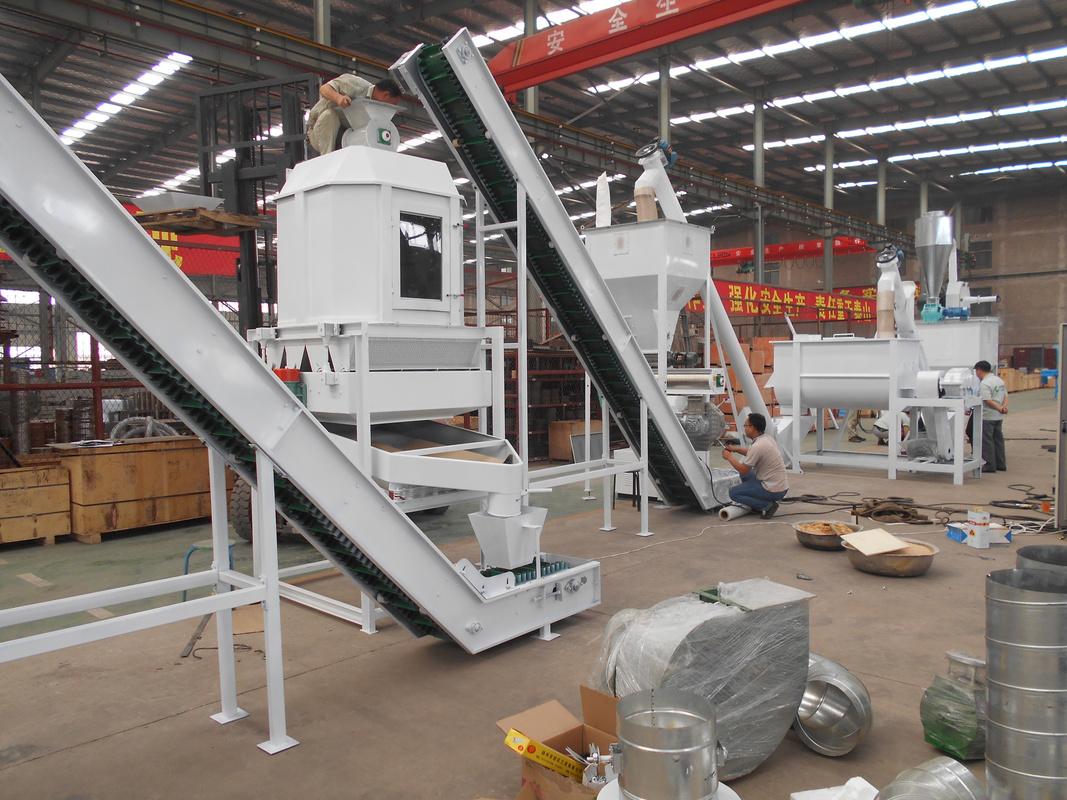
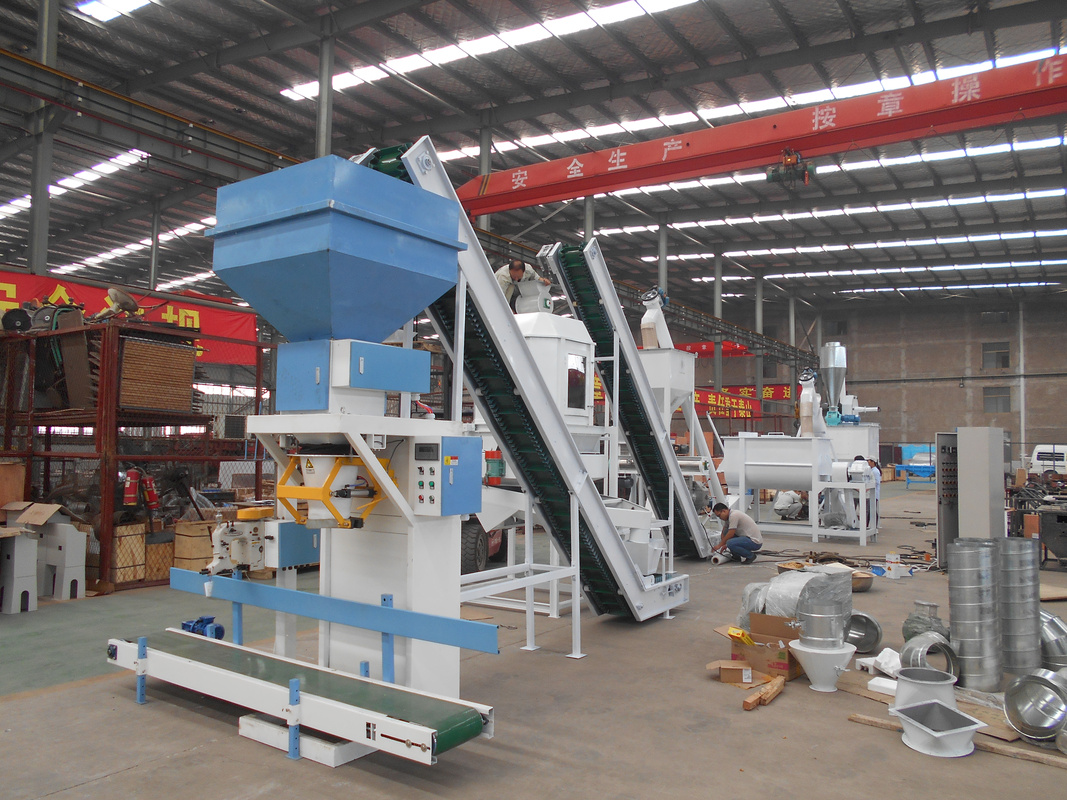
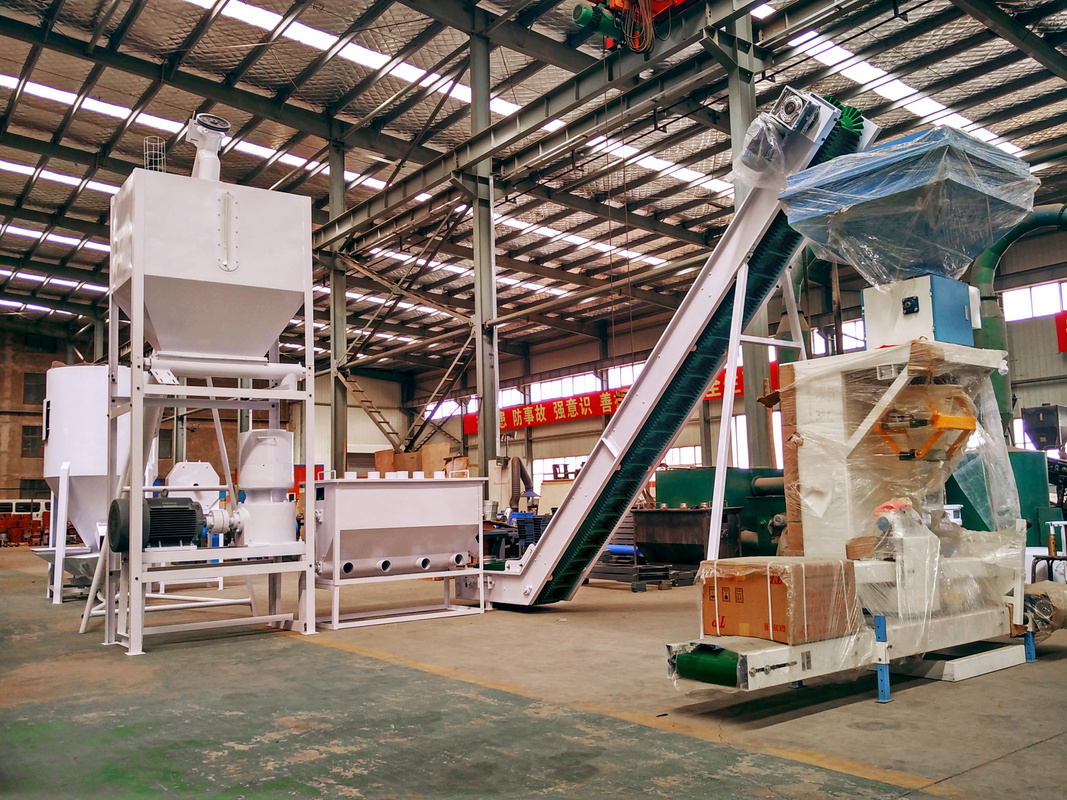
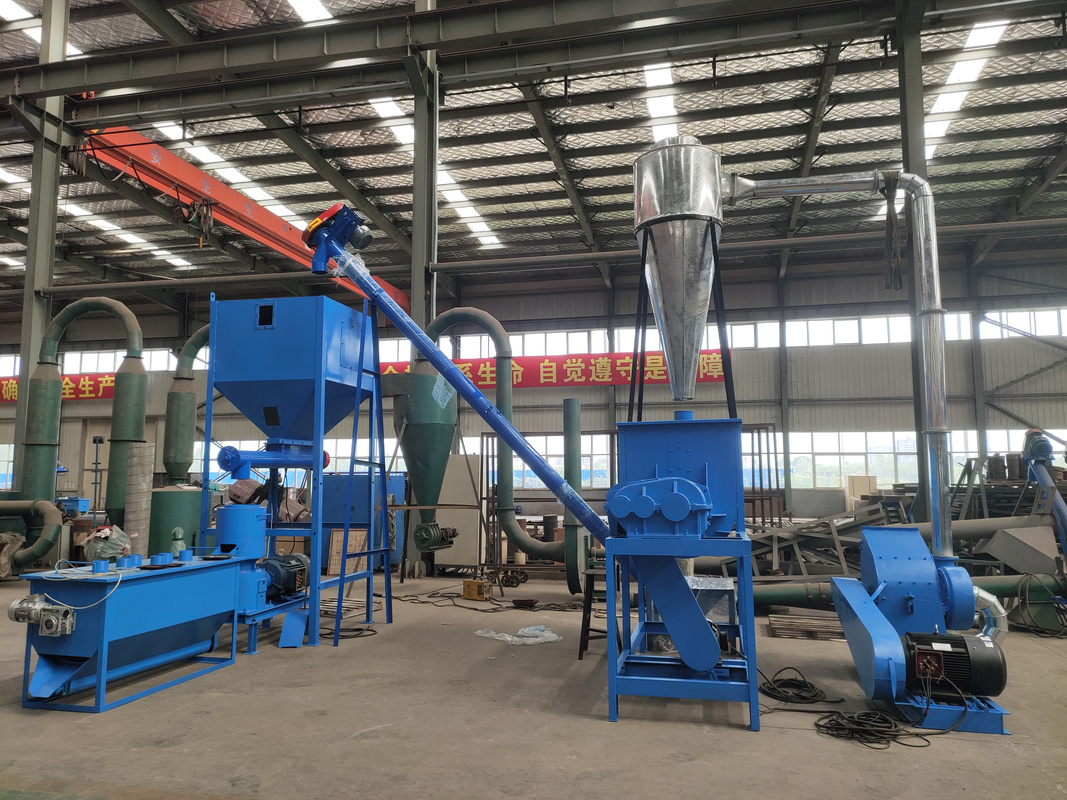
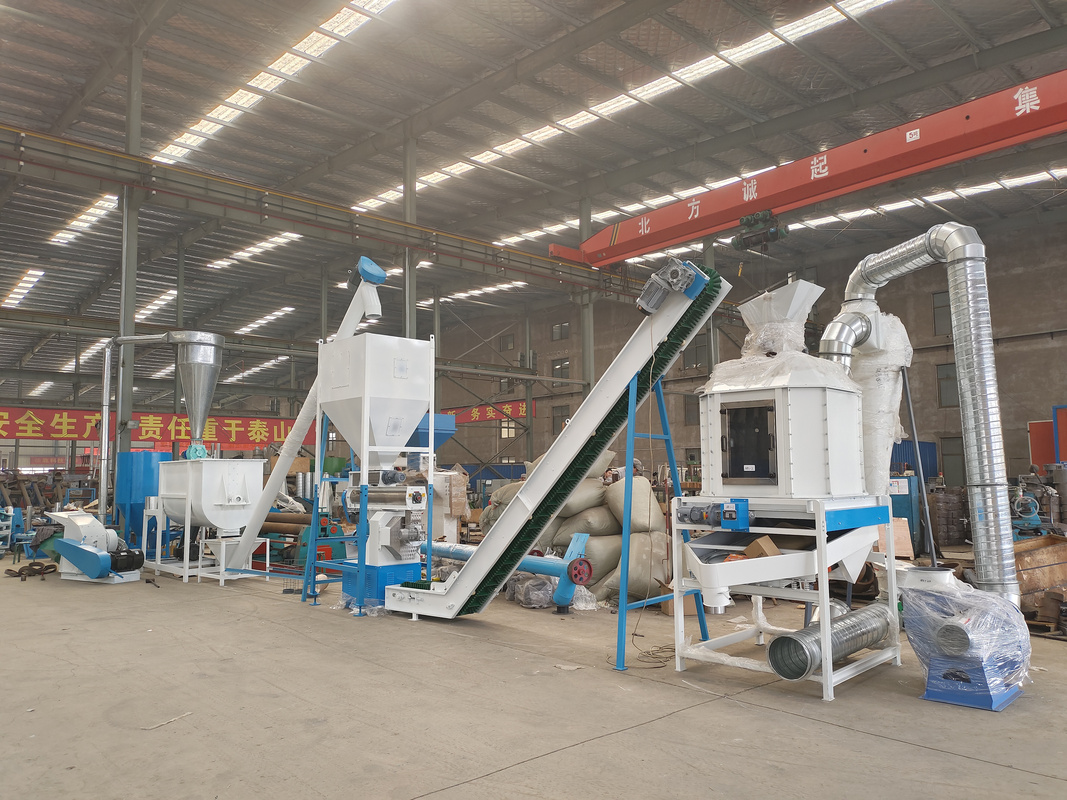
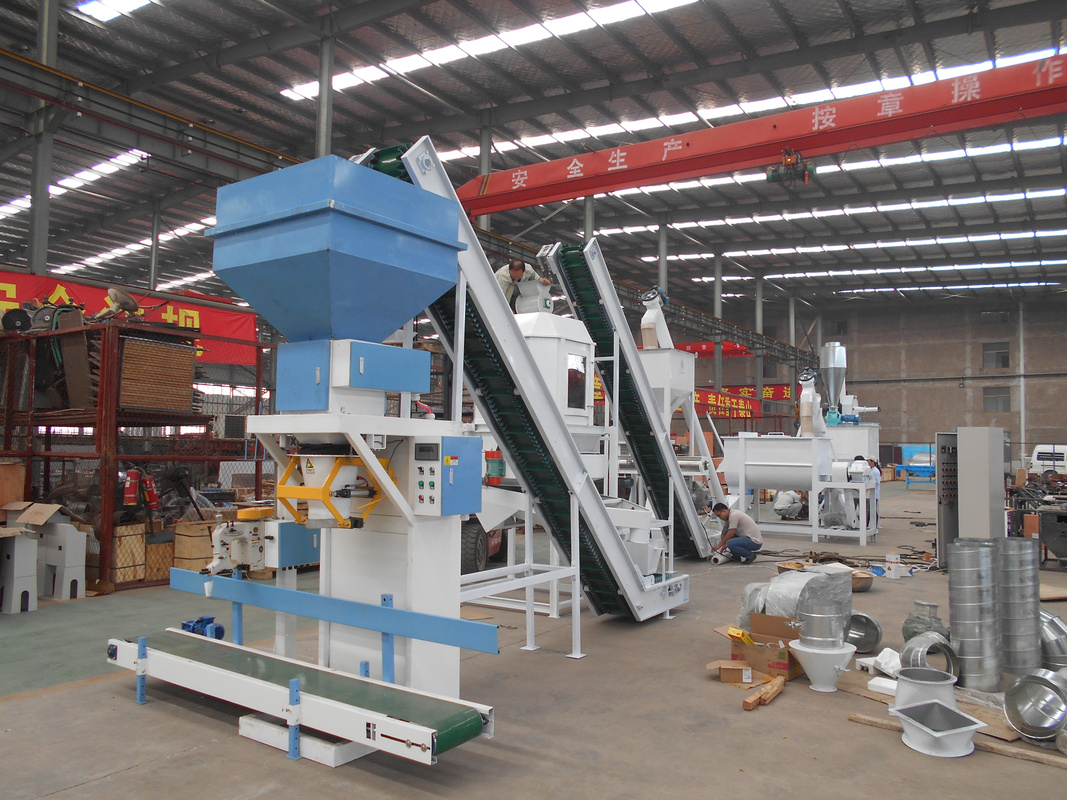
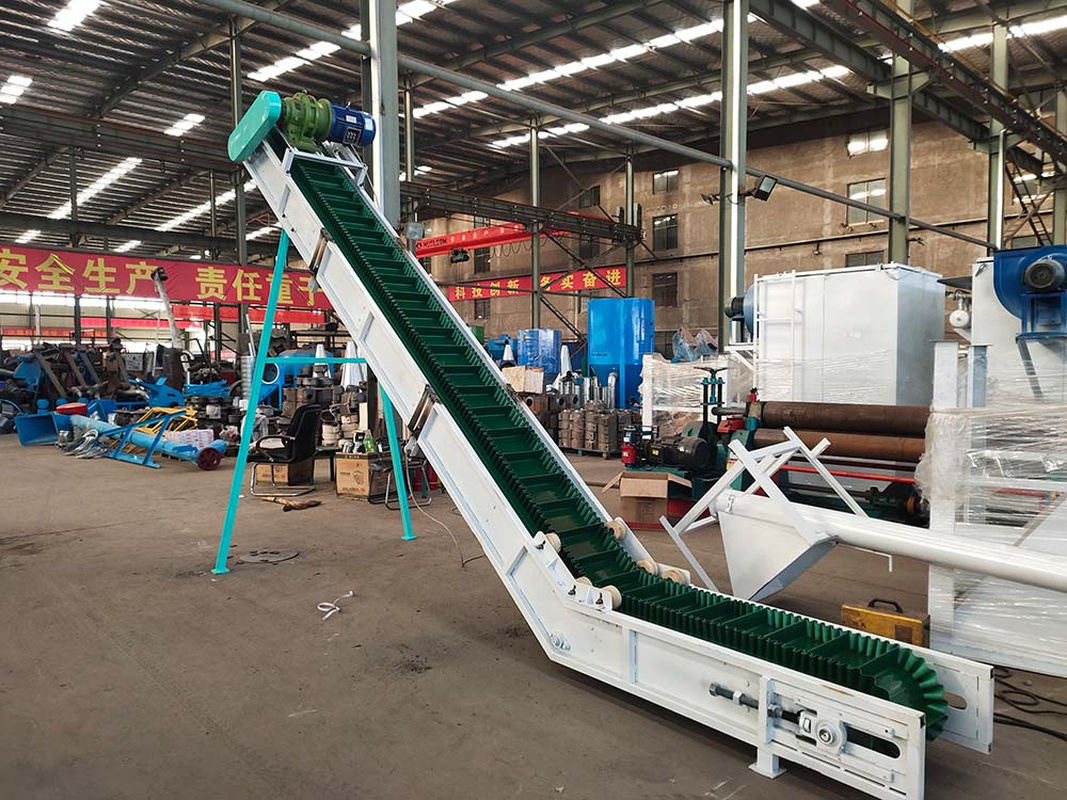
TCPEL Fertigungs- & Montagezentrum
Entdecken Sie unsere hochmoderne Produktionsanlage mit 20,000 sq-m. Erleben Sie vom Rohstoffbearbeiten über die Endmontage bis zur Ausgangslogistik den industriellen Maßstab hinter jeder TCPEL Futtermittel-Pelletpresse.





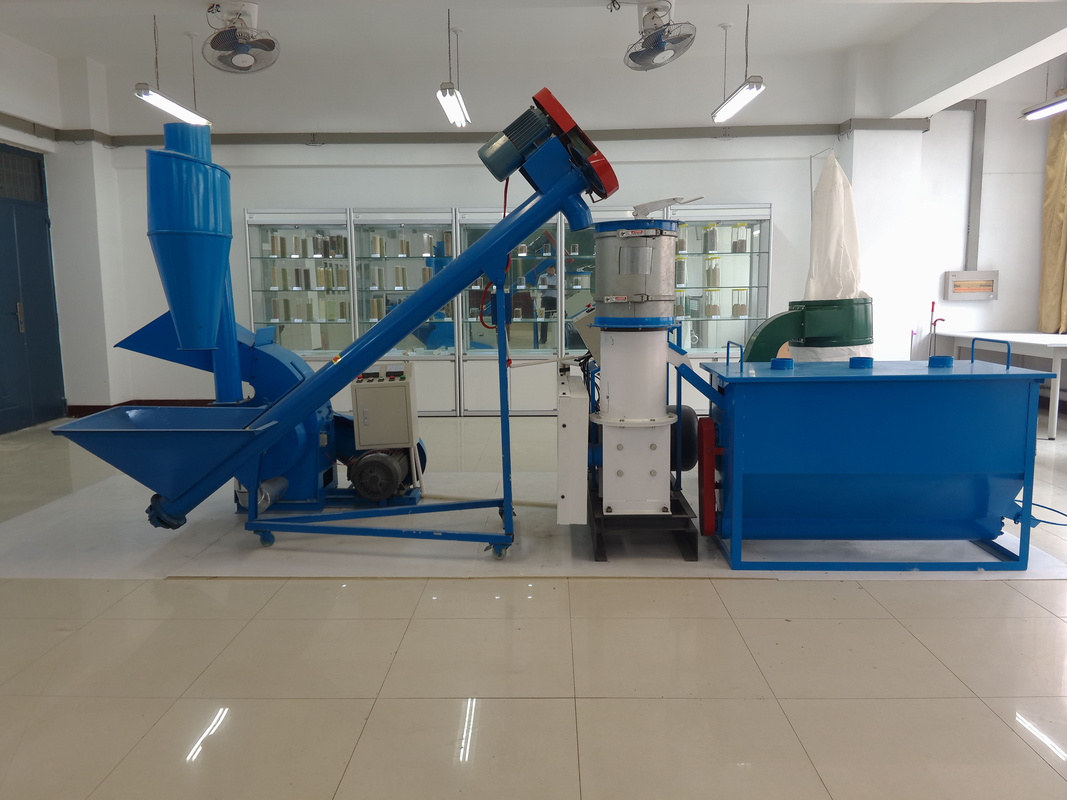
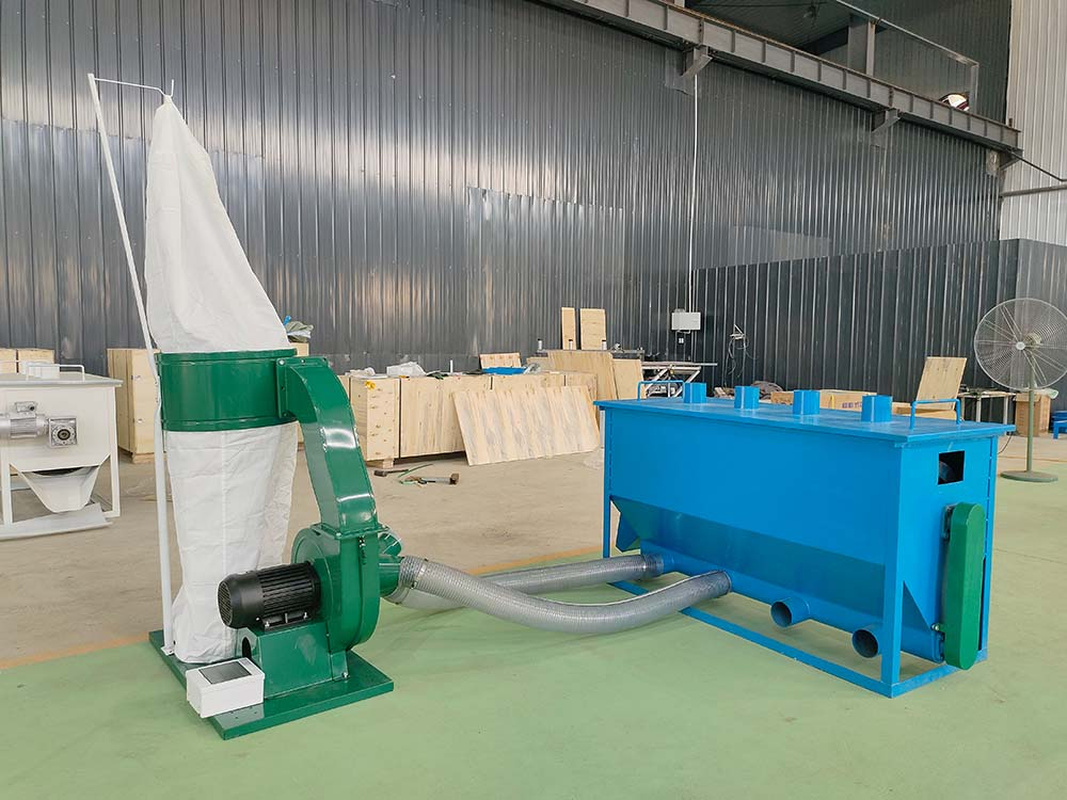
Zum Verschieben an den Rändern darüberfahren oder auf Touchscreens wischen
Digitale Engineering-Suite
TCPEL-Hilfsmittel für die Pelletproduktion
Nutzen Sie unsere eigenen Rechner und Auswahlmatrizen, um die Planung Ihrer Futtermühle zu optimieren, Kapazitäten zu berechnen und Standards für die mechanische Pelletfestigkeit zu prüfen.
Kapazitätsrechner für Futtermittel-Pelletpressen
Bestimmen Sie das ideale TCF-Modell anhand Ihres täglichen Ausstoßbedarfs, der Schichtstunden und der angestrebten Tierart. Einschließlich transparenter FOB-Qingdao-Preise.
Rechner starten →
Rechner für den Pelletindex für mechanische Festigkeit (PDI)
Bewerten Sie Ihre Pelletqualität nach den Standards der Kansas State University Feed Production. Geben Sie die Gewichte vor und nach dem Test ein, um sofortige Diagnoseberichte zu erstellen.
Rechner starten →
TCPEL-Vergleichstool für mehrere Modelle
Wählen Sie bis zu 4 verschiedene TCPEL-TCF-Maschinen für einen direkten Vergleich aus. Analysieren Sie Abmessungen, Leistungsanforderungen, Pressrollenkonfigurationen und Preise in einer Matrix.
Vergleich starten →
Auswahl des Pelletdurchmessers — Tier & Wachstumsphase
Finden Sie den optimalen Matrizenlochdurchmesser für Pellets anhand der Tierart und spezifischer Wachstumsphasen (z. B. Masthähnchen-Starter gegenüber Endmast). Gestützt auf NRC-Ernährungsstandards.
Auswahl starten →
FAQ — Echte Fragen von Käufern aus über 60 Ländern
Bevor Sie eine neue Industrieanlage in Ihre kommerzielle Futterlinie integrieren, ist vollständige Klarheit erforderlich. Wir haben die wichtigsten technischen, elektrischen und logistischen Fragen zusammengetragen, die unser technisches Team im vergangenen Jahr von internationalen Käufern erhalten hat.
2-3 mm Pellets für Starterfutter (Tag 0-14), 3-4 mm für die Aufzuchtphase (Tag 14-28) und 4-5 mm für die Endmastphase (Tag 28-42). Kleinere Pellets verringern die Belastung des Muskelmagens bei jungen Vögeln und verbessern die frühe Futterverwertung (FCR). Alle TCPEL TCF-Modelle können bei der Bestellung mit einem vom Käufer festgelegten Matrizenlochdurchmesser ausgestattet werden — 2, 3, 4, 5, 6, 7, 8 oder 10 mm — sodass eine einzige Pelletpresse durch Matrizenwechsel alle Broilerphasen abdecken kann.
Nr. Jedes TCF-Modell benötigt 380V 50/60Hz Dreiphasen-Gewerbestrom. Dies sind Maschinen in Industriequalität, die für kommerzielle Futtermühlen, Anlagen von Integratoren und landwirtschaftliche Betriebe mit Dreiphasenanschluss entwickelt wurden. Wenn an Ihrem Standort nur 220V Einphasenstrom verfügbar ist, benötigen Sie entweder einen Netzausbau oder einen Hochtransformator, oder Sie sollten eine kleinere Pelletpresse für den Hausgebrauch von einem anderen Anbieter in Betracht ziehen. Die Spezifikation 380V/3PH ermöglicht ein konstantes Drehmoment bei Rezepturen in industriellen Mengen.
12-18% Feuchtigkeit ist der Standardbetriebsbereich. Über 18% verstopft die Matrize; unter 12% versagt die Bindeschicht. Streben Sie bei Broilermischfutter 14-16% an. Installieren Sie am Auslass des Konditionierers ein Feuchtigkeitsmessgerät.
Erfahrungsberichte von Futtermühlenbetreibern weisen in der Regel auf 3,000-5,000 Stunden Matrizenstandzeit bei Standard-Broilerfutter mit 14-16% Feuchtigkeit unter Verwendung gehärteter Matrizen in OEM-Qualität hin (Industriedurchschnitt — die tatsächliche Standzeit variiert je nach Abrasivität des Ausgangsmaterials, Konditionierungspraxis und Wartung des Walzenabstands). Matrizenverstopfung und Verschleiß am Außenrand sind die vorherrschenden Ausfallarten. Das Schrägwalzen-Design von TCPEL mit Kegelrollenlagern verteilt den Druck gleichmäßig, um diesen Bereich zu erweitern; konkrete Erwartungen zur Standzeit für Ihre Rezeptur lassen sich am besten durch einen Probelauf in unserem Werk bestätigen.
Alle TCPEL TCF-Modelle sind Flachmatrizen-Pelletpressen mit Schrägwalzengeometrie. Flachmatrizen-Pelletpressen sind das Arbeitspferd für die kleine bis mittlere gewerbliche Produktion unter 6 t/h, lassen sich leichter reinigen, verarbeiten eine größere Auswahl an Ausgangsmaterialien wie Tierfutter, Biomassesägemehl und landwirtschaftliches Stroh und haben niedrigere Anschaffungskosten als Ringmatrizen-Pelletpressen mit vergleichbarer Kapazität. Auch der Wartungszugang ist einfacher — Bediener können Matrizen wechseln, den Abstand zwischen Walze und Matrize einstellen und die Lagerkammer ohne Spezialwerkzeug prüfen. Ringmatrizen-Pelletpressen werden typischerweise für industrielle Holzpelletanlagen über 10 t/h gewählt, bei denen ein festes Ausgangsmaterialprofil und ein 24/7-Durchsatz die höheren Investitionskosten rechtfertigen; die Ringmatrizen-Geometrie konzentriert den Druck anders und eignet sich gut für die gleichmäßige Faserbelastung, die Holzpellet-Ausgangsmaterial bietet. Für gewerbliches Futter unter 6 t/h mit gemischten Rezepturen bleibt die Flachmatrize aus gutem Grund der vorherrschende Industriestandard.
Schwere Sperrholzverpackung, ausgelegt für 30-tägigen Seetransport. Interne Verstrebungen schützen Getriebeflansch, Motorhalterung und Walzen-Matrizen-Baugruppe bei Stößen während der Hafenabfertigung. Die Kiste enthält Trockenmittelbeutel und ein Dokumentationspaket mit Bedienungsanleitung, Schaltplan, Ersatzteilliste und einer Kopie des CE-Zertifikats. Kistenmaße und Bruttogewicht entsprechen der obigen Modellspezifikationstabelle zuzüglich Verpackungszuschlag.
Ja. Ersatzmatrizen und Pressrollensätze sind in unserem Werk in Shandong vorrätig und werden nach Zahlungseingang noch in derselben Woche versandt. Die Matrizen sind nach Werkstoleranz auf Ihr spezifisches TCF-Modell abgestimmt. Wir empfehlen dringend Ersatzmatrizen in OEM-Qualität — Matrizen von Drittanbietern mit unbekannter Stahlsorte sind eine häufige Ursache für vorzeitigen Verschleiß, gebrochene Matrizen und Gewährleistungsstreitigkeiten. Bestellungen von Matrizen mit mehreren Durchmessern (z. B. 3 mm + 5 mm + 8 mm für einen Mehrartenbetrieb) werden häufig bei der Bestellung gebündelt, damit Sie eine Pelletpresse mit drei Rezepturoptionen erhalten.
Ja. Neben der TCF-Baureihe der Futtermittel-Pelletpressen stellt TCPEL auch Trommelhacker, Hammermühlen, Rotationstrockner, Konditionierer, Pelletkühler, Pelletverpackungsmaschinen und komplette Pelletproduktionslinien aus einer Hand her. Die Beschaffung der gesamten Linie von einem einzigen OEM vermeidet Durchsatzabweichungen zwischen den Komponenten, vereinfacht die Inbetriebnahme und bündelt den After-Sales-Kontakt in einer einzigen Serviceakte. Fordern Sie für schlüsselfertige Futtermühlenprojekte über 1 t/h ein Angebot für eine komplette Produktionslinie statt eines Angebots für eine einzelne Maschine an.