Get in Touch with TCPEL

Last updated: October 2026
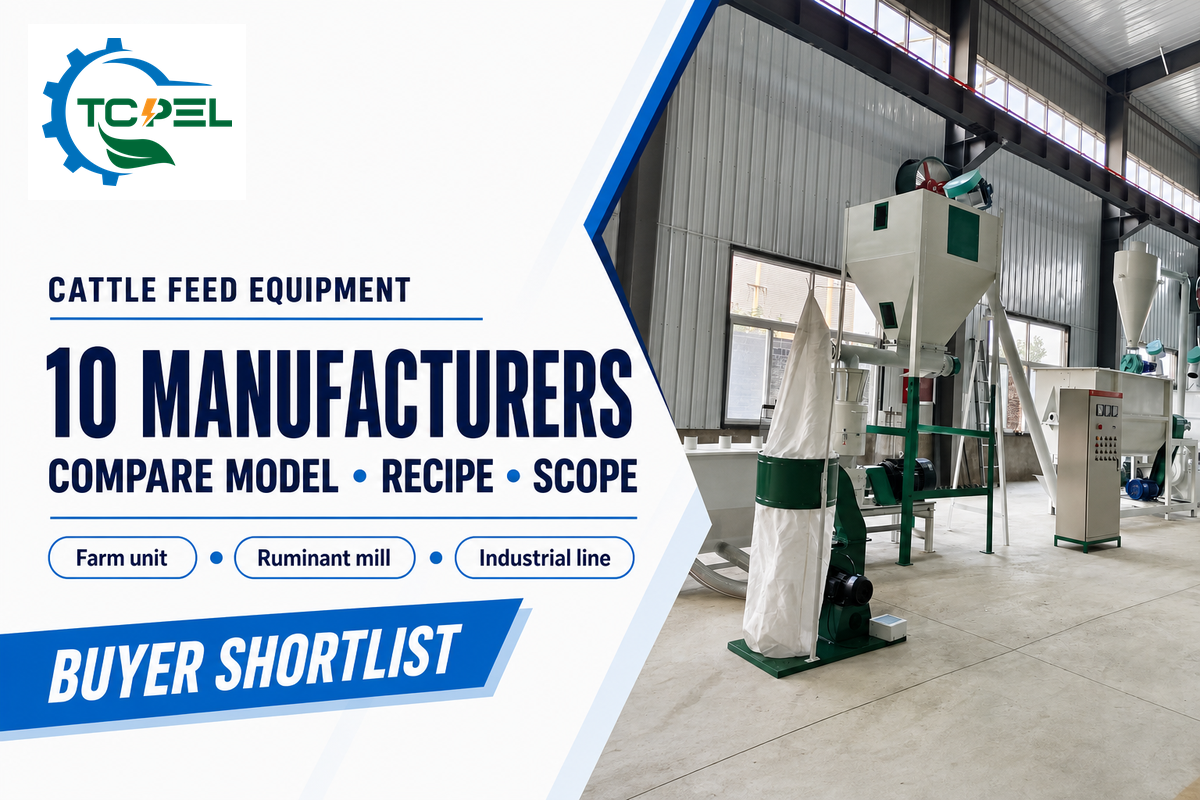
The top cattle feed pellet machine manufacturers for a buyer’s shortlist include TCPEL for smaller published cattle-model capacities, FAMSUN for named ruminant formulations, RICHI for a 15–25 t/h cattle model, and Ottevanger for a documented molasses-feed installation. Fragola publishes a cattle-output table across eight models. The right first call depends on your recipe, required tonnes per hour and whether you need a mill or a complete feed line.
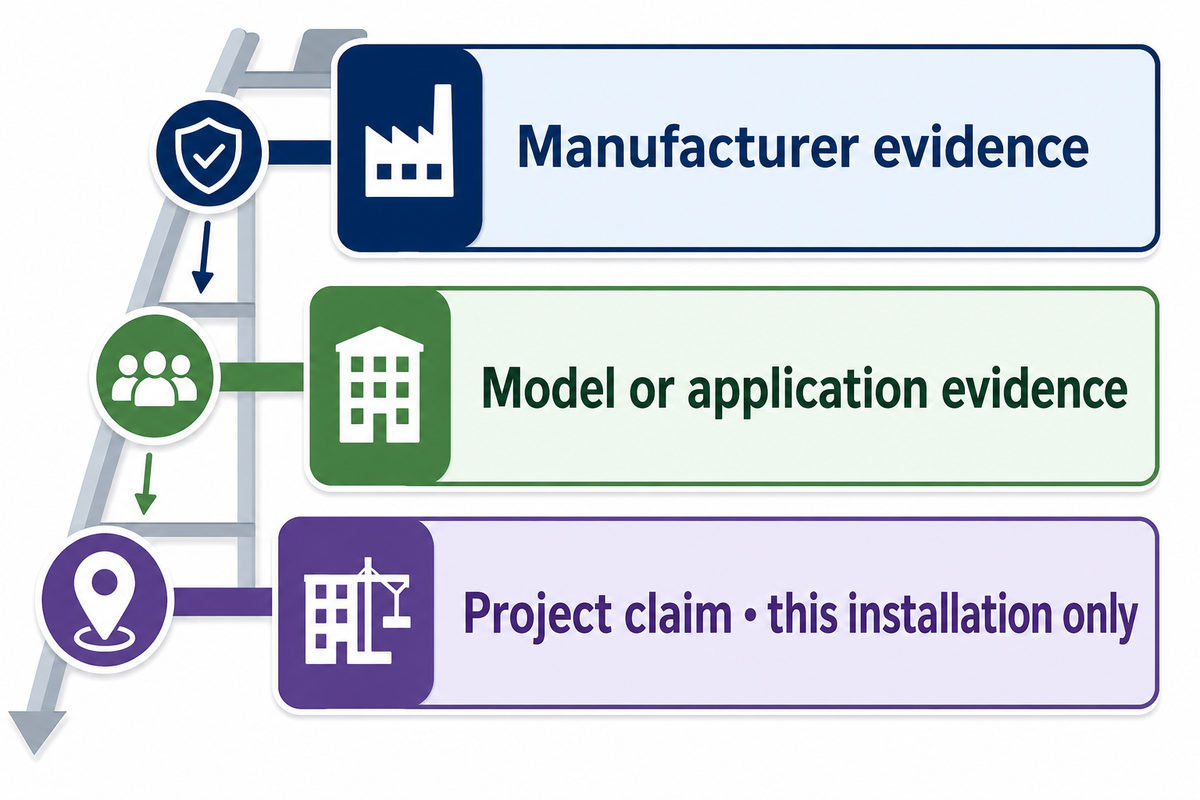
A supplier’s cattle application statement, a customer project and a model rating answer different questions. This guide keeps those evidence types separate. Nine of the ten companies have an official page that names cattle or ruminant feed somewhere in their product, process or project material; that doesn’t mean nine sell a dedicated cattle-only machine. The remaining company, CPM, publishes an animal-feed pelleting system with a feeder and pre-conditioners that may still deserve a process comparison.
Quick Picks for Different Cattle Feed Projects
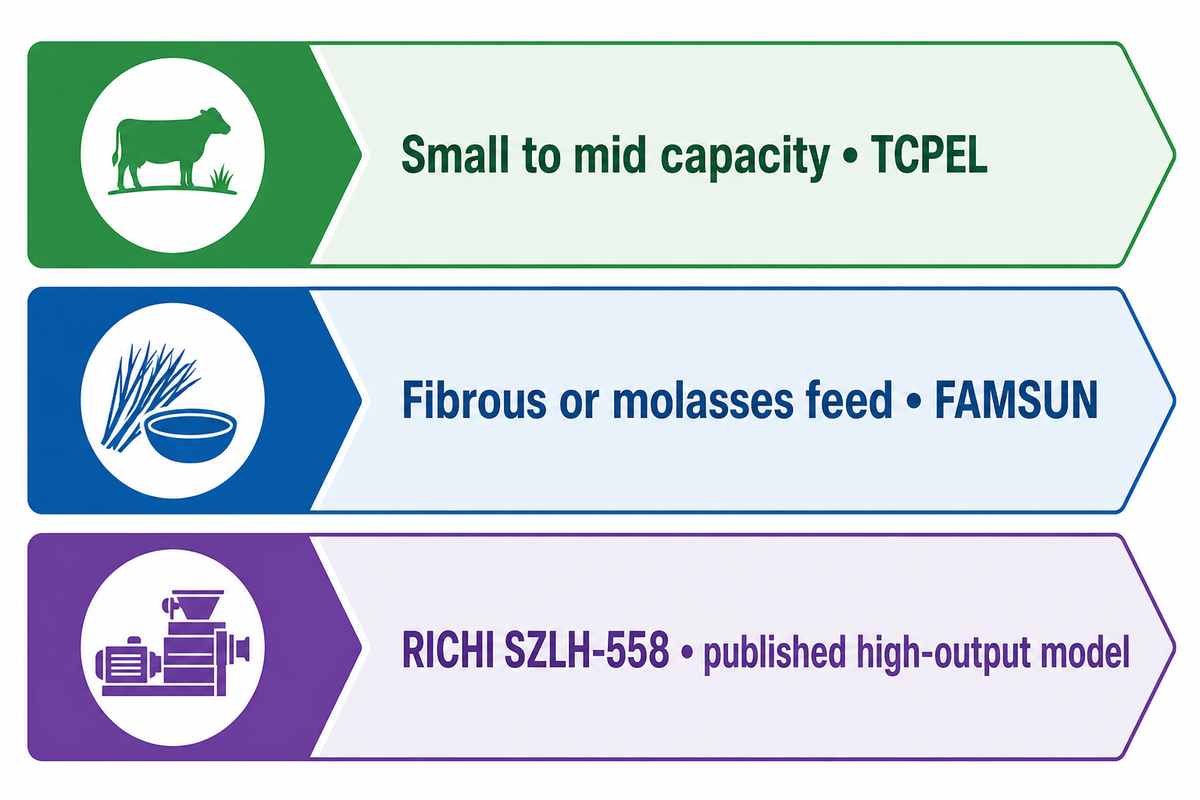
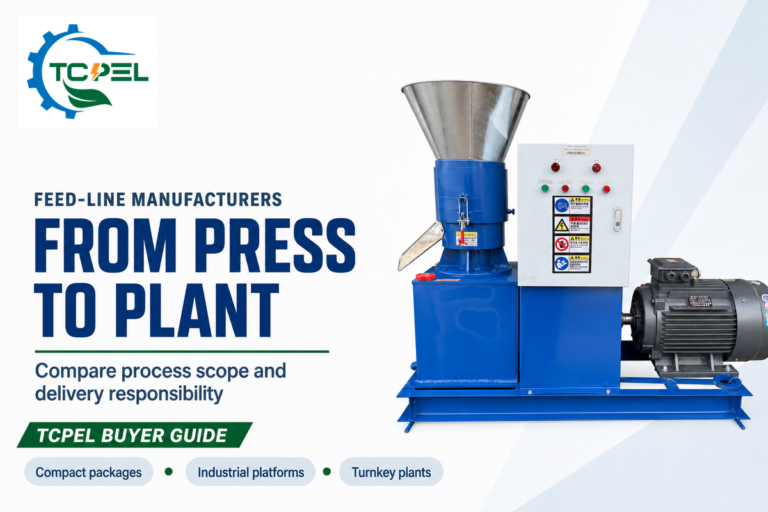
- Best for a small-to-mid-capacity cattle project: TCPEL. Its TCF page lists eleven cattle-feed models from 150 to 6,000 kg/h. It’s a starting point when the buyer wants published model steps before asking for a quote.
- Best for hay powder, molasses-added ruminant feed and calf formulas: FAMSUN. Its KN Series page names those applications directly.
- Best for a published high-output cattle model: RICHI Machinery. The SZLH-558 page gives 15–25 t/h for that model, a different scale from a farm unit.
- Best for a named molasses-feed installation: Ottevanger Milling Engineers. Its AgruniekRijnvallei reference concerns a particular cattle and horse feed plant processing formulations with up to 8% molasses.
- Best for a cattle-specific capacity table: Fragola. The PGPM model table lists cattle-feed output from 2.5 to 32 t/h.
- Best for an industrial plant or distinct machine architecture: Bühler, ANDRITZ, CPM, Van Aarsen or AMANDUS KAHL. Their fit differs by project scope, pelleting system, documented application and die arrangement.
Treat these picks as a call order, not as a performance rank. A 6 t/h listing and a 25 t/h listing can’t be compared as cost per tonne without same feed, operation and equipment conditions. The quotation checklist below shows what to ask each vendor to send in writing.
Disclosure: This guide is published by TCPEL. We list ourselves first because this is our website, not because we claim to be the market leader. The other 9 manufacturers are grouped by what they’re best for, in no particular order within each group.
How We Selected These Manufacturers
We identified 10 different equipment manufacturers with published information about product, application or customer-project materials relating to feed pelleting (cattle or animal). The list includes small cattle machines, ruminant products, industrial mills, plant integrators and a flat-die alternative. We checked each maker’s own product and company pages, recorded published capacity only with its model or project scope, and wrote a practical buyer limitation for every entry. Company information was verified with company websites and public sources available in October 2026.
The publisher’s legal-name and location context is available on TCPEL’s company page. We used the same public-source rule for the other nine entries.
Trading companies, resellers, brokers, directories and wood-only pellet mill sellers were excluded. The order reflects buyer fit and evidence availability; it isn’t a market-share survey or a claim that the ten companies outperform every omitted maker. Yemmak, for example, publishes both ruminant-feed process material and an animal-feed pellet mill, and is a valid additional candidate for a buyer seeking more bids. We kept this comparison to ten distinct procurement roles and included CPM’s feeder, pre-conditioner and mill scope as one of those roles.
In the table, “cattle-feed evidence” shows whether a manufacturer publishes information about a model, application or project. A project claim is valid for that installation only, and doesn’t relate to other mills the manufacturer sells. Headquarters and founding years orient the reader; they do not predict delivery performance. If a division doesn’t publish a separate founding year, we state so, instead of attributing the parent company’s year to that division.
A small-scale buyer and a multi-line plant buyer have different production needs. A small feed pellet unit meant for farm use may be placed easily, but a small animal feed pellet mill isn’t automatically suited for industrial production. Therefore selection starts from small to large applications without assuming one machine will be able to fulfill requirements of all sites. For medium and large scale projects, the process boundary often is as important as the mill name.
Comparison Table: 10 Cattle Feed Pellet Machine Manufacturers
The table is a shortlist tool. Capacity ranges are what the companies publish for specified models or product families, not measured outputs under one common cattle formula. A plant-level project should never be converted into a single-machine throughput figure. The official website column shows competitor addresses as plain text so a reader can see the source domain without a disguised commercial link.
| No. | Company Name | Headquarters | Founded Year | Best For | Brief Introduction | Cattle-feed evidence | Key Advantages | Potential Disadvantages | Official Website |
|---|---|---|---|---|---|---|---|---|---|
| 1 | TCPEL | Jinan, China | 2020 | Small-to-mid cattle projects | Pellet machine manufacturer; TCF150–TCF800 cattle series | 11 TCF cattle models; published 150–6,000 kg/h; 2–10 mm die holes | Visible model steps and cattle page | One TCF unit ends at 6 t/h | https://tcpel.net/ |
| 2 | FAMSUN | Yangzhou, China | Not publicly disclosed | Ruminant formulas with hay and molasses | Feed and food equipment maker; KN ruminant series | KN page names hay powder for cattle and sheep, molasses-added feed, calf complete feed | Direct formulation examples | KN fit must be specified separately from other families, especially the separate KX aquafeed family | https://en.famsun.com/ |
| 3 | RICHI Machinery | Zhengzhou, China | 1995 | Higher-output cattle model | Feed machinery maker; SZLH-558 cattle pellet machine | Official SZLH-558 listing: 15–25 t/h for cattle and ruminant feed | Named high-output model | Too large for sub-tonne farm demand | https://www.richimachinery.com/ |
| 4 | Ottevanger Milling Engineers | Moerkapelle, Netherlands | 1909 | Molasses-feed plant upgrade | Feed mill equipment maker and integrator; MonoRoll | AgruniekRijnvallei cattle and horse feed reference; up to 8% molasses in that case | Named customer installation | Two MonoRoll lines are a different scope from one replacement mill | https://www.ottevanger.com/ |
| 5 | Fragola S.p.A. | Assisi, Italy | 1961 | Published cattle-capacity steps | Feed mill machinery maker; PGPM pellet mills | Eight PGPM models list cattle-feed output from 2.5–32 t/h | Separate cattle and poultry table columns | Smallest cattle table entry is 2.5 t/h | https://www.fragolaspa.com/ |
| 6 | Bühler Group | Uzwil, Switzerland | 1860 | Integrated industrial pelleting | Industrial equipment maker; Kubex pellet-mill families | Official pelleting pages explicitly name ruminant feed | Mill and process equipment range | Exact ruminant configuration and drive integration matter for a replacement mill | https://www.buhlergroup.com/ |
| 7 | ANDRITZ Feed & Biofuel | Esbjerg, Denmark (division) | Division date not disclosed | Plant engineering and mill choice | ANDRITZ division; FeedMax G and Sprout mills | Punjab cattle-feed plant project includes pellet mills in EPC scope | Documented plant delivery | EPC plant scope is broader than a single replacement mill | https://www.andritz.com/feed-and-biofuel-en |
| 8 | CPM | Blaine, Minnesota, USA | 1883 | Feeder, conditioner and mill scope | Pelleting equipment maker; PM Series for animal feed | PM Series animal-feed system; cited page does not name a cattle-only model | Preconditioning within system offer | Cooling and packing need separate scope | https://onecpm.com/ |
| 9 | Van Aarsen | Panheel, Netherlands | 1949 | Commercial feed mills from 5 t/h | Feed-mill machinery maker; C600 and CU families | City Group Rupshi case describes cattle-feed processing and plant pelleting | Published 5–70 t/h range by configuration | Stated mill range excludes sub-tonne needs | https://vanaarsen.com/ |
| 10 | AMANDUS KAHL | Reinbek, Germany | 1876 | Flat-die compound-feed pelleting | Pellet mill and process-plant maker | Official page mentions pellet shapes for cattle feeding | Distinct flat-die architecture | Ring-die plants need tooling review | https://www.akahl.com/ |
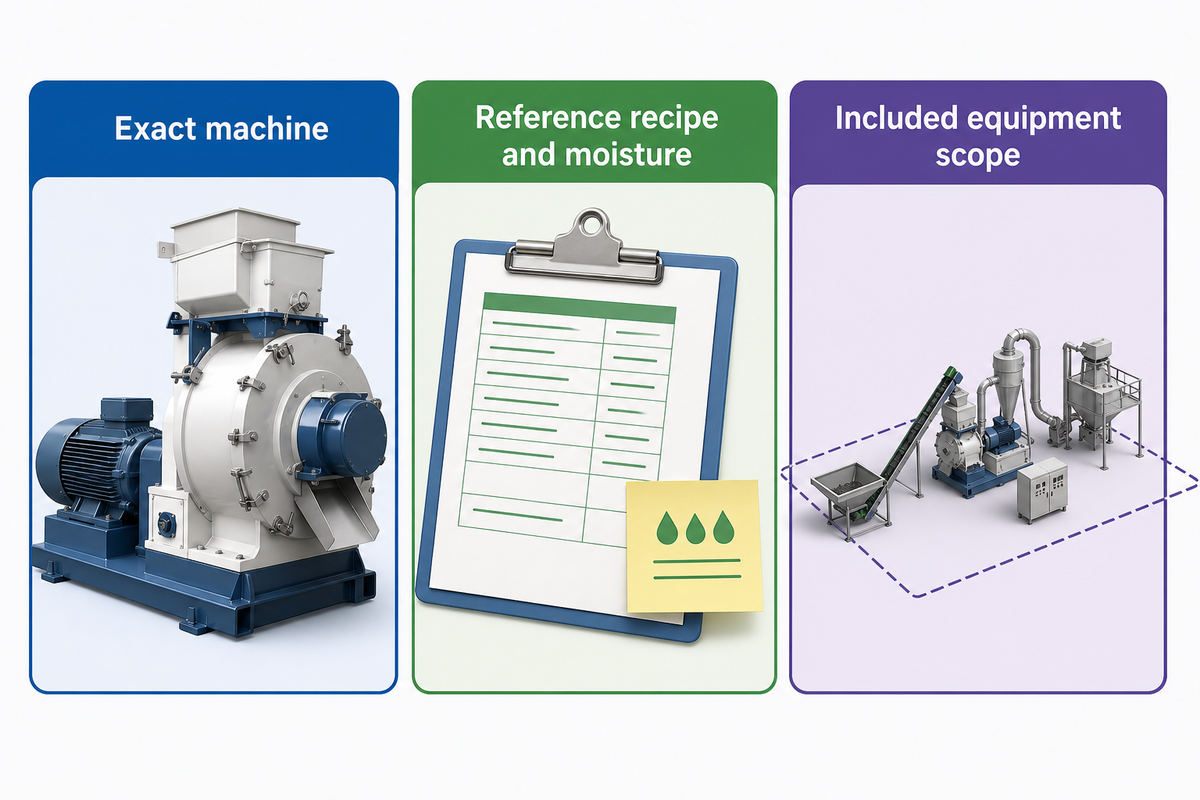
How to read the capacities: TCPEL lists an overall 150–6,000 kg/h TCF range, RICHI lists 15–25 t/h for the SZLH-558, Fragola lists 2.5–32 t/h across its PGPM cattle-feed table, and Van Aarsen lists a configuration-dependent 5–70 t/h mill range. Those are four different published scopes. A suitable quotation must state the exact machine, the reference ingredients and moisture, net output after startup, and every upstream or downstream item included in the price.
Animal feed processing is a sequence, not just a pellet press. In a complete feed pellet plant, animal feed processing machines may contain a grinder, mixer, feeder, conditioner, pellet mill, cooler and conveyor. Suppliers of animal feed pellet production lines or broader plant solutions should disclose what stages they cover. For a buyer evaluating engineering solutions, a single animal feed machine quote doesn’t address the same question as a complete-line proposal.
This table also separates animal feed production from a cattle-specific model claim. A producer serving livestock and poultry may require more than one recipe and tooling plan; a supplier’s livestock and poultry feed page can establish a broad application but can’t establish the same production capacity for both. The same distinction is important when a small pellet feed operation starts to produce large scale feed.
Cattle and Ruminant Product Evidence
The first five entries give buyers a cattle-labeled model, a ruminant-focused family or a named cattle-feed installation. Their evidence differs: a farm-scale TCF choice isn’t interchangeable with a 15–25 t/h SZLH-558, and an Ottevanger customer case is a plant example rather than a model-wide rating. Each card offers a reason to call and a reason a buyer might need a different supplier.
1. TCPEL: Best for Small-to-Mid-Capacity Cattle Feed Projects
Headquarters: Jinan, Shandong, China · Founded: 2020 · Type: pellet-machine manufacturer operating under ALLWIN INTERNATIONAL CO., LTD
Official website: https://tcpel.net/
Main products: TCF150 through TCF800 cattle-feed pellet machines; feed pellet machines and pellet lines. Published capability: 11 TCF models, with model-specific listings collectively spanning 150–6,000 kg/h and die-hole options from 2–10 mm.
TCPEL’s cattle feed pellet machine range gives buyers a visible progression from a small unit toward a larger operation. That is useful when a buyer knows the target throughput but has not settled the die-hole size or whether a complete feed pellet production line is required. For one machine above 6 t/h, the public TCF range ends, so a buyer should compare a larger industrial platform instead of stretching the top model’s published range.
2. FAMSUN: Best for Hay Powder, Molasses-Added Ruminant Feed and Calf Formulas
Headquarters: Yangzhou, China · Founded: not publicly disclosed in the checked company pages · Type: feed and food processing machinery manufacturer
Official website: https://en.famsun.com/
Main products: KN Series Ruminant Pellet Mill, alongside K and KX pellet-mill families. Published capability: the KN page identifies hay powder for cattle and sheep, feed with molasses pre-added, and complete feed for calves.
FAMSUN gives more formulation detail than a generic “animal feed” catalog. A buyer working with fibrous hay powder can start with the KN Series and ask how the proposed feeder, conditioner and die handle that ingredient mix. The calf complete-feed reference is useful for a project that needs a different pellet texture or ingredient balance from adult cattle feed. Its broader pelleting portfolio also covers poultry feed and aquafeed, so the quote needs to name KN or another justified ruminant configuration; the separate KX aquafeed family needs its own scope for a mixed cattle-and-fish-feed project.
3. RICHI Machinery: Best for a Published 15–25 t/h Cattle Model
Headquarters: Zhengzhou, China · Founded: 1995 · Type: feed machinery manufacturer
Official website: https://www.richimachinery.com/
Main products: SZLH-558 Cattle Pellet Machine and wider feed-pelletizing equipment. Published capability: the SZLH-558 page lists cattle and ruminant feed applications and 15–25 t/h output for the named model.
RICHI is an early call when the project belongs in the multi-tonne commercial band rather than the farm band. Its cited product page names crushed corn, soybean meal, grass and alfalfa as inputs and describes a feeder and conditioner alongside the ring die. The 15–25 t/h figure is a published model range, not proof that every high-fiber cattle recipe will run at its upper endpoint. A sub-tonne farm needing an animal feed pellet making machine should look at a smaller model class; the SZLH-558’s stated scale would be a poor starting quotation for that task.
4. Ottevanger Milling Engineers: Best for a Named Molasses-Feed Upgrade
Headquarters: Moerkapelle, Netherlands · Founded: 1909 · Type: feed-mill equipment manufacturer and integrator
Official website: https://www.ottevanger.com/
Main products: Progress MonoRoll pellet mills and automated feed-mill equipment. Notable work: AgruniekRijnvallei’s Lienden plant makes mainly cattle and horse feed and uses two MonoRoll lines.
The official AgruniekRijnvallei case says one configuration can process formulations containing up to 8% molasses. It also reports energy and fines outcomes for that customer’s arrangement; those are customer-reported project results, not a guarantee for an untested recipe. A buyer can ask Ottevanger to relate the proposed conditioner, BOA compactor and cooler to its own formula; the two-line MonoRoll reference has a different procurement scope from one replacement mill.
5. Fragola S.p.A.: Best for a Published Cattle-Feed Capacity Table
Headquarters: Assisi, Italy · Founded: 1961 · Type: feed-mill machinery manufacturer
Official website: https://www.fragolaspa.com/
Main products: PGPM300 through PGPM1200 pellet mills. Published capability: the official PGPM table separates cattle-feed and poultry-feed capacities, with cattle entries from 2.5–32 t/h across eight models.
The same PGPM model may have a different poultry figure, a reminder not to substitute a poultry feed pellet number for cattle performance. Ask which recipe, die specification, conditioning stage and operating assumptions sit behind a proposed PGPM selection. The smallest published cattle-feed table entry is 2.5 t/h, so a pilot farm seeking a few hundred kilograms per hour may need a smaller machine family.
Industrial Feed Platforms Worth Comparing
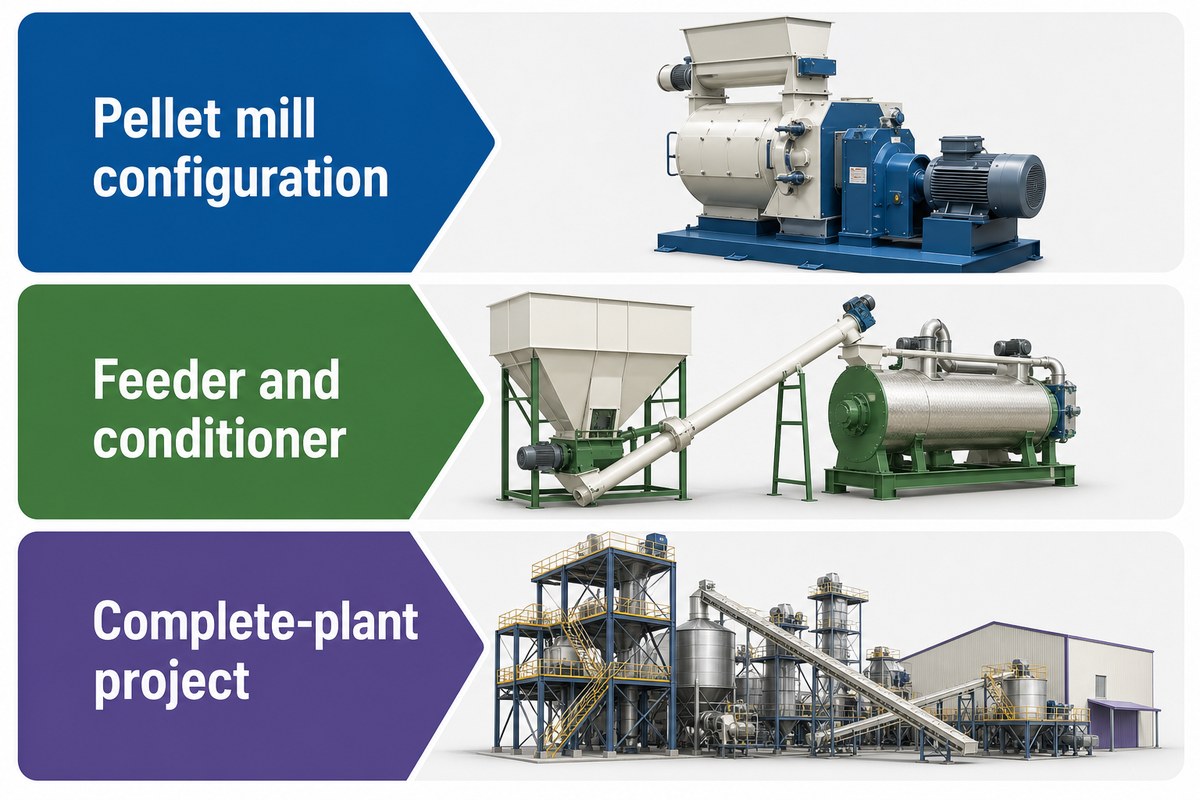
The next group broadens the shortlist for buyers specifying a commercial feed mill, a complete plant or a different die architecture. Four companies here publish direct ruminant or cattle application or project wording; the section title describes their industrial purchasing role, not a lack of cattle relevance. CPM’s cited PM Series page is broader animal-feed evidence. A buyer should distinguish what a page says about the overall portfolio from what it proves about one machine.
6. Bühler Group: Best for Industrial Pelleting and Conditioning Scope
Headquarters: Uzwil, Switzerland · Founded: 1860 · Type: industrial processing-equipment manufacturer
Official website: https://www.buhlergroup.com/
Main products: Kubex 3, Kubex 5 and Kubex T 7 pellet-mill series, with related feeders, conditioners and post-pelleting equipment. Published application: Bühler’s pelleting process material explicitly includes ruminant feed.
The Kubex T 7 is described as a direct-drive option, while the broader family includes other arrangements; a buyer replacing a belt-driven mill should compare the drive interface as well as the pelleting duty. For a quoted tonnes-per-hour figure, pair the exact Kubex configuration with the feed recipe, required pellet size and test acceptance conditions.
7. ANDRITZ Feed & Biofuel: Best for Plant Engineering with a Cattle-Feed Reference
Headquarters: Esbjerg, Denmark for the Feed & Biofuel division · Founded: separate division date not publicly disclosed in checked pages · Type: ANDRITZ Group feed-equipment division
Official website: https://www.andritz.com/feed-and-biofuel-en
Main products: FeedMax G and Sprout pellet-mill families. Notable work: an ANDRITZ cattle-feed plant project in Punjab, India lists pellet mills among an engineering, procurement and construction equipment scope.
ANDRITZ’s Punjab case describes a cattle-feed plant project, while the mill-family page describes geared and belt-driven livestock-feed choices. The case’s 400,000 metric-tonne-per-year headline describes the completed plant, not an individual pellet mill; a buyer seeking one replacement mill should request a machine-only scope rather than benchmark against that complete-plant project.
8. CPM: Best for Feeder, Pre-Conditioner and Pellet Mill Scope
Headquarters: Blaine, Minnesota, USA · Founded: 1883 · Type: pellet-mill and process-equipment manufacturer
Official website: https://onecpm.com/
Main products: PM Series for Animal Feed and other pelleting equipment. Published capability: the PM Series material covers a feeder, pre-conditioners and pellet mill as a system.
Preconditioning can affect how a particular mash enters the die, so a buyer with a difficult formula should compare what’s included in the CPM offer with a mill-only offer from another maker. The PM page’s operation-capacity table belongs to specified equipment and conditions, not to all types of animal feed. Cooling, sieving and packaging sit downstream and need their own quotation lines. For a farm needing only a small cattle feed pellet machine, this industrial system framing may add unnecessary scope; for a commercial feed producer, it can expose missing interfaces in rival offers.
9. Van Aarsen: Best for Configurable Commercial Feed Mills
Headquarters: Panheel, Netherlands · Founded: 1949 · Type: feed-mill machinery and line manufacturer
Official website: https://vanaarsen.com/
Main products: C600, CU Basic, CU Dynamic and CU1200 Titan pellet mills. Published capability: the product-family page states 5–70 t/h depending on machine configuration and product type.
Van Aarsen’s City Group Rupshi reference adds cattle-feed context: it describes a cattle-feed grinding and mixing line, molasses addition and pelleting equipment in a larger multi-line plant. That project is informative about line integration, but its plant and line totals shouldn’t be quoted as one mill’s cattle-feed rating. The lowest stated product-family capacity is 5 t/h, leaving a small farm or pilot unit outside that published range. Buyers needing a full line should itemize the mixer, dosing, conditioning, pellet mill, cooler and packing scope separately.
10. AMANDUS KAHL: Best for Flat-Die Compound Feed Pelleting
Headquarters: Reinbek, Germany · Founded: 1876 · Type: pellet-mill and process-plant manufacturer
Official website: https://www.akahl.com/
Main products: KAHL flat-die pellet mills and pelleting plants. Published capability: the general family page lists die diameters from 175–1,500 mm and motor power from 3–630 kW.
Its official pellet-press material explicitly says KAHL equipment can make special shapes for cattle, horse and rabbit feeding. The maker also says its mills receive full-load simulation before supply; a buyer should request an acceptance test tied to the intended feed rather than treat a factory routine as proof of a particular output. A plant standardized on ring-die tools must compare die and roller compatibility before adopting this flat-die family.
How to Choose a Cattle Feed Pellet Machine Manufacturer
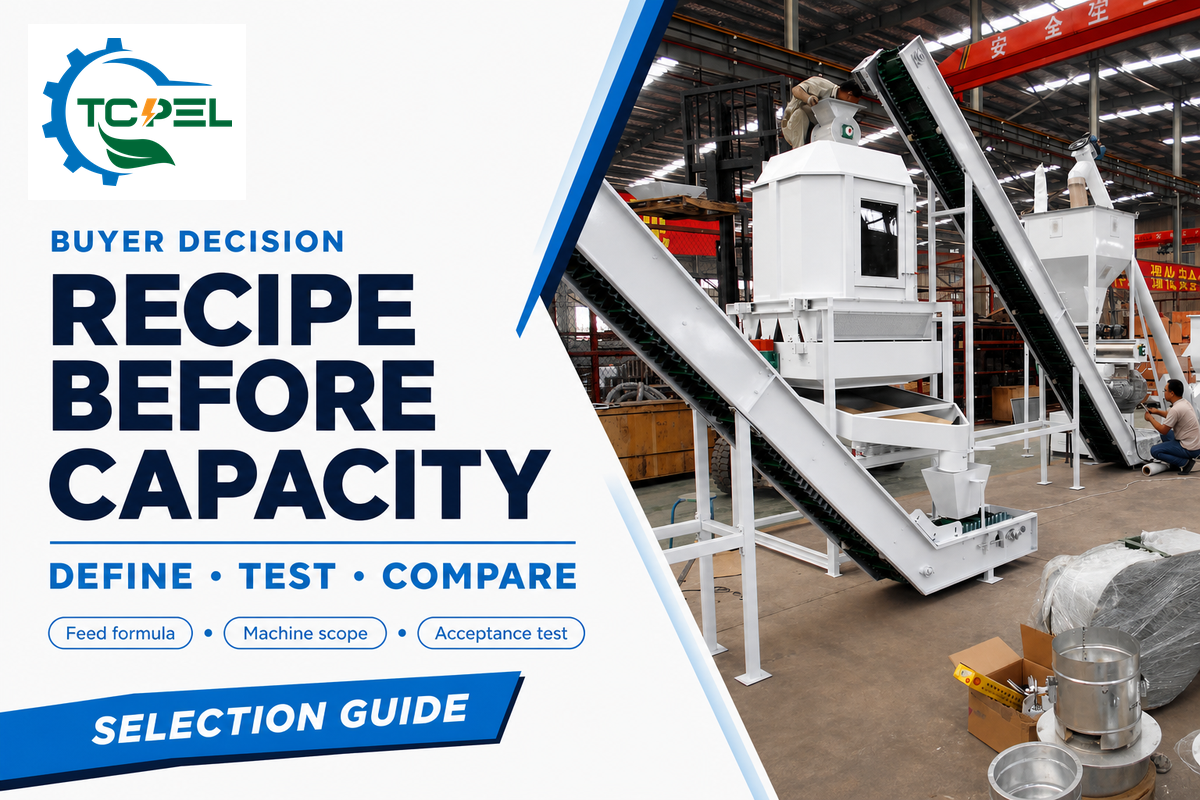
For animal husbandry businesses, the animal and available ingredients generally dictate the feed choice and often the feed category printed in a catalog doesn’t matter. A supplier can help with customized feed pellet samples, but the acceptance test should establish the actual recipe used. An offer to make feed pellets efficiently is meaningful only when it records material, accepted pellet condition and measured output.
Start with feed, size the equipment, and finally compare quotations. The nameplate output is only one part of that sequence. Two different suppliers can each say “cattle feed”, and one quotes a pellet mill alone, and the other quotes a feeder, conditioner, cooler, and controls. The seven checks below turn a list of appealing specifications into comparable bids. They also provide a shared way for an engineering and purchasing team to request evidence from suppliers without demanding different documents from each supplier.
Making feed for cattle is a distinct purchasing task from producing fish feed, even where one supplier sells equipment for both. Keep the animal and formula explicit in the inquiry to avoid a wider portfolio blurring the model selection.
A large feed plant requires a line-level responsibility map in addition to a single-mill rate to make a delivery commitment.
1. Define the cattle recipe before asking for machine capacity
Write down the feed ingredients, proportions, intended pellet diameter and expected moisture range. If the mix contains hay powder, grass, alfalfa or a high proportion of other fibrous material, say so at the first inquiry. FAMSUN’s KN page explicitly identifies hay powder for cattle and sheep, and RICHI’s SZLH-558 page names grass and alfalfa. Those source details make them useful leads; they don’t replace a run with the buyer’s own formula. A feed producer making complete feed for calves may need different conditioning and handling assumptions from a business making pellets for adult beef cattle. “Animal feed” without a formula is too broad for a capacity promise.
The recipe sheet should also say whether rice bran or another variable ingredient appears in the mix; naming an ingredient here’s a request for test detail, not an assertion that every mill can process it. When a buyer asks for uniform pellet size, the proposed die sizes and sample criteria must be written down. TCPEL’s cattle page lists a 6mm option among its die holes, but the buyer’s target may differ.
When a formula is confidential, a buyer can still provide a controlled ingredient class and representative sample under the right commercial arrangement. The goal is to keep a supplier from sizing a machine on easy-running reference mash while the purchased line later takes care of a fibrous or sticky mix. The output claim should refer to the exact material to be supplied and its preparation state. Ask the supplier which upstream grind size it assumed and whether the rate quoted is before or after fines are removed.
2. Separate molasses handling from a universal mill claim
Molasses changes what a supplier needs to specify about dosing, mixing, conditioning and cleaning. FAMSUN names molasses-added feed in its KN applications; Ottevanger’s AgruniekRijnvallei page documents a customer’s formulations with up to 8% molasses; Van Aarsen’s Rupshi project describes molasses addition in a cattle-feed process. These are three different kinds of evidence. One is a product application, one is a named customer case and one is a plant process description. None makes 8% a safe input assumption for every pellet mill in this list.
Forecast molasses additions. Tell suppliers where to add molasses, the approximate percentage in the actual mix, and the cleaning procedure. Ask how the material reaches the die. This isn’t a request for an adjective such as “molasses capable.” Tell the supplier what your requirements are, and have the supplier explain what parts of the given layout would carry over to a new feed pellet plant. If the quote doesn’t contain a mixer or conditioner used in the source case, the case result can’t be carried over to the quoted machine.
3. Compare capacity only after the test boundary is defined
Published capacities can guide the first shortlist. TCPEL’s cattle series spans 150–6,000 kg/h, Fragola’s cattle table spans 2.5–32 t/h, RICHI lists 15–25 t/h for SZLH-558, and Van Aarsen states a 5–70 t/h product-family range. Their upper endpoints don’t form a league table. One value is a series-wide range, one is an eight-model table, one belongs to a named cattle model and one varies with configuration and product. The feed, die, power, conditioning, operating schedule and accepted pellet quality must be stated before the numbers can be used in a purchase decision.
Request a model-by-model proposal with net tonnes per hour on the buyer’s formulation, motor rating, die-hole diameter and the planned duration of a factory or site acceptance run. Ask whether the supplier counts startup material, rejected pellets and recirculated fines in gross production. A stated “up to” rate has limited purchasing value if the contract does not identify the conditions under which it applies. A vendor that cannot quote a target rate on the defined formula may still be a good candidate for a trial, but its catalog maximum should not become the procurement baseline.
4. Match the die arrangement and pellet size to the plant
Ring-die and flat-die equipment appear in this selection, but no universal winner follows from the names. KAHL publishes a flat-die family and explicitly mentions special shapes for cattle feed. RICHI’s cited SZLH-558 uses a ring die. TCPEL lists 2–10 mm die-hole options across its cattle range. For an existing feed mill, the question is whether the proposed die and roller set can deliver the desired pellet while fitting maintenance routines, available space and spare-parts stocking. A greenfield feed making machine purchase has more freedom but still needs a repeatable output and cleaning plan.
What’s the proposed diameter of the die? What’s the geometry of the hole? What material is it made of? What’s the expected lead time for a replacement? What kind of intervention is expected to change the die? The price for a pellet making machine may be low, but die sets, rollers and/or the cost for installation may not be part of the offer. For example, a plant that owns its tooling may prefer a similar architecture to a machine that looks better on paper, if the alternative machine doesn’t integrate well with the plant’s other equipment. A trial sample of the product can help evaluate pellet quality, fines and durability under the actual cattle feed; a product brochure can’t.
5. Use the Mill-vs-Line Scope Check before comparing prices
A “pellet mill” quote can be a single machine. A “feed pellet production line” may include grinding, mixing, dosing, conditioning, pelleting, cooling, screening, conveying and packing. CPM’s PM Series page covers feeder, pre-conditioners and the mill, yet cooling and packing remain separate scope decisions. ANDRITZ’s Punjab case describes an engineering, procurement and construction project with several equipment types. Van Aarsen’s Rupshi case shows multiple process stages in a larger factory. Those examples make the boundary visible: a line price and a mill price answer different questions.
Break down each alternative into its own scope before talking about overall cost. Call each stage “included,” “buyer-supplied,” or “excluded,” and name the entity responsible for connecting controls and conveying. An offered feed pellet mill machine without a compatible feeder may be cheaper on paper, but leaves an integration task unpriced. Likewise, an integrated plant quote may include other work, like civil or electrical, that a small farm doesn’t require. The useful comparison is the cost to produce acceptable pellets at the required rate with all shared boundaries defined.
Quoted crushers, grinding machines, or conveyors shouldn’t be assumed to be in the price for a pellet-mill. Equipment needed to keep a pellet-making process fed at a steady rate are separate pieces of equipment from the pellet equipment itself. The comparison should be made based on equipment boundaries and the interface owner; ask for a layout drawing rather than compare unequal totals.
6. Ask for service, power and control details that can be checked locally
The least expensive machine isn’t always the least expensive choice because of the cost of parts, energy and supply and downtime. Consider motor power and electrical supply, startup demand, control interface, expected wear parts and stock locations. If a site relies on diesel for its energy, that should be included in the inquiry before a motor specification is made. A 220V small-unit search term can’t be generalized to the industrial mills in this table, the voltage and phase should be supplied by the model and local installation.
For models named by the manufacturers, have them identify the service contact, response route and availability of dies, rollers and conditioner parts. For a plant with a particular feed schedule, a long spare parts lead time could be more important than a slight difference in purchase price. The buyer should also identify who writes or adapts the controls for existing grinders, mixers and packaging equipment. These usually determine if a line can attain the required feed pellet production rate after installation.
Ask for after-sales terms in the same schedule as spare parts and commissioning. A proposed electric motor must be balanced with site power. However, a single phase supply or diesel engine arrangement may require a different piece of equipment. Neither can be inferred from a general catalog title. Claims of energy-efficient or high-performance operation should also be accompanied with a named model and test setup. Durability and performance become procurement terms only when wear items, run conditions and remedy obligations are stated.
7. Request current documents and a recipe-based acceptance test
Several maker websites mention quality systems or CE, but a website statement does not tell a buyer whether a current certificate covers the quoted factory, legal entity or exact activity. ISO currently marks ISO 9001:2015 as withdrawn and replaced by a newer edition. Ask for the current certificate, issuing body, expiry date and scope; for a CE-marked machine in a relevant market, ask for the applicable declaration and technical documentation. CE is a manufacturer conformity marking process, not automatic evidence of an independent third-party certificate. ISO 12100 describes machinery risk assessment; it does not certify cattle feed quality.
At the end of the inquiry you’ll need a test plan to include the supplied feed sample and moisture, target pellet diameter, required net tonnes per hour, acceptable fines and condition of pellet, run duration, the method of measurement and who will sign the results. The buyer may choose to perform a factory acceptance test (FAT) and then perform a site test after the upstream and downstream equipment is connected. The contract needs to define the test limits so that a single pellet mill isn’t assessed against a complete feed pellet plant obligation. It’s more efficient to make one unified request for documentation than repeat “verify the certification” in every maker card.
Cattle-Recipe Fit Ladder: Begin with a source that names your material or animal use, narrow by published capacity band, and then demand a trial at the exact formula and line boundary. This ladder explains why a 150 kg/h TCF unit, a 15–25 t/h SZLH-558, a 2.5–32 t/h PGPM table and a 5–70 t/h Van Aarsen portfolio can all be relevant without one being universally “best.” It also keeps the question “who manufactures it?” separate from “who can make my specified feed at my required rate?”
Frequently Asked Questions
Who makes cattle-feed pellet machines?
TCPEL, FAMSUN, RICHI Machinery, Ottevanger, Fragola, Bühler, ANDRITZ Feed & Biofuel, CPM, Van Aarsen and AMANDUS KAHL make equipment relevant to cattle-feed pelleting. Their official pages provide different evidence: named cattle or ruminant models, explicit applications, customer projects or a broader animal-feed system. A buyer should first identify the required formula and output band, then compare the offered model rather than assume all ten compete for the same installation. A small cattle feed pellet project may start with TCPEL; a large mill may shortlist RICHI, Fragola or industrial plant suppliers.
How are cattle feed pellets made?
The production of cattle feed pellets involves mixing specified ingredients, grinding when needed, and conditioning when the process calls for it. The mixture is then pressed through a die, and after cooling and handling, the pellets are ready. The exact order of the steps depends on the moisture, molasses content and the fiber of the ingredients. It also depends on whether the mill is a standalone feed pellet mill or a complete feed pellet production line. A supplier should be able to explain the operation of each piece of equipment, including how fines are reintroduced to the process. Ask for a trial on your own recipe, since a generic feed demonstration can’t prove the quality or the net output of a new recipe.
How much does a cattle feed pellet machine cost?
A useful price answer requires the model, capacity target, electrical supply, accessories, delivery term and installation scope. TCPEL’s cattle product page publishes FOB Qingdao prices for its TCF models, but those figures are a vendor listing for specific machines, not a market-wide price list or a quote for a complete plant. Another seller may include the feeder and conditioner, while a third includes only the mill. Freight, local duties, dies, controls, commissioning and spares can change the payable total. Request an itemized current quotation for the actual recipe and site rather than compare a catalog starting price with a turnkey line offer. Ask the supplier to split the offer into the machine, die and roller sets, upstream preparation, downstream cooling, electrical controls, installation, training and spare parts. That breakdown makes a lower starting price easier to interpret. It also shows which tasks the buyer must purchase locally. If two offers use different delivery terms or define capacity at different points in the process, align those conditions before presenting a price comparison to an internal purchasing committee.
Is a flat-die or ring-die machine better for cattle feed?
Neither die arrangement is universally better for every cattle feed. KAHL documents a flat-die pellet mill family and cattle-feed shape applications; RICHI’s cited SZLH-558 uses a ring die. The appropriate choice depends on the requested output, the formulation, available space, preferred maintenance routine and whether a plant already stocks compatible tools. A buying team should ask each supplier for a sample run, die and roller details, power requirements and replacement-part terms. Compare acceptable pellets and stable net output under the same feed specification; a generic machine-type slogan is a poor purchasing test.
Can one feed pellet machine make both cattle and poultry feed?
Some manufacturers publish equipment families used across livestock categories, and Fragola’s table even presents different cattle and poultry outputs for the same PGPM models. That doesn’t make the two feed recipes interchangeable. Pellet diameter, conditioning, ingredient mix, hygiene controls and production scheduling may change between animal-feed programs. Ask the maker which proposed configuration, tooling and cleaning procedure can cover both products, and whether changeover time is included in capacity planning. A seller’s poultry feed pellet capacity must not be silently used as the cattle-feed rating in a purchase case.
What should I send a manufacturer before requesting a quote?
Send intended cattle-feed recipe or a similar, usable description. Include raw material moisture. Provide required net tonnes per hour, available electrical supply, site country, desired scope from grinding through packing, and target pellet size. Mention if molasses, hay powder, or other difficult materials are present. Indicate planned operating hours and what acceptance test can be done by the team. Then request one response sheet with named model, equipment boundary, power, die set, expected output on that formula, lead time, spare parts, and warranty. This gives the same question to several vendors and allows comparison of responses. Provide a site plan showing available space, raw material flow in, and finished good flow out. If applicable, indicate that the mill must be connected to an existing grinder, mixer or control cabinet. Also indicate if a first stage farm unit is planned to feed a larger unit in the future. Ask if the plan for the expansion requires replacing the first unit mill or if additional units will be added upstream and downstream. These questions can save a purchasing team from comparing incompatible quotations.
Send a Recipe-Based Request for Quotation
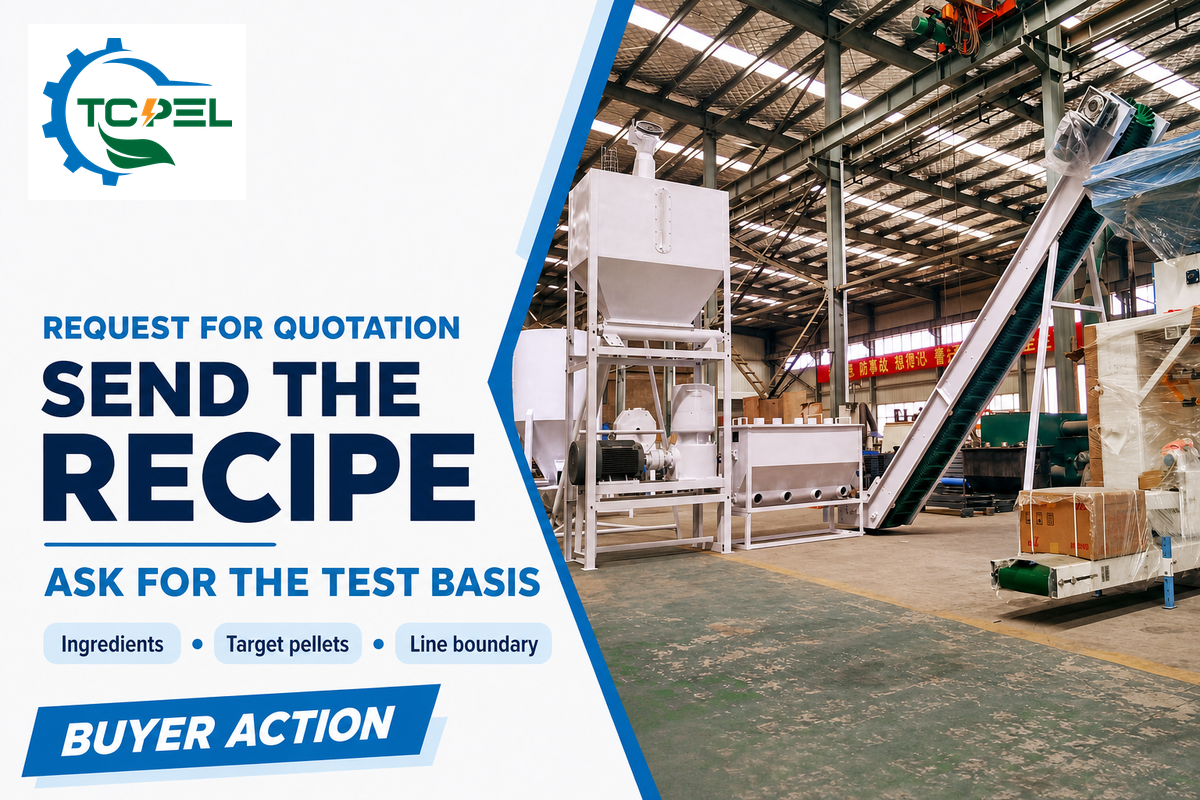
The best way to shorten 10 names is to send out consistent technical briefs. Start with feed formula and capacity band. Ask vendors to disclose the actual machine and the process equipment before and after it, and the test conditions behind the proposed output. Keep your purchase file organized by model and site, as a parent-company brochure, a division’s certificate, and a customer case can refer to different entities. If a vendor offers only a generic animal feed pellet mill, ask for a cattle-feed trial before accepting a guaranteed rate.
For a small operation, the cattle feed pellet machine buying guide discusses machine types and cost questions before the shortlist becomes a quote. Buyers comparing a wider set of animal-feed uses can read the broader animal feed pelletizer manufacturer roundup; this page is the narrower cattle and ruminant supplier comparison. If the TCF range fits your planned scale, compare TCPEL cattle models and request a recipe-based quotation through the TCPEL quote form.
One limitation should remain visible through the final decision: a published capacity, a customer story and a manufacturer’s certificate each answer a different question. Put them alongside the model and trial plan being proposed, not in a single undifferentiated “proof” column. That discipline makes the shortlist usable whether the project is a farm feed making machine, a commercial mill, or a larger feed manufacturing plant.
References & Sources
Model statements come from the official websites shown in the comparison table and company cards; company details also draw on public company profiles. The buyer-document guidance uses the following public authority pages:
- ISO, ISO 9001:2015 status page (withdrawn edition and replacement status, checked October 2026).
- ISO, ISO 12100:2010 page (machinery risk-assessment scope).
- European Commission, CE marking guidance (manufacturer conformity responsibilities).