Get in Touch with TCPEL

ISO Certified Quality
Pellet Cooler
Pellet Cooler for Counterflow Biomass and Feed Pellet Cooling
TCPEL SKLN Counterflow Cooling Machine
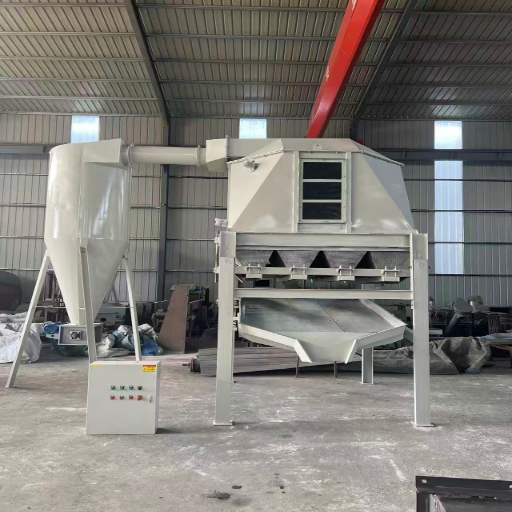
A TCPEL pellet cooler is designed to cool hot pellets after the pellet mill with bottom-up counterflow air; this five-model SKLN range and the clear FOB Qingdao pricing are for buyers sizing a new biomass or feed pellet line.

0.5-10 T/H
SKLN model output range
+5°C
Cooled pellet target above ambient temperature
>=3.8%
Moisture reduction claim from TCPEL product data
$6,200-$8,500
FOB Qingdao model price band
Cool Hot Pellets Before Storage, Packing, and Transport
Fresh pellets emerge from the pellet mill hot, moist and more prone to breakage than finished stock. A pellet cooler reduces pellet temperature and moisture before the product reaches screening, packing, storage or bulk haulage.
In the TCPEL counterflow pellet cooler layout, pellets fall from the top while cooling air moves upward from the bottom. Opposing movement gives hot pellets direct air contact through the bed instead of only cooling the surface layer.
Listed SKLN performance targets show cooled pellet temperature as not higher than outside temperature +5°C, with moisture reduction not less than 3.8%. Public feed-milling references also describe commercial cooling as the step that brings hot pellets close to ambient temperature before storage.
REF: ENG-NOTE-01
Engineer note
Do not size the cooler from pellet mill output alone. Throughput, pellet size, bed depth, moisture, fan air volume, fines load, and outlet temperature all influence whether the cooler can support the line rate without sending warm pellets into the bin or packing machine.
SKLN Pellet Cooler Models: 0.5-10 T/H Capacity and FOB Pricing
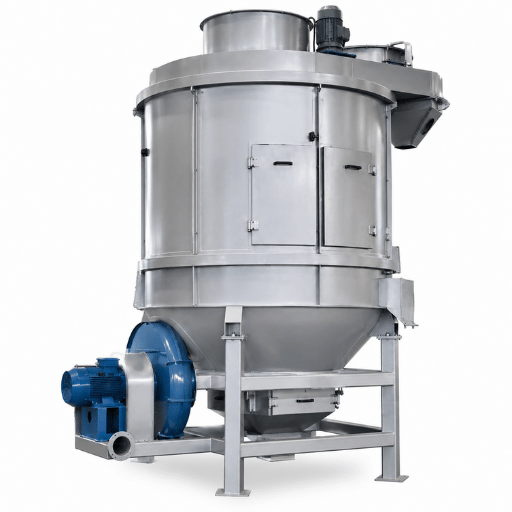
These SKLN units give procurement and plant teams a practical starting point for requesting custom pellet cooler machine quotes. Use the table below before confirming pellet material, diameter, inlet temperature, moisture, downstream packing method, power supply, and installation height.
| Model | Power (kW) | Output (T/H) | Capacity (CBM) | Fan Power (kW) | FOB Price |
|---|---|---|---|---|---|
| SKLN1.2 | 1.1 kW + 1.5 kW | 0.5-0.8 T/H (500-800 kg/h) | 1.2 | 5.5 kW | $6,200/set |
| SKLN1.5 | 1.5 kW + 0.25 kW | 1-2 T/H (1,000-2,000 kg/h) | 1.5 | 7.5 kW | $6,800/set |
| SKLN2.5 | 2.2 kW + 0.55 kW | 2-3 T/H (2,000-3,000 kg/h) | 2.5 | 11 kW | $7,300/set |
| SKLN4 | 3 kW + 0.7 kW | 3-4 T/H (3,000-4,000 kg/h) | 4 | 18.5 kW | $7,900/set |
| SKLN6 | 4 kW + 0.7 kW | 6-10 T/H (6,000-10,000 kg/h) | 6 | 22 kW | $8,500/set |
Payment term: 30% T/T after order confirmation and 70% T/T before shipment. Buyers comparing a pellet cooler for sale should verify whether the quoted price includes the air lock, fan, cyclone, dust collector, spare parts, and after-sales terms.
Regulated plants should include ISO, CE, OSHA, local electrical, or food/feed hygiene requirements in the inquiry. This page does not claim one code governs every project; it tells procurement teams which compliance notes must be checked before a formal order.
Counterflow Pellet Cooler Design: Airflow, Air Lock, and Fines Control
System boundary to confirm
-
Air lock feeder at the cooler inlet
-
Fan capacity and duct route
-
Cyclone and dust collection plan
-
Vibration/fines separation
-
Discharge height for screening or packing
HOVER TO DECODE
New Counterflow Cooler vs Used or Horizontal Pellet Cooler
Search results for pellet cooler for sale often mix factory-supplied equipment, marketplace listings, and used machines. Older units can look cheaper at first glance, but buyers still need to inspect the fan, air lock, discharge grid, cyclone, dust collector, controls, and available spare parts before treating the price as comparable.
Recommended
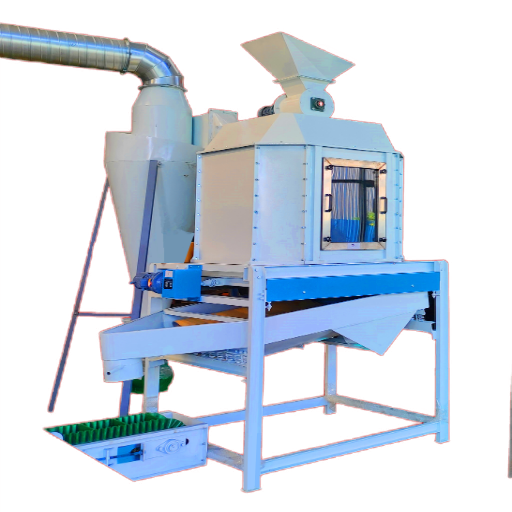
New TCPEL SKLN Counterflow Cooler
Capacity match
Choose from 0.5-10 T/H SKLN range before quote
Airflow control
Specified with fan, cyclone, dust collector, and line layout
Spare parts
Supplier can quote matched wearing parts and service items
Buying risk
Factory quote can include model, price, payment, and support scope

Used Pellet Cooler
Capacity match
Must verify real previous line rate and current wear
Airflow control
Fan, duct, and air lock condition must be inspected
Spare parts
Part source depends on age, brand, and previous modifications
Buying risk
Buyer carries more inspection and refurbishment risk

Horizontal Cooler
Capacity match
Often selected when floor layout favors belt travel
Airflow control
Bed depth and belt speed become core settings
Spare parts
More belt and deck components may need site-specific spares
Buying risk
Buyer should confirm footprint, belt cleaning, and dust control
Cooling Performance Checks Buyers Should Confirm Before RFQ
Useful pellet cooler quotes start with operating data, not just a model name. Feed pellet coolers, wood pellet coolers, and biomass pellet coolers may share the same counterflow design, but material, size, moisture, airflow, bed depth, and dwell time all determine final temperature.
5-Point SKLN Cooling Fit Matrix
Fit Point
What to Send TCPEL
Why It Changes Cooler Selection
// PARAM_01
Throughput target
Hourly output, peak output, and planned growth
Maps the line to SKLN1.2 through SKLN6 instead of oversizing by guesswork
// PARAM_02
Pellet material
Wood, biomass residue, animal feed, aqua feed, or mixed material
Density and material heat behavior affect cooling time and airflow demand
// PARAM_03
Temperature and moisture before cooling
Measured pellet temperature and moisture after the pellet mill
Confirms whether the line needs a standard SKLN model or a longer dwell-time setup
// PARAM_04
Dust/fines tolerance
Expected fines level and whether screening happens before packing
Fines can reduce airflow through cooler ducts and need cleaning access planning
// PARAM_05
Downstream packing requirement
Bulk bin, bagging machine, silo, or conveyor height
Determines discharge height, transfer route, and whether extra dust handling is needed
TCPEL Manufacturing, Export, and After-Sales Support
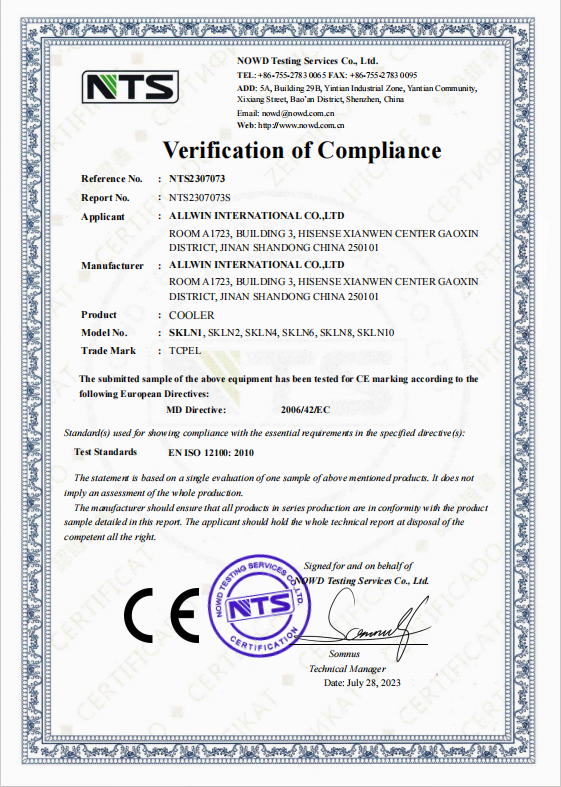
Company Identity
ALLWIN INTERNATIONAL CO., LTD
As a professional pellet machine manufacturer in China, TCPEL integrates research and development, production, sales, and service in a 20,000 m2 factory with more than 100 workshop staff.
Product range covers drum chippers, hammer mills, rotary dryers, pellet machines, feed pellet machines, pellet production lines, pellet coolers, and pellet packing machines. That matters for buyers building a line because the cooler must fit the dryer, pellet mill, conveyor, screening, and packing layout.
Exports reach in excess of 60 countries and regions, including Germany, Finland, Russia, New Zealand, South Korea, Pakistan, India, Bangladesh, Vietnam, Malaysia, and Turkey. The machine model and order history yield after-sales support questions.
Project files can include the selected model sheet, motor power list, fan power, component scope, packing details, shipment terms, and spare-part list in the same quote. That keeps the commercial offer tied to the 0.5-10 T/H sizing decision instead of leaving the engineer to rebuild the equipment scope from separate emails.
×
Interactive Pellet Cooler Planning & Evaluation Tools
SKLN Pellet Cooler Model Selector
Match your required hourly output to TCPEL SKLN counterflow cooler models. Use this before RFQ so the quotation starts with the right capacity range.
Cooling Inquiry Readiness Checklist
Check the details that help TCPEL size the cooler, fan, cyclone, dust collector, discharge, and packing connection without slow back-and-forth emails.
Used Pellet Cooler Risk Estimator
Used equipment can look cheaper in search results. Estimate the cost items that often sit outside the headline used-machine price.
This estimator uses TCPEL SKLN FOB model prices as the new-equipment reference and asks you to add known used-machine costs. It does not assume savings that are not supported by your own inputs.
Manufacturing Excellence
Global Manufacturing & Delivery Excellence
Showcasing our robust production capabilities, precision engineering, and worldwide shipment of high-performance TCPEL pellet cooling systems to global markets.
×
![TCPEL Factory Enlarged]()
FAQ: Pellet Cooler Sizing, Temperature, Moisture, and Maintenance
Begin with SKLN1.5, which is listed for 1-2 T/H output. Pick the final model based on pellet material, inlet temperature, moisture, diameter, fan requirement, and downstream packing.
The supplied TCPEL data lists a cooled pellet temperature no more than 5°C above outside air. External pellet-cooling studies consider near-ambient cooling as a typical storage goal, though actual performance depends on airflow, bed depth, starting material, and local humidity.
Counterflow units pump cool air up through pellets that fall through chutes in water drop tables. Horizontal units pass pellets through on a conveyor or screen belt and blow air through the layer. Better option hinges on available space, throughput, cleaning ability, dust control, or forthcoming packing.
Each cooler can be matched to fine particles, lumps, flakes, or granules of similar size to the regular output. Changing grades requires the material type, pellet size range, and intended output for each grade.
Provide pellet mill output rate, feed material, pellet diameter and length, inlet temperature and moisture, expected final temperature before packing, voltage, installation height, and dust collection plan. Extra layout information helps TCPEL decide whether the standard cooler scope needs adjustment.
Fines reduce in-line airflow and settle on cooler chutes, fans, or conveyor belts if not regularly cleaned. It is one of several reasons to have dust collection and cleaning incorporated into the layout, according to Kansas State University Feed Science.
Engineering Portal
Request a Pellet Cooler Quote
Supply your feed pellet material, target rate, pellet diameter range, inlet moisture and temperature, fan or voltage requirements, and packing layout.
Then, an engineer can match the SKLN model range to existing lines and advise on scope, payment conditions, shipment terms, spare parts, and after-sales support.
SKLN
MATCHING
Inlet.Data // WAIT
Scope // ALIGN
Layout.Sync