Contacter TCPEL

Broyage d'aliments et de biomasse · B2B
Broyage d'alimentation TCPEL Hammer Mill Moulin industriel Hammer pour aliments et biomasse
Systèmes de broyage d'aliments hammer conçus pour l'alimentation en purée et la biomasse Capacité de 0.5–30 t/h, Consommation d’énergie de 5–15 kWh/tonne, Grille à changement rapide de 5 minutes. Un broyeur à marteaux se définit au mieux comme un broyeur à impact spécifié pour produire des résultats de broyage — son choix exige davantage que la vitesse du rotor ; la vitesse périphérique, l’ouverture de la grille et la géométrie des marteaux doivent toutes correspondre à votre matériau de départ.
· 01 ·
Capacité de 0.5–30 t/h
À travers 5 niveaux de modèles, (, prêt à traiter les aliments pour animaux et la biomasse).
— 02 · Efficacité
Consommation d’énergie de 5–15 kWh/tonne
Correspondance les normes leaders de l'industrie d'aujourd'hui.
— 03 · Rotor
Vitesse périphérique de 60–110 m/s
Configurable par matériau, par défaut 80 m/s.
— 04 · Entretien
Grille à dégagement rapide, <5 Minutes
Vs temps d'arrêt typique de 15–30 minutes.
— 05 · Pièces d’usure
Durée de vie des marteaux : 200–1,500 heures
Selon le type de matériau & carbure chromé choix.
— 06 · Sécurité
NFPA 652 /654 · OSHA · Conforme ATEX
Cyclone + sac système de dépoussiérage.
Obtenez un devis personnalisé
Réponse d'ingénierie dans les 24 heures
Série TCPEL ·
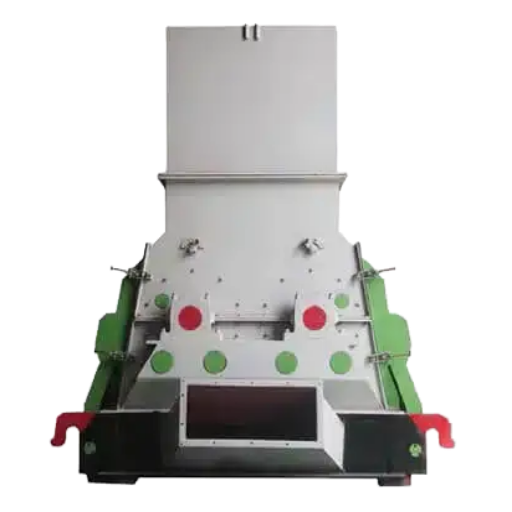
5 Modèle Tiers 0,5·30 t/h
60+
Pays desservis
2020
Usine établie
ISO 9001
Système Qualité
CE
Directive européenne
20,000m²
Zone de fabrication
01 / Mémoire d'approvisionnement · Sélection de l'usine Hammer
Pourquoi Hammer Mill La sélection compte
Les usines de charbon ont besoin de profils de broyage différents et les deux, pourquoi une seule spécification de moulin Hajack@tcpel.comer manque.
02 /Le cadre de passation des marchés
La plupart des producteurs le traitent comme un choix de puissance. Ce n'est pas le cas.
La plupart des producteurs de granulés traitent le choix d’un broyeur à marteaux comme un simple choix de puissance — ils sélectionnent la puissance de rotor correspondant à leur débit puis s’arrêtent là. Pour choisir le broyeur à marteaux le plus économique pour votre application, ce calcul simple néglige le poste de consommation électrique le plus important de votre broyeur à granulés typique à une seule étape : le broyeur.
Des recherches indépendantes de modélisation de procédés achevées en 2025 ont identifié que la fonction de broyage du broyeur à marteaux consommait, en moyenne, 33.85% de l'énergie électrique d'une ligne de production de granulés complète typique. Le broyeur n'est pas un acte de soutien : il s’agit toujours du plus grand utilisateur d’énergie sur la ligne.
Ce seul fait recadre la question de l’approvisionnement. La différence de coût entre un broyeur existant de 25 kWh/tonne et un broyeur moderne de 10 kWh/tonne hammer est pas une baisse de 5–10 % de votre facture d’énergie ''est un' Réduction de 60% sur le principal facteur de coût de l’usine de production de granulés.
03 /S'opposer aux normes d'optimisation
Aliment de purée V. Biomasse Deux usines en une seule décision
Alimentation de purée et demande de biomasse s'opposant aux normes d'optimisation Une conception de broyeur capable de régler les performances des deux profils compromet la performance. C'est pourquoi une plate-forme multi-écrans à vitesse de pointe variable est prioritaire pour la polyvalence des applications.
Côté. Côté
Application de biomasse

Profil B · Énergie
Biomasse pour chaudières et granulés
Vitesse de pointe
90–110 m/s
Dimension de la grille
Plus grand
Matériaux
Fibreux
Matière première
Paille · Bois
D'un autre côté, il est préférable de diriger la biomasse destinée aux chaudières et aux matières premières en granulés à travers un moulin situé à un vitesse de pointe plus élevée (90-110 m/sec.) et avec des grilles plus grandes pour traiter des matériaux fibreux tels que la paille et les plaquettes de bois.
Application de flux de purée
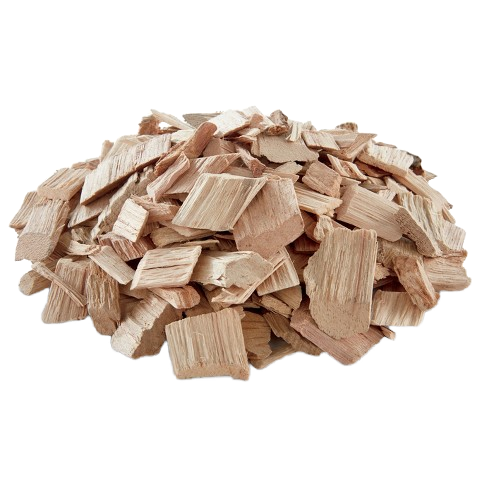
Profil A · Flux
Aliment pour purée pour volaille et porc
Taille des particules
600–900µm
Distribution
Étroit
Benchmark
700µm
Résultat
↑ Digestibilité
Les aliments pour purée destinés aux volailles et aux porcs nécessitent une distribution granulométrique étroite 600-900 microns; dépassant le broyage par galets dans les études de digestibilité — une étude sur de la volaille broyée à 700 Microns dans un broyeur à marteaux a démontré une meilleure digestibilité que le broyage par galets jusqu’au même objectif.
5×
Une conception de broyeur unique capable de régler les performances des deux profils est compromise. C'est pourquoi une plate-forme multi-écran à vitesse de pointe variable telle que le concept de produit TCPEL est prioritaire pour la polyvalence des applications plutôt que pour les performances d'un seul tour sur un seul matériau.
04 /Couvres de cette page
Les compromis techniques derrière la décision
Cette page présente les compromis techniques qui influencent cette décision : les cinq niveaux de modèles TCPEL et l’usage de chacun, la comparaison entre le broyeur à marteaux, le broyeur à galets et le broyeur à disques selon les critères importants pour les lignes de granulés d’aliments pour animaux et les chaudières à biomasse, les cinq applications industrielles dans lesquelles le calcul amortit le capex, ainsi que les paramètres d’approvisionnement — tarification FOB, délai de livraison, couverture après-vente — qui déterminent le coût total de possession pour les acheteurs expédiant des équipements du Shandong vers 60+ pays.
01
Les cinq niveaux de modèle TCPEL
Et où chacun s’adapte aux charges de travail des aliments de purée et de la biomasse.
02
Broyeur à marteaux vs broyeur à galets vs broyeur à disques
Sur les mesures importantes pour les conduites de granulés alimentaires et les chaudières à biomasse.
03
Cinq applications industrielles
Là où le calcul amortit le capex dans une plage optimale de retour sur investissement défendable.
04
Tarification FOB · Délai de livraison · Service après-vente
Les paramètres d'approvisionnement qui déterminent le coût total de possession.
Public· Ingénieur + Approvisionnement · RFQ Correspondance
TCPEL Industrial Hammer Mill Lineup : 5 niveaux De 0.5 à 30 t/h avec des données de performance publiées
TCPEL publie les paramètres de fonctionnement qui influencent l'économie du monde réel : vitesse périphérique, énergie par tonne, durée de vie des marteaux, temps de remplacement de la grille. Schutte Hammermill, Art's Way et Colorado Mill Equipment vendent chacun des usines hammer industrielles décentes, mais aucune de ces trois ne publie la vitesse de pointe, kWh/tonne ou hammer vie sur leurs pages de catalogue public. Les équipes d'approvisionnement du côté de l'acheteur utilisent listes de contrôle d'inspection en 30 points comme la fiche d'inspection trimestrielle standard de l'usine hammer, ces données sont nécessaires pour comparer leurs fournisseurs. Le retenir déplace le risque vers l’acheteur.
D01
Paramètres publiés contre silence du catalogue public
TCPEL
Publié
Schutte Hammermill
Retenu
La voie de l'art
Retenu
Équipement du moulin du Colorado
Retenu
Vitesse de pointe, kWh/tonne et hammer durée de vie, les trois numéros dont les équipes d'approvisionnement ont besoin pour comparer les fournisseurs sont les suivants absent des pages du catalogue public des concurrents. Nous publions les trois.
D02
Géométrie de grille à démontage rapide
Norme Industrie
15–30min
Pin captif TCPEL
< 5min
Les promoteurs de l'usine Hammer utilisent parfois comme bâton pour battre les rapports des enquêtes industrielles 15-30 mins d'arrêt de production par remplacement de grille. Le cadre à démontage rapide de TCPEL remplace le dispositif de retenue de grille perforée boulonné par un verrou à broche captive — pour une année de production de granulés avec 50 changements de matières et remplacements de pièces d'usure, ce qui équivaut à 8-20 heures de débit récupéré.
02 /Architecture du cœur cinétique
Chambre de broyage à haute résistance · Rotor équilibré · 1 800 tr/min 3 600 tr/min
Chaque broyeur à marteaux TCPEL est construit autour d’un cœur cinétique composé d’une chambre de broyage en acier à haute résistance et d’un rotor équilibré fonctionnant à 1 800-3 600 tr/min avec réversible hammers. Le matériau s'écoule vers le bas dans la goulotte d'alimentation par gravité (vers le haut via un convoyeur pneumatique pour la biomasse), est impacté par l'oscillation d'un ensemble de hammers contre la plaque de broyage pour l'écrasement et sort par la goulotte de décharge jusqu'au produit filtré. Les pièces d’usure — marteaux, tamis, roulements, joints d’arbre — sont stockées localement par l’intermédiaire des agents de service régionaux de TCPEL. Les modèles de broyeurs d'alimentation via les plus petits niveaux HM-15 et HM-22 desservent les fermes et les petites coopératives à la recherche d'une petite alternative broyeur-mélangeur sans avoir besoin d'un broyeur à granulés complet en amont.
ÉTAPE 01
Goulotte d'alimentation
Alimenté par gravité pour les céréales. Alimenté pneumatiquement convoyeur pour charges de travail de biomasse.
ÉTAPE 02
Chambre de broyage
Rotor équilibré à 1,800–3,600 rpm, les marteaux réversibles frappent contre la plaque de broyage.
ÉTAPE 03
Passage à travers la grille
Retenu à broche captive. Ouverture 0.8–20 mm selon le niveau et le matériau.
ÉTAPE 04
Décharge
Débit de production criblé vers le cyclone en aval, la presse à granulés ou la trémie de stockage.
// En aval et conformité
HM-30+
Équipé de souffleur aval et séparateur cyclone en standard.
HM-45 /60
Recevoir un ventilateur à filtre à manches à jet d'impulsion pour éliminer les particules fines inférieures à 10 microns par NFPA 654 normes.
03 /La gamme à cinq niveaux
Sélectionnez un niveau Tous les paramètres de fonctionnement publiés
La capacité de production dépend de la densité apparente de la matière première, de l'ouverture de grille visée et de la teneur en humidité. La performance énergétique correspond à données de terrain mesurées par TCPEL sur du maïs à 12-14% d’humidité; la biomasse et les matériaux fibreux se situent à l’extrémité supérieure des gammes publiées.
Niveau 01 · HM-15
// MODÈLE NIVEAU 01
TCPEL HM-15
0.5–1.5
Tonnes/Heure Capacité
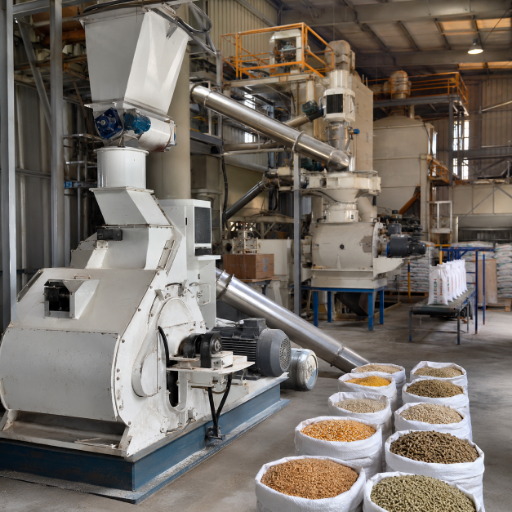
Modèle de broyeur d'alimentation d'entrée de gamme servant exploitations agricoles et petites coopératives à la recherche d'une petite alternative broyeur-mélangeur sans avoir besoin d'un broyeur à granulés complet en amont.
Moteur
11–18.5kW
Vitesse de pointe
80m/s
Marteaux
32
Ouverture de grille
1.5–10mm
Énergie
10–14kWh/t
Gamme FOB
$2,500$4,800
Niveau 02 · HM-22

// MODÈLE NIVEAU 02
TCPEL HM-22
1–3
Tonnes/Heure Capacité
Broyeur d'aliments de niveau intermédiaire pour coopératives et petites exploitations de granulés. Rotor 48-hammer et une ouverture minimale de 1mm produisent un mash fin pour la volaille et les porcs à des cibles de 700μm.
Moteur
22–37kW
Vitesse de pointe
80–95m/s
Marteaux
48
Ouverture de grille
1–12mm
Énergie
9–13kWh/t
Gamme FOB
$5,200$8,500
Niveau 03 · HM-30
// MODÈLE NIVEAU 03
TCPEL HM-30
3–8
Tonnes/Heure Capacité
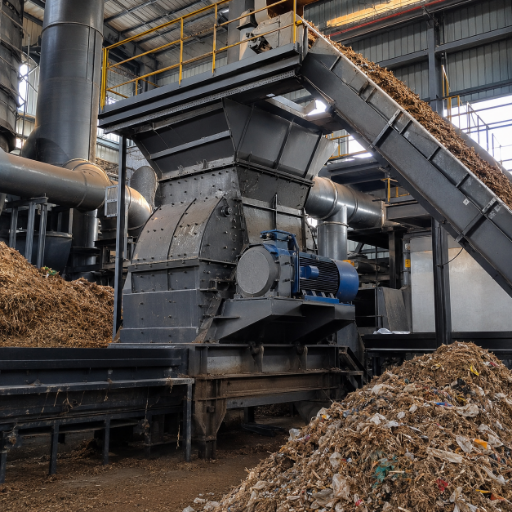
Cheval de travail à granulés de bois. 72 carbure de chrome réversible hammers (standard à partir de HM-30) plus une vitesse périphérique de 95 m/s permettent de traiter des plaquettes de bois fibreuses. La soufflerie et le séparateur cyclonique en aval sont fournis de série.
Moteur
45–75kW
Vitesse de pointe
80–95m/s
Marteaux
72
Ouverture de grille
0.8–14mm
Énergie
8–12kWh/t
Gamme FOB
$11,000–$18,000
Niveau 04 · HM-45

// MODÈLE NIVEAU 04
TCPEL HM-45
8–15
Tonnes/Heure Capacité
Niveau de ligne de granulés d'alimentation industrielle. Rotor à entraînement direct de 132 kW, 96 marteaux, 8 kWh/ton à l’échelle industrielle. Ventilateur de filtre à manches à jet d'impulsions inclus pour répondre aux normes de particules NFPA 654 sub-10-micron S'intègre au refroidisseur de granulés et à l'emballage TCPEL.
Moteur
90–132kW
Vitesse de pointe
85–100m/s
Marteaux
96
Ouverture de grille
0.8–16mm
Énergie
7–11kWh/t
Gamme FOB
$22,000–$32,000
Niveau 05 · HM-60
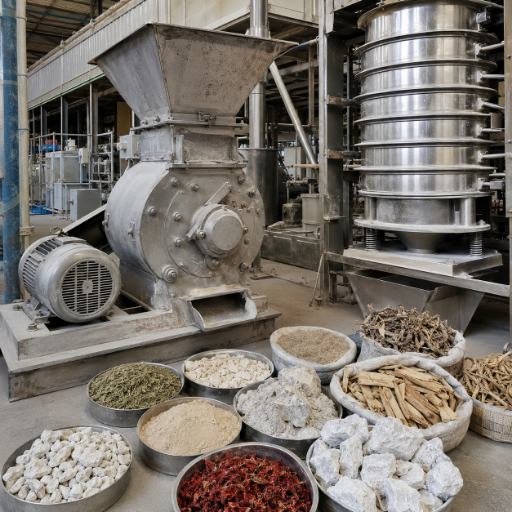
// MODÈLE NIVEAU 05
TCPEL HM-60
15–30
Tonnes/Heure Capacité
Grand niveau phare de biomasse/RDF. 250 kW, 144 hammers, vitesse de pointe jusqu'à 110 m/s pour la biomasse dure. Filtre à manches à cyclone et à jet pulsé conforme à NFPA 652 en standard. Conçu pour les applications d'alimentation de chaudière et de combustible dérivé de déchets.
Moteur
160–250kW
Vitesse de pointe
90–110m/s
Marteaux
144
Ouverture de grille
1.0–20mm
Énergie
6–10kWh/t
Gamme FOB
$38,000–$54,000
| Modèle | Capacité (t/h) | Moteur (kW) | Vitesse de pointe (m/s) | Marteaux | Ouverture de grille (mm) | Énergie (kWh/tonne) | Plage FOB (USD) |
|---|---|---|---|---|---|---|---|
| TCPEL HM-15 | 0.5–1.5 | 11–18.5 | 80 | 32 | 1.5–10 | 10–14 | $2,500$4,800 |
| TCPEL HM-22 | 1–3 | 22–37 | 80–95 | 48 | 1–12 | 9–13 | $5,200$8,500 |
| TCPEL HM-30 | 3–8 | 45–75 | 80–95 | 72 | 0.8–14 | 8–12 | $11,000–$18,000 |
| TCPEL HM-45 | 8–15 | 90–132 | 85–100 | 96 | 0.8–16 | 7–11 | $22,000–$32,000 |
| TCPEL HM-60 | 15–30 | 160–250 | 90–110 | 144 | 1.0–20 | 6–10 | $38,000–$54,000 |
La capacité dépend de la densité apparente de l’alimentation, de l’ouverture de tamis cible et de la teneur en humidité. La performance énergétique correspond à des données de terrain mesurées par TCPEL sur du maïs à 12-14% d’humidité ; les biomasses et matériaux fibreux se situent dans le haut des fourchettes publiées.
04 /Matrice de décision
Faites correspondre le modèle à l'application
Cinq profils d'exploitation. Cinq niveaux recommandés. Chaque ligne ancre un cas d'acheteur précis à partir de aliment de purée pour petites exploitations jusqu'au grande chaudière à biomasse / usine de production de granulés RDF.
Profil × Modèle × PourquoiProfil d'exploitation 01
Aliment pour purée de petite ferme
≤ 1,5t/h
TCPEL HM-15
Option monophasée 380 V, 11 tirage minimum kW, ouverture de tamis jusqu’à 1.5mm pour les aliments pour volaille.
Profil d'exploitation 02
Usine d’aliments pour animaux de taille moyenne pour volaille / porcins
1–3 t/h
TCPEL HM-22
Rotor 48-hammer, grille de 1mm pour une mouture fine à 700μm, 9 kWh/tonne sur maïs.
Profil d'exploitation 03
Ligne de granulés de bois
3–8 t/h Biomasse
TCPEL HM-30
72 carbure de chrome réversible hammers, vitesse périphérique de 95 m/s pour les plaquettes de bois fibreuses, grille de 14mm pour la presse à granulés en amont.
Profil d'exploitation 04
Ligne de granulés d'alimentation industrielle
8–15 t/h
TCPEL HM-45
rotor à entraînement direct 132 kW, 96 hammers, 8 kWh/tonne à l'échelle, s’intègre avec le refroidisseur de granulés et l’équipement d’emballage TCPEL.
Profil d'exploitation 05
Grande chaudière à biomasse / usine de production de granulés RDF
15–30 t/h
TCPEL HM-60
250 kW, 144 hammers, : vitesse de pointe jusqu'à 110 m/s pour la biomasse dure, Conforme à la NFPA 652 cyclone + filtre à manches standard.
05 /Essais sur le terrain de R & D
Nous avons testé 14 géométries de marteaux sur maïs, plaquettes de bois et balle de riz avant de choisir le profil réversible en carbure de chrome fourni avec le HM-30 (standard sur 30 et plus).Trois de ces géométries ont produit un kWh/tonne inférieur sur le maïs seul, mais toutes ont échoué 600 heures contre la biomasse. Le profil réversible que nous avons laissé en production donne 1 200 heures sur maïs et 800 heures sur des plaquettes de bois résineux C'est pour cela que nous concevons le commerce, et non pour un matériau de pointe.
SE
Ingénieur d'application principal
Département de R&D TCPEL
06 /Hammer Durée de vie
200–1 500 heures par jeu, selon le matériau
La durée de vie de toute la gamme s'étend 200-1 500 heures en fonction du matériau et du réglage de la vitesse de pointe.
Les roulements doivent être nettoyés et relubrifiés à chaque fois 300 heures de fonctionnement quel que soit le matériau, il empêche le modèle de défaillance précoce des roulements qui entraîne des temps d'arrêt imprévus dans les anciennes usines hammer.
🔬 Test de granulométrie gratuit : délai d'exécution de 7 jours sur votre matière première exacte
Envoi de TCPEL a Échantillon de 5–10 kg de votre matière première renvoie un rapport d'essai granulométrique gratuit à l'intérieur 7 jours ouvrables, : dont ouverture de tamis recommandée et kWh/ton projetés pour votre matière première exacte.
Public : Ingénieur + Gestionnaire (Diffre d'échange de coûts)
Broyeur à marteaux vs broyeur à galets vs broyeur à disques — quel broyeur pour les aliments en farine, les granulés de bois ou l’alimentation de chaudière à biomasse
L'idée reçue concernant le broyage veut que les broyeurs à galets produisent des particules plus uniformes et offrent ainsi un avantage en matière de digestibilité des aliments. Cette idée est en partie erronée : elle coûte réellement de l'argent aux installations d'aliments pour animaux lorsqu'elles investissent dans un broyeur à galets en supposant qu'il l'emporte toujours sur la digestibilité. La comparaison publiée par National Hog Farmer sur du maïs broyé à plusieurs granulométries a révélé qu'à 700 microns, le maïs broyé au broyeur à marteaux était mieux digéré par les poulets de chair que le maïs broyé au broyeur à galets au même objectif . La largeur de la distribution granulométrique est un facteur réel, mais ce n'est pas le seul ; la rugosité de surface, la fragmentation des enveloppes et l'interaction avec l'ouverture de la grille influent de manière mesurable sur les résultats nutritionnels chez les animaux.
Une comparaison honnête semble différente de celle du marketing. Chaque type de broyeur est le meilleur pour un travail spécifique, et les décisions d'approvisionnement s'améliorent lorsque les acheteurs font correspondre la technologie au matériau dominant plutôt qu'à une vague préférence pour " l'uniformité " ou le " débit ".
Facteur
Broyeur à marteaux
Broyeur à galets
Moulin à disques
Gamme de débit
0,5–30 t/h (élevé)
0,3–5 t/h (moyen)
0,1–2 t/h (faible)
Utilisation d'énergie (maïs 700μm)
8–12 kWh/tonne
4–6 kWh/tonne (concassé) / 8–10 kWh/tonne (fin)
10–18 kWh/tonne
Distribution Particulaire
Plus large (bon pour la purée)
Plus étroit (bon pour fissuré/éclat)
Moyen
Digestibilité des poulets de chair @ 700μm Maïs
Plus élevé (données NHF)
Inférieur (données NHF)
—
Capacité des matériaux fibreux
Excellent (paille, bois, plaquettes de bois)
Faible
Limité
Temps d'arrêt pour remplacement de grille
5 min (TCPEL) /15–30 min (industrie)
Rectification des galets requise, 4–8 heures
Remplacement du disque, 30–60 min
Coût des pièces d'usure (annuel, 5 000 t/an)
$800$2,500 (hammers + écrans)
$3,000–$6,000 (rectification des galets)
$1,500$3,500 (remplacement du disque)
Meilleur match matériel
Mouture de maïs, blé, biomasse, bois, plaquettes de bois
Maïs concassé, grains en flocons, flocons d'avoine
Fourrage, fourrage grossier, luzerne
L’affaire économique s’aggrave lorsque vous mappez le broyeur à la prochaine étape du processus.
Les conduites d'alimentation en granulés veulent presque toujours un broyeur d'alimentation de broyeur hammer en amont - la distribution plus large des particules aide en fait le remplissage de la filière de pressage des granulés, et la marge de débit gère la variabilité des lots d'ingrédients.
Le maïs concassé pour la finition des bovins nécessite un broyeur à galets - l'intégrité précise des particules compte ici davantage que le broyage fin, et les économies d'énergie de 30-40% sur le simple concassage sont réelles.
Le traitement du fourrage et des fourrages grossiers riches en fibres nécessite un broyeur à disques - ni les marteaux ni les galets ne traitent correctement les tapis de fibres longues à grande échelle.
Lorsque vous comparez les types de broyeurs d’aliments pour animaux destinés aux acheteurs TCPEL aux broyeurs à galets en général, ne négligez pas l’avantage de la géométrie de changement des grilles. Un broyeur à galets n’a jamais d’arrêt pour changement de grille parce qu’il n’a pas de grilles, mais il présente des intervalles de dressage des galets qui entraînent 4-8 heures d’arrêt tous les 6-12 mois - soit un temps d’arrêt total bien supérieur à 50 changements de grille de 5 minutes chacun sur un broyeur à marteaux.
Les acheteurs qui comparent les fournisseurs américains historiques (Bliss Industries, Sudenga, Stedman, Prater, Andritz) et les spécialistes de l’Union européenne (SKIOLD pour les aliments, SIEBTECHNIK TEMA pour la réduction de taille industrielle) constatent un coût rendu 2-4 fois supérieur à celui de constructions TCPEL équivalentes offrant des performances mécaniques identiques. Il s’agit autant de la profondeur du réseau de service que de l’efficacité du capital. Des recherches indépendantes publiées par ScienceDirect confirment les mêmes fondamentaux de concassage par impact et de broyage chez tous les fournisseurs- les variables qui font varier les performances réelles sont le réglage de la vitesse périphérique, le choix de l’ouverture de tamis, la géométrie des marteaux et la teneur en humidité de l’ingrédient ; et non la date de fondation du fondateur historique. L’évaluation structurée des fournisseurs par les parties prenantes doit comparer l’enveloppe technique publiée (que TCPEL fournit ci-dessus) plutôt que des heuristiques.
Besoin d'une comparaison directe adaptée à votre mélange d'aliments pour animaux ou de biomasse ? Demandez un rapport de comparaison personnalisé — les ingénieurs TCPEL modéliseront l'économie des marteaux, des galets et des disques pour votre exploitation spécifique, sans engagement.
Demander un rapport personnalisé
Public · Gestionnaire/Propriétaire + Ingénieur · Validation Technique
Cinq industries où se trouve l'usine TCPEL Hammer Gagne du dos Capex Alimentation animale, granulés de bois, chaudière à biomasse, aliments pour animaux de compagnie, réduction de taille industrielle
Les applications de broyeur Hammer se replient cinq profils d'exécution où les mathématiques de l’équipement rapportent leur capex. Listes Wikipédia 11 applications industrielles en général, mais 5 en nombre dominent TCPEL expédié chaque année pour le broyage des aliments - hammer-mill. Chaque profil a des objectifs d'optimisation de paramètres différents : uniformité énergétique par tonne, durée de vie hammer, particules ou régime de conformité ; et niveau de modèle correspondant.
//Concentration de l'application
5
de 11
Cinq profils dominent Volume annuel des expéditions TCPEL. Wikipédia recense 11 applications industrielles de broyeurs à marteaux ; les cinq ci-dessous représentent la majorité de la demande des acheteurs du Shandong vers plus de 60 pays.
02 /Profils d'applications
Sélectionnez une industrie Configuration, matériel, déploiements actifs
Chaque profil nomme la matière première typique, le niveau de modèle Recommended TCPEL, l'enveloppe des paramètres (vitesse périphérique, ouverture de grille, kWh/ton), et les pays de déploiement en service.
01
Bétail + Volaille
Alimentation animale : Configuration du broyeur Hammer
// Matériel typique
Maïs
Blé
Farine de soja
Orge
Granulés de luzerne
// Recommended Tier
HM-22
→
HM-45
Recommendé HM-22 à HM-45 selon l’échelle de l’usine de production de granulés. Objectif de grille 1-2.5mm pour les purée de volaille à 600-900 m de finesse Maïs, broyé à 700 m dans le broyeur à marteaux, surpasse le broyeur à galets pour la digestibilité chez les poulets de chair, selon une recherche universitaire publiée. Fourchette 9-13 kWh/tonne de maïs sec, 12% d'humidité. Fonctionne avec une presse à granulés, un refroidisseur de granulés et une machine d'ensachage en aval pour une usine complète de production de granulés d'aliments pour animaux.
Objectif de grille
1.0–2.5 mm
Finesse
600–900µm
Énergie /Maïs
9–13 kWh/t
Teneur en humidité
12 %
Déploiements Actifs
VNVietnam
PKPakistan
BDBangladesh
MONMalaisie
RURussie
TRTurquie
6
Marchés Actifs
02
Densification de la biomasse
Production de granulés de bois : Configuration du broyeur à marteaux
// Matériel typique
Peau de sciure de pin
Plaquettes de bois résineux
Grattes de feuillus
// Recommended Tier
HM-30
→
HM-45
Recommendé HM-30 à HM-45 avec 96 carbure de chrome hammers et tamis de 6-14mm pour l’alimentation en amont de la presse à granulés. Vitesse périphérique 95-100 m/s lors du traitement de matériau fibreux Durée de vie Hammer 800 à 1 000 heures sur du bois résineux dans une usine de production d’aliments pour animaux très active. NFPA 652 + 654 cyclone + filtre à manches requis pour une usine de production de granulés en intérieur.
Marteaux
96 Carbure Chrome
Grille
6–14 mm
Vitesse de pointe
95–100 m/s
Hammer Vie
800–1 000 h
Déploiements Actifs
DEAllemagne
FIFinlande
NZNouvelle-Zélande
KRCorée du Sud
4
Marchés Actifs
03
Chaudière/Produit RDF
Chaudière à biomasse/RDF 4 Broyeur à marteaux à l'échelle
// Matériel typique
Coque de riz
Déchets de palmiers
Paille
Résidu Agricole
RDF
// Recommended Tier
HM-45
→
HM-60
Recommendé HM-45 à HM-60 avec 144 hammers. Vitesse de pointe 100-110 m/s pour la biomasse dure et les matériaux agressifs Les usines industrielles de RDF citent 60-70% des coûts d'exploitation annuels en manutention et broyage des matières premières l'efficacité du broyeur Hammer est le facteur de coût clé facilement optimisé.
Marteaux
144
Vitesse de pointe
100–110 m/s
Partagez OPEX
60–70 %
Classe Matériel
Dur/Agressif
Déploiements Actifs
DANSInde
PKPakistan
RURussie
TRTurquie
4
Marchés Actifs
04
Qualité alimentaire spécialisée
Aliments pour animaux de compagnie / Aliment Spécialisé
// Matériel typique
Viande Repas
Poisson Repas
Prémélanges Vitaminés
Herbes
// Recommended Tier
HM-15
→
HM-30
Recommendé HM-15 à HM-30 avec option acier inoxydable pour le traitement hygiénique. Beaux écrans 0,8-1,5mm pour l'encollage de granulés d'aliments pour animaux de compagnie de grande valeur. Vitesse de pointe réduite (60-80 m/s) pour ingrédients thermosensibles. Construction compatible FDA en option.
Construire
Inox Facultatif
Grille
0,8–1,5 mm
Vitesse de pointe
60–80 m/s
Conformité
Facultatif FDA
Déploiements Actifs
KRCorée du Sud
NZNouvelle-Zélande
DEAllemagne
NOUSÉtats-Unis
4
Marchés Actifs
05
Épice · Herbe · Minéral
Réduction de la taille industrielle : « Industrial Size Reduction » (réduction de la taille industrielle) Épice, Herbe, Minéral
// Matériel typique
Épice séchée
Racines d'herbes
Gypse
Calcaire
// Recommended Tier
HM-22
→
HM-30
Recommendé HM-22 à HM-30 avec doublures de qualité alimentaire ou acier au carbone. Test de R & D en dessous de l'échelle du laboratoire HM-15. Gamme granulométrique 100-500μm, options de criblage à plusieurs étapes.
Spécification du revêtement
Qualité alimentaire/Carbone
Niveau laboratoire
En dessous du HM-15
Taille des particules
100–500µm
Criblage
Multi-étapes
Déploiements Actifs
DANSInde
VNVietnam
TRTurquie
MONMalaisie
4
Marchés Actifs
📈 Vérification de compatibilité de la ligne de granulés : intégration 5 jours ouvrables Recommendation
Le retour sur investissement de la gamme de granulés varie considérablement en fonction du coût des matières premières et du prix de vente. Demandez un contrôle de compatibilité de la gamme de granulés en saisissant vos spécifications de ligne existantes (spécifications de la gamme existante)électrique, PLC de commande, capacité de production) et les ingénieurs TCPEL renvoient l'intégration recommendances à l'intérieur 5 working days.
Qualité et bilan mondial
Pile qualité — ISO 9001, conformité CE, systèmes de dépoussiérage conformes à NFPA, historique d’exportation dans plus de 60 pays. Public : achats + ingénierie (respect des normes). Les acheteurs industriels appliquant des listes de contrôle d’approvisionnement à 30 points — telles que le cadre de qualité fournisseurs de Baker Hughes ou la matrice d’évaluation des fournisseurs ISM — évaluent les nouveaux fournisseurs, et plus encore les fournisseurs en place, avec une rigueur bien supérieure. Une partie de l’échelle de prédiction concerne la « pérennité de la marque », et dans le cas de TCPEL, la réponse consiste à publier beaucoup plus de détails techniques que les fournisseurs historiques — vitesse périphérique, plage de durée de vie des marteaux, temps de changement de tamis, énergie par tonne, compatibilité tension et PLC — dans un format permettant à TCPEL d’être évalué selon les mêmes axes fondés sur des preuves que ses pères fondateurs (ou son siècle fondateur—1834 ou 1834).
ISO 9001:2015
Directive CE 2006/42/CE
NFPA 652 Conscient
Système de poussière conforme NFPA 654
OSHA 1910.22 Compatible
Configuration prête pour ATEX disponible
NFPA 652 – la norme américaine sur les principes fondamentaux des poussières combustibles—s’applique à toute usine de production de granulés qui traite par broyage des matières agricoles ou de biomasse. La norme exige une analyse des risques liés aux poussières dans la documentation de réduction des risques du propriétaire, ainsi que le choix d’équipements de protection. TCPEL livre chaque Hammer-30 et modèle supérieur avec un séparateur cyclonique + un système de collecte des poussières par filtre à manches spécifié par l’analyse des risques liés aux poussières et, sur demande, la documentation des évents d’explosion selon NFPA 68. Les acheteurs aux États-Unis et au Canada doivent consulter l’assureur de leur installation pour confirmer s’il impose des exigences supplémentaires concernant les caractéristiques du système de dépoussiérage au-delà des bases NFPA standard.
TCPEL Exporter l'empreinte 60+ pays depuis 2020
TCPEL a livré des broyeurs à marteaux, des presses à granulés, des séchoirs et des lignes complètes de fabrication de granulés aux exploitants figurant dans le tableau ci-dessous, en regroupant les concentrations d’exportation d’installations comparables sur des marchés semblables. Chaque pays répertorié compte au moins une installation active et mise en service ; beaucoup d’autres disposent de nombreux déploiements pour les usages d’alimentation animale et de biomasse.
Allemagnebiomasse
Finlandegranulé de bois
Russiealimentation + biomasse
Nouvelle-Zélandenourriture pour animaux
Corée du Sudaliment spécial
Pakistanaliments pour animaux
IndeRDF + biomasse
Bangladeshaliments pour volailles
Vietnamaqua + alimentation animale
Malaisiebiomasse de déchets de palmiers
Turquiebiomasse industrielle
+ 50 marchés de plusportée mondiale
Vous souhaitez des preuves de conformité documentées pour votre assureur ou un audit ? Téléchargez le dossier de documentation de conformité TCPEL — il comprend le certificat ISO 9001, la déclaration de conformité CE et les spécifications du système de dépoussiérage NFPA 654.
Télécharger PackPublic : Approvisionnement + Gestionnaire (Approbation budgétaire)
Parcours d'achat Plage de prix FOB, MOQ, Délai d'exécution, Installation, Garantie
La plupart des fournisseurs de broyeurs à marteaux—Schutte, CME, les petits modèles d’Art’s Way et le marché chinois de l’exportation dans son ensemble—sont généralement opaques. Un acheteur soumet un formulaire de contact, puis attend deux à cinq jours ouvrés un prix spécifique à sa demande, sans référence à une norme sectorielle. Cette opacité crée un défi pour les achats : les acheteurs n’ont aucune base pour comparer un devis isolé à la norme, et les retours de courtiers archivés et rapportés en ligne soulignent à plusieurs reprises l’importance du soutien après-vente, des pièces de rechange et de la formation parmi les principaux critères d’une décision d’achat. TCPEL répond en publiant d’emblée une fourchette de prix FOB, avec les facteurs qui font évoluer le devis dans cette fourchette.
Fourchettes de prix FOB (Qingdao, Chine USD)
Modèle
Gamme FOB
Inclusion standard
Common Ajoute des
TCPEL HM-15
$2,500$4,800
Moulin, moteur, boîtier de commande, 2 écrans, 1 hammer set
Cyclone (+$$800), filtre à manches (+$$1,200), chargeur (+$$600)
TCPEL HM-22
$5,200$8,500
Moulin, moteur, boîtier de commande, 3 écrans, 2 hammer sets
Combo cyclone + filtre à manches (+$$1,800), protecteur d'aimant (+$$300)
TCPEL HM-30
$11,000–$18,000
Moulin, moteur, contrôle PLC, 4 écrans, carbure de chrome hammers
Décharge pneumatique (+$$2 500), lecteur VFD (+$$3 200)
TCPEL HM-45
$22,000–$32,000
Broyeur, moteur à entraînement direct, PLC compatible Siemens/AB, système complet de dépoussiérage
Ensemble de rechange hammer sur 2 ans (+$$1 800), enquête de site + installation (+$$4 500)
TCPEL HM-60
$38,000–$54,000
Broyeur, moteur de 250kW, intégration PLC complète, système de dépoussiérage NFPA 654, évent d’explosion
Équipe de mise en service de 2 ingénieurs (+$$8,500), contrat de pièces d’usure de 5 ans (+$$6,200)
Facteurs de tarification : ce qui déplace le devis
Tension et fréquence
380 V/50 Hz par défaut ; 440 V/60 Hz, 480 V/60 Hz ou 220 V monophasé ajoutent 3-8% au prix de base
Construction en acier inoxydable
Nécessaire pour les aliments pour animaux de compagnie alignés sur la FDA ; ajoute 18-25% au coût du corps de l'usine
Niveau de compatibilité PLC
L'intégration Siemens S7/Allen-Bradley CompactLogix ajoute $1,500-$3,500 par rapport au standard PLC
Spécification du système de poussière
Base de référence NFPA 654 incluse à partir du HM-30 ; La certification ATEX pour l'UE ajoute $2 500-$5 000
Pack de pièces de rechange
Norme de 1 an ; contrat de 5 ans (réduit le coût des pièces à long terme de 35%)
Installation et mise en service
Le commistage en usine au Qingdao est inclus ; répartition des ingénieurs sur site $4,500-$12,000 par pays
Délai de livraison, MOQ, garantie
DÉLAI D'EXÉCUTION
30-45 jours FOB Qingdao pour les constructions standard ; 60-75 jours pour l’acier inoxydable ou une tension personnalisée
MOQ
1 unité ; les commandes de 5+ unités bénéficieront du tarif distributeur (généralement une remise de 8-15% sur le prix FOB de détail)
GARANTIE
1 an sur moteur et boîte de vitesses, 6 mois sur hammers (usure normale non couverte), disponibilité des pièces de rechange à vie
CONDITIONS DE PAIEMENT
30% avec commande, 70% contre copie B/L ou lettre de crédit à vue
EXPÉDITION
TCPEL gère la réservation FCL/LCL avec 3 transitaires partenaires dans Qingdao ; service porte-à-porte sur demande
Le choix industriel a porté sur un broyeur à marteaux ; après des années d'examen, l'acheteur a déclaré sur un forum populaire : « ...vous pouvez voir que nous avons fini par acheter un broyeur à marteaux de CME et que nous ne pourrions pas être plus heureux ». La spécification du rotor n'a jamais été le facteur décisif ; les avantages déterminants étaient l'approvisionnement en pièces au point de défaillance, la robustesse en fonctionnement et l'assistance d'ingénierie lorsque vous devez démarrer rapidement. La qualité chinoise de niveau export était le point de départ, mais jamais suffisante à elle seule : le réseau de service et la réactivité de l'ingénierie ont fait la différence.
Vous avez une application précise en tête ? Obtenez un devis basé sur votre volume en t/h et votre profil de matériau — l’équipe d’ingénierie commerciale TCPEL répond dans les 24 heures pendant les jours ouvrés, avec des spécifications techniques et des prix FOB généralement fournis dans les 3 jours ouvrés.
Centre d'ingénierie
Outils et calculateurs d'ingénierie interactifs
Optimisez vos paramètres de broyage des aliments pour animaux, validez l'efficacité des équipements de traitement et modélisez avec précision les configurations du système. Sélectionnez parmi notre gamme de calculateurs de précision ci-dessous pour déterminer les spécifications techniques exactes, les écarts énergétiques et les paramètres de grille requis pour votre ligne de fabrication industrielle.
Calculateur de données
Calculer le ROI
Calculateur de retour sur investissement pour économies d'énergie Hammer Mill
Public : Tous les acheteurs
FAQ de l'acheteur Taille de capacité, maintenance, intégration
Une cible d’usine de granulés SC prévoit un surdimensionnement de 30-50% du broyeur à marteaux afin de perfectionner la manutention des matériaux dans les machines et entre elles, de maximiser la production de farine et de réduire les inconvénients des arrêts dus aux changements de tamis affectant le débit de la presse à granulés. Le modèle TCPEL HM-22, de 1-3 t/h, convient bien ; pour des composants plus humides ou fibreux dans votre matière première (balle de riz, maïs à 16%+ d’humidité), choisissez un broyeur à marteaux crown jusqu’à 30 afin de tamponner votre procédé. La consommation électrique à cette taille est de 9-13 kWh/ton de maïs sec.
Les aliments mash pour volaille nécessitent une granulométrie cible de 600-900 micron. Avec une vitesse périphérique de 80-95 m/sec, un trou de tamis de 1mm sur un broyeur à marteaux produit une granulométrie moyenne de 700-800 micron. Des recherches publiées dans des revues ont montré que le maïs broyé au broyeur à marteaux à 700 micron présente une digestibilité supérieure à celle du maïs broyé par cylindres à la même granulométrie cible ; une distribution de particules plus large peut donc constituer un avantage pour la taille ciblée.
Vos arguments concernant la mouture d’aliments pour animaux (le plus souvent pour volailles ou porcs) indiquent l’avantage du broyeur à marteaux en matière de coûts d’investissement initiaux, de rendement élevé pour des objectifs réalisables typiques de 600-900 micron et d’avantages de digestibilité publiés par la recherche universitaire. Le maïs concassé de finition pour bovins et les céréales floconnées annulent l’avantage du broyeur à marteaux en matière d’énergie et d’intégrité du produit. Les grandes usines modernes d’aliments pour animaux utilisent les deux : un broyeur à marteaux en aval pour la granulation de mouture et les aliments pour poissons, et un broyeur à galets en aval pour la finition du maïs concassé. Nous pouvons établir un devis pour un système complet sur demande.
Les mesures sur du maïs sec à 12-14% de teneur en humidité montrent 6-14 kWh/ton dans l’ensemble comparatif de broyeurs à marteaux TCPEL, de la gamme TCPEL HM-15 à HM-60, les modèles plus grands se situant dans le bas de la plage car les moteurs sont utilisés plus efficacement. Cela se compare favorablement à la référence de 5-15 kWh/ton documentée par des éditeurs indépendants de machines agricoles. Les matières de biomasse fibreuses et ligneuses tendent à se situer dans le haut de la plage, à 10-15 kWh/ton (exemples : plaquettes de bois de chêne, plaquettes de bois résineux). La consommation d’énergie spécifique peut suivre des tendances exponentielles plutôt que linéaires à mesure que les ouvertures de grille diminuent et que les vitesses périphériques augmentent.
La durée de service des marteaux est de 200–1,500 heures selon le matériau traité et la vitesse périphérique. Le broyage intensif de déchets métalliques ou de biomasse contenant des pierres se situe dans une plage de 200–400 heures par jeu de couteaux. Les aliments mash ordinaires à base de maïs sec se situent dans une plage de 800–1,200 heures. La biomasse plus tendre fonctionne à des vitesses périphériques plus faibles et se situe dans une plage de 1,000–1,500 heures. TCPEL livre généralement des marteaux réversibles en carbure de chrome de série sur tous les modèles à partir du HM-30 ; les produits inférieurs sont livrés avec des marteaux en acier trempé, et le carbure de chrome est une option.
Les prix FOB Qingdao publiés sont de $2,500 à $54,000, du produit d’entrée HM-15 à l’unité industrielle HM-60 ; la plupart des achats d’usines de production de granulés d’aliments pour animaux se situent dans la fourchette de $11,000-$32,000 pour les HM-30 à HM-45. La fourchette de prix varie selon la configuration de tension, l’acier inoxydable, le niveau PLC et la spécification du système de dépoussiérage. Le tableau d’approvisionnement est publié dans le Buying Path ci-dessus et dans le PDF de fiche technique.
Oui - TCPEL livre chaque HM-30 et modèle supérieur avec un système de collecte des poussières à cyclone + filtre à manches spécifié pour répondre à NFPA 654 (spécifique à la transformation du bois et des produits agricoles). La documentation et les essais d’évents d’explosion selon NFPA 68 sont disponibles sur demande. La configuration certifiée ATEX pour les installations européennes ajoute $2,500-$5,000 au prix de base et comprend dans les spécifications l’indice de protection de l’enveloppe Zone 22 et des composants électriques certifiés. Les acheteurs américains et canadiens doivent vérifier les exigences spécifiques de leur assureur d’usine de production de granulés en matière de système de dépoussiérage, qui dépassent parfois les minimums NFPA concernant les poussières combustibles.
Oui. Des configurations de tension sont livrées en 220V monophasé, 380V/50Hz, 440V/60Hz et 480 V/60Hz afin d’être compatibles avec les exigences existantes en Amérique du Nord, dans l’UE, en Asie et en Amérique du Sud. Votre système PLC peut être intégré à Siemens S7-1200/1500 et Allen-Bradley CompactLogix/ControlLogix via Modbus TCP ou Ethernet/IP direct. Les modules mécaniques (retrait de la trémie d’admission, ajout d’une vis de décharge à votre presse à granulés existante) sont configurés lors de l’examen d’ingénierie. TCPEL propose un contrôle gratuit de compatibilité de ligne de granulation sur votre usine de production de granulés existante - le fournisseur doit fournir les spécifications électriques et mécaniques actuelles et les ingénieurs fourniront des recommandations d’intégration dans les 5 jours ouvrables.
Garantie standard : 1 an sur moteur, engrenage, arbre 1 1TP80 T date 6 mois sur hammers et écrans (articles d'usure, service normal en dehors des plaques de base de l'écran).Pièces de rechange à vie disponibles 1TP71 T travail pour garder les stocks pour tout modèle envoyé à partir de 2020 sur les agents régionaux de pièces de rechange en Allemagne, Inde, Vietnam & Russie, couvrant les quatre principales concentrations d'exportation avec des délais standard de 30 jours sur les marchandises non stockées Les roulements doivent être nettoyés et reloubés toutes les 300 heures d'exploitation, le calendrier de maintenance est livré avec chaque navire et les détails sont dans la fiche technique PDF.
Des opérateurs formés effectuent un changement de tamis prêt à fonctionner, avec cadre à libération rapide par goupilles captives, sur les TCPEL HM-22 et les modèles supérieurs en moins de 5 minutes. Comparé au temps habituel documenté de 15-30 minutes dans l’industrie régionale, ce choix de conception permet de récupérer 8-20 heures de débit par an sur une année complète de production de granulés, pour 50 changements de tamis liés au changement de matériau et au remplacement pour usure. Chaque unité est livrée avec une vidéo de formation des opérateurs et une documentation de procédure.