Póngase en contacto con TCPEL

Serie TC · Línea de astilladoras de tambor industriales
Astilladora de tambor para madera — Serie TC de 8 modelos para biomasa, pulpa y tableros
Diseñada por
TCPEL
P45S · Conforme a ISO 17225-4
Línea de astilladoras de tambor industriales para madera, disponible en 8 modelos, con capacidad de producción de 3 t/h a 60 t/h, potencia de 55–710 kW y astillas uniformes de 30–50 mm. Diseñada para clientes con líneas de producción de pellets de biomasa, plantas de pulpa y plantas de tableros de partículas.
8 modelos
TC216 → TC2116
60 t/h
Capacidad máxima
60+
Países atendidos
Serie TC · Astilladora de tambor
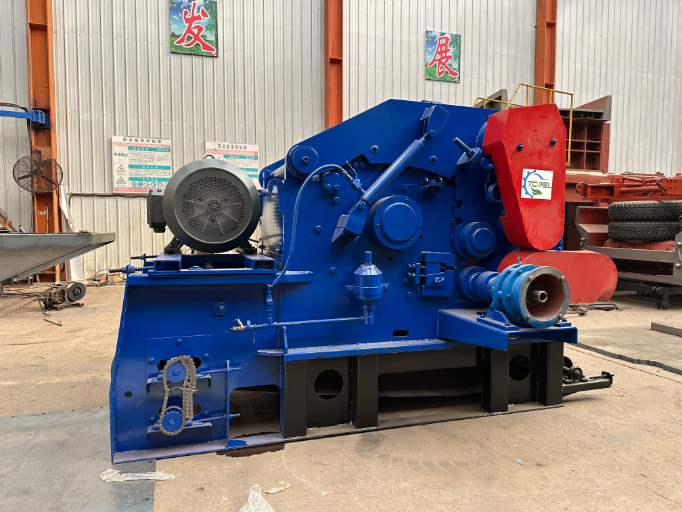
Astillas producidas
30 – 50 mm · P45S
01 / Resumen de especificaciones
Descripción general de la Serie TC de TCPEL
Parámetros verificados
01
Cantidad de modelos
8 TC216 → TC2116
02
Intervalo de capacidad
3 – 60 toneladas/hora
03
Motor principal
55 – 710 kilovatios
04
Diámetro máximo del tronco
230 – 600 milímetros
05
Tamaño de las astillas producidas
30 – 50 mm · P45S · ISO 17225-4
06
Alcance de exportación
60+ países de todo el mundo
Ingeniería de procesos · Astilladora de tambor para madera
Por qué importa el astillado de madera: el cuello de botella del proceso que condiciona la producción de pellets y pulpa
Ya sea que necesite una línea de producción de pellets de biomasa, una planta de pulpa o una planta de tableros de partículas, la materia prima entrante —troncos / árboles jóvenes / corteza / residuos de madera, etc.— llega en tamaños que el molino de martillos / digestor posterior en la línea no puede procesar directamente. Una astilladora de tambor industrial para madera por cabezal al inicio de la línea reduce troncos / árboles jóvenes / ramas / residuos de madera a una astilla uniforme de 30–50 mm, la clase de tamaño prevista por los equipos posteriores del proceso.
Cuando el tamaño de las astillas no se controla estrictamente, los cuellos de botella cambian de lugar a lo largo de la línea.
Tres modos de falla que se propagan por toda la cadena de materia prima.
FIG. 01. / Cuellos de botella del proceso

01
Alimentación del molino de martillos
Las astillas sobredimensionadas forman un puente en la alimentación del molino de martillos.
02
Digestor
Los finos demasiado pequeños obstruyen el digestor.
03
Vida útil de las cuchillas
La geometría irregular de las astillas reduce la vida útil de las cuchillas en toda la cadena de materia prima.
Por lo tanto, la capacidad de procesamiento por hora de su planta de biomasa o productos de papel no es un mero resultado secundario de la selección de equipos, sino que se correlaciona directamente con esta única variable: el tamaño de la astilladora de tambor para madera.
Cobertura de la gama
Nuestra gama de 8 modelos está diseñada para que todas las astillas fluyan por su proceso de manera confiable y uniforme.
Ya sea que su capacidad objetivo sea de solo 3 t/h o alcance 60 t/h, el tamaño máximo de las astillas se mantiene en 30–50 mm.
— Gama —
8
modelos
Gama para producción industrial
— Capacidad —
3–60
t/h
Plantas pequeñas y de alta producción
— Tamaño de las astillas —
30–50
mm por astilla
Se mantiene en los 8 modelos
A continuación encontrará la ficha técnica de la gama de 8 modelos, la guía para decidir qué tipo de astilladora —de tambor o de disco— se adapta mejor a su materia prima a granel, tres referencias de instalaciones reales y las preguntas más frecuentes que recibimos de los compradores antes de la compra.
01 / A continuación
Ficha técnica — Gama de 8 modelos
02 / A continuación
Guía de decisión: astilladora de tambor frente a astilladora de disco para su materia prima a granel
03 / A continuación
Tres referencias de instalaciones reales
04 / A continuación
Preguntas frecuentes antes de la compra — Las consultas más comunes de los compradores
Valide antes de comprar
→ Envíe su muestra de madera para una prueba de astillado
02 / Especificaciones técnicas y matriz
Serie TC de TCPEL — 8 modelos, capacidad de 3 t/h a 60 t/h
¿Busca una recomendación rápida basada en su capacidad de procesamiento por hora objetivo?
Filtrar por capacidad
Todos los modelos 8
3 – 10 t/h 3
12 – 30 t/h 3
30 – 60 t/h 2
Mostrando 8 de 8 modelos
| Modelo | Motor principal (kW) | Tamaño de alimentación (mm) | Diám. máx. del tronco (mm) | Diám. del rotor (mm) | Velocidad de las cuchillas (rpm) | Cuchillas volantes | Capacidad (t/h) |
|---|---|---|---|---|---|---|---|
| TC216 | 55 | 230×540 | 230 | 600 | 550 | 2 | 3 – 5 |
| TC217 | 75 | 230×700 | 230 | 600 | 590 | 2 | 5 – 7 |
| TC218 | 110 | 350×700 | 300 | 800 | 540 | 2 | 6 – 10 |
| TC2110 | 160 / 185 | 450×1000 | 400 | 1000 | 530 | 2×3 | 12 – 15 |
| TC2113 | 200 / 220 | 450×700 | 400 | 1300 | 420 | 3 | 16 – 20 |
| TC2113D | 250 | 450×1000 | 450 | 1300 | 420 | 2×3 | 20 – 30 |
| TC4113 | 315 / 450 | 450×1300 | 450 | 1300 | 355 | 2×3 | 35 – 50 |
| TC2116 | 400 / 600 / 710 | 750×1200 | 600 | 1600 | 350 | 4×3 | 30 – 60 |
Nota de ingeniería
Los ocho modelos de esta gama se dimensionan de modo que cada parámetro —tamaño del motor principal, diámetro del tronco o diámetro del rotor— aumente en proporción con los demás para adaptarse a su aplicación. Por ejemplo, el tambor de 600 mm (24″), 55 kW del TC216 funciona con una velocidad periférica más baja de 550 rpm, y el tambor de 1600 mm (64″), 710 kW del TC2116 funciona con una velocidad periférica más baja de 350 rpm, porque, para los clientes del sector de la biomasa, la calidad de las astillas (uniformidad, forma y calidad de los bordes) y la vida útil de las cuchillas mejoran con una velocidad periférica menor al aumentar el diámetro del tambor. El tamaño de las astillas producidas se mantiene sin cambios en 30–50 mm.
03 / Matriz de recomendaciones
Mapa de capacidad de madera a astillas de TCPEL
Todos los valores proceden de la ficha técnica de la Serie TC de TCPEL.
TC216
3 – 5t/h
Tipo de plantaLínea piloto de pellets, I+D, instalación compacta
TC217
5 – 7t/h
Tipo de plantaComercial pequeña
TC218
6 – 10t/h
Tipo de plantaComercial mediana
TC2110
12 – 15t/h
Tipo de plantaPlanta industrial de pellets
TC2113
16 – 20t/h
Tipo de plantaPlanta industrial de pellets / pulpa
TC2113D
20 – 30t/h
Tipo de plantaPlanta grande de pulpa / tableros de partículas
TC4113
35 – 50t/h
Tipo de plantaGran planta industrial
TC2116
30 – 60t/h
Tipo de plantaPlantas para árboles completos, 60+ t/h
Seleccione el diámetro del tronco y el motor principal para su empresa según su capacidad de procesamiento por hora objetivo exacta.
Equipo de ingeniería de TCPEL
Mantenemos intencionalmente la especificación del tamaño de las astillas en 30–50 mm en toda nuestra gama de 8 modelos. Al aumentar la capacidad de procesamiento desde una línea piloto de 5 t/h hasta una planta industrial de 30 t/h, la geometría del resto de la cadena del proceso —molino de martillos, entrada del secador y matriz de peletizado— permanece sin cambios. Solo cambia la cifra de capacidad.
Equipo de ingeniería de TCPEL · Diseño de equipos
Ficha de especificaciones · Descarga en PDF
Los 8 modelos en un solo documento técnico de referencia.
- Matriz completa de kW · rpm · Ø del rotor
- Correspondencia recomendada por tipo de planta
- Tamaño de las astillas producidas verificado según ISO 17225-4
Selección de equipos · Tambor frente a disco
Astilladora de tambor frente a astilladora de disco — Por qué gana el tambor con árboles completos y grandes volúmenes
La respuesta correcta a la pregunta de tambor frente a disco para materiales de biomasa casi siempre es: tambor. Las astilladoras de disco hacen girar un volante de acero con cuchillas alrededor del borde, mientras que las astilladoras de tambor giran horizontalmente con cuchillas dispuestas a lo largo del cilindro. Las diferencias de construcción determinan los tipos de materia prima que cada diseño puede procesar sin problemas.
Su construcción determina lo que pueden procesar
La geometría del rotor, no la potencia, determina si su astilladora mantiene las astillas dentro de un intervalo óptimo y estrecho de longitud cuando aumentan la materia prima y la capacidad de procesamiento.
Astilladora de tambor
Recomendada

Gira horizontalmente con cuchillas dispuestas a lo largo del cilindro. La geometría uniforme a lo largo del rotor produce astillas uniformes de 30–50 mm en toda la Serie TC, incluso a 60 t/h.
Astilladora de disco
Aplicación limitada
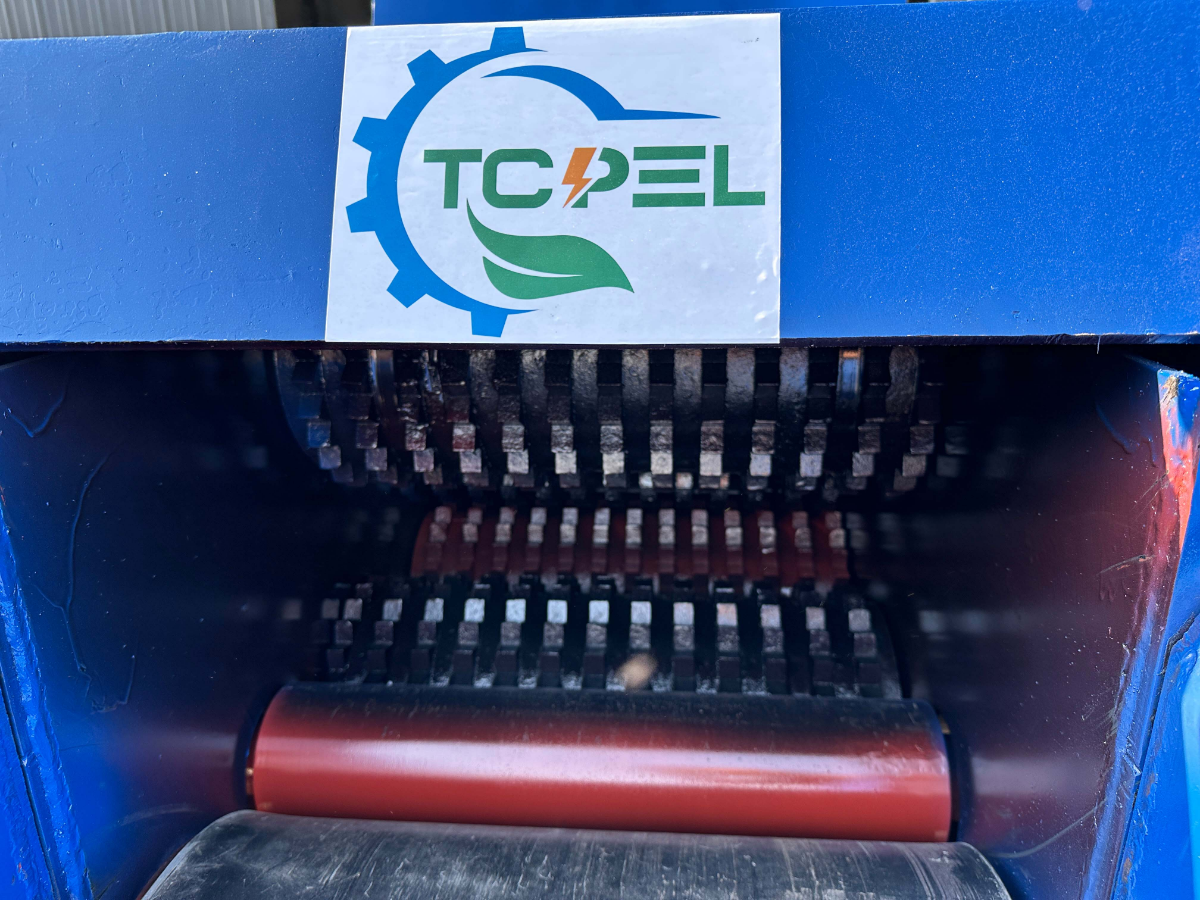
Hace girar un volante de acero con cuchillas alrededor del borde. La separación entre la cuchilla y el yunque varía cuando la cara del disco gira con respecto a la alimentación, lo que genera una distribución más amplia de la longitud de las astillas con altas tasas de alimentación.
Variación del tamaño de las astillas — Dónde causa problemas
La variación del tamaño de las astillas se convierte en un problema cuando, por ejemplo, un molino de martillos posterior en la línea, especificado para una entrada de 30-50 mm, se atasca con fragmentos de 70 mm. Las astilladoras de disco, especialmente con altas tasas de alimentación, producen una distribución más amplia de la longitud de las astillas debido a la variación en la separación entre la cuchilla y el yunque cuando la cara del disco gira con respecto a la alimentación. Las astilladoras de tambor, gracias a la geometría uniforme a lo largo del rotor, pueden producir astillas uniformes de 30-50 mm en toda la Serie TC, incluso a 60 t/h.
La matriz de decisión — Siete factores que diferencian ambos diseños
Tambor (TCPEL TC)
Disco (promedio del sector)
Factor de decisión
— RECOMENDADA —
Astilladora de tambor (TCPEL TC)
— REFERENCIA —
Astilladora de disco (promedio del sector)
Diámetro máximo de tronco procesado
230 – 600 mm en 8 modelos
Normalmente 200 – 500 mm
Uniformidad de la longitud de las astillas
Intervalo óptimo de 30 – 50 mm mantenido en todos los niveles de capacidad
Distribución más amplia con altas tasas de alimentación
Capacidad máxima de procesamiento
Hasta 60 t/h (TC2116)
Generalmente menor con alimentación de árboles completos
Alimentación de árboles completos / con abundantes ramas
Diseñada para ello (gran abertura de alimentación, alimentación por gravedad)
La vida útil de las cuchillas se reduce con una alimentación irregular
Ciclo de reemplazo de las cuchillas
2 cuchillas volantes por tambor en TC216–TC218; hasta 4×3 en TC2116
Cuchillas en la cara del disco, lote más pequeño por cambio
Aplicación ideal
Línea de producción de pellets, planta de pulpa, tableros de partículas y astillado de árboles completos
Ramas más pequeñas, maleza y paisajismo
Intervalo de mantenimiento
Rotación de las cuchillas cada 200–400 horas de funcionamiento, según el tipo de residuos de madera y la limpieza de la materia prima
Mantenimiento más frecuente de las cuchillas de la cara del disco al procesar madera dura
En particular, para la producción de pellets de biomasa, la geometría del tambor combinada con una velocidad constante del rotor (350–590 rpm en toda la Serie TC) permite obtener material conforme a ISO 17225-4 en forma de astillas uniformes de clase P45S — la especificación de materia prima para su prensa peletizadora.
Clase de conformidad
ISO 17225-4
P45S
P45S
Especificación de materia prima para la prensa peletizadora
¿Compara una astilladora de tambor con una de disco para una materia prima específica?
→ Consulte por WhatsApp a nuestro ingeniero de aplicaciones para recibir una recomendación comparativa
04 / Escenarios de aplicación
Tres escenarios de aplicación — Línea de producción de pellets, planta de pulpa y tableros de partículas
Los tres tipos principales de plantas a los que se envía la astilladora Serie TC tienen distintas limitaciones —variación del tamaño de las astillas, tolerancia a la humedad y capacidad de procesamiento—, por lo que también varían los criterios de selección del modelo.
01
Línea de producción de pellets de biomasa
02
Planta de pulpa y papel
03
Tableros de partículas / MDF
01
Escenario 01 · Línea de producción de pellets
Línea de producción de pellets de biomasa
La astilladora encabeza una línea de producción de pellets de 6 etapas: astilladora, molino de martillos, secador rotativo, peletizadora, enfriador de pellets y ensacadora. Al diseñar toda la cadena, TCPEL garantiza que la especificación de producción de su astilladora coincida con la especificación de entrada del molino de martillos posterior en la línea, por lo que no existe riesgo de retrasos en la integración.
Para una planta de pellets típica de 3–5 t/h, la astilladora preferida es la TC216 o la TC217. Las plantas industriales de pulpa de 12–30 t/h utilizan desde la TC2110 hasta la TC2113 y la TC2113D, con una peletizadora de biomasa compatible suministrada por TCPEL para una etapa posterior de la línea.
Cadena de proceso de 6 etapas
01
Astilladora de madera
02
Molino de martillos
03
Secador rotativo
04
Peletizadora
05
Enfriador de pellets
06
Ensacadora
Modelos recomendados
3 – 5 t/h
TC216
TC217
12 – 30 t/h
TC2110
TC2113
TC2113D
02
Escenario 02 · Planta de pulpa
Planta de pulpa y papel
Las plantas de pulpa requieren astillas uniformes. Las astillas fuera de especificación reducen el rendimiento y la selectividad del digestor. El intervalo óptimo de astillas de 30–50 mm de la Serie TC coincide con la clase de tamaño P45S de ISO 17225-4 utilizada por la mayoría de las plantas de pulpa kraft y quimiotermomecánica.
Para grandes volúmenes, la TC4113 (35–50 t/h) y la TC2116 (30–60 t/h) procesan los volúmenes de alimentación de troncos completos necesarios para igualar la capacidad de los digestores industriales y mantener la especificación adecuada de las astillas.
Intervalo óptimo de especificación del tamaño de las astillas
0 mm
P45S · ISO 17225-4
100 mm
30 – 50 mm
0102030405060708090100
Dentro de especificación
Cumple las normas de pulpa kraft y quimiotermomecánica
Modelos recomendados · Gran volumen
35 – 50 t/h
TC4113
30 – 60 t/h
TC2116
03
Escenario 03 · Tableros de partículas
Tableros de partículas / MDF
Las plantas de tableros de partículas prefieren un intervalo de longitud de astillas ligeramente más amplio que las plantas de pulpa y aprovechan las ventajas de una mayor capacidad de procesamiento a costa de una reducción de kW/tonelada. La opción habitual para equipos de menor capacidad es la TC2113D y, para equipos de mayor capacidad, la TC4113, con niveles de capacidad ajustados a la prensa de tableros posterior en la línea.
Además de materias primas de madera, la cortina de humo de la Serie TC acepta tallos de algodón, bambú y fuentes de fibra no maderera. Esto continúa ampliando la base de materias primas disponibles para el fabricante de tableros de partículas en mercados donde no hay troncos. Las ventajas frente a una astilladora genérica de madera de disco o de tambor que procese alimentación mixta son más evidentes en este escenario.
Capacidad para múltiples materias primas
Materia prima de madera
Tallos de algodón
Tallos de bambú
Fibra no maderera
Apta para alimentación mixta
Modelos recomendados
Menor capacidad
TC2113D
Mayor capacidad
TC4113
Presencia operativa mundial
↑ Consulte el mapa de capacidad anterior
↓ Consulte las preguntas frecuentes a continuación
La consulta operativa más frecuente que hemos recibido a través de nuestros sitios web específicos de ventas en los 60+ países a los que hemos realizado envíos —incluidos los mercados indicados a continuación— es qué modelo se adapta a un objetivo por hora. Nuestro mapa de capacidad lo muestra en relación con el diámetro del tronco y la potencia del motor, mientras que las preguntas frecuentes que aparecen a continuación lo explican de forma sencilla.
Envíos realizados a
Alemania
Finlandia
Rusia
Nueva Zelanda
Corea del Sur
Pakistán
India
Bangladés
Vietnam
Malasia
Turquía
+ 49 mercados más
Herramientas avanzadas de ingeniería para astilladoras de tambor para madera
Verificador de compatibilidad del tamaño de astillas de tambor
https://tcpel.net/drum-chipper/drum-wood-chipper/drum-chip-size-compatibility-checker/
Calculadora de capacidad de procesamiento de madera a astillas
https://tcpel.net/drum-chipper/drum-wood-chipper/wood-to-chip-throughput-calculator/
Herramienta para decidir entre astilladora de tambor y de disco
https://tcpel.net/drum-chipper/drum-wood-chipper/drum-vs-disc-wood-chipper-decision-tool/
Base de conocimientos · Antes de la compra
Preguntas frecuentes
Un rodillo de alimentación introduce el tronco en la máquina y lo empuja contra el tambor giratorio, que lleva una serie de cuchillas volantes distribuidas a lo largo de este. Al pasar por el extremo curvo del tambor, las cuchillas cortan la madera mientras avanza con un ángulo definido respecto de la contracuchilla inferior fija. Esta acción genera una serie de astillas cuya longitud se controla al final del ciclo mediante un disco de control automático de avance. Luego, las astillas caen sobre una banda o canaleta de descarga hasta salir de la máquina. Cada unidad de la serie TC utiliza una tolva hidráulica de alimentación automática, con una configuración de descarga asistida por gravedad, a diferencia de las unidades similares accionadas por PTO y alimentadas manualmente que se mencionan en la red de distribuidores, diseñadas para instalarse en un tractor y realizar trabajos de paisajismo. El mantenimiento periódico incluye el afilado de las cuchillas volantes y la calibración de la separación de la contracuchilla inferior, entre otras tareas.
La de tambor, en prácticamente todas las aplicaciones de biomasa. La geometría del tambor mantiene uniforme el tamaño de las astillas con altas tasas de alimentación, admite troncos de mayor diámetro y funciona mejor con árboles completos. Las astilladoras de disco son mejores para ramas de menor diámetro y trabajos de paisajismo, aunque en aplicaciones industriales presentan una distribución más amplia de la longitud de las astillas cuando la capacidad de procesamiento es alta. Todos los factores de decisión aparecen en la matriz comparativa anterior.
En la serie TC, la capacidad de procesamiento abarca desde un diámetro máximo de tronco de 230 mm (TC216, TC217) hasta 600 mm (TC2116). Para capacidades intermedias, es decir, 400-450 mm, que representan la mayoría de las materias primas industriales, como las destinadas a pulpa y pellets, la abertura de alimentación va desde 230540 mm en la TC216 hasta 7501200 mm en la Tci616.
SÍ; además, TCPEL ofrece la línea completa. TCPEL suministra un proceso de 6 etapas de un solo proveedor que comprende un molino de martillos TCPEL (de seis cámaras), un secador rotativo, una peletizadora, un enfriador de pellets y una ensacadora. Dado que el tamaño de las astillas está estandarizado en 30-50 mm para las 8 series de astilladoras, la tasa de desgaste y la especificación de entrada del molino de martillos en la etapa posterior son las mismas, independientemente de la capacidad que elija.
La velocidad de las cuchillas (rpm del rotor) varía desde 350 rpm en la TC2116 de mayor tamaño (rotor de 1600 mm) hasta 590 rpm en la TC217 de bastidor pequeño (rotor de 600 mm). Los tambores más grandes giran más lentamente para mantener la velocidad de la punta de las cuchillas y, por consiguiente, la calidad de las astillas dentro del mismo intervalo óptimo de ingeniería. La variable relevante para la calidad de las astillas es la velocidad de impacto, no las rpm actuales.
Entre 30-50 mm en los 8 modelos de la serie TC. Las dimensiones compactas mantienen el intervalo óptimo de las astillas en (60 x 80 mm), similar a la clase de tamaño ISO 17225-4 P45S —la especificación de entrada más popular para prensas peletizadoras industriales y la mayoría de los digestores de pulpa kraft…—; además, el mismo intervalo óptimo de tamaño de astillas para capacidades de 3 t/h a 60 t/h es intencional, de modo que cada elemento posterior en la línea (molino de martillos, secador y matriz de peletizado) permanezca idéntico, independientemente del modelo de astilladora.
¿Todavía tiene alguna pregunta que no aparezca arriba?
→ Consulte a un ingeniero de aplicaciones de TCPEL sobre su materia prima
Trending now