Hubungi TCPEL
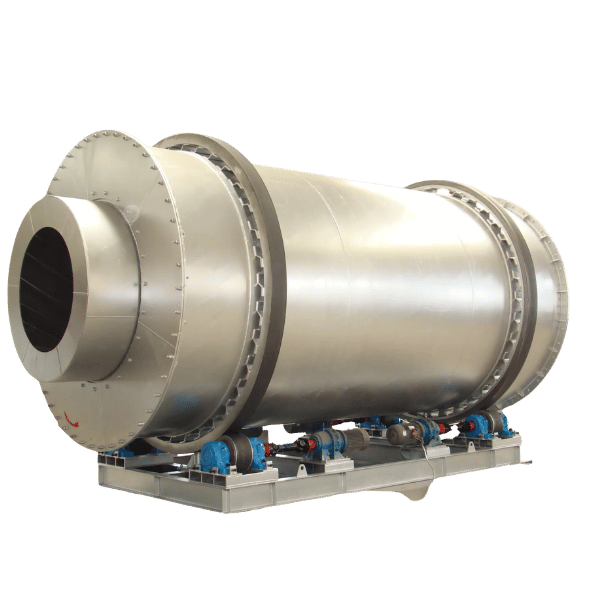
Mesin Rotary Dryer Tiga Lintasan TCPEL — Sistem Pengeringan Biomassa (Kapasitas 1-6 T/H)
Mesin pengering drum rotary industri yang dirancang khusus untuk pabrik pelet. Tersedia dalam enam model yang mampu menurunkan kadar air serbuk gergaji dan serpihan kayu dari 50% menjadi 15% dalam satu lintasan sehingga tidak memerlukan mesin pengering awal terpisah.
Didirikan pada 2020
ISO 9001:2015
Ekspor ke 60+ negara
Pabrik: 20.000 m², Shandong
Bertanda CE (Direktif Mesin 2006/42/EC)
Mengapa Biomassa Basah Mengurangi Laba Pabrik Pelet — dan Cara Mesin Pengering Tiga Lintasan Mengatasinya
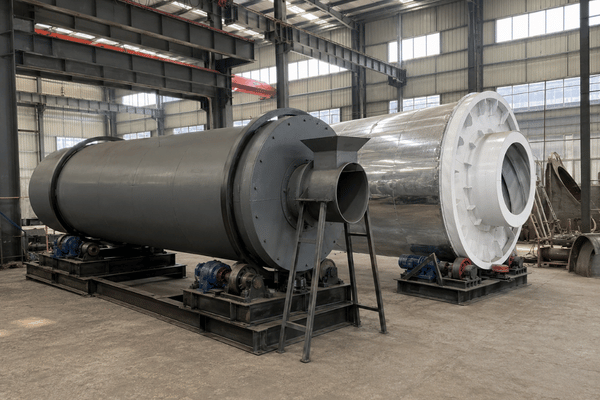
Mesin rotary dryer tiga lintasan menghilangkan kadar air bebas setelah proses pengurangan air. Peralatan kompleks ini terdiri dari tiga drum konsentris yang menerima campuran udara panas dan gas panas dari satu sumber pusat. Mesin rotary dryer terus mengeringkan biomassa saat bahan dimasukkan di ujung pertama dan terus mengeluarkan biomassa kering di ujung kedua untuk peletisasi. Serbuk gergaji dan serpihan kayu dengan kadar air masuk 50% tidak dapat dipadatkan menjadi pelet yang stabil karena cetakan tekan tersumbat, kadar abu meningkat, dan indeks kualitas pelet tidak memenuhi kelas ISO 17225.
Pengeringan merupakan bagian terbesar dari seluruh biaya operasional dalam setiap kegiatan produksi pelet biomassa. Biomassa basah dan energi pengeringan dapat menghabiskan sekitar 10-15% dari total pendapatan pabrik pelet biomassa – biaya variabel tunggal tertinggi selain pembelian serat bahan baku. Jika sistem dipilih hanya berdasarkan harga dan dioperasikan secara tidak efisien, margin EBITDA pabrik pelet biomassa yang menguntungkan sekalipun dapat habis.

Tiga Masalah Utama yang Kami Dengar dari Produsen Pelet
Kadar air tinggi, biaya termal tinggi.
Mengeringkan 1 kg air dari biomassa membutuhkan sekitar 3,2–3,6 MJ energi termal, menurut studi mesin pengering tidak langsung yang telah ditinjau sejawat. Untuk peletisasi dengan kadar air masuk 50 %, diperlukan penguapan ~ 410 kg air per ton bahan basah.
Keterbatasan luas area.
Mesin pengering satu lintasan dengan kapasitas produksi setara membutuhkan luas lantai sekitar 2.8 hingga 3.3 kali lipat dibandingkan mesin tiga lintasan karena mesin tiga lintasan menempatkan tiga silinder di dalam satu selubung. Sebagian besar fasilitas peletisasi dan fabrikasi tidak dapat menyediakan area sebesar itu.
Kadar air akhir tidak konsisten.
Jika kadar air keluar bervariasi lebih dari ±2%, kurva kompresi cetakan tekan bergeser dan densitas pelet keluar dari spesifikasi. Produk ditolak atau mesin tekan dijalankan dengan kecepatan lebih rendah sebagai kompensasi.
Seri TCSG mengatasi ketiga masalah ini dengan drum tiga lintasan koaksial, separator siklon dan sistem penangkap debu terintegrasi, serta kipas yang kapasitasnya disesuaikan dengan beban penguapan setiap model. Hasilnya: penurunan kadar air dari 50% menjadi 15% dalam satu lintasan, dengan kebutuhan area yang sesuai untuk sebagian besar bangunan pabrik pelet yang ada tanpa modifikasi struktur.
Jika Anda mengevaluasi mesin pengering untuk bijih mineral berat, pasir pengecoran dengan ukuran partikel di atas 40 mm, atau pengeringan khusus produk farmasi, mesin pengering satu lintasan atau tidak langsung biasanya lebih sesuai. Lihat Tiga Lintasan vs Satu Lintasan untuk panduan pemilihan yang objektif.
Seri TCPEL TCSG — 6 Model dari 1 T/H hingga 6 T/H
Spesifikasi Mesin Rotary Drum Dryer — TCSG10 hingga TCSG60
Seri TCSG tersedia dalam enam tingkat kapasitas produksi. Semua model menggunakan desain drum mesin pengering tiga lintasan yang sama dalam rentang beban sesuai kapasitas penguapan terukurnya. Pelanggan biasanya menentukan kapasitas mesin pengering berdasarkan mesin tekan pelet di tahap hilir dengan cadangan kapasitas 15-20% untuk menangani lonjakan kadar air bahan baku.
| Model | Kapasitas (T/H) | Penguapan Air (kg/h) | Drum (mm) | Kipas (kW) | Daya Total (kW) |
|---|---|---|---|---|---|
| TCSG10 | 1 | 700 | Φ2000×5840 | 15 | 32 |
| TCSG20 | 2 | 1,400 | Φ2300×7340 | 22 | 42 |
| TCSG30 | 3 | 2,100 | Φ2400×10460 | 45 | 70 |
| TCSG40 | 4 | 2,800 | Φ2800×10460 | 55 | 80 |
| TCSG50 | 5 | 3,500 | Φ2950×12420 | 75 | 109 |
| TCSG60 | 6 | 4,200 | Φ3300×12420 | 90 | 124 |
Setiap konfigurasi TCSG dikirim bersama konveyor ulir pengumpan, tinggi tekan kiln pengumpan, empat set poros bantalan penopang, dua separator siklon, satu silo sistem penangkap debu, bagian belakang kiln pelepasan, katup rotary air-lock, pipa udara, dan kabinet listrik lengkap. Spesifikasi dasar mendukung kadar air masuk 50% dan kadar air keluar 15% pada seluruh jajaran model.
Matriks Keputusan — Menyesuaikan Bahan dengan Model
| Bahan Baku | Ukuran Partikel Umum | Tingkat yang Direkomendasikan | Catatan |
|---|---|---|---|
| Serbuk gergaji kayu | <10 mm | TCSG10–TCSG60 | Bahan ideal; kapasitas penuh |
| Serpihan kayu | 10–25 mm | TCSG20–TCSG60 | Penyaringan awal direkomendasikan |
| Alfalfa / residu pertanian | <30 mm | TCSG10–TCSG50 | Periksa kelas debu |
| Sekam padi, kulit kacang | <15 mm | TCSG20–TCSG60 | Silika tinggi → pantau keausan separator siklon |
| Ampas tebu / serat tebu | 10–40 mm | TCSG30–TCSG60 | Densitas rendah → verifikasi waktu tinggal |
| Partikel > 40 mm | — | Tidak direkomendasikan | Gunakan mesin pengering satu lintasan atau lakukan pencacahan awal hingga <40 mm. |
TCSG10 / TCSG20
Mesin pengering biomassa ringkas untuk fasilitas kecil produksi pelet kayu dan lini percontohan.
- Kapasitas produksi 1–2 T/H
- Daya total 32–42 kW
- Luas lantai: ~8×16 m
- Waktu tunggu: 35–45 hari
TCSG30 / TCSG40
Mesin rotary drum dryer kelas menengah untuk produsen pelet mapan yang perlu meningkatkan kapasitas.
- Kapasitas produksi 3–4 T/H
- Daya total 70–80 kW
- Luas lantai: ~10×20 m
- Waktu tunggu: 45–55 hari
TCSG50 / TCSG60
Mesin pengering tiga lintasan skala industri untuk lini produksi pelet berorientasi ekspor.
- Kapasitas produksi 5–6 T/H
- Daya total 109–124 kW
- Luas lantai: ~10×24 m
- Waktu tunggu: 55–65 hari
Instalasi serta Uji Fungsi dan Pengoperasian Awal di Lokasi
TCPEL mengirim setiap mesin pengering dalam bentuk modul yang telah dirakit sebelumnya: badan drum, rangka penopang, rangkaian separator siklon, sistem penangkap debu, plenum kipas, dan kabinet kontrol. Tim lapangan kami membongkar kemasan, menempatkan fondasi, menyambungkan saluran udara dan kelistrikan, lalu melakukan uji fungsi dan pengoperasian awal TCSG10 hingga TCSG40 dalam 7 hingga 10 hari kerja dan TCSG50/TCSG60 dalam 10 hingga 14 hari kerja. Kami menyediakan 1 teknisi pengawas di lokasi selama uji fungsi dan pengoperasian awal beserta saluran dukungan teknis jarak jauh.
Memerlukan rekomendasi model untuk bahan baku khusus Anda?
Kirim spesifikasi bahan dan target kapasitas produksi Anda →Mesin Rotary Dryer Tiga Lintasan vs Satu Lintasan — Perbandingan Objektif
Pemilihan Mesin Rotary Dryer Industri: Kapan Tiga Lintasan Lebih Unggul, Kapan Satu Lintasan Lebih Unggul
Perdebatan di industri mesin pengering mengenai mesin tiga lintasan dan satu lintasan memang nyata, dan pihak yang paling vokal cenderung mendukung pandangan yang bertolak belakang. FEECO International, operator pendukung sistem satu lintasan yang sering dikutip, menyebut waktu operasi yang lebih pendek, risiko penyumbatan yang lebih besar, dan konsumsi energi kipas yang lebih tinggi sebagai kelemahan mesin tiga lintasan. Masalah tersebut mungkin berlaku pada sebagian aplikasi—dan hanya menjadi hambatan kecil pada aplikasi lainnya.
Jawaban yang sebenarnya berbeda berdasarkan 3 faktor: pertama, ukuran partikel bahan baku Anda, kedua, rentang kadar air yang paling dominan, dan ketiga, luas lantai yang benar-benar tersedia. Berikut adalah perbandingan aspek yang dapat diukur tanpa kata-kata promosi berlebihan.
| Aspek | Tiga Lintasan | Satu Lintasan |
|---|---|---|
| Kebutuhan luas lantai per T/H | ~3–4 m² untuk setiap T/H | ~9–12 m² untuk setiap T/H |
| Panjang drum | 30–35% dari mesin satu lintasan setara | Acuan dasar (100%) |
| Masa pakai (selubung drum) | Umumnya ~8–12 tahun | Umumnya ~15–25 tahun |
| Daya kipas ID (per kg/h air) | Lebih tinggi (pengangkutan pneumatik) | Lebih rendah (dibantu gravitasi) |
| Ukuran partikel maksimum | <40 mm | Hingga 150 mm dengan sirip pengangkat khusus |
| Biaya modal (per T/H) | Lebih rendah (selubung drum tunggal) | Lebih tinggi (selubung berukuran besar + fondasi) |
| Bahan baku ideal | Biomassa ringan dengan kadar air tinggi: serbuk gergaji, serpihan kayu, alfalfa, ampas tebu | Berat, abrasif, dan berpartikel besar: pasir, bijih, terak |
Kapan Sistem Tiga Lintasan Lebih Unggul
Pilih sistem tiga lintasan jika keempat kondisi ini terpenuhi:
- Bahan baku berupa biomassa ringan (serbuk gergaji, serpihan kayu, residu pertanian)
- Ukuran partikel kurang dari 40mm (sebaiknya lebih kecil lagi jika mesin pencacah awal digunakan)
- Kadar air masuk berada di atas target (40-55%) dan kadar air keluar berada di bawah target sebesar 12-18%
- Luas lantai pabrik terbatas (perkotaan, bangunan hasil modifikasi, atau desain modular)
Profil seperti inilah yang ditemukan pada sebagian besar perusahaan produksi pelet kayu & pelet biomassa—karena itu TCPEL mendedikasikan seri TCSG untuk segmen pasar khusus ini.
Kapan Sistem Satu Lintasan Lebih Unggul
Pilih sistem satu lintasan jika salah satu kondisi ini terpenuhi:
- Ukuran partikel bahan baku lebih besar dari 40 mm. Pencacahan awal bahan baku tidak ekonomis dan tersedia di luar lokasi
- Bahannya abrasif (pasir, terak, bijih mineral) sehingga mungkin memerlukan masa pakai drum selama 20+ tahun…
- Luas lantai tidak terbatas, sedangkan biaya modal dikompensasi oleh masa pakai yang panjang
- Tugas pengeringan berlangsung secara berkala, sementara waktu pemulihan setelah penyumbatan sangat penting.
Untuk semua aplikasi tersebut, tetap hubungi kami – meskipun kami tidak dikenal karena mesin pengering satu lintasan, kami memproduksinya dan tidak akan mengabaikan permintaan Anda, kami akan menyampaikan kondisi yang sebenarnya.
Energi & ROI — Biaya Sebenarnya untuk Mengeringkan 1 Ton Biomassa
Pengeringan merupakan biaya variabel yang paling signifikan dalam pabrik pelet biomassa. Di bagian inilah margin laba paling dapat ditingkatkan. Contoh penelitian yang telah ditinjau sejawat melaporkan konsumsi energi termal kelas menengah pada mesin pengering biomassa tidak langsung sebesar 3.2-3.6MJ/kgH2O untuk bahan baku berbasis kayu. Mesin rotary dryer langsung, seperti seri TCSG, beroperasi pada bagian bawah rentang ini jika dioptimalkan dengan benar dan menggunakan panas limbah biomassa sebagai sumber panas.
Kebutuhan Energi Berdasarkan Model (Termal + Listrik)
Berikut adalah rentang energi umum untuk setiap model TCSG saat mengeringkan serbuk gergaji kayu dari kadar air 50% menjadi 15%. Kebutuhan termal menggunakan acuan MDPI sebesar 3,4 MJ per kg air yang diuapkan (rentang tengah). Kebutuhan listrik merupakan jumlah daya motor yang terpasang.
| Model | Penguapan Air (kg/h) | Termal (MJ/h) | Listrik (kW) | Listrik per ton produk kering |
|---|---|---|---|---|
| TCSG10 | 700 | ~2,380 | 32 | ~32 kWh/ton |
| TCSG20 | 1,400 | ~4,760 | 42 | ~21 kWh/ton |
| TCSG30 | 2,100 | ~7,140 | 70 | ~23 kWh/ton |
| TCSG40 | 2,800 | ~9,520 | 80 | ~20 kWh/ton |
| TCSG50 | 3,500 | ~11,900 | 109 | ~22 kWh/ton |
| TCSG60 | 4,200 | ~14,280 | 124 | ~21 kWh/ton |
Model keuangan industri dan operator pabrik pelet telah mengidentifikasi bahwa energi pengeringan umumnya setara dengan 10-15% dari pendapatan pabrik pelet. Pengoperasian mesin pengering yang tepat dengan menyortir bahan terlebih dahulu, mengukur kadar air terlebih dahulu, dan menjalankan laju pengumpanan yang sesuai umumnya akan membuat biaya mesin pengering mendekati angka 10%, sedangkan kapasitas yang terlalu besar atau pengoperasian berkala akan membuatnya mendekati 15%.
Kerangka Periode Pengembalian Investasi — Tiga Faktor Penentunya
Perhitungan periode pengembalian investasi yang akurat perlu mencakup pendapatan khusus pabrik, struktur harga listrik, dan harga jual pelet. Alih-alih memublikasikan satu angka besar untuk masa keseluruhan proyek di setiap pasar, kami menilai sebagian besar pelanggan pabrik pelet kami menggunakan model ini.
Kapasitas produksi.
model yang lebih besar menghasilkan nilai kWh per ton yang lebih rendah (TCSG40 @≈ 20 kWh/ton dibandingkan TCSG10 @≈ 32 kWh/ton). Tambahan biaya modal untuk naik satu tingkat ukuran model umumnya masih layak secara ekonomi dalam 18-30 bulan pengoperasian dengan waktu operasi >6.000 jam per tahun.
Sumber panas.
Pabrik pelet yang memasok panas ke mesin pengering menggunakan panas dari limbah biomassa (partikel halus, kulit kayu, pelet di luar spesifikasi), bukan NG atau batu bara, memangkas biaya efektif energi pengeringan sebesar 60-85 persen dengan selisih biaya bahan bakar yang umum.
Pengendalian variasi kebutuhan.
sensor kadar air pada bahan baku yang dipadukan dengan pengukuran kadar air keluaran sistem loop tertutup dapat mengurangi kerugian akibat pengeringan berlebihan secara signifikan. Pedoman industri menunjukkan bahwa pengurangan pengeringan berlebihan sebesar 2-4 poin persentase menghasilkan penghematan 5-10% pada keseluruhan energi pengeringan.
Di seluruh industri, operator pabrik pelet kayu melaporkan periode pengembalian investasi atas total biaya proyek selama 15-30 bulan, dengan komponen mesin pengering umumnya memiliki periode pengembalian investasi selama 10-20 bulan jika dikonfigurasi dengan benar.
Tiga Konfigurasi Pabrik Pelet (Dianonimkan)
Asia Tenggara
Serbuk Gergaji Kayu
Model:
TCSG40
Bahan baku:
Campuran serbuk gergaji kayu keras,
kadar air masuk 48%
kadar air masuk 48%
Pengoperasian:
16 h/hari, 280 hari/tahun
Hasil: 19.000+ ton produk kering per tahun, memasok pedagang pelet regional.
Asia Selatan
Residu Pertanian
Model:
TCSG30
Bahan baku:
Campuran sekam padi + serbuk gergaji,
kadar air masuk 42%
kadar air masuk 42%
Pengoperasian:
20 h/hari, 320 hari/tahun
Hasil: 18.000+ ton produk kering, memasok lini mesin tekan pelet 2.5 T/H.
Eropa Timur
Ampas Tebu
Model:
TCSG60
Bahan baku:
Ampas tebu,
kadar air masuk 52%
kadar air masuk 52%
Pengoperasian:
22 h/hari, 300 hari/tahun
Hasil: 28.000+ ton produk kering, diekspor ke pasar pelet UE.
Ingin mendapatkan estimasi periode pengembalian investasi untuk pabrik Anda?
Kirim jam operasi dan tarif listrik Anda →Kualitas, Sertifikasi & Jangkauan Global
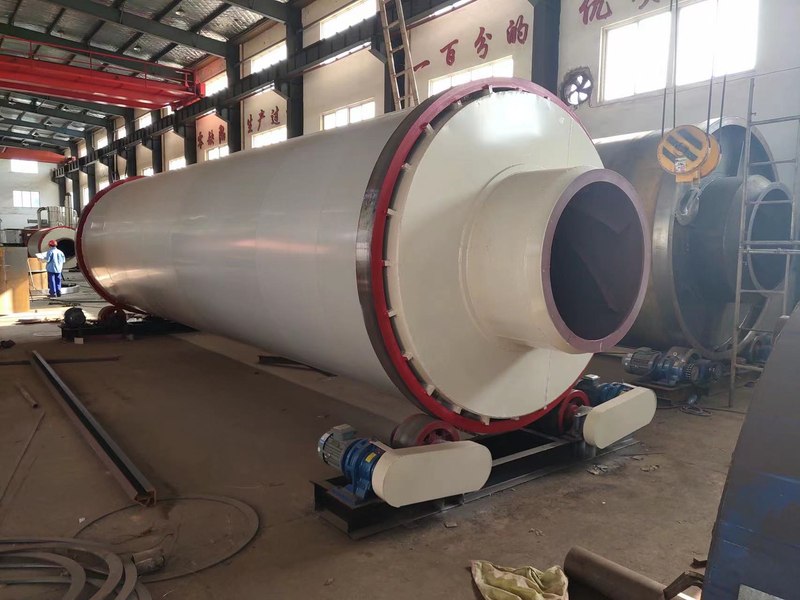
TCPEL adalah produsen mesin pengering industri profesional yang beroperasi dari pabrik seluas 20.000 sq m di Distrik Zhangqiu, Jinan, Provinsi Shandong, Tiongkok. Fasilitas kami mempekerjakan lebih dari 100 pekerja sangat terampil di bengkel, dengan stasiun khusus untuk fabrikasi pengelasan, pemesinan poros dan flensa drum, serta perakitan pneumatik selubung drum berdiameter 3.3m, 7.2m, 12.4m, 20 m. Semua TCSG diuji di bengkel sebelum diangkut.
CE
Direktif Mesin
2006/42/EC
2006/42/EC
ISO 9001
Manajemen Mutu
:2015
:2015
60+
Negara
Tujuan Ekspor
Tujuan Ekspor
100+
Staf
Bengkel
Bengkel
20.000 m²
Luas Lantai
Pabrik
Pabrik
5 tahun+
Beroperasi
sejak 2020
sejak 2020
Sertifikat MD NTS2307069S
Sertifikat MD NTS2307070S
Sertifikat MD NTS2307071S
Sertifikat MD NTS2307072S
Sertifikat MD NTS2307073S
Sertifikat MD NTS2307074S
Lokasi Pengoperasian Mesin Pengering TCSG
Pasar ekspor utama kami meliputi Jerman, Finlandia, Rusia, Selandia Baru, Korea Selatan, India, Bangladesh, Vietnam, Malaysia, Turki, dan lebih dari 50 negara lainnya di seluruh kawasan. Pola pemasangan produk yang umum di pasar adalah pada pabrik pelet biomassa skala menengah yang memasok distributor bahan bakar dan alas ternak regional.
Keselamatan Mesin Pengering — Fitur Bawaan Kami
Kebakaran & ledakan pada mesin pengering biomassa disebabkan oleh terlalu banyak oksigen dan partikel halus. Semua unit TCSG dilengkapi air-lock pengumpanan dan pelepasan tertutup, separator siklon berefisiensi tinggi, serta silo sistem penangkap debu untuk mengurangi debu lepas. Untuk biomassa basah di pasar yang diatur (AS, UE), penambahan sistem pendeteksi dan pemadam percikan merupakan praktik standar; kami bekerja sama dengan penyedia sistem keselamatan pilihan pelanggan selama pengoperasian awal.
Kendali Mutu — Tiga Tahap Wajib Sebelum Pengiriman
Pemeriksaan bahan baku masuk
Kami memiliki proses inspeksi las untuk memastikan baja selubung drum sesuai dengan kelas dan ketebalan yang ditentukan, sedangkan baut dan spindel dilengkapi sertifikat uji pabrik sebagai bagian dari dokumentasi pesanan.
Inspeksi penerimaan
Kami menerapkan inspeksi visual dan uji penetran pewarna dielektrik pada sambungan las kritis. Pada saat yang sama; kelurusan selubung drum diukur dengan laser lalu diukur kembali setelah penghilangan tegangan.
Pengujian sebelum pengiriman
Setelah drum selesai, tim kami memutar drum di bengkel sambil menjalankan kipas, air-lock, dan kontrol listrik. Kami mencatat tingkat getaran sekaligus merekam arus listrik semua motor.
Panduan Pengadaan — Harga, Waktu Tunggu, Pembayaran & Purnajual
Rentang Harga Mesin Rotary Drum Dryer Berdasarkan Kapasitas
TCPEL mengirim langsung dari pabrik sehingga memberikan konsistensi harga di seluruh pasar. Biaya pengiriman akhir bergantung pada model, fitur opsional (tingkat PLC, penentuan kapasitas sistem penangkap debu), pengemasan untuk angkutan laut, dan pelabuhan setempat. Tabel berikut menunjukkan investasi ex-works umum untuk setiap model dalam USD 2026.
| Model | Kapasitas | Perkiraan Rentang Ex-Works (USD) | Kelengkapan Umum |
|---|---|---|---|
| TCSG10 | 1 T/H | $30,000 – $50,000 | Konfigurasi standar |
| TCSG20 | 2 T/H | $45,000 – $70,000 | Standar + kipas yang ditingkatkan |
| TCSG30 | 3 T/H | $65,000 – $95,000 | Standar + separator siklon lebih besar |
| TCSG40 | 4 T/H | $85,000 – $130,000 | Standar + paket perpanjangan masa pakai drum |
| TCSG50 | 5 T/H | $115,000 – $175,000 | Rangkaian sistem penggerak tugas berat |
| TCSG60 | 6 T/H | $150,000 – $220,000 | Tugas berat + kontrol otomatis |
Investasi untuk tiga pilihan model dalam 2026USD.
Waktu Tunggu
- TCSG10 / TCSG20: 35–45 hari sejak pembayaran uang muka hingga ex-works
- TCSG30 / TCSG40: 45–55 hari sejak pembayaran uang muka hingga ex-works
- TCSG50 / TCSG60: 55–65 hari sejak pembayaran uang muka hingga ex-works
Rentang biaya ini ditentukan oleh tiga keputusan: pilihan kipas (standar atau berefisiensi tinggi), tingkat otomatisasi (manual atau PLC dengan HMI), dan penentuan kapasitas sistem penangkap debu berdasarkan persyaratan emisi pelanggan. Silakan kirim spesifikasi bahan baku dan target emisi Anda untuk mendapatkan penawaran harga yang tepat, dengan penawaran mengikat dalam satu hari kerja.
Ketentuan Pembayaran
Biaya pengiriman ke pelabuhan tujuan melalui angkutan laut bervariasi dari 18 hingga 55 hari. Kami dapat bekerja sama dengan perusahaan ekspedisi pembeli atau mengatur sendiri pengiriman dengan ketentuan FOB Qingdao, CIF, atau DAP.
Standar: uang muka 30% T/T saat pemesanan, pelunasan 70% T/T setelah inspeksi prapengiriman berhasil
Untuk pesanan yang melebihi USD 100,000, kami menerima Letter of Credit (LC) yang tidak dapat dibatalkan dan dibayar saat ditunjukkan.
Komitmen Purnajual
Pelanggan berulang (pesanan ketiga dan seterusnya) dapat menegosiasikan ketentuan pembayaran Open Account (OA).
Garansi
Garansi komponen mekanis selama 12-bulan sejak tanggal uji fungsi dan pengoperasian awal. Garansi kabinet listrik selama 24-bulan, tidak termasuk komponen habis pakai.
Suku cadang
Kami menjamin pasokan suku cadang seumur hidup; komponen aus yang umum (bantalan, paket seal, pelat perbaikan sirip pengangkat) dikirim dalam 7-14 hari sejak pesanan dibuat.
Dukungan jarak jauh
Dukungan teknis melalui email dan WhatsApp, dengan waktu respons satu hari kerja.
Layanan di lokasi
Tersedia di seluruh dunia dengan biaya berdasarkan setiap perjalanan; biaya perjalanan dan akomodasi ditanggung pembeli.
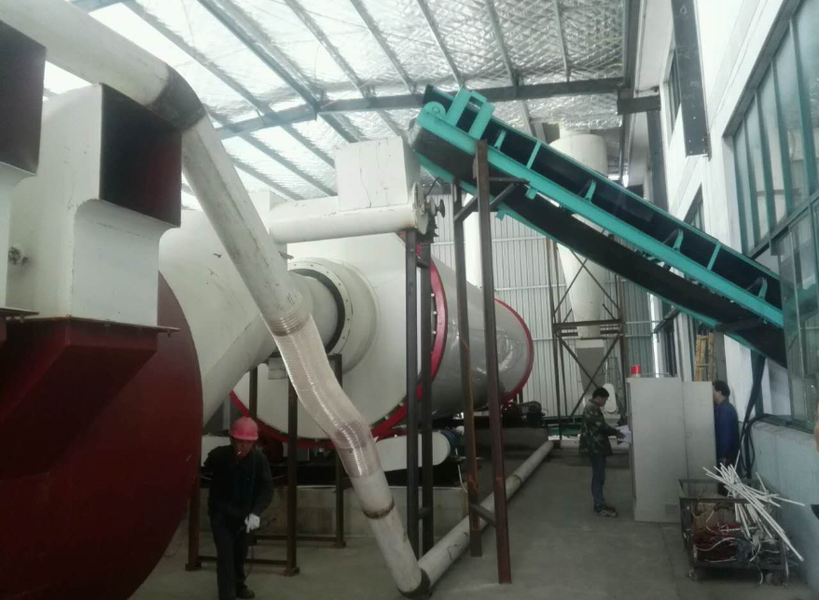
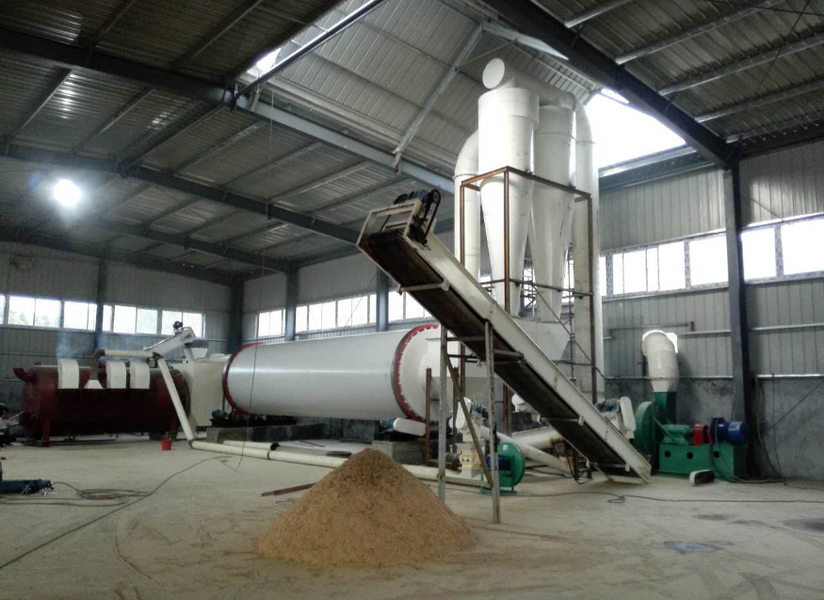
Galeri Fasilitas Produksi & Bengkel TCPEL



×
![Tampilan Diperbesar]()
Peralatan Teknik & Pengambilan Keputusan
Manfaatkan kalkulator khusus dan matriks keputusan kami untuk menentukan konfigurasi mesin rotary dryer yang optimal, memperkirakan biaya energi, dan memastikan ROI maksimum untuk fasilitas biomassa Anda.
Kalkulator Penentuan Kapasitas Pengering Biomassa
Masukkan jenis bahan baku, target kapasitas produksi, serta tingkat kadar air masuk/keluar untuk menghitung kapasitas drum dan beban penguapan yang tepat bagi pabrik Anda.
Buka Kalkulator
Kalkulator Biaya Energi Pengering Biomassa
Proyeksikan konsumsi energi termal dan listrik berdasarkan tarif utilitas setempat. Bandingkan biaya berbagai sumber panas untuk memaksimalkan margin EBITDA.
Perkirakan Biaya
Alat Pemilihan Sistem Satu Lintasan vs Tiga Lintasan
Belum yakin arsitektur mana yang sesuai untuk fasilitas Anda? Evaluasi keterbatasan bahan baku, batas luas lantai, dan sifat abrasif untuk menentukan format mesin pengering yang ideal.
Mulai Evaluasi
Pertanyaan yang Sering Diajukan
Apa itu mesin rotary dryer tiga lintasan?
Jumlah pesanan minimum: satu unit. Tidak ada penumpukan stok awal mesin pengering generik siap pakai – setiap TCSG dikirim dengan konfigurasi yang disesuaikan dengan bahan baku dan profil emisi pembeli.
Bahan apa saja yang dapat dikeringkan, dan pada rentang kadar air berapa?
Mesin rotary dryer tiga lintasan terdiri dari tiga silinder drum konsentris yang tersusun bersarang (silinder kedua berdiameter lebih kecil daripada silinder pertama, sedangkan silinder ketiga berdiameter lebih kecil daripada silinder kedua). Biomassa basah mentah memasuki drum paling dalam; gas panas menghilangkan kadar air dari biomassa pada lintasan pertama, lalu biomassa bergerak ke luar menuju lintasan tengah dan kemudian lintasan luar untuk memastikan kadar air berkurang secara merata hingga mencapai tingkat keluaran yang ditargetkan. Dengan kebutuhan ruang lantai sekitar setengah dari mesin pengering satu drum, mesin ini menghasilkan waktu tinggal yang setara dengan mesin satu lintasan berukuran panjang.
Bagaimana perbandingannya dengan mesin pengering satu lintasan?
Mesin pengering tiga lintasan hemat biaya untuk biomassa ringan dengan ukuran partikel bahan baku di bawah 40 mm. Mesin pengering satu lintasan biasanya menawarkan masa pakai selubung drum yang lebih panjang, toleransi terhadap partikel yang lebih besar, dan konsumsi energi kipas yang lebih rendah pada kapasitas yang setara. Jika bahan baku Anda mengandung pasir, butiran kasar, atau mineral abrasif, maupun memiliki ukuran partikel yang melebihi 40 mm, mesin satu lintasan merupakan pilihan yang tepat.
Berapa harga mesin pengering tiga lintasan TCSG?
Perkiraan investasi ex-works berkisar dari USD30,000 untuk TCSG10 (1T/H) hingga USD220,000 untuk TCSG60 (6T/H). Ketepatan perkiraan bergantung pada pemilihan kipas, tingkat otomatisasi, dan penentuan kapasitas sistem penangkap debu, sedangkan tabel harga lengkap tersedia di atas—kirimkan spesifikasi bahan baku Anda kepada kami dan kami akan memberikan penawaran harga yang mengikat dalam waktu satu hari kerja.
Berapa waktu tunggu pengiriman yang lazim?
Perlu diketahui bahwa proses produksi berlangsung selama 35-65 hari sejak uang muka dibayarkan, bergantung pada ukuran. Pengiriman laut menambah 18-55, bergantung pada pelabuhan tujuan. Untuk pembeli yang membayar uang muka pada awal Q1, kami biasanya mengirimkan ke pelabuhan Asia Tenggara pada akhir Q1 dan ke pelabuhan Eropa/Amerika Utara pada pertengahan Q2.
Bisakah Anda menyesuaikan kapasitas di atas TCSG60 (6 T/H)?
Ya—sejak 2026 kami merancang konfigurasi dua drum untuk proyek di atas 6T/H (dua TCSG60 yang menggunakan sistem pemasukan dan pengeluaran bersama) atau merancang badan drum khusus hingga 380014000mm. Waktu tunggu untuk pembuatan khusus adalah 75-90 hari. Kirimkan kapasitas produksi dan bahan baku yang Anda inginkan kepada kami, lalu kami akan memberikan penawaran harga untuk kedua opsi tersebut.
Berapa konsumsi energi per ton biomassa?
Kebutuhan daya listrik seri TCSG berada dalam kisaran 20-32 kWh/ton produk kering; unit terbesar cenderung berada di batas bawah berkat skala ekonomis. Kebutuhan energi termal sangat konsisten, yaitu sekitar 3.4MJ per kilogram air yang diuapkan; misalnya, untuk mengurangi kadar air 50-15% pada TCSG40 yang kapasitasnya ditentukan untuk serbuk gergaji, kebutuhan termalnya diperkirakan sekitar 9,500MJ/h (lihat tabel energi di atas untuk perincian setiap model).
Sertifikasi apa yang dimiliki TCPEL, dan apakah Anda melakukan pengiriman ke seluruh dunia?
Jika diwajibkan, kami mengirimkan mesin dengan tanda CE (Direktif Mesin 2006/42/EC) dan memiliki sertifikasi sistem manajemen mutu ISO 9001:2015. Kami telah melakukan pengiriman ke 60+ negara, termasuk di Uni Eropa (Jerman, Finlandia), sebagian besar wilayah CIS (Rusia), Asia Selatan (India, Pakistan, Bangladesh), Asia Tenggara (Vietnam, Malaysia), dan Asia-Pasifik (Selandia Baru, Korea Selatan). Setiap standar keselamatan atau impor khusus negara (UL AS, AS Australia, dll.) tersedia berdasarkan permintaan sebagai bagian dari penawaran harga proyek.