Hubungi TCPEL

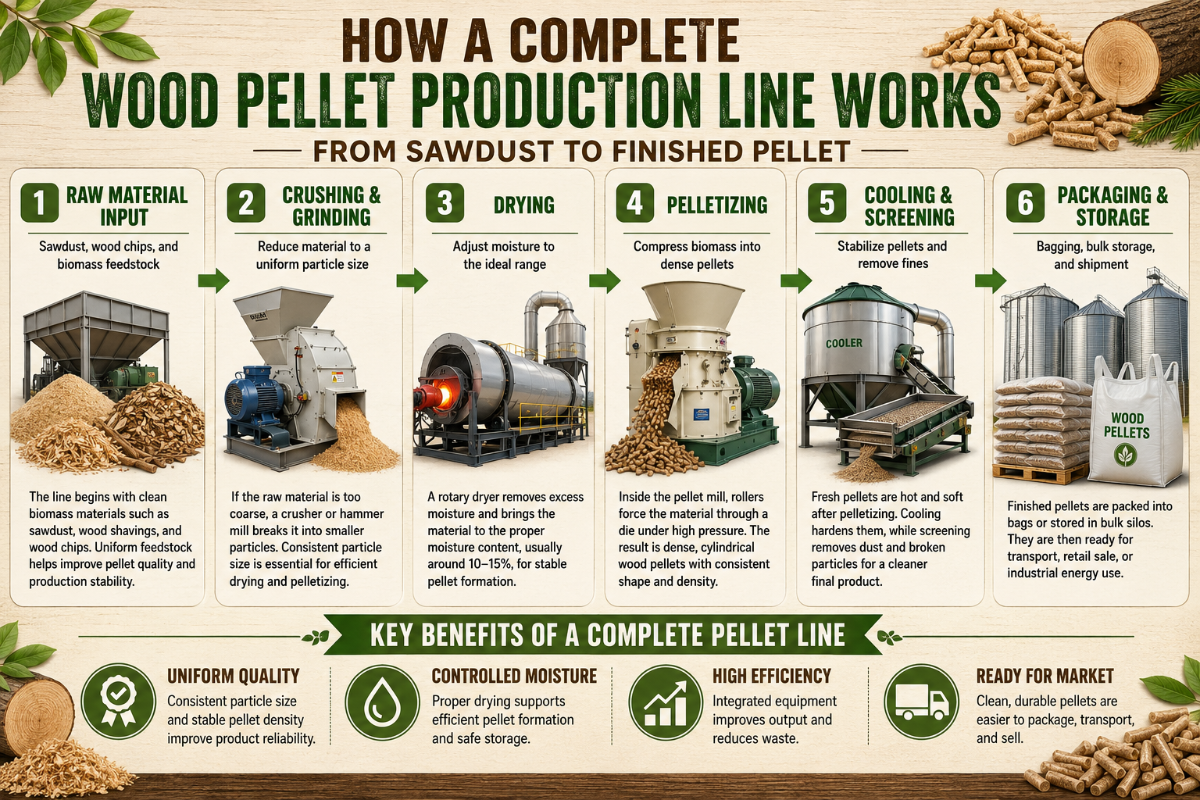
Spesifikasi Ringkas: Lini Produksi Pelet Kayu Umum
| Rentang kapasitas lini | 500 kg/h – 20 t/h (tingkat industri hingga ~90 t/h) |
| Kadar air bahan baku (saat masuk) | hingga ~50% → dikondisikan ke rentang peletisasi |
| Rentang kadar air untuk peletisasi | ~8–15% (rentang optimal kayu 8–12%) |
| Ukuran partikel menuju mesin pelet | ≤ 3 mm |
| Tahap proses utama | 6 (cacah → keringkan → giling → buat pelet → dinginkan → ayak/kemas) |
| Pelet jadi | diameter 6 atau 8 mm, panjang ≤ 38 mm, kadar air akhir ≤ 8–10% |
| Daya mesin pelet | ~15–40 kWh per ton pelet |
Apa Itu Lini Produksi Pelet Kayu?
 Dalam bentuk paling sederhana, lini produksi pelet kayu memampatkan biomassa yang telah digiling melalui cetakan tekan baja dengan panas dan tekanan hingga menyatu menjadi pelet silindris yang padat. Lignin alami dalam kayu melunak akibat panas tersebut dan berfungsi sebagai perekat, sehingga sebagian besar kayu bersih tidak memerlukan bahan pengikat tambahan.
Pelet kayu jadi memiliki nilai kalor bersih sekitar 15–18 MJ/kg—kayu keras seperti oak lebih tinggi (18–20 MJ/kg), sedangkan kayu lunak seperti pinus lebih rendah (16–18 MJ/kg), dengan pinus tercatat mencapai 18,97 MJ/kg dalam sebuah penelitian. Kepadatan energi tersebut membuat pelet biomassa digunakan sebagai bahan bakar pelet untuk pemanas rumah, pembakaran bersama di industri, dan ekspor.
Namun, jenis bahan baku yang dapat dimasukkan ke lini ini tidaklah tak terbatas, dan di sinilah banyak pembeli pemula melakukan kesalahan.
Dalam bentuk paling sederhana, lini produksi pelet kayu memampatkan biomassa yang telah digiling melalui cetakan tekan baja dengan panas dan tekanan hingga menyatu menjadi pelet silindris yang padat. Lignin alami dalam kayu melunak akibat panas tersebut dan berfungsi sebagai perekat, sehingga sebagian besar kayu bersih tidak memerlukan bahan pengikat tambahan.
Pelet kayu jadi memiliki nilai kalor bersih sekitar 15–18 MJ/kg—kayu keras seperti oak lebih tinggi (18–20 MJ/kg), sedangkan kayu lunak seperti pinus lebih rendah (16–18 MJ/kg), dengan pinus tercatat mencapai 18,97 MJ/kg dalam sebuah penelitian. Kepadatan energi tersebut membuat pelet biomassa digunakan sebagai bahan bakar pelet untuk pemanas rumah, pembakaran bersama di industri, dan ekspor.
Namun, jenis bahan baku yang dapat dimasukkan ke lini ini tidaklah tak terbatas, dan di sinilah banyak pembeli pemula melakukan kesalahan.
Skala Kesiapan Bahan Baku 4 Tingkat
| Tingkat | Bahan baku | Mesin tambahan yang diperlukan |
|---|---|---|
| 1 — Siap | Serbuk gergaji kayu kering, serutan kayu | Tidak ada / hanya penggilingan ringan |
| 2 — Giling | Serpihan kayu | Hammer mill |
| 3 — Cacah + keringkan | Kayu gelondongan, ranting basah | Mesin pencacah kayu + mesin pengering + hammer mill |
| 4 — Persiapan berat | Kulit kayu, residu campuran/hutan | Persiapan lengkap; kayu yang diberi perlakuan/dicat tidak disertakan |
| Material bahan baku | Daya ikat (lignin) | Persiapan sebelum peletisasi |
|---|---|---|
| Serbuk gergaji kering | Mengikat sendiri | Minimal |
| Serutan mesin ketam | Mengikat sendiri | Penggilingan ringan |
| Serpihan kayu | Mengikat sendiri | Penggilingan dengan hammer mill |
| Kayu gelondongan / ranting | Mengikat sendiri | Cacah + keringkan + giling |
| Kayu lunak (pinus, spruce) | Mudah merekat | Standar |
| Kayu keras (oak, beech) | Lebih sulit merekat | Kontrol kadar air lebih ketat |
| Kulit kayu | Buruk; kadar abu tinggi | Hanya untuk industri (Kelas B) |
| Switchgrass / miscanthus | Memerlukan bahan pengikat | Memerlukan aditif |
| Jerami | Memerlukan bahan pengikat | Memerlukan aditif |
| Kayu yang diberi perlakuan / dicat | Tidak sesuai | Tidak disertakan (kontaminan) |
Alur Lini Produksi Pelet Kayu 6 Tahap
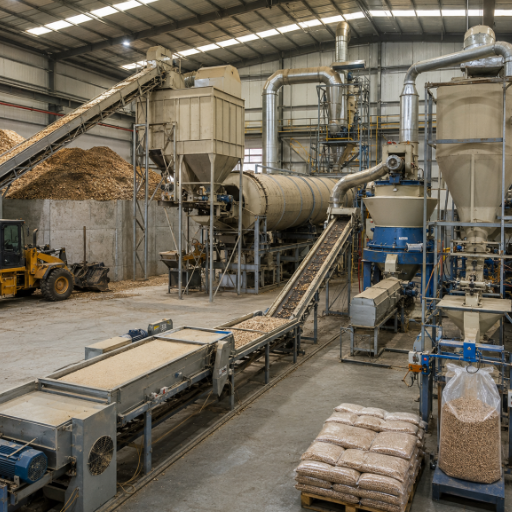 Hampir setiap lini produksi pelet kayu, baik skala kecil maupun industri, menjalankan enam tahap pembuatan pelet yang sama secara berurutan. Tabel ini menjadi kerangka utama seluruh proses.
| Tahap | Proses | Parameter utama |
|---|---|---|
| 1. Pencacahan | Kayu gelondongan/ranting diolah menjadi serpihan kayu | Ukuran serpihan kayu seragam |
| 2. Pengeringan | Kadar air diturunkan untuk peletisasi | Target ~8–15% |
| 3. Penggilingan dengan hammer mill | Serpihan kayu digiling menjadi partikel halus | ≤ 3 mm |
| 4. Peletisasi | Material ditekan melalui cetakan tekan yang dipanaskan | Panas cetakan tekan ~+ gesekan; lignin merekatkan |
| 5. Pendinginan | Pelet panas didinginkan dan dikeraskan | Dari ~150°C hingga suhu sekitar |
| 6. Pengayakan / pengemasan | Partikel halus dipisahkan, pelet dikemas | Partikel halus ≤ 0,5% |
📐 Catatan Teknis — Rentang Kadar Air 8–15%
Pengeringan juga menjadi titik penghubung lini dengan peralatan hulu. Jika Anda mengolah bahan baku basah, lihat rancangan teknis tahap kedua dalam panduan mesin rotary dryer kami.
Kayu paling baik diolah menjadi pelet dalam rentang kadar air yang sempit. Penelitian yang ditinjau sejawat menempatkan rentang optimal kayu di sekitar 8–12% (pinus 6–8%, spruce ~10%), sedangkan batas penanganan serbuk gergaji sering disebut mencapai ~15%.
Di luar rentang tersebut, lini akan gagal dengan pola yang dapat diperkirakan. Jika terlalu basah (di atas ~20%), akan timbul uap, asap pada cetakan tekan, serta pelet lemah dengan banyak partikel halus. Jika terlalu kering (di bawah ~8%), lignin tidak akan melunak sehingga pelet yang dihasilkan rapuh. Sebuah penelitian menunjukkan ketahanan pelet turun dari 99,5% menjadi 97,5% ketika kadar air meningkat mendekati 10% berdasarkan kondisi basah.
Rincian Peralatan — Mesin demi Mesin
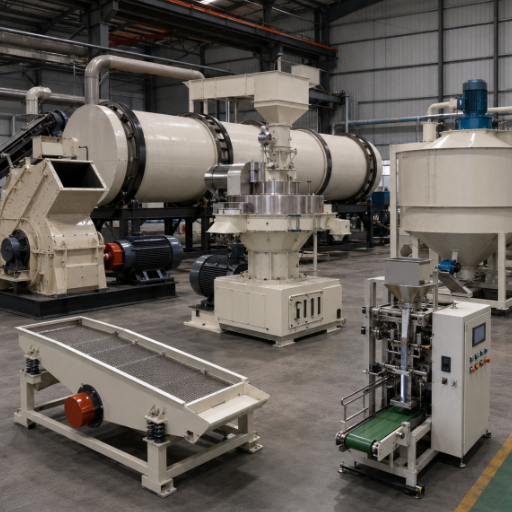 Setiap tahap menggunakan mesin tertentu. Mesin yang diperlukan bergantung pada tingkat bahan baku Anda; mesin opsional hanya ditambahkan jika dibutuhkan oleh bahan baku tersebut.
| Mesin | Fungsi | Diperlukan? |
|---|---|---|
| Mesin pencacah kayu | Kayu gelondongan → serpihan kayu | Hanya Tingkat 3–4 |
| Mesin pengering | Kontrol kadar air hingga ~8–15% | Jika bahan baku terlalu basah |
| Hammer mill | Serpihan kayu → partikel ≤3 mm | Ya |
| Mesin pelet (pellet machine) | Memampatkan material melalui cetakan tekan | Ya (inti) |
| Mesin pendingin pelet | 150°C → suhu sekitar, mengeraskan pelet | Ya |
| Mesin pengayak | Memisahkan partikel halus/debu | Ya |
| Mesin pengemas | Mengemas pelet jadi ke dalam kantong | Ya |
| Konveyor | Memindahkan material antartahap | Ya |
| Separator siklon / sistem penangkap debu | Menangkap debu mudah terbakar (NFPA 664) | Ya |
| Silo | Penyimpanan pelet curah | Disesuaikan dengan kapasitas |
⚠️ Catatan Teknis — Debu adalah Bahaya Tersembunyi pada Lini
Debu kayu dari penggilingan, pendinginan, dan pemindahan dengan konveyor bersifat mudah terbakar. NFPA 664 (standar pencegahan kebakaran dan ledakan dalam pengolahan kayu) dan NFPA 652 mewajibkan Analisis Bahaya Debu secara formal.
Bahaya deflagrasi dinyatakan ada ketika lapisan debu yang menyebar melebihi 3,2 mm (1/8 inci) pada 5% dari suatu area atau 1.000 ft². Sistem penangkap debu dan saluran biasanya memerlukan ventilasi pelepas ledakan atau sistem pemadaman, dan OSHA dapat mengenakan sanksi terhadap mesin pengering, silo, mesin penggiling, serta sistem penangkap debu berdasarkan General Duty Clause. Merancang sistem penangkapan debu dan isolasi kebakaran pada mesin pendingin sejak awal lebih murah daripada memasangnya kemudian.
Flat Die vs Ring Die: Memilih Inti Mesin Pelet
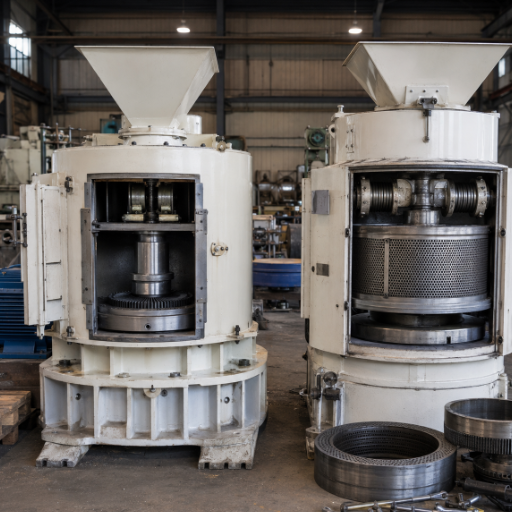 Mesin pelet merupakan jantung lini produksi, dan mesin pelet kayu tersedia dalam dua arsitektur cetakan tekan. Pemilihan cetakan tekan terutama ditentukan oleh target kapasitas produksi berkelanjutan Anda.
✔ Flat Die
Kapasitas produksi ~80–1.000 kg/h. Tekanan lebih rendah, konstruksi lebih sederhana, dan biaya lebih rendah. Paling sesuai untuk pertanian, bengkel, dan produksi satu kelompok. Cetakan tekan lebih mudah diperiksa dan diganti.
⚙ Ring Die
Kapasitas produksi ~0,8 t/h hingga 20 t/h, dengan tingkat pembentukan di atas 95%. Mesin pelet ring die dirancang untuk operasi industri berkelanjutan dengan tekanan tinggi. Biayanya lebih tinggi dan perawatannya lebih menuntut.
Ambang Kapasitas Produksi Flat Die / Ring Die
Apa pun cetakan tekan yang Anda pilih, cetakan tersebut merupakan komponen aus sekaligus faktor biaya yang nyata. Literatur paten menunjukkan besarnya rekayasa yang diterapkan: US Patent 4.111.632 menambahkan alur meruncing untuk mengurangi tegangan puncak dan mengendalikan kerusakan cetakan tekan, sedangkan paten lain menjelaskan sisipan aus yang dapat diganti dan pelat pelindung keausan. Untuk tata letak ring die yang telah dikonfigurasi, lihat konfigurasi lini produksi pelet TCPEL.
Sebagai pedoman praktis: untuk kapasitas di bawah ~1 t/h atau penggunaan satu kelompok dan pertanian, flat die sesuai. Untuk kapasitas produksi berkelanjutan di atas ~1 t/h, pilih ring die. Tinjauan ilmiah yang ditinjau sejawat pada 2026 menempatkan mesin pelet flat die dalam rentang menengah 1–3 t/h dan ring die dalam rentang besar 5–20 t/h.
Gunakan ini sebagai panduan, bukan ketentuan mutlak. Tinjauan laboratorium nasional menyebutkan bahwa mesin pelet komersial umumnya beroperasi pada 2,5–5 t/h dengan konsumsi 15–40 kWh per ton, tetapi para peneliti pernah mengoperasikan mesin ring die berkapasitas 25 kg/h karena pertimbangan proses. Siklus kerja dan bahan baku sama pentingnya dengan kapasitas yang tercantum.
“Kesalahan yang paling sering kami temui adalah membeli mesin flat die untuk kebutuhan yang sebenarnya merupakan operasi industri berkelanjutan. Mesin bekerja selama seminggu, lalu cetakan tekan dan roller cepat aus serta kapasitas produksinya menurun. Sesuaikan cetakan tekan dengan jumlah jam operasi sebenarnya, bukan dengan kapasitas puncak yang Anda harapkan.”
Menentukan Kapasitas Lini: Tingkat Kapasitas & Konfigurasi
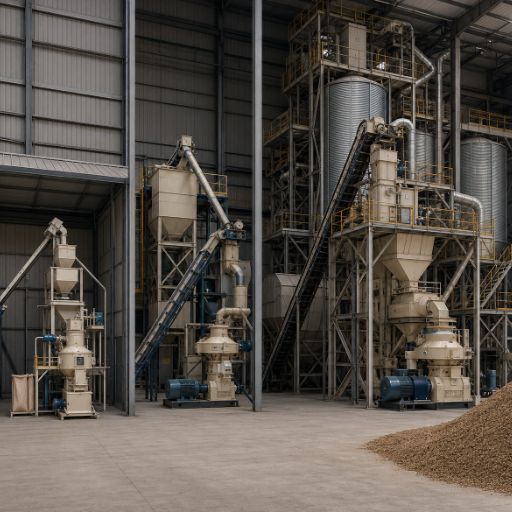 Kapasitas bukan sekadar kapasitas terukur mesin pelet—kapasitas ditentukan oleh tahap paling lambat dalam rangkaian. Mesin yang lebih besar dan dipasang pada mesin pengering serta hammer mill berkapasitas terlalu kecil hanya akan kekurangan pasokan material.
| Tingkat | Kapasitas produksi | Konfigurasi umum |
|---|---|---|
| Kecil / pertanian | ~0,1–0,8 t/h | Flat die, pengumpanan manual, pengeringan satu kelompok |
| Menengah | ~1–3 t/h | Ring die, mesin pengering kontinu, semiotomatis |
| Industri | ~5–20+ t/h | Rangkaian ring die, kendali PLC, pendinginan/pengayakan/pengantongan otomatis, sistem debu + silo |
Bagaimana cara memulai pabrik pelet kayu?
Mulailah dari bahan baku, bukan mesin. Pertama, periksa bahan yang Anda miliki: jenis, kadar air, dan volume per hari. Hal tersebut menentukan tingkat bahan baku Anda dan apakah mesin pencacah kayu serta mesin pengering benar-benar diperlukan. Selanjutnya, tetapkan target kapasitas yang realistis dan tentukan kapasitas setiap tahap agar sesuai dengan target tersebut—termasuk mesin pengering dan hammer mill, bukan hanya mesin pres. Kemudian pastikan ketersediaan daya di lokasi (mesin pelet mengonsumsi sekitar 15–40 kWh per ton, menurut tinjauan densifikasi Idaho National Laboratory) dan luas lantai, pilih jenis cetakan tekan berdasarkan ambang di atas, lalu tetapkan target mutu (kelas ISO 17225-2 yang ingin Anda capai). Setelah itu barulah spesifikasi lini ditentukan.Apa Saja yang Memengaruhi Biaya Lini Produksi Pelet Kayu?
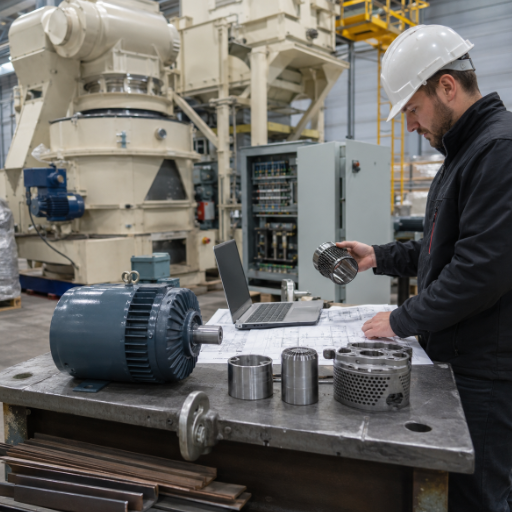 Harga peralatan menarik perhatian, tetapi faktor ekonomi produksinya ditentukan oleh hal lain. Analisis teknoekonomi yang diterbitkan oleh NC State menemukan bahwa profitabilitas pabrik pelet paling sensitif terhadap biaya biomassa dan tenaga kerja—energi dan modal juga berpengaruh, tetapi dalam kasus yang dimodelkan pengaruhnya lebih kecil daripada bahan baku dan tenaga kerja.
Faktor biaya yang benar-benar mengubah anggaran lini meliputi: target kapasitas, tingkat otomatisasi, material cetakan tekan dan masa pakainya, kebutuhan pengeringan bahan baku, daya terpasang, serta banyaknya persiapan bahan baku yang diperlukan. Biaya operasi peletisasi berada pada kisaran 25–40 EUR per ton, bergantung pada ukuran pabrik pelet, listrik, panas proses, tenaga kerja, dan kadar air bahan baku.
Harga peralatan menarik perhatian, tetapi faktor ekonomi produksinya ditentukan oleh hal lain. Analisis teknoekonomi yang diterbitkan oleh NC State menemukan bahwa profitabilitas pabrik pelet paling sensitif terhadap biaya biomassa dan tenaga kerja—energi dan modal juga berpengaruh, tetapi dalam kasus yang dimodelkan pengaruhnya lebih kecil daripada bahan baku dan tenaga kerja.
Faktor biaya yang benar-benar mengubah anggaran lini meliputi: target kapasitas, tingkat otomatisasi, material cetakan tekan dan masa pakainya, kebutuhan pengeringan bahan baku, daya terpasang, serta banyaknya persiapan bahan baku yang diperlukan. Biaya operasi peletisasi berada pada kisaran 25–40 EUR per ton, bergantung pada ukuran pabrik pelet, listrik, panas proses, tenaga kerja, dan kadar air bahan baku.
💡 Jebakan “semakin besar semakin murah”
Peningkatan skala memberikan manfaat yang lebih kecil daripada perkiraan pembeli. Sebuah penelitian rantai pasok memodelkan biaya pelet sebesar 136 EUR/t untuk pabrik pelet berkapasitas 500.000 t/tahun dibandingkan 143 EUR/t untuk pabrik pelet berkapasitas 50.000 t/tahun—selisih yang kecil karena pabrik pelet yang lebih besar menurunkan biaya peletisasi, tetapi meningkatkan biaya pengadaan dan pengangkutan bahan baku. Fasilitas yang lebih besar juga harus mengurus perizinan udara, air, dan sumber kayu yang tidak dihadapi lini yang lebih kecil. Ukuran yang lebih besar tidak otomatis lebih murah.
Mutu Pelet: Cara Menilai Lini yang Baik
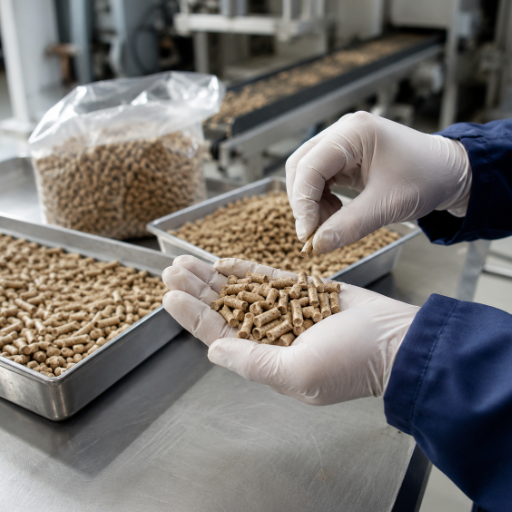 Kualitas lini ditentukan oleh kualitas pelet yang dihasilkannya, dan mutu pelet ditetapkan oleh standar internasional: ISO 17225-2:2021, yang mengelompokkan pelet kayu ke dalam kelas A1, A2, dan B.
| Parameter | A1 (premium) | A2 / B |
|---|---|---|
| Diameter | 6 atau 8 mm | 6 atau 8 mm |
| Kadar air | < 10% | < 10% |
| Kadar abu | < 0.7% | hingga 3% (B, industri) |
| Ketahanan mekanis pelet | > 98% | ≥ 97.5% |
| Partikel halus | rendah (≤ ~0,5% saat pengemasan) | toleransi lebih lebar |
Apa persyaratan kadar air untuk bahan baku?
Bahan baku yang masuk dapat sangat basah—terkadang mendekati 50%—dan harus dikeringkan sebelum peletisasi. Rentang optimal kadar air untuk peletisasi kayu adalah sekitar 8–12%, sedangkan batas penanganan serbuk gergaji dapat mencapai ~15%. Di luar dugaan, bahan baku juga dapat terlalu kering. Serbuk gergaji yang dikeringkan dengan kiln hingga kadar air di bawah 10% sering kali tidak dapat merekat dan perlu ditambahkan air kembali agar dapat dibentuk menjadi pelet dengan baik. Setelah pengepresan, panas cetakan tekan menurunkan kadar air sehingga pelet jadi memenuhi batas ISO M10, yaitu di bawah 10%.Prospek Industri: Arah Perkembangan Produksi Pelet Kayu
Permintaan terus meningkat. Nilai permintaan pelet kayu global mencapai sekitar USD 17,25 miliar pada 2025 dan diperkirakan mencapai sekitar USD 26 miliar pada 2031, dengan CAGR sekitar 7%, sementara Eropa menyumbang sekitar 72% dari permintaan pada 2025. Regulasi sedang mengubah pola penggunaan bahan baku. RED III Uni Eropa, yang berlaku sejak akhir 2024, memperkenalkan prinsip penggunaan berjenjang: pohon utuh yang diambil langsung dari hutan tidak lagi mendapat subsidi, sedangkan residu dan limbah kayu tetap memenuhi syarat untuk produksi pelet, menurut laporan USDA Foreign Agricultural Service. Persyaratan sertifikasi juga semakin ketat—sekitar 82% pelet memiliki sertifikasi ENplus, SBP, atau FSC pada 2025. Pelet tertorefaksi atau pelet “hitam” merupakan teknologi yang paling banyak dibahas karena dapat menggantikan batu bara dalam boiler utilitas dengan sedikit modifikasi. Teknologi ini menjanjikan, tetapi belum menjadi pilihan yang pasti. US Department of Energy dan Idaho National Laboratory menekankan bahwa bahan bakar tertorefaksi harus seragam, tahan terhadap cuaca, dan stabil dalam penyimpanan sebelum dapat diterima secara luas, sementara penelitian USDA Forest Service menyatakan bahwa aspek ekonomi seluruh rantai pasok masih belum pasti. Bagi pembeli pada 2026, langkah yang perlu diambil sudah jelas: rancang fleksibilitas bahan baku ke dalam lini sejak sekarang dan targetkan kelas mutu bersertifikat karena regulasi dan pembeli sama-sama bergerak ke arah tersebut.Pertanyaan yang Sering Diajukan
T: Apa itu lini produksi pelet kayu lengkap?
Lihat Jawaban
Lini produksi pelet kayu lengkap adalah rangkaian mesin terhubung yang mengolah kayu mentah menjadi pelet bahan bakar jadi melalui enam tahap: pencacahan, pengeringan, penggilingan dengan hammer mill, peletisasi, pendinginan, serta pengayakan dan pengemasan. Bergantung pada bahan bakunya, lini ini dilengkapi mesin pencacah kayu dan mesin pengering, kemudian hammer mill, mesin pelet, mesin pendingin pelet, mesin pengayak, mesin pengemas, serta konveyor tambahan, sistem penangkap debu, dan silo. Mesin pelet merupakan inti lini, tetapi kapasitas produksi ditentukan oleh tahap paling lambat.
T: Dapatkah satu lini memproduksi pelet bahan bakar sekaligus pelet pakan?
Lihat Jawaban
Secara prinsip bisa karena mekanisme peletisasinya serupa, tetapi dalam praktiknya hal tersebut jarang ideal. Pelet pakan menggunakan cetakan tekan yang berbeda, suhu pemrosesan lebih rendah, dan standar kebersihan pangan, sedangkan pelet bahan bakar mengutamakan kepadatan dan ketahanan pelet. Banyak produsen menggunakan cetakan tekan atau lini terpisah untuk mencegah kontaminasi silang dan mencapai target mutu masing-masing produk. Jika Anda berencana beralih produk, sampaikan sejak awal agar cetakan tekan dan proses pengondisian bahan dapat dikonfigurasi untuk keduanya.
T: Bahan baku pelet kayu dapat terdiri dari apa saja?
Lihat Jawaban
Kayu bersih merupakan bahan baku yang ideal: serbuk gergaji, serutan mesin ketam, serpihan kayu, kayu gelondongan, dan residu hutan yang bersih. Rumput seperti switchgrass dan miscanthus juga dapat digunakan, tetapi sering memerlukan aditif pengikat karena tidak memiliki cukup lignin alami. Kulit kayu serta kayu yang dicat atau diberi perlakuan kimia umumnya tidak sesuai, sedangkan kayu keras lebih sulit direkatkan tanpa aditif dibandingkan kayu lunak meskipun lebih padat.
T: Bagaimana cara menguji mutu pelet kayu?
Lihat Jawaban
Mutu diukur berdasarkan parameter ISO 17225-2: diameter, panjang, ketahanan mekanis pelet (persentase pelet yang tetap utuh setelah diputar), kadar abu, kadar air, nilai kalor bersih, dan partikel halus. Pelet premium A1 harus mempertahankan ketahanan pelet di atas 98%, kadar abu di bawah 0,7%, dan kadar air di bawah 10%. Pemeriksaan sederhana di fasilitas dapat dilakukan dengan uji putar atau uji jatuh untuk ketahanan pelet, ditambah uji oven untuk kadar air.
T: Mengapa memilih lini produksi pelet berkapasitas kecil?
Lihat Jawaban
Lini flat die berkapasitas kecil cocok untuk penggunaan di lokasi ketika bahan baku tersedia gratis dan sudah kering karena energi pengeringan merupakan biaya utama. Investasi ini menguntungkan bagi pertanian dan bengkel yang menggunakan residunya sendiri.
T: Bagaimana cara meningkatkan kapasitas produksi pabrik pelet?
Lihat Jawaban
Temukan tahap paling lambat dan tingkatkan tahap tersebut terlebih dahulu—biasanya mesin pengering atau hammer mill, bukan mesin pres. Menjaga kadar air dalam rentang 8–15% dan ukuran partikel di bawah 3 mm juga meningkatkan kapasitas produksi sebenarnya.
Perspektif Kami
TCPEL telah memproduksi dan mengirim lini produksi pelet kayu sejak 2020 kepada pelanggan di lebih dari 60 negara, mulai dari konfigurasi pertanian dengan satu mesin hingga pabrik pelet industri bertahap banyak. Pelajaran yang terus kami temukan sama seperti isi panduan ini: kecepatan lini ditentukan oleh tahap terlemahnya, sehingga kami menyesuaikan kapasitas mesin pengering dan hammer mill dengan mesin pelet, bukan sebaliknya.
Referensi & Sumber
- Pembuatan Pelet Bahan Bakar dari Biomassa — Penn State Extension
- EN ISO 17225-2:2021 — Pelet Kayu Berkelas — ISO / CEN
- Persyaratan Pelet Kayu ENplus — European Pellet Council
- Karakterisasi Fisik, Mekanis, dan Energi Pelet Kayu — NCBI PMC
- Analisis Teknoekonomi Produksi Pelet Kayu — NC State BioResources
- Panduan Bahaya Debu Mudah Terbakar — OSHA
- Studi Biaya Pelet Kayu — IEA Bioenergy Task 40
- Laporan Tahunan Pelet Kayu Uni Eropa (RED III) — USDA Foreign Agricultural Service
Artikel Terkait
- Panduan Pembeli Mesin Pencacah Kayu Tipe Drum — menentukan kapasitas tahap pencacahan
- Panduan Mesin Rotary Dryer — mengendalikan kadar air bahan baku
- Mesin Penghancur Kayu vs Shredder — menyiapkan bahan baku berukuran terlalu besar
Sedang merencanakan lini produksi pelet kayu? Dapatkan tata letak yang sesuai dengan bahan baku dan kapasitas Anda.
Lihat Solusi Lini Produksi Pelet TCPEL →