Entre em Contato com a TCPEL

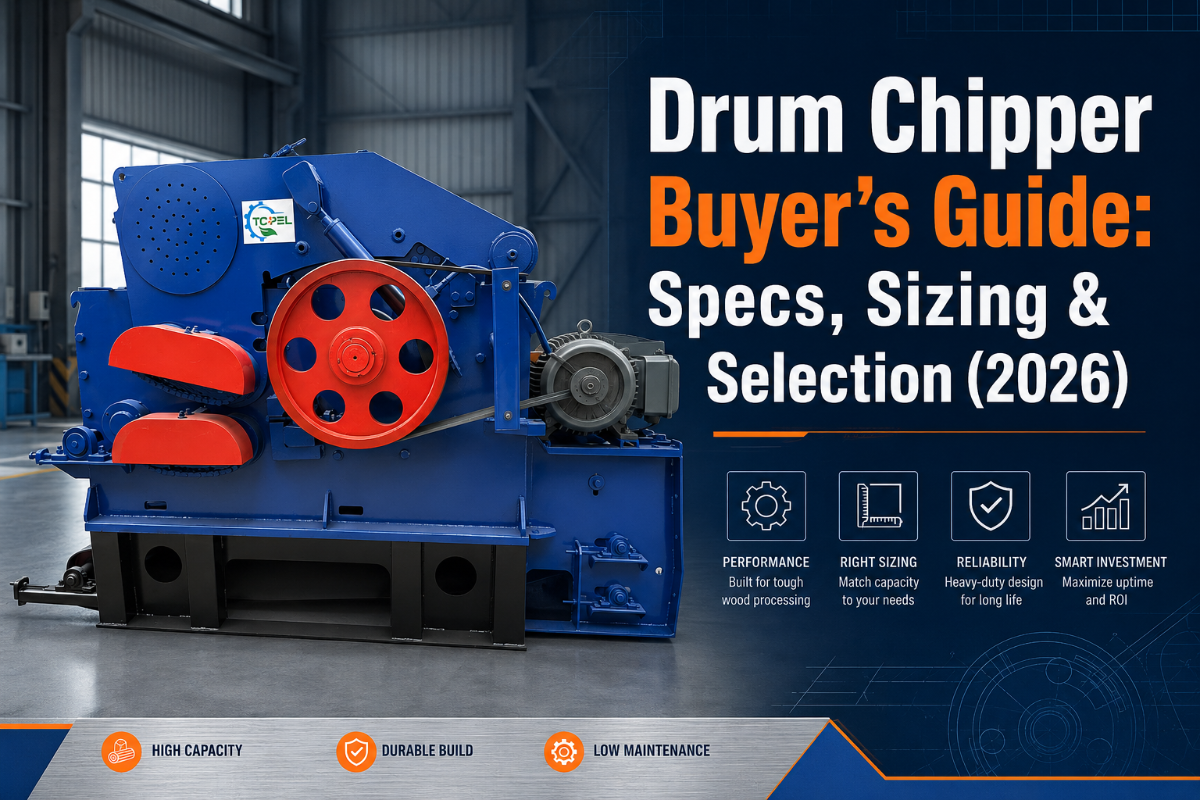
Este guia oferece os critérios para a decisão. Para conhecer a linha atual de modelos da TCPEL, consultar a tabela de capacidades e solicitar uma cotação, acesse a página da série TC de picadores de tambor TCPEL.
Especificações rápidas — visão geral do picador de tambor industrial
| Capacidade típica | 0,8–25 t/h (médio porte); 50–120+ t/h (grande porte para árvores inteiras) — varia conforme o modelo |
| Diâmetro máximo da tora | até ~450 mm (18 in) na maioria das unidades industriais; maior em máquinas para árvores inteiras |
| Potência do motor/acionamento | 67–1.050 HP, conforme a classe do modelo; PTO, diesel ou elétrico |
| Granulometria dos cavacos | 5–25 mm para combustível de biomassa; 20–35 mm para celulose |
| Mais indicado para | Matéria-prima mista, contaminada ou superdimensionada + alta capacidade de processamento |
| Preço estimado | ~$12.000–$25.000 para modelos industriais; até $475.000 para modelos autopropelidos (2026) |
O que é um picador de tambor e quando ele é a máquina certa
 Um picador de tambor reduz a madeira ao alimentar o material contra um tambor giratório pesado, equipado com facas ao redor de sua circunferência. A massa do tambor mantém o impulso ao atravessar nós, bifurcações e cascas sujas que parariam uma máquina mais leve, razão pela qual os equipamentos de tambor predominam no processamento de matérias-primas contaminadas e superdimensionadas.
A contrapartida é a uniformidade dos cavacos: o tambor tende a produzir uma faixa granulométrica mais ampla e mais finos do que uma máquina de disco processando madeira de tronco limpa.
Uma regra de decisão importa mais do que qualquer ficha técnica.
Chame-a de Regra da Aplicação Final dos Cavacos em Primeiro Lugar: defina o que os cavacos precisarão alimentar e, então, retroceda até a máquina. Um picador de tambor dimensionado para cobertura morta tem uma aplicação diferente de outro que alimenta uma linha de produção de pellets ou um digestor de celulose, mesmo quando a tonelagem nominal é idêntica.
Um picador de tambor reduz a madeira ao alimentar o material contra um tambor giratório pesado, equipado com facas ao redor de sua circunferência. A massa do tambor mantém o impulso ao atravessar nós, bifurcações e cascas sujas que parariam uma máquina mais leve, razão pela qual os equipamentos de tambor predominam no processamento de matérias-primas contaminadas e superdimensionadas.
A contrapartida é a uniformidade dos cavacos: o tambor tende a produzir uma faixa granulométrica mais ampla e mais finos do que uma máquina de disco processando madeira de tronco limpa.
Uma regra de decisão importa mais do que qualquer ficha técnica.
Chame-a de Regra da Aplicação Final dos Cavacos em Primeiro Lugar: defina o que os cavacos precisarão alimentar e, então, retroceda até a máquina. Um picador de tambor dimensionado para cobertura morta tem uma aplicação diferente de outro que alimenta uma linha de produção de pellets ou um digestor de celulose, mesmo quando a tonelagem nominal é idêntica.
💡 Regra da Aplicação Final dos Cavacos em Primeiro Lugar
Combustíveis de biomassa e matérias-primas para pellets exigem cavacos classificados (aproximadamente 5-25 mm) e valorizam a consistência; a produção de celulose requer granulometria controlada de 20-35 mm; a cobertura morta tolera uma faixa mais ampla. Os cavacos classificados para combustível são definidos pela EN ISO 17225-4 — edição vigente de 2021 (agora submetida à revisão sistemática de rotina da ISO), que substituiu as antigas classes austríacas NORM G30/G50 ainda citadas por muitos fornecedores.
Há um detalhe que a maioria dos compradores não percebe: essa norma abrange cavacos classificados produzidos com ferramentas afiadas e exclui combustível triturado, portanto, a qualidade dos cavacos é determinada por todo o processo — facas afiadas, peneira correta e categoria da máquina — e não apenas pela peneira.
Picadores de tambor vs. disco vs. outros tipos
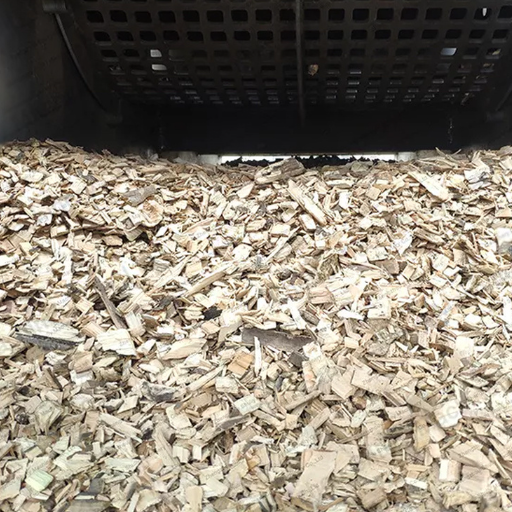 Confundir tambor com disco é, de longe, o erro mais comum entre operadores florestais, que geralmente presumem que a tecnologia de tambor é sempre superior de alguma forma. Não é. A questão não é tão complicada que impeça uma resposta fundamentada em dados.
| Mecanismo | Uniformidade dos cavacos | Tolerância à contaminação | Consumo de combustível (madeira de tronco limpa) | Matéria-prima mais indicada |
|---|---|---|---|---|
| Tambor | Faixa granulométrica mais ampla, mais finos | Alta — processa terra, casca e resíduos mistos | Maior por unidade | Árvores inteiras >18 in, material contaminado e limpeza em grande escala |
| Disco | Uniforme, com controle granulométrico rigoroso | Baixa — enfrenta dificuldades ou lasca as facas ao encontrar partículas abrasivas | ~19% menor por unidade | Madeira de tronco limpa, cavacos para combustível/celulose conforme especificação |
| Martelos/triturador | Irregulares, sem classificação granulométrica | Muito alta | n/a | Descascamento, redução de galhadas e limpeza de terrenos contaminados |
Qual é a diferença entre um picador de tambor e um picador de disco?
O modelo de disco usa um disco giratório com facas que cortam transversalmente às fibras a partir da extremidade dianteira da tora (enquanto ela avança em direção à máquina), produzindo cavacos de madeira muito uniformes e no tamanho desejado dentro de uma câmara de corte relativamente fechada. O modelo de tambor tem facas montadas em um tambor de aço que alcança a face da tora pela parte traseira enquanto ela entra na máquina (uma espécie de projeto que “empurra as fibras”), tendendo a lançar mais finos e de tamanho mais uniforme; ele apresenta maior tolerância a materiais contaminados, superdimensionados e irregulares. Ao comparar madeira de tronco limpa, o projeto de disco mais eficiente consumiu, em média, cerca de 19% menos combustível por tonelada de produto do que uma máquina portátil de tambor com a mesma produtividade, diferença atribuída principalmente à sua geometria mais simples, que combina alimentação e descarga. Portanto, para material limpo e uniforme, o projeto de disco normalmente apresenta melhor desempenho, enquanto o tambor demonstra sua vantagem assim que o material recebido se torna contaminado, irregular ou superdimensionado.O picador de madeira a tambor é melhor?
O tambor é essencialmente superior em condições com contaminação, grandes diâmetros, recuperação de grandes volumes em serviços de manutenção etc.; o disco normalmente oferece maior precisão granulométrica e exige menos energia para produzir cavacos de madeira de tronco limpa e seca. Os operadores de campo concordam amplamente com essa distinção: a diferença aparece em grande escala e diante do desafio de materiais contaminados e/ou superdimensionados. “Qual é melhor?” sempre significa “qual combina melhor com os meus materiais de entrada e as minhas metas de produção?” Não sabe em qual categoria o seu material se enquadra? Avalie-o com a ferramenta de decisão entre tambor e disco.Dimensionamento do picador de tambor: abertura de alimentação, diâmetro do tambor e capacidade
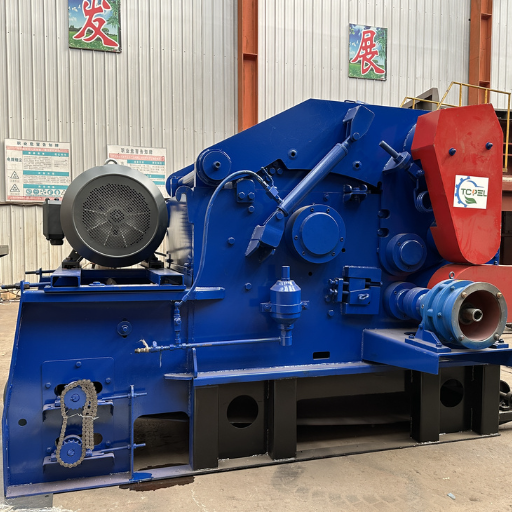 Você começa essa análise com 2 parâmetros: diâmetro máximo da tora e nível de produtividade pretendido. O erro de compra nº 1 é exatamente o oposto do que se poderia imaginar: a potência do motor dessas máquinas varia consideravelmente conforme as expectativas de desempenho, e muitos clientes especificam motores muito maiores do que realmente precisam, mas economizam no tamanho da abertura de alimentação em relação às dimensões previstas das toras.
Não há absolutamente nada que uma abertura de 9 in (230 mm), com um motor de 99 HP, possa fazer para processar com eficiência uma tora de base de 14 in (350 mm), independentemente do que esteja sob o capô.
Você começa essa análise com 2 parâmetros: diâmetro máximo da tora e nível de produtividade pretendido. O erro de compra nº 1 é exatamente o oposto do que se poderia imaginar: a potência do motor dessas máquinas varia consideravelmente conforme as expectativas de desempenho, e muitos clientes especificam motores muito maiores do que realmente precisam, mas economizam no tamanho da abertura de alimentação em relação às dimensões previstas das toras.
Não há absolutamente nada que uma abertura de 9 in (230 mm), com um motor de 99 HP, possa fazer para processar com eficiência uma tora de base de 14 in (350 mm), independentemente do que esteja sob o capô.
| Abertura de alimentação | Diâmetro máximo da tora | Potência típica | Capacidade estimada | Aplicação típica |
|---|---|---|---|---|
| ~6 in / 150 mm | 150 mm | 67–99 HP | 0,8–4 t/h | Pomar, fazenda e pequenas operações comerciais |
| ~8 in / 200 mm | 200 mm | 100–150 HP | 3–6 t/h | Operações comerciais leves e paisagismo |
| ~9 in / 230 mm | 230 mm | 120–200 HP | 5–8 t/h | Manejo de árvores e limpeza de vegetação |
| ~12 in / 300 mm | 300 mm | 200–400 HP | 8–15 t/h | Fábrica de biomassa e serraria de médio porte |
| ~14 in / 350 mm | 350 mm | 300–500 HP | 12–25 t/h | Produção de cavacos para combustível e alimentação para celulose |
| ~16 in / 400 mm | 400 mm | 400–700 HP | 20–40 t/h | Combustível/celulose em grande escala e resíduos de serraria |
| ~18 in / 460 mm | 460 mm | 500–800 HP | 30–60 t/h | Árvores inteiras e limpeza de terrenos |
| ~20 in / 500 mm | 500 mm | 700–1.000 HP | 50–90 t/h | Árvores inteiras de grande porte e processamento florestal |
| 22 in+ / 560 mm+ | 560 mm+ | 1.000–1.050+ HP | 90–120+ t/h | Capacidade máxima para árvores inteiras (classe 50/48X) |
📐 Nota de engenharia
Para ajustar o comprimento dos cavacos, há 3 controles: (a) quanto a faca se projeta além do tambor; (b) o número de facas no tambor; e (c) a velocidade de rotação do tambor, frequentemente denominada RPM, sendo que o aumento das RPM reduz o tamanho dos cavacos quando a quantidade de facas e as dimensões do tambor permanecem fixas. A peneira de descarga na parte traseira do equipamento pode tornar a classe granulométrica dos cavacos mais fina — ou mais grosseira — do que na formação inicial.
Para passar de cavacos com média de 30 mm para 15 mm, a melhor estratégia é acrescentar facas ou reduzir a velocidade de alimentação de determinado tambor, em vez de forçar a passagem de mais material. A sobrealimentação aumenta a quantidade de finos e provoca picos de carga na máquina.
Qual é o maior picador de tambor?
No segmento de maior porte estão os grandes picadores de tambor para árvores inteiras, como as unidades de alta capacidade da Terex e o Morbark 50/48X, que operam com tambores da classe de 1 metro, potência acima de 1000 HP e capacidade de produção superior a 120 t/hr. São máquinas sobre esteiras ou reboques, com projeto otimizado para o processamento florestal, e não para a operação típica de uma fábrica fixa que utiliza matéria-prima.
⚠️ A capacidade nominal não é a capacidade em campo.
Uma análise crítica da logística de cominuição constatou que o tempo de interrupção — reposicionamento, espera pela frota de transporte, obstruções e manutenção — pode consumir 25-50% do tempo efetivo no local de trabalho. A habilidade do operador e a organização do serviço frequentemente limitam mais a capacidade de produção real do que a potência. Dimensione para sua verdadeira capacidade de processamento contínua e, depois, confirme-a com um teste usando seu próprio material — você pode estimar a produção esperada com a calculadora de capacidade de processamento de madeira em cavacos e verificar a compatibilidade da classe com o verificador de compatibilidade do tamanho dos cavacos.
Opções de potência e acionamento: PTO, diesel e elétrico
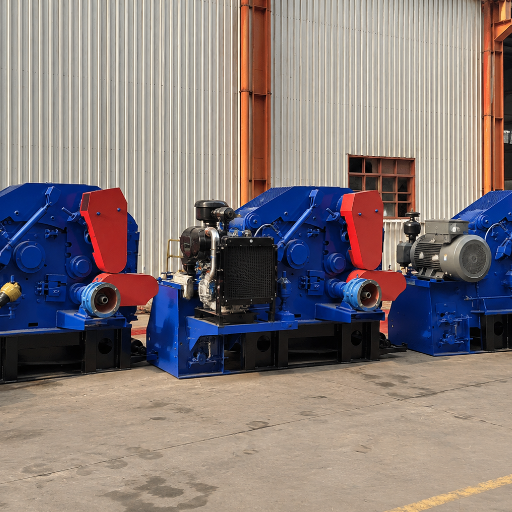 A escolha do acionamento depende do local onde a máquina operará e de como será utilizada. Cada sistema de acionamento atende a um ambiente específico.
| Acionamento | Aplicação adequada | Contrapartida |
|---|---|---|
| PTO (trator) | Fazenda, pomar e uso ocasional | Menor investimento inicial; capacidade de produção limitada pela potência da PTO do trator |
| Diesel (motorização própria) | Operação móvel, florestal e em locais remotos | Potência total em qualquer lugar; custos mais altos com combustível e manutenção |
| Elétrico | Fábrica fixa e linhas de biomassa e pellets | Menores custos operacionais e emissões; requer capacidade da rede elétrica no local |
Panorama de marcas e fornecedores: OEM ocidental vs. compra direta da China
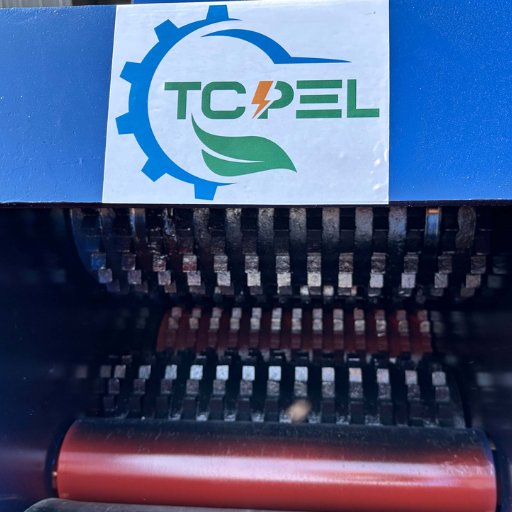 A maioria dos picadores de tambor é fabricada por fornecedores de 3 níveis amplos — definidos menos pelo logotipo da marca do que pela relação entre a rede local de suporte e o custo final da máquina e do transporte.
Resumo dos níveis de fornecedores
A TCPEL fabrica picadores de tambor na China juntamente com os demais equipamentos de uma linha de biomassa — incluindo o moinho de martelos para biomassa e o secador rotativo para cavacos de madeira — e exporta para mais de 60 países a partir de uma fábrica de 20.000 m². Para a compra de uma fábrica fixa, esse é o ponto ideal para você ou você está pagando por uma estrutura cara de suporte em campo que não utilizará?
- OEMs ocidentais premium: marcas consolidadas que atendem aos segmentos de manejo florestal/árvores inteiras e prestadores de serviços móveis. Oferecem a rede mais robusta de revendedores, suporte e peças, pelo preço de compra mais alto; são a opção mais segura para prestadores móveis que deslocam o equipamento pelo local de trabalho.
- Fabricantes intermediários: equipamentos razoavelmente robustos, cobertura de suporte limitada e preços médios.
- OEMs da China: compra direta da fábrica e preços unitários mais baixos — especialmente para linhas fixas de biomassa/pellets, pois os equipamentos permanecerão instalados e o suporte NO LOCAL importa menos do que o custo inicial e a qualidade dos cavacos.
Quanto custa um picador de tambor e o que determina o preço
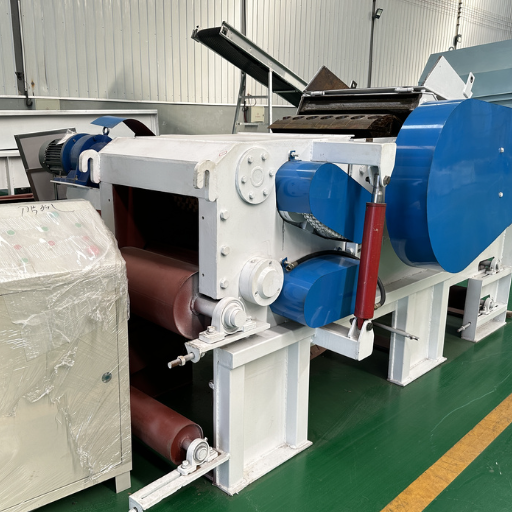 Em 2026, o preço estimado de um picador de tambor industrial de médio porte varia de cerca de $12.000 a $25,000, enquanto modelos móveis para árvores inteiras/autopropelidos custam entre aproximadamente $20.000 e $475.000, conforme as especificações e as opções de motor e acessórios. Os preços unitários aumentaram mais rapidamente do que a inflação geral, à medida que mais funções hidráulicas e recursos inteligentes integrados são incorporados para oferecer maior eficiência e segurança. Os valores citados são faixas que podem não refletir integralmente os preços de mercado mais recentes para determinadas configurações ou opcionais.
Os 4 fatores de custo
Como as facas e o tempo de parada representam a grande maioria dos custos operacionais, a máquina com o menor preço de etiqueta nem sempre é a mais barata de operar. Obtenha um preço configurado para sua matéria-prima e tonelagem específicas na página de especificações do picador de madeira a tambor.
- Capacidade da máquina; tambor maior, abertura de alimentação maior e capacidade de processamento mais alta elevarão rapidamente o preço.
- Escolha do motor/acionamento; unidades autopropelidas para operação em campo (diesel/PTO) custarão cerca de 10 por cento do valor de uma unidade elétrica equivalente, que também envolve custos de instalação elétrica.
- As funções hidráulicas que melhoram o controle do operador e protegem a máquina e a capacidade de processamento — incluindo alimentação automática, reversão e sistemas de monitoramento/controle de carga — definitivamente devem fazer parte da sua matriz de decisão.
- Sistema de facas — o número de facas, a classe do aço e a presença de pontas de metal duro também influenciam o custo inicial e as despesas operacionais de longo prazo.
Facas, peças de desgaste, economia de manutenção — e segurança
 O desgaste da faca é onde o orçamento operacional é “spent,” e onde dois números se confundem. Afiando a frequência (afiado) Quantas horas de ponta de faca antes de tocar na frequência (normalmente cai a cada 6 a 8 horas de lascamento, mais cedo em madeira mais densa e muito mais cedo em materiais mais arenosos.
No entanto, a vida útil total – quantas horas de operação até que uma faca deva ser descartada – varia muito: de um conjunto de facas que trabalha 100 horas ou mais em madeira macia limpa até menos da metade disso; nesses casos, terra e areia são os inimigos – às vezes exigindo retoques a cada poucas horas. Não remova mais que cerca de 0.1 mm de metal de cada vez e preveja cerca de três ciclos de afiação por lado antes que uma faca fique simplesmente fina demais para uso.
Para o grau de aço, o “workhorse” tem sido o aço ferramenta A8-modificado de alto desempenho (aprox. 50-60 HRC).S-7 (55 HRC), com ponta de carboneto, pode ser uma aposta sólida em estoque altamente abrasivo ou para o serviço máximo. Mas a busca por uma liga única e superior é um pouco de uma perseguição de ganso: a pesquisa sugere que a capacidade de manutenção da faca é governada mais por contaminantes de matéria-prima, tratamento térmico, geometria do fio de faca e a combinação de mecanismos de desgaste abrasivo, adesivo e micro-fratura do que apenas o nome de aço. Assim, escolha a liga mais adequada para a madeira e o trabalho.
O desgaste da faca é onde o orçamento operacional é “spent,” e onde dois números se confundem. Afiando a frequência (afiado) Quantas horas de ponta de faca antes de tocar na frequência (normalmente cai a cada 6 a 8 horas de lascamento, mais cedo em madeira mais densa e muito mais cedo em materiais mais arenosos.
No entanto, a vida útil total – quantas horas de operação até que uma faca deva ser descartada – varia muito: de um conjunto de facas que trabalha 100 horas ou mais em madeira macia limpa até menos da metade disso; nesses casos, terra e areia são os inimigos – às vezes exigindo retoques a cada poucas horas. Não remova mais que cerca de 0.1 mm de metal de cada vez e preveja cerca de três ciclos de afiação por lado antes que uma faca fique simplesmente fina demais para uso.
Para o grau de aço, o “workhorse” tem sido o aço ferramenta A8-modificado de alto desempenho (aprox. 50-60 HRC).S-7 (55 HRC), com ponta de carboneto, pode ser uma aposta sólida em estoque altamente abrasivo ou para o serviço máximo. Mas a busca por uma liga única e superior é um pouco de uma perseguição de ganso: a pesquisa sugere que a capacidade de manutenção da faca é governada mais por contaminantes de matéria-prima, tratamento térmico, geometria do fio de faca e a combinação de mecanismos de desgaste abrasivo, adesivo e micro-fratura do que apenas o nome de aço. Assim, escolha a liga mais adequada para a madeira e o trabalho.
“Sujeira ou material estranho é a maior fonte de desgaste prematuro da faca – mesmo areia ou areia mínima pode reduzir os tempos de afiação de vários dias para algumas horas.”
Recursos de segurança que o comprador deve exigir
A segurança na operação de um picador de madeira é muito mais do que uma observação regulatória — trata-se de um grande risco de lesões, como confirmam prontamente as estatísticas de segurança e saúde. Os registros oficiais de acidentes de trabalho revelam um número chocante de ocorrências com picadores de madeira, incluindo muitas mortes (os locais de trabalho dos Estados Unidos registraram pelo menos 31 mortes envolvendo picadores de madeira portáteis entre 1992 e 2002, a maioria nas áreas de alimentação), devido aos graves riscos de amputação e estrangulamento. Verifique se os seguintes controles de segurança estão contemplados na especificação da máquina:- Alimentação e descarga protegidas, conforme definido pela OSHA 29 CFR 1910.266
- Controles de parada rápida e reversão, além de uma barra de controle da alimentação conforme a ANSI Z133-2017
- Procedimentos de bloqueio de segurança do tambor antes da manutenção, conforme a OSHA 1910.147
- Botão de parada de emergência facilmente acessível ao operador e localizado na zona de alcance da alimentação
Estrutura de seleção do picador de tambor
 Em resumo: como selecionar os finalistas e especificar uma máquina sem se deixar seduzir pelos catálogos.
Estrutura de seleção do picador de tambor com 5 critérios
- Características da matéria-prima: (Espécie, diâmetro e grau de limpeza. Considere um picador de disco se a matéria-prima for relativamente uniforme e limpa.)
- Qualidade necessária dos cavacos: (Qual será a aplicação dos cavacos de madeira? combustível/pellets classificados conforme a EN ISO 17225-4 (uniformes, normalmente 5-25 mm) — Celulose/fibra (menos uniformes, geralmente 20-35 mm) — Cobertura morta (grosseiros))
- Necessidade real de tonelagem (por hora); não compre apenas com base no maior número de marketing — estime a verdadeira capacidade de processamento contínua, considerando o tempo de parada decorrente de atrasos e da logística de alimentação.
- Potência de acionamento: (Elétrica, por PTO ou a diesel — determinada pela disponibilidade de energia no local e pelos requisitos de mobilidade)
- Facas e peças de desgaste — a combinação entre a classe do aço e a frequência de afiação determinada pelo grau de limpeza da matéria-prima é decisiva — ela define seu custo operacional.
A habilidade do operador e a organização são 2 fatores externos à máquina: nenhum equipamento de alta especificação consegue operar com o máximo desempenho em um pátio desorganizado; portanto, reserve tempo para esses aspectos e para o manuseio dos materiais.
| Se a sua situação for… | Configuração recomendada |
|---|---|
| Fábrica fixa de biomassa/pellets, madeira limpa a mista | Picador de tambor elétrico, alimentação de ~300 mm, peneiramento conforme a classe de combustível e alimentação automática |
| Limpeza móvel de terrenos, árvores inteiras e matéria-prima suja | Picador de tambor a diesel com motorização própria, alimentação de 450 mm+ e facas com pontas de metal duro |
| Fazenda/pomar, madeira limpa ocasional e orçamento limitado | Picador de tambor por PTO dimensionado conforme a potência do trator, com facas padrão de aço-ferramenta |
| Combustível/celulose conforme especificação, apenas madeira de tronco limpa | Reconsidere um picador de disco para obter uniformidade dos cavacos e economia de combustível |
Perspectivas do setor: para onde avançam os picadores de tambor e a demanda por biomassa
Empresas independentes de pesquisa de mercado estimam que o mercado global de picadores de madeira tenha alcançado cerca de $427 a $453 milhões em 2025–26, com crescimento médio anual estimado de 6 por cento, chegando a aproximadamente $728 milhões até 2034 — os valores variam conforme a metodologia de cada empresa. O setor de picadores de tambor para cavacos de madeira, responsável por mais de 40 por cento das vendas do mercado global e aproximando-se rapidamente do setor muito maior de picadores de disco, vinha sendo impulsionado pela expansão da energia de biomassa, do aquecimento regional e da recuperação de resíduos de madeira. Duas tendências são importantes para quem pretende comprar em 2026. Primeiro, a automação: a alimentação automática está deixando de ser um opcional para se tornar padrão, e os modelos mais recentes oferecem maior força de alimentação e reversão automática de série. Segundo, a padronização da classificação dos cavacos: os Estados Unidos aprovaram uma norma de qualidade para cavacos de madeira usados como combustível de aquecimento, alinhada à EN ISO 17225-4, de modo que os compradores de combustível fazem cada vez mais suas aquisições com base em uma classe definida de cavacos. A conclusão prática: se você estiver especificando um picador de tambor para processamento de biomassa neste ano, inclua a alimentação automática e o peneiramento necessário para produzir cavacos classificados desde já — tanto a demanda quanto as normas estão avançando nessa direção.Perguntas frequentes
Um picador de madeira a tambor é melhor que um picador de disco?
Ver resposta
O picador de tambor “não substituirá um picador de disco, pois …[os picadores de disco] proporcionam maior uniformidade” e consumo de combustível 19 por cento menor por tonelada na queima de cavacos produzidos a partir de troncos.
Porém, os modelos de tambor toleram melhor cascas e materiais abrasivos, produzem grandes volumes e têm melhor desempenho no manuseio e processamento de materiais com tamanhos variados e irregulares do que os picadores de disco.
O que são cavacos produzidos em tambor e para que são utilizados?
Ver resposta
Os cavacos produzidos por um picador de tambor geralmente apresentam dimensões de cerca de 5–25 mm para combustível de biomassa e de 20–35 mm para fornecimento a uma fábrica de papel.
Esses cavacos alimentam caldeiras e plantas industriais que fornecem aquecimento a regiões inteiras, servem como matéria-prima para a produção de pellets de madeira, abastecem fábricas de papel ou são utilizados como cobertura morta grossa em paisagismo. Os Estados Unidos adotaram uma norma para cavacos de madeira destinados a combustível de aquecimento que define a qualidade por classe de produto, assim como ocorre com outras classificações de combustíveis de madeira previstas na EN ISO 17225-4 e nas normas nacionais de classificação de combustíveis de muitos outros países.
Quanto custa um picador de tambor industrial?
Ver resposta
Em 2026, os picadores de tambor industriais de médio porte geralmente custam cerca de $12.000–$25,000, enquanto os grandes modelos comerciais autopropelidos e destinados a árvores inteiras variam de aproximadamente $20.000 a $475,000. O preço aumenta conforme as dimensões do tambor e da entrada de alimentação, o tipo de acionamento, a automação da alimentação e o sistema de facas. Como o desgaste das facas e o tempo de inatividade predominam nos custos operacionais, o menor preço de compra raramente representa o menor custo total de propriedade.
De que tamanho de picador de tambor eu preciso?
Ver resposta
Determine o maior diâmetro dos troncos processados regularmente e faça a especificação adequada — uma entrada de alimentação apropriada para madeira de 6 polegadas é excelente para trabalhos em pomares; uma de 12 polegadas geralmente atende às instalações de produção de combustível, enquanto o processamento de árvores inteiras exige um modelo com capacidade para 18 polegadas ou mais.
Quanto tempo duram as facas de um picador de tambor antes da substituição?
Ver resposta
Retoque o fio aproximadamente a cada 6–8 horas de picagem em condições normais — antes disso ao processar madeira de alta densidade e muito antes quando houver materiais abrasivos. A vida útil total antes da substituição varia mais: madeira macia limpa pode permitir quase 100 horas de operação, enquanto uma matéria-prima suja ou abrasiva reduz esse período drasticamente. Normalmente, uma faca pode ser afiada cerca de três vezes de cada lado antes de ficar fina demais para uso. Manter a matéria-prima limpa é a medida isolada que mais aumenta a vida útil das facas.
Um picador de tambor consegue processar árvores inteiras?
Ver resposta
Sim — os picadores de tambor de grande porte para árvores inteiras aceitam troncos de até 450 mm ou mais, e as maiores unidades ultrapassam 120 t/h. É exatamente nessa capacidade que as máquinas de tambor superam os picadores de disco.
Sobre este guia
A TCPEL produz picadores de tambor e de disco, além de linhas completas de processamento de biomassa, em uma fábrica de 20.000 m2 em Shandong, China, com equipamentos exportados para mais de 60 países. Este guia destina-se a apoiar a tomada de decisão de potenciais compradores; as especificações e os preços publicados aqui foram compilados de fontes técnicas e comerciais públicas e atualizadas de todos os principais fabricantes de máquinas para os próximos anos e, sem dúvida, variarão conforme a máquina, o mercado e a matéria-prima. Sempre que um número depender da sua matéria-prima, sugerimos realizar um teste antes da compra.
Referências e fontes
- 29 CFR 1910.266 — Operações de exploração florestal — Administração de Segurança e Saúde Ocupacional dos Estados Unidos
- Boletim de informações sobre segurança e saúde — Picadores de madeira — Departamento do Trabalho dos Estados Unidos (OSHA)
- EN ISO 17225-4:2021 — Cavacos de madeira classificados — Organização Internacional de Normalização
- Visão geral da revisão ANSI Z133-2017 — Tree Care Industry Association
- Aprovada a norma de qualidade dos Estados Unidos para cavacos de madeira usados como combustível de aquecimento — Biomass Magazine
- Picador de madeira — visão geral do mecanismo — Wikipedia
Artigos relacionados
- Triturador e shredder de madeira — quando a matéria-prima contaminada precisa de pré-redução antes da picagem
- Peletizadora de madeira — transformação de cavacos classificados em pellets
- Moinho de martelos para biomassa — redução granulométrica secundária após a picagem
- Peletizadora de ração — equipamento relacionado para peletização