Hubungi TCPEL
Siap Untuk Ekspor Global
Untuk Pabrik Pelet Biomassa & Pabrik Pakan
Penggiling Bale Industri Seri Mesin Penghancur Cakram TCSC TCPEL
Dirancang untuk operasi yang berusaha mengubah jerami baled padat langsung menjadi bahan baku 2 ¡6 cm yang seragam. Tiga konfigurasi TCSC berskala ke tingkat pabrik pelet kecil dan menengah, menangani hingga 60 tpd.
2͕12 T/H Kapasitas
22 ج90 kW Tiga-Fase
Tidak Ada Pra-Pencacahan
98%Keseragaman Output

ARSITEKTUR SISTEM
Solution Summary · Seri TCSC TCPEL
2 Sampai 12 T/H
Bale Throughput RangeTCSC-60 / TCSC-100 / TCSC-130
22͕90 kW
Tenaga Motor Tiga FasaDrivetrain industri penggerak langsung
2 Sampai 6 cm
Ukuran Partikel SeragamPelletizer & hammer mill siap
60+ Geo
Basis Operator GlobalBiomassa & nutrisi vertikal
Mengapa Bal Terkompresi Membutuhkan Penggiling KhususSemua Peran
Penggiling bale adalah perangkat industri stasioner yang mengubah jerami baled menjadi bahan baku yang mengalir bebas dan didefibrasi untuk pabrik pelet biomassa, pretreatment biofuel, atau operasi pupuk. Jalur TCPEL TCSC menggunakan cakram geser berkekuatan tinggi memiliki serangkaian bilah sudut yang menggeser bahan baku dalam metode defibrasi kelompok terpadu untuk menangani bal bundar berdiameter 5 kaki (1,5 m) serta 3 kaki x 8 kaki persegi/bal seperti persegi, tanpa persyaratan untuk pembuka bale hulu atau mesin pra-penghancur.
Mengatasi Kemacetan Persiapan Biomassa
Saat digunakan untuk menjalankan pabrik pakan atau pabrik pelet, terdapat satu masalah kronis yang terus muncul. Bal jerami padi atau jerami gandum yang baru dibentuk dipres saat masih segar dan memiliki nilai kepadatan sekitar 120-200 kg/m³ akibat tekanan besar dari mesin baler. Sementara itu, mesin pelet organik di hilir yang bergantung pada peralatan untuk mencacah bal secara merata mengharapkan bahan baku yang telah berhasil diurai seratnya hingga berukuran kurang dari 5 mm. Sebagai mesin shredder industri di hulu mesin pelet, penggiling bal mengubah bahan baku curah menjadi format siap lini produksi pelet yang sesuai untuk produksi bahan bakar hayati dan bahan bakar biomassa. Sayangnya, Anda belum memiliki mesin yang dapat langsung memproses material dari bentuk bal hingga ke cetakan tekan pelet. Di sinilah banyak proyek pelet kecil hingga menengah tersendat. Memotong tali dengan tangan, memasukkan jerami lepas yang dikumpulkan dari troli, atau membeli pengolah jerami yang dipasang pada traktor dan sering dirancang untuk alas sapi, terbukti tidak memadai untuk kapasitas produksi berkelanjutan.

Proses Geser Empat Langkah Geser Defibrasi Longitudinal yang meningkat secara longitudinal mengekspos enzim substrat yang mengurangi penghalang lignin
Penggiling bal TCPEL TCSC menjalankan proses tersebut melalui empat tahap: pada bagian pemasukan, penghalang lignin pada bal utuh diuraikan oleh pisau cakram; proses pemisahan serat memotong jerami secara memanjang, bukan sekadar melintang; luas permukaan yang terbuka meningkat sehingga mikroorganisme dapat mencerna bahan secara efisien dalam proses pencernaan anaerob atau proses pemadatan terkait menjadi memungkinkan. Dalam konteks produktivitas produksi bahan bakar hayati dan biogas, strategi pemisahan serat ini dirangkum dalam sebuah makalah IEA Bioenergy. Para peneliti melaporkan bahwa serat dan sel batang yang masih utuh menyediakan permukaan substrat yang jauh lebih kecil bagi enzim mikroba dibandingkan bahan yang telah dipisahkan seratnya, sehingga menghasilkan lebih sedikit biogas per satuan bahan baku. Sebagai tahap pengolahan industri di hulu rantai nilai energi biomassa, penggiling bal mengubah jerami yang keras dan padat menjadi substrat siap olah untuk biorefinery, sebelum digunakan dalam produksi biomassa dan bahan bakar hayati selanjutnya.

TCO & Energi Optimization disc-blade mill hammermill konsumsi energi kegunaan layanan kehidupan
Dibandingkan dengan hammer mill yang diberi jerami sama, disc-blade mill mengonsumsi sekitar 7 to 12 kWh per tonne kapasitas produksi, sedangkan hammermill berukuran serupa umumnya menggunakan 20-25kWh/ton- kira-kira 50-70% lebih banyak energi, dalam operasi berkelanjutan. Seperti yang dijelaskan angka tunggal ini, perbedaan energi menentukan apakah penggiling bal akan menjadi “kemewahan” mahal dalam sistem atau kontributor berbiaya rendah untuk periode pengembalian investasi yang singkat pada operasi pelet 1,000-5,000 tonnes-per-year. Pengadaan yang menjalankan analisis TCO juga mencatat keunggulan masa pakai mesin cakram berdasarkan rata-rata industri- 8-12 tahun masa pakai yang dapat digunakan versus 5-8 tahun untuk sistem hammer-milling- dalam kondisi pemeliharaan yang sama.
Memenuhi Permintaan Proses Seragam Spesifikasi EN ISO 17225 ukuran partikel ketahanan mekanik tahap tengah
Bagi produsen yang memproduksi berdasarkan formula standar EN ISO 17225 ج kelompok keluarga standar yang menetapkan spesifikasi untuk kualitas pelet kayu bertingkat, distribusi ukuran partikel (ISO 17830), dan daya tahan mekanis (ISO 17831-1) ج output 2-6 cm dari TCSC adalah tahap tengah; tidak begitu halus sehingga akan menyumbat pelet atau pabrik hammer dan tidak begitu kasar akan menyebabkan masalah pembungkus serat panjang dengan penghancur poros ganda pada jerami padi. Untuk produsen energi terbarukan dan program bahan baku yang berfokus pada daur ulang, tahap tengah menghasilkan “shredded” bale meal yang cukup seragam untuk pelletizer hilir atau shredder poros ganda untuk dikonsumsi yang menghasilkan keuntungan kecil namun berturut-turut untuk pabrik pelet penuh.

EN + PROC
TCPEL TCSC Series — Tiga Model Untuk 2 Sampai 12 T/h Operasi
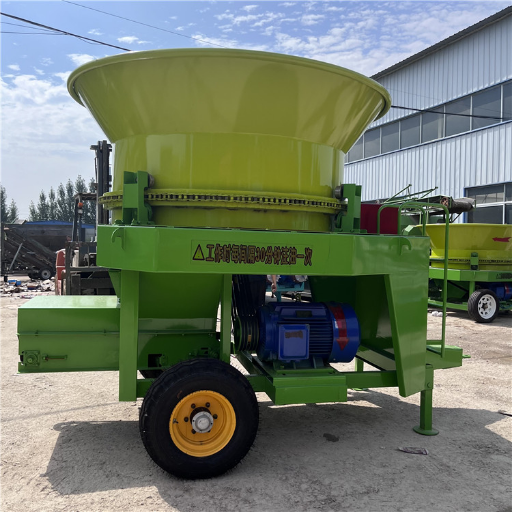
Peralatan penggiling bale TCSC dirancang di sekitar satu elemen penggerak bersama ج sebuah cakram berputar momentum tinggi yang sebanding di sekelilingnya yang dipasang pisau geser pengganti sintetis ج skala atas atau bawah berdasarkan ukuran motor utama. Semua model TCSC dapat terus memproses bal bulat, bal persegi, atau bal longgar yang dibundel dari sistem desain cakram umpan langsung yang sama.
01
TCSC60
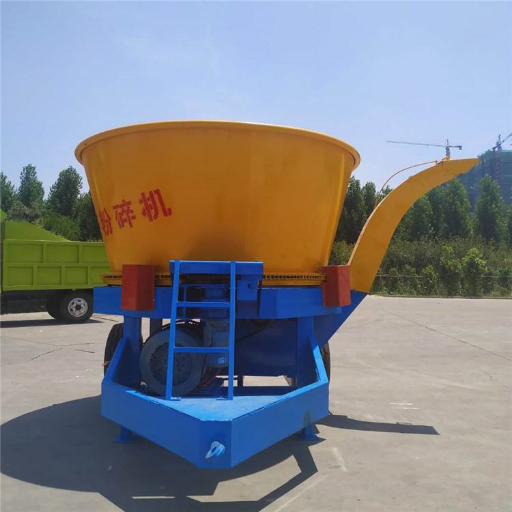
2-3 t/h
- Kekuatan utama: 22 kW
- Daya putar: 2.2 kW
- Ukuran output: 2-6 cm
- Jejak kaki: 2.700 × 2.000 × 2.100 mm
- Berat: 1.100 kg
Terbaik cocok: commanaman pelet biomassa komersial kecil yang menghasilkan 10-15 t/hari output pelet, koperasi pertanian, dan pabrik pakan yang memproses 1.500-3.750 ton bal per tahun.
02
TCSC100
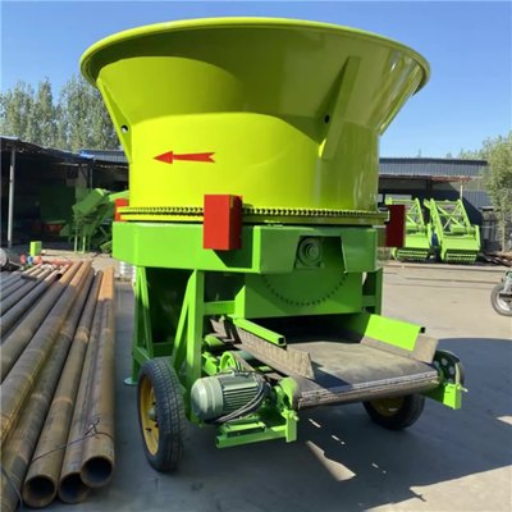
5-8 t/h
- Kekuatan utama: 45 kW
- Daya putar: 3 kW
- Ukuran output: 2-6 cm
- Jejak kaki: 3.200 × 3.500 × 2.200 mm
- Berat: 2.000 kg
Terbaik cocok: mid-tier commanaman pelet komersial menargetkan 25-40 t/hari output pelet, operasi pra-perawatan biofuel regional, proyek feed-mill terintegrasi.
03

TCSC130
8-12 t/h
- Kekuatan utama: 90 kW
- Daya putar: 3 kW
- Ukuran output: 2-6 cm
- Jejak kaki: 3.400 × 2.600 × 2.600 mm
- Berat: 3.000 kg
Terbaik cocok: commersercial besar dan pabrik pelet industri kecil yang memproduksi 40-60 t/hari, operasi biofuel yang terintegrasi secara vertikal, dan pabrik pupuk organik besar yang memproses 10.000+ ton bal per tahun.
02
Data Teknis & Kompatibilitas
| Spesifikasi | TCSC60 | TCSC100 | TCSC130 |
|---|---|---|---|
| Daya motor utama | 22 kW | 45 kW | 90 kW |
| Kapasitas (bales) | 2-3 t/h | 5-8 t/h | 8-12 t/h |
| Kekuatan mekanisme berputar | 2.2 kW | 3 kW | 3 kW |
| Ukuran partikel akhir | 2-6 cm | 2-6 cm | 2-6 cm |
| Berat mesin | 1.100 kg | 2.000 kg | 3.000 kg |
| Dimensi (L × W × H) | 2.700 × 2.000 × 2.100 mm | 3.200 × 3.500 × 2.200 mm | 3.400 × 2.600 × 2.600 mm |
| Power supply | 3-fase listrik | 3-fase listrik | 3-fase listrik |
| Kehidupan pelayanan (khas) | 8-12 tahun | 8-12 tahun | 8-12 tahun |
* Spesifikasi seri TCSC. Rentang layanan-kehidupan berdasarkan benchmark industri disc-mill untuk operasi berkelanjutan di bawah pemeliharaan standar.
Ketiga model TCSC kompatibel dengan semua ukuran dan format bale. Kapasitas produksi dalam tabel di bawah didasarkan pada kepadatan maksimum hipotetis bale 120-180 kg/m³ dan kadar air 12-20%. Tambahan 0.25-2.00 t/h sangat bergantung pada keseragaman kepadatan produk bale yang masuk.
| Tipe Bale | Jerami Beras | Wheat Straw | Tangkai Jagung | Misc Residu Pertanian |
|---|---|---|---|---|
| Bale bulat (diameter 1,0-1,4 m) | Ya — TCSC60+ | Ya — TCSC60+ | Ya — TCSC100+ recommended (lebih padat) | Ya — TCSC60+ tergantung kepadatan |
| Square bale (0,8 × 0,8 × 1,5 m) | Ya — TCSC60+ | Ya — TCSC60+ | Ya — TCSC100+ recommended | Ya — model dipilih oleh target t/h |
| Jerami lepas/pra-pecah | Ya — berjalan di atas t/h band | Ya — upper band | Ya — upper band | Ya |
* Catatan kompatibilitas: bal batang jagung biasanya membutuhkan TCSC100 atau TCSC130 karena ketangguhan serat dan kepadatan bale yang lebih tinggi. TCSC60 menangani beras kering dan jerami gandum pada kapasitas terukurnya tetapi melambat pada batang jagung basah atau terkontaminasi.
03
Kontrol Operasi Dan Pelepasan
Setiap unit TCSC adalah programmed untuk menghasilkan defribulasi Bale Meal terus menerus dan feed langsung ke panel kontrol starter manual untuk perlindungan dingin dan kelebihan beban, dan subassembly integral-dilengkapi dengan lengan panduan deflektor untuk memfasilitasi mengarahkan output ke konveyor hilir, pabrik hammer, atau penyimpanan bin. Paket bale-penanganan hidrolik tersedia di TCSC100 dan TCSC130 untuk kenyamanan operator pada beban bale berat. Operator memegang kontrol manual lengkap atas laju produksi pada akhir mereka; geometri saluran output dirancang untuk mempertahankan aliran melalui saluran pembuangan pada tingkat yang konsisten selama berjalan terus-menerus.
Butuh Bantuan Mencocokkan Model TCSC Dengan Jenis Bale Dan Output Target Anda?
Bale-to-Pellet Kapasitas Tangga — Cocokkan Model TCSC Anda Untuk Menanam Output
Salah satu perangkap berulang dari kelayakan pabrik pelet adalah penanaman berlebih untuk skenario berdasarkan “kinerja pada throughput bale dengan nilai maksimum yang mungkin” daripada “penjualan pelet ‘kompetitif secara logistik’ yang realistis yang diantisipasi”. Dalam laporan ROI perintis oleh Shandong Changsheng Machinery yang diterbitkan Jan 2027, intinya dibuat bahwa “menjual pelet lebih bermasalah daripada memproduksinya” ● masalah yang pada akhirnya menyumbang 70% dari semua penutupan pabrik pelet commercial baru, dan sumber banyak rasa sakit bagi para kapitalis juga Pendekatan optimal untuk perencanaan dan pemasangan suplemen tanaman adalah untuk mengurangi peralatan pra-perawatan bale ke apa ketersediaan bale yang dihitung sebenarnya mampu memuaskan selama tahun ini.
Bagan di bawah ini mengaitkan setiap model TCSC dengan tingkat pabrik pelet yang realistis dari sisi kapasitas produksi masa depan yang dapat dicapai, dengan mempertimbangkan mputation rasio bal terhadap in-feed untuk berbagai model pabrik pelet. Kolom kedua memperhitungkan rasio konversi tipikal dari kapasitas produksi bal bahan baku tunggal yang masuk menjadi pelet jadi, rata-rata sekitar 60%, termasuk kehilangan akibat penguapan kadar air selama pengeringan, kehilangan partikel halus di hammer mill, serta kegagalan proses pelletiser.
| Model TCSC | Bale t/h | Bale mentah harian (8 jam shift) | Output pelet harian (~60% conv.) | Pelet tahunan (250 hari) | Recommingkat tanaman yang dirawat |
|---|---|---|---|---|---|
| TCSC60 | 2-3 | 16-24 t/hari | 10-15 t/hari | 2.500-3.750 t/tahun | Kecil commanaman pelet komersial |
| TCSC100 | 5-8 | 40-64 t/hari | 25-40 t/hari | 6.250-10.000 t/tahun | Pertengahan commanaman pelet komersial |
| TCSC130 | 8-12 | 64-96 t/hari | 40-60 t/hari | 10.000-15.000 t/tahun | Besar commercial / pabrik industri kecil |
Integrasi Lini Produksi Pelet Lengkap dari Pabrik yang Sama
TCPEL membuat penggiling bale sebagai bagian dari lini produksi pelet biomassa lengkap (pemotong drum, pabrik hammer, pengering putar, mesin pelet, pendingin pelet, dan mesin pengepakan pelet), semuanya dirancang di bawah atap yang sama di pabrik 20.000 m² Jinan. Untuk investor yang menerapkan kapasitas pabrik baru, integrasi ini memiliki dua keuntungan. Pertama, setiap langkah selanjutnya dirancang secara mekanis dan elektrik agar sesuai dengan bagian produk sebelumnya melalui TCSC, sehingga menghilangkan mode kegagalan throughput-mismatch yang terlihat di pabrik tersebut ketika pembeli mendirikan peralatannya sendiri dari beberapa vendor. Kedua, katalog suku cadang dan dokumen pelatihan semuanya satu, sehingga insinyur pabrik pakan yang digunakan untuk TCSC60 dapat dengan mudah beralih ke pabrik hammer yang dilubangi atau mesin pelet yang cocok.
DOC // ASUMSI UKURAN: Ukuran pabrik pelet mengasumsikan operasi shift tunggal 8 jam, 250 hari produksi per tahun, dan konversi massal ~ 60% dari bale mentah ke pelet jadi. Pemanfaatan yang lebih tinggi (operasi dua shift) menggandakan angka tahunan. Referensi rasio konversi: analisis biaya pabrik pelet industri.
Sedang membangun lini produksi pelet biomassa baru dan ingin menyesuaikan ukuran bale grinder dengan pipeline penjualan pelet Anda yang sebenarnya?
Dapatkan Kalkulator Kapasitas →
Mesin Penghancur Cakram Vs Hammer Mill Vs Mesin Shredder Dua Poros — Matriks Keputusan EN + MGR
Karakteristik peralatan pra-pemrosesan Bale dapat dibedakan menjadi tiga kategori penghancur cakram yang terpisah secara mekanis; pabrik hammer; penghancur poros kembar. Namun, pembeli potensial cenderung membeli apa yang tersedia dari pemasok terdekat mereka sehingga 30-50% biaya operasi tidak pulih selama masa pakai peralatan. Data matriks di bawah ini merangkum trade-off teknik dalam empat sumbu penentu biaya:
Dimensi
Penghancur Cakram (TCSC)
Hammer Mill
Penghancur Poros Kembar
Konsumsi energi (kWh/ton)
7-12 (patokan industri untuk desain cakram)
20-25 pada throughput yang sebanding
10-18 (kecepatan rendah, torsi tinggi)
Ukuran partikel keluaran
Seragam 2-6 cm — siap untuk lini produksi pelet
di bawah 5 cm, distribusi lebih lebar; memerlukan saringan
5-20 cm kasar — perlu grind sekunder
Kehidupan pelayanan (khas)
8-12 tahun
5-8 tahun (sering hammer penggantian)
10-15 tahun (keausan pada kecepatan rendah)
Pakan bale terkompresi langsung
Ya — tidak ada pra-pencacahan
Tidak ada — perlu pembuka bale hulu
Ya — tetapi output kasar membutuhkan penggilingan ulang
Bahan yang paling sesuai
Bal jerami, sisa pertanian berserat
Biji-bijian lepas, biomassa granular kering
Limbah campuran, padatan besar, bahan baku terkontaminasi
Pita keluaran
2-12 t/h (rentang TCSC)
3-16 t/h
10-60 t/h (dibangun untuk industri yang sangat besar)
Data energi dan partikel: tolok ukur industri summarized dari Jingcheng Machinery Disc Mill vs Hammer Mill panduan pembelian (Agustus 2025) dan GEP Ecotech Twin-Shaft Shredder vs Hammer Mill perbandingan (Mar 2026).
Kartu TCO Perak: Keuntungan Biaya Seumur Hidup Penghancur Cakram
Selama masa pakai 8-year, konsumsi bahan bakar yang sekitar 50-70% lebih rendah (patokan industri 7-12kWh/ton dibandingkan hammer mill 20-25 KWh/ton) serta masa pakai desain disc-blade yang 1.5-2 kali lebih panjang menghasilkan estimasi penghematan 30-45% pada biaya pemrosesan per-ton dibandingkan pilihan hammer mill–belum termasuk penghematan kunjungan pemeliharaan untuk pisau geser dibandingkan hammer/komponen lain yang sangat rentan terhadap kelelahan. Operator yang memilih di antara keduanya perlu mempertimbangkan biaya modal awal dibandingkan ekonomi energi dan pemeliharaan selama delapan tahun: hammer mill unggul dalam capex tahun pertama, sedangkan mesin penghancur cakram mengakumulasi penghematan setiap tahun operasi berkelanjutan. Untuk pabrik pelet yang menargetkan keluaran tahunan 1,000-15,000 tons, susunan TCSC terintegrasi ditambah hammer-mill hilir merupakan konfigurasi yang paling banyak dipilih operator.
Modul: 01
50-70%
Energi yang lebih rendah per ton vs hammer mill
Efisiensi Energi / Readout
Modul: 02
1.5-2×
Kehidupan layanan vs hammer mill
Daya Tahan & Keausan / Analisis
Modul: 03
~30-45%
Biaya pemrosesan per ton yang lebih rendah (biasanya TCO 8 tahun)
TCO Keuangan / Proyeksi
Perbandingan TCO rata-rata industri; penghematan aktual tergantung pada tarif listrik, kontaminasi bahan baku, pemanfaatan shift. Sumber data energi, Jingcheng Machinery 2025; Rentang layanan-kehidupan berdasarkan rata-rata industri disc-mill yang sebanding.
“Kami mengevaluasi geometri cakram TCSC dalam persaingan dengan tiga opsi hammer-mill rotor-dan-layar yang berbeda. Setiap cakram mempertahankan kisaran ukuran partikel 2-6 cm pada jerami padi, jerami gandum, dan jerami jagung dan mempertahankannya di sisi tinggi pita throughput di mana hammer-mill biasanya lebih lebar.”
Matriks keputusan di atas bukanlah peringkat universal. Seorang pembeli yang mengoperasikan biomassa terkontaminasi campuran dengan tingkat kontaminasi yang dapat diterima tinggi dapat secara wajar memilih penghancur poros ganda bahkan untuk output kursus. Sebuah pelletizer pertanian kecil yang memurnikan residu biji-bijian kering dapat secara wajar memilih hammermill untuk biaya modal yang lebih rendah. Peralatan penghancur cakram jelas merupakan pemenang dalam skenario khas yang menginspirasi sebagian besar pertanyaan TCSC: pabrik pakan pelet commercial berukuran kecil hingga menengah atau pabrik pakan dengan jerami baled di 2-12 t/hr dan preferensi untuk biaya operasi minimum dan bahan baku seragam untuk pelet hilir.
Membandingkan TCSC terhadap model pabrik atau penghancur hammer tertentu di banyak aplikasi biomassa?
Bantuan Ukuran Email →
PROC + EN + MGR
Konstruksi, Sertifikasi & Tempat Operator Menjalankan Penggiling Bale TCPEL
Satu tema common yang saya dengar di ag-peralatan-penggemar dan industri-shedder atau hammer-mill forum adalah: “mereka tidak membuat mereka sebagai tugas berat lagi” φ keluhan dipungut beberapa kali di bale-prosesor communities seperti ag-peralatan Facebook kelompok. Kami merancang penggiling bale TCSC di sekitar tantangan yang tepat: baja pengukur berat dilas bingkai, pisau pemotong mengeras cukup besar untuk operasi industri yang berkelanjutan, dan drive-train penggerak langsung kekuatan industri yang menghilangkan kelemahan geser-pin yang Anda lihat di PTO-driven ag-machines.
Standar Konstruksi
01
Frame
Konstruksi baja las berukuran untuk operasi pertanian 8 jam terus menerus
02
Cutting Disc
Baja keras-menghadap kekuatan tinggi untuk memotong rotor dan pisau tahan lama
03
Drive Train
Direct-drive 22kW / 45kW / 90kW motor (menghindari poros PTO dan geser-pin)
04
Bearing
Bantalan bola/rol kelas industri untuk konsistensi beban tinggi
05
Access
Penutup samping yang dapat dilepas dan dibaut di atas bilah dan ruang untuk pemeliharaan
Kerangka Sertifikasi & Kepatuhan
ISO 9001
Manajemen Mutu
Penandaan CE
Ekspor Eropa Siap
EN ISO 17225
Standar Biomassa
3-Phase Kompatibel
Standar 380 V/50 Hz
Dimana TCPEL Bale Grinders Berjalan (Aktivitas Global)
Biomassa Pellet
Nutrisi Hewan
Bioenergi
Daur Ulang Ag-Limbah
Pupuk Organik
Limbah Pasar
Manufaktur Pelet Biomassa
Tempat pembakaran kecil dan menengah di Jerman, Korea Selatan dan Vietnam.
PROC + MGR
Panduan Pengadaan — FOB Pricing, MOQ, Lead Time & Layanan Global
Ag forum peralatan cenderung untuk mengecualikan jarak jauh dan waktu respon layanan untuk bagian sebagai pertimbangan- cepat bergerak persediaan dealer di pasar lokal menang atas keluar dari negara bagian ketersediaan suku cadang untuk sebagian besar konstituen politik. Ketika mempertimbangkan Cina keseimbangan-shredder, bagaimana dealer domestik siap unit menumpuk pada biaya siklus hidup dan waktu respon?
[ 01 ]
Faktor Harga FOB
Tingkat harga penggiling bal TCSC ditentukan oleh ukuran model yang dipilih, harga pengiriman ke pelabuhan pilihan, paket tegangan dan frekuensi, tanda CE opsional, serta paket suku cadang opsional. Kami tidak mencantumkan satu angka, tetapi menentukan kuantitas Anda secara terpisah berdasarkan enam item ini; setiap penawaran harga akan dibuat dengan pertimbangan pemilihan berikut:
- Ukuran model — TCSC60 (entry level) melalui TCSC130 (kapasitas terbesar)
- Tegangan, frekuensi diatur — 380 V / 50 Hz standar; 60 Hz, 220 V, dan 440 V jenis tersedia pada permintaan khusus
- Cadangan, paket-parts — disertakan dengan kit bilah aus tahun pertama, kit bantalan, kit cadangan cakram ganda opsional
- EU-kompatibel certificates, file — disediakan untuk diimpor ke UE; pengajuan menambah penundaan berikutnya
- Pengiriman, istilah — FOBchina standard; CIF, istilah pengangkutan CFR, dan jenis penghantaran DDP yang tersedia bergantung kepada destinasi
[ 02 ]
Lead Time
Pertama lead-time standar dalam 45-60 hari, dari dibuat-to-order dikonfirmasi untuk memuat di kapal ketika ditagih FOB pelabuhan Cina, TCSC60 dan TCSC100. TCSC130 membutuhkan waktu tambahan karena frame yang lebih besar membutuhkan waktu lebih lama untuk membangun. Selama musim puncak (Oktober sampai Januari di beberapa pasar), menambahkan 14 hari ke memimpin dikutip. Semua waktu dicatat adalah eksklusif dari transit laut dan tujuan bea cukai izin dan perpajakan.
[ 03 ]
Jumlah Pesanan Minimum & Ketentuan Pembayaran
MOQ: 1 unit. Pesanan untuk 1 mesin diisi pada jalur produksi yang sama dengan pesanan untuk beberapa unit. Pembayaran: 30% T/T pada penempatan, 70% terhadap B/L atau L/C pada pandangan saat pengiriman jika tujuan memerlukannya.
[ 04 ]
Sistem File Pelanggan & Purna Jual Global
Setiap unit TCSC meninggalkan pabrik diajukan dalam log pelanggan dengan lokasi situs, pengaturan tegangan, sejarah suku cadang, dan kontak teknis yang terdaftar. melalui operator regional dan tim dukungan teknis global berdedikasi 24 jam dan melalui mitra regional di setiap tujuan ekspor utama. Pisau cadangan dan bantalan kit yang sudah terpasang meninggalkan pabrik 10 hari setelah catatan file pelanggan menentukan — tanpa perlu spesifikasi ulang unit.
Persyaratan Instalasi
- Electrical — 3-fase, 22 k W / 45 k W / 90 k W motor utama untuk (model dependent) Membuat, mengkonfirmasi frekuensi tegangan pada Kutipan
- Luas lantai — 6-9m jejak pemasangan; 2-3 meters di sekitar tinggi tekan pengumpanan bal
- Berbagai persyaratan — diperkuat semen pad berukuran untuk menurunkan berat badan (1.100-3.000 kgs)
- Penanganan material — load bales by forklift, telehandler, grapple loader, atau upstream conveyor (operator dipasok); debit sering melekat pada konveyor sabuk yang memberi makan tahap hilir
Siap untuk kutipan FOB yang disesuaikan terhadap model TCSC dan port tujuan tertentu?
Dapatkan Penawaran FOB
Dukungan Keputusan Teknis
Alat Kecerdasan Dan Seleksi Bale Grinder Industri
CALC.01
Kalkulator Kapasitas Pabrik Pelet
Sederhanakan target produksi Anda dengan menghitung persyaratan throughput dan efisiensi operasional.
TCO.02
Kalkulator TCO — Mesin Penghancur Cakram TCPEL Vs Hammer Mill
Menganalisis biaya operasional jangka panjang dan perbandingan ROI antara teknologi penghancuran yang berbeda.
PILIH.03
Pemilih Kompatibilitas Bale × Crop
Identifikasi konfigurasi mesin optimal untuk jenis tanaman dan format bale tertentu.
Pertanyaan yang Sering Diajukan
Nomenklatur dicampur sejauh pasar yang bersangkutan. Sebuah pelletizer, jerami shreader, mesin pengolahan bale, dan hammer mill semua mengacu pada mesin yang bertanggung jawab untuk menghancurkan jerami atau jerami- jerami bal. Secara konvensional, ada keseimbangan mekanis antara ukuran throughput dari produk Anda pelletize pakan atau rumah-dasi penjatahan antara (menyebabkan pekerjaan kecil, menghasilkan makanan pelet seragam untuk kasus daya industri makan perangkat lapangan traktor-mount berlabel helikopter, shredder, penggiling, atau mesin pengolahan dapat disebut hal yang sangat berbeda (makan-dasi sapi, TMR cenderung untuk tujuan yang lebih berorientasi pertanian-dasi.Sangat menyarankan bahwa peralatan TCPEL TCSC menjadi khusus dari awal sebagai perangkat pengurangan ukuran bale industri, bukan mesin pertanian traktor-pto.
Sebuah shredder biomassa dapat didefinisikan sebagai jenis peralatan umum yang mencakup salah satu mesin yang memecah bahan baku biomassa, misalnya bal jerami, serpihan kayu, residu pertanian, tanaman energi ke dalam bentuk olahan yang memungkinkan penggunaannya sebagai sumber nilai, baik untuk konversi biofuel, aplikasi massal dalam pencernaan anaerobik dan pabrik biogas, pemanfaatan massal di pabrik biogas, atau peletisasi. Mesin yang merobohkan bal adalah contoh yang lebih spesifik dari mesin penghancur biomassa, yang dirancang untuk menerima input bale. Peralatan TCSC secara langsung menerima kondisi input bale. Sistem penghancur biomassa poros kembar dioptimalkan baik untuk limbah campuran atau bahan baku kayu.
Ya. Ketiga model TCSC dapat digunakan untuk memproses bal bundar hingga kira-kira 1,0-1,4 m diamater, bal persegi hingga 0,8 0,8 1,5 m, dan jerami pra-pecah longgar. Sementara faktor kunci throughput didominasi oleh pilihan mesin, yang disebutkan di atas, kapasitas atas setiap versi model mengasumsikan kepadatan jerami khas dari 120-180 kg/m³ dengan kadar air 12-20%. Bal batang jagung cenderung lebih padat dan lebih abrasif daripada jerami padi atau gandum, serta bekerja paling baik pada TCSC100 atau TCSC130; TCSC60 dapat memproses bal jerami padi dan gandum kering pada kapasitas terukur, tetapi kurang efisien saat memproses batang jagung basah atau terkontaminasi.
Ketiga model TCSC menghasilkan konsistensi keluaran 2-6 cm. Ukuran antara tersebut memasok hammer mill hilir atau mesin pelet dengan geometri cetakan tekan yang sesuai.
Harga tergantung pada masing-masing faktor termasuk skala model dan ukuran, konfigurasi tegangan, sertifikasi CE opsional, set suku cadang opsional, konfigurasi paket peralatan untuk pengangkutan, dll. Tidak ada angka harga umum yang dipublikasikan, tetapi untuk perspektif dapat ditawarkan sebagai garis panduan umum: Paket peralatan pembangkit listrik lengkap (termasuk penggiling bale, pabrik hammer, pengering, pelet, pendingin, dan pengepakan) untuk operasi 1.000-5.000 ton/tahun tersedia dengan belanja modal kira-kira $100,000-$300,000, dengan penggiling bale yang terdiri dari sebagian besar pengeluaran itu. Waktu tunggu standar FOB-China adalah 30-45 hari untuk TCSC60/100 dan 45-60 hari untuk TCSC130. Untuk harga terhadap model spesifik Anda bunga, port tujuan, dan konfigurasi, silakan kirim pertanyaan.
Pilih disc-blade design (TCSC) ketika operasi berkelanjutan menangani jerami pertanian dan sisa tanaman, pemrosesan hemat energi, dan output 2-6 cm yang seragam ke pelletizer hilir sangat penting. Setiap geometri disk sangat efisien untuk jerami pertanian dan pengurangan tanaman di seluruh pita throughput yang dinilai, menjaga keseragaman partikel di seluruh pemakaian paruh baya pisau. Tolok ukur industri menunjukkan konsumsi energi sekitar 7-12 kWh per ton (23-41 MJ/ton) dibandingkan dengan 20-25 kWh per ton (72-90 MJ/ton) untuk pabrik hammers pada tingkat throughput yang sebanding, menawarkan masa pakai 1,5-2 kali lebih lama. Setiap pabrik cakram harus menjadi pilihan yang lebih disukai ketika biomassa input sudah longgar materi granular di bawah 5 cm dalam dimensi, target throughput yang diinginkan adalah dalam kisaran 3-16 t/h, dan belanja modal awal adalah prioritas di atas biaya operasi per massa yang diproses. Beberapa jalur produksi pelet terintegrasi menggunakan proses dua tahap: penghancur cakram TCSC untuk pemisahan bale pemecahan primer diikuti oleh pabrik hammer untuk penggilingan halus sekunder sebelum pembuatan pelet.
f2- Peta penggiling bale untuk output pelet agregat tanaman akan menjual, daripada throughput bale 最大行理论. Menggunakan commonly dikutip konversi bale-to-pelet (sekitar 60%) selama shift 8 jam khas 250 hari kerja per tahun: TCSC60 cocok dengan pabrik pelet commercial kecil dalam kategori output pelet 10-15 t/hari (kira-kira 2500-3750 t / tahun); TCSC100 cocok untuk operasi commercial tingkat menengah yang menghasilkan pelet 25 ج 40 t / hari (6,250-10,000 t / thn); TCSC130 cocok dengan largescalekCommanaman industri komersial dan kecil 40-60 t / hari pelet (10.000-15.000 t / tahun) pelet.Panduan investasi industri mencatat bahwa “menjual pelet lebih sulit daripada membuatnya” -pilih penggiling bale untuk permintaan pelet yang dikonfirmasi untuk menghindari kapasitas throughput terdampar.
Peralatan TCSC secara efisien mencacah dan menangani empat kategori utama biomassa-pakan yang menjadi dasar operasi pelet biomassa dan pakan skala kecil hingga menengah: jerami padi, jerami gandum, batang jagung, serta residu pertanian lain termasuk jerami kedelai, jerami gandum hitam, dan potongan rumput dari panen tanaman energi. Setiap model TCSC dirancang berdasarkan kepadatan dan kadar air bale yang umum; bahan baku lebih padat seperti batang jagung atau bahan baku berdensitas tinggi lainnya paling baik ditangani mesin yang lebih besar untuk meningkatkan kapasitas produksi dan mengoptimalkan investasi modal. Untuk bahan baku tanaman energi dengan sifat serat yang sangat berbeda (switchgrass, miscanthus, ampas tebu), mintalah pengaturan pengujian sampel saat penawaran harga agar geometri cakram dan peringkat kapasitas dapat dikonfirmasi untuk setiap bahan baku.