Liên hệ với TCPEL

Dòng TCF TCPEL
Máy ép viên thức ăn gia súc ine TCF Dòng 11 mẫu, 150–6.000 kg/h, FOB Qingdao USD Giá | TCPEL
Một nhà cung cấp minh bạch.Mười một mô hình cấp gia súc-thức ăn với kỹ thuật nghiêng-con lăn, cỏ-xử lý buộc feeders, 2-10 mm dial-up chết chèn.Từ một trang trại nhỏ tại $900 đến một commeceral feedlot tại $22,500, FOB Qingdao.
Triển khai hơn 60 quốc gia
Chứng nhận CE
ISO 9001:2015
Giao hàng 15 working days
100% T/T điều khoản tiêu chuẩn
Kế hoạch chi tiết công nghệ
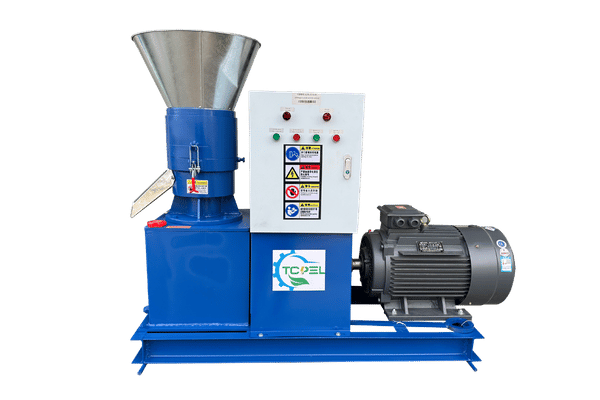
Tại sao các nhà máy sản xuất viên chung không hoạt động được với gia súc và giải pháp giải quyết được giải pháp xoay nghiêng
Chi phí thức ăn chiếm lên 75% tổng chi phí sản xuất thịt bò-gia súc.Khi mục hàng đó là xuất huyết từ tách riêng nghiền, vòm phễu, tràn, và nguyên liệu cao sợi mà một nhà máy pellet gia cầm-spec chung sẽ không nén, thùng rác kinh tế trước khi đàn bao giờ lợi nhuận từ một viên duy nhất.
Máy ép viên thức ăn gia súc TCF unch Giải pháp Summary
11 Người mẫu
Hai con lăn TCF150–TCF450 (150–2.500 kg/h công suất động cơ 7,5–45 kW) và ba con lăn TCF550–TCF800 (2,5–6 T/H, 75–132 kW)
Đường kính viên nén
2 / 3 / 4 / 5 / 6 / 7 / 8 / 10 mm ine lỗ chết tùy chỉnh để loại gia súc của bạn trước khi sản xuất
Khoảng Giá
$900 (TCF150, 7.5 kW) đến $22,500 (TCF800, 132 kW) ine FOB Qingdao USD, một dòng cho mỗi mô hình
Nguyên liệu linh hoạt
Cỏ linh lăng, rơm, ngô, bột đậu nành, cám lúa mì, ngũ cốc chưng cất, bột củ cải đường, mùn cưa, v.v. không cần sấy khô trước
Điều khoản tiêu chuẩn
100% T/T sau khi xác nhận đơn hàng; 15 working days sản xuất-to-cổng; đường kính viên xác nhận tiền sản xuất
Thương hiệu thành phần
Động cơ đồng 100%; CHINT và điện Delixi; ô tô-lớp đôi phổ doanh; bơm dầu tự động (TCF300 +)
Chế độ lỗi chung
Chế độ thất bại chung của nhà máy thức ăn chăn nuôi trong gia súc. nhà máy thức ăn chăn nuôi được bán dưới dạng “tất cả các mục đích” được điều chỉnh cho gia cầm: lỗ chết nhỏ hơn, tỷ lệ nén được đặt trước mạnh mẽ, phễu nạp được chọn cho hạt chảy tự do.
Cho ăn khẩu phần gia súc cỏ 40% thông qua hồ sơ chết đó và 3 điều xảy ra – công suất giảm 30-50% dưới số danh mục, khuôn phẳng đeo như cam trên Cummins trong vòng 90 ngày và bộ điều hòa dài bị hỏng vì hơi nước thời gian dừng được thiết kế cho các hạt mịn.
Kỹ thuật dành riêng cho gia súc
Một máy ép viên dành riêng cho khẩu phần gia súc, được thiết kế chính xác, có ba điểm khác biệt về khả năng chịu tải so với cặp gia cầm sinh đôi của nó, ảnh hưởng đến khả năng tiêu hóa thức ăn. Máy cho ăn cưỡng bức phải đẩy bột cỏ và bột rơm – vật liệu nhẹ, siêu đàn hồi luôn kết nối trong phễu thông thường – vào giường khuôn dưới áp suất dương.
Phạm vi tỷ lệ nén phải kéo dài từ 1:8 đến 1:12 để xử lý cả thức ăn thô và tinh bột cô đặc cao trong cùng một ca. Và chất điều hòa phải giữ nguyên liệu trên 80 °Celsius đủ lâu để – hồ hóa tinh bột và tiêu diệt mầm bệnh bao gồm Salmonella – được chứng minh ở nhiệt độ đó trong các nghiên cứu độc lập.
Những gì “cấp gia súc” thực sự đòi hỏi
Lượng thức ăn xử lý cỏ
Bộ cấp liệu cưỡng bức có ống thép không gỉ chống bắc cầu – không được cấp bằng trọng lực.
Khẩu phần khác nhau
Cùng một máy. cùng một ca. cỏ linh lăng hay, ngô/đậu nành pha trộn, mật đường-pha trộn khẩu phần, không yêu cầu thay đổi để cài đặt máy.
Chế độ ăn uống toàn vẹn
Cho ăn chế độ ăn dạng viên một cách toàn vẹn trong ca làm việc kéo dài 12 giờ. Chỉ số độ bền của viên có thể tái tạo sau giờ thứ ba – không chỉ có thể tái tạo khi thức ăn được cho ăn bằng tấn hệ mét vào mẫu thức ăn.
Dòng TCPEL TCF áp dụng cách tiếp cận cấu trúc đối với đối thủ khuôn phẳng nhất này mà hầu hết các đối thủ cạnh tranh Canada/Châu Âu/Châu Á khác không làm được. Hình học con lăn nghiêng áp dụng tất cả mô-men xoắn động cơ trên một con lăn quay ngược chiều với khuôn cố định – phản đề của thiết kế khuôn phẳng ly tâm – và cho phép cùng một khung gầm chạy khuôn sữa 6 mm một tuần và khuôn hoàn thiện thịt bò 10 mm tiếp theo. Chúng tôi giải nén kỹ thuật trong phần H2-5 và tính kinh tế vận hành trong hướng dẫn mua sắm ở phần dưới.
TCPEL TCF Series: 11 mẫu máy viên thức ăn gia súc với giá FOB Qingdao USD
Hầu hết các SERP tiếng Anh cho “máy viên thức ăn gia súc” trả về phạm vi công suất không có báo giá hoặc báo giá không có phạm vi công suất. TCPEL xuất bản cả – mỗi và mọi mô hình.
Hoàn thành dòng sản phẩm mô hình TCF
| Mẫu máy | Công suất (kg/h) | Loại Roller | Sức mạnh chính | Điện áp | Cân nặng | Kích thước (mm) | FOB Qingdao |
|---|---|---|---|---|---|---|---|
| TCF150 | 150–200 | Con lăn nghiêng 2 | 7,5 kW | 380V / 50–60Hz / 3PH | 190 kg | 1220 × 620 × 840 | $900 |
| TCF200 | 300–400 | Con lăn nghiêng 2 | 11 kW | 380V / 50–60Hz / 3PH | 270 kg | 1420 × 670 × 1100 | $1,600 |
| TCF250 | 600–800 | Con lăn nghiêng 2 | 15 kW | 380V / 50–60Hz / 3PH | 480 kg | 1660 × 740 × 1220 | $2,400 |
| TCF300 | 800–1,000 | Con lăn nghiêng 2 | 22 kW | 380V / 50–60Hz / 3PH | 650 kg | 1830 × 880 × 1560 | $2,700 |
| TCF350 | 1,000–1,200 | Con lăn nghiêng 2 | 30 kW | 380V / 50–60Hz / 3PH | 750 kg | 1960 × 920 × 1680 | $3,600 |
| TCF400 | 1,400–2,000 | Con lăn nghiêng 2 | 37 kW | 380V / 50–60Hz / 3PH | 900 kg | 2550 × 980 × 1600 | $4,300 |
| TCF450 | 2,000–2,500 | Con lăn nghiêng 2 | 45 kW | 380V / 50–60Hz / 3PH | 1.500 kg | 2780 × 1100 × 1700 | $6,300 |
| TCF550 | 2,500–3,500 | Con lăn nghiêng 3 | 75 kW | 380V / 50–60Hz / 3PH | 1.800 kg | 2900 × 1300 × 1900 | $9,500 |
| TCF650 | 3,000–4,000 | Con lăn nghiêng 3 | 90 kW | 380V / 50–60Hz / 3PH | 2.100 kg | 2950 × 1500 × 2000 | $14,500 |
| TCF700 | 4,000–5,000 | Con lăn nghiêng 3 | 110 kW | 380V / 50–60Hz / 3PH | 2.500 kg | 3000 × 1600 × 2100 | $18,800 |
| TCF800 | 5,000–6,000 | Con lăn nghiêng 3 | 132 kW | 380V / 50–60Hz / 3PH | 2.900 kg | 3150 × 1800 × 2200 | $22,500 |
Tất cả giá: FOB Qingdao port, China – USD/set, December 2024 quotations.Điện áp theo yêu cầu: 220V, một pha có sẵn cho TCF150-250 trang bị thêm; 50Hz/60Hz cả hai đều có sẵn. đường kính lỗ chết viên (2 / 3 / 4 / 5 / 6 / 7 / 8 / 10 mm) để được xác nhận trước khi sản xuất.
Mô hình hai con lăn
(TCF150–TCF450, 150–2.500 kg/h, $900–$6.300)
Cấp hai con lăn cho các trang trại nhỏ, trang trại cỡ trung bình và hợp tác xã thức ăn chăn nuôi dưới 20 tấn mỗi ngày. phạm vi công suất từ 7,5 kW (TCF150 cho hoạt động thịt bò 50 đầu trong một ca) đến 45 kW (TCF450 một cửa hàng thức ăn khu vực trên hai ca). tất cả các máy trong tầng này đều đi kèm với bôi trơn bơm dầu tự động từ TCF300 trở đi, hộp số khớp nối đa năng kép cấp tự động và luyện kim khuôn phẳng chống mài mòn trong suốt loạt.
Mô hình ba con lăn
(TCF550–TCF800, 2.500–6.000 kg/h, $9.500–$22.500)
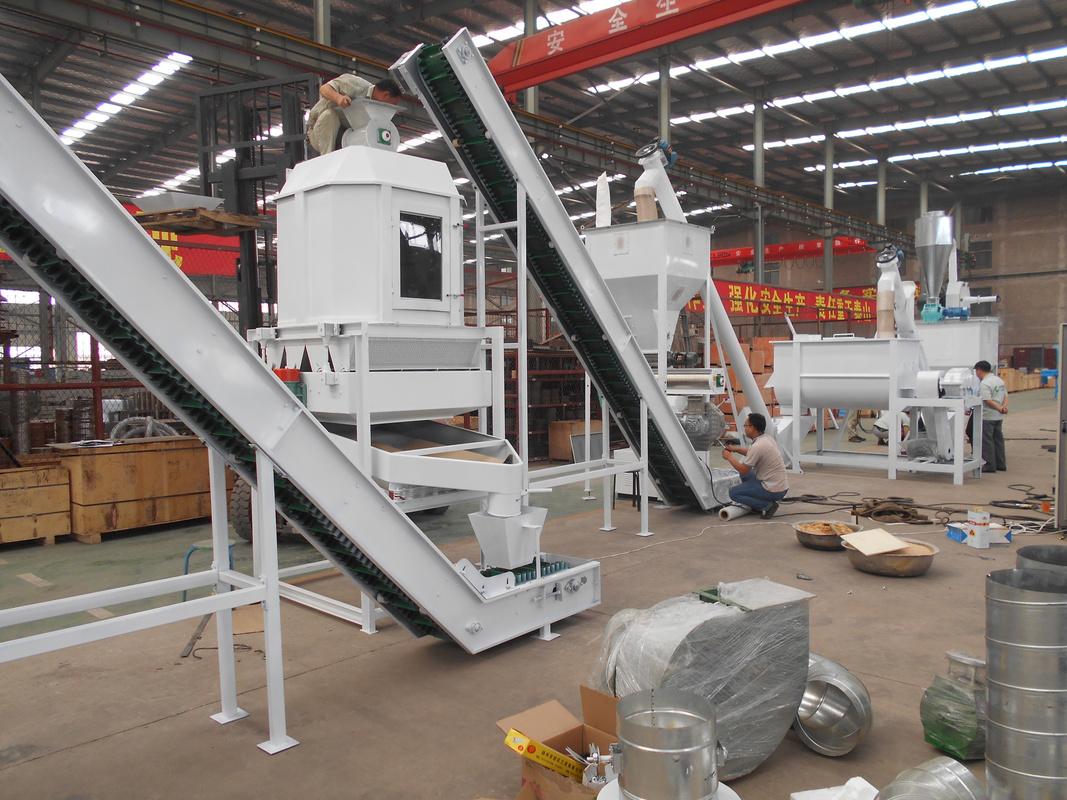
Phân khúc ba con lăn dành cho cơ sở chăn nuôi vỗ béo thương mại và nhà máy thức ăn chăn nuôi khu vực. Con lăn thứ ba phân bổ ứng suất nén trên toàn bộ bề mặt khuôn, giúp tăng tuổi thọ khuôn khi xử lý khẩu phần nhiều chất xơ và duy trì công suất cân bằng trong các đợt chạy dài. TCF800 — 132 kW, 6 ton/hr — được sử dụng tại nhà máy viên thức ăn gia súc thương mại vận hành liên tục theo ca; máy có khối lượng 2.900 kg.
Lựa chọn đường kính Pellet Die
Bất kỳ của TCPEL chết được thiết kế riêng cho loại gia súc của bạn trước khi sản xuất. thực hành ngành công nghiệp điển hình tập trung vào bê và khẩu phần khởi đầu tại 3 mm, bò sữa tại 6 mm, chăn nuôi tại 6-7 mm, và khẩu phần thịt bò hoàn thiện tại một phạm vi thiết lập của 4-12 mm tùy thuộc vào mục tiêu lượng. tất cả mười một của các mô hình TCF có thể được trang bị với cùng một hình dạng gắn chết, cho phép cùng một khung gầm để nuôi bê tại 3 mm trong Q1 và sau đó thịt bò hoàn thiện tại 8 mm trong Q3 (yêu cầu một chết khác nhau).
Hai-Roller vs Ba-Roller Gia súc Pellet Mill 5 Ma trận quyết định ngưỡng công suất
Quyết định cơ cấu vốn (trong trường hợp này) trong việc mua máy ép viên thức ăn gia súc không phải là “which kw” – nó là “hai con lăn hoặc ba.” Hòa vốn là một nơi nào đó trong vùng lân cận của công suất 2,500kg/h, đó là khoảng 20 tấn mỗi ngày trên một ca 8 giờ duy nhất. theo điều này, hình học con lăn 2 làm cho công suất danh nghĩa đầy đủ, tại một CAPEX thấp hơn, và một dấu chân bảo trì đơn giản hơn. qua điều này, con lăn thứ ba tái bao gồm nó chi phí vốn bổ sung trong suốt năm 1st, thông qua chi phí chết thấp hơn và bình thường hóa thông lượng (đặc biệt là trên tỷ lệ chiếm ưu thế cỏ).
| Kích thước | Xe hai bánh (TCF150–TCF450) | Tay đua ba người (TCF550–TCF800) |
|---|---|---|
| Phong bì công suất | 150–2.500 kg/h | 2.500–6.000 kg/h |
| Sản lượng hàng ngày (1 ca) | 1.2–20 tấn/ngày | 20–48 tấn/ngày |
| Động cơ chính | 7,5–45 kW | 75–132 kW |
| Dấu chân (m) | 1,2×0,6 đến 2,8×1,1 | 2,9×1,3 đến 3,2×1,8 |
| Khu vực tiếp xúc con lăn trên khuôn | 2 vùng tiếp xúc, mặc xen k | 3 vùng tiếp xúc, nén phân tán |
| Chết cuộc sống trên khẩu phần cỏ 40% | ~9–12 tháng ở ca đơn | ~14–18 tháng ở ca đơn |
| Hoạt động điển hình | Trang trại nhỏ, trang trại cỡ trung bình, hợp tác xã thức ăn chăn nuôi | Cơ sở chăn nuôi vỗ béo thương mại, nhà máy thức ăn chăn nuôi khu vực |
| phạm vi CAPEX (FOB) | $900–$6,300 | $9,500–$22,500 |

Khi Ba Người Lái Trả Lại Trong Vòng 18 Tháng
Trực quan thẳng thắn, nhưng không phải là một tính toán nhanh chóng. ba-con lăn chi phí nhiều hơn ban đầu, nhưng với hai kinh tế hợp chất, kéo dài tuổi thọ chết và tính toàn vẹn viên cao hơn ở thông lượng tăng lên. một TCF550 (khả năng chi tiết ở trên), ví dụ, chạy 8 giờ ở 3 tấn mỗi giờ, sẽ sản xuất khoảng 4.500 tấn mỗi năm. nếu vật liệu nói trên, trên lịch trình sản xuất bằng nhau, nếu không sẽ được chạy trên một TCF450 ba dòng (không được hỗ trợ vượt quá công suất thiết kế), trong hơn 12 giờ một ngày, và đồ họa tăng tốc mặc ra khỏi khuôn, chạy đến năng lượng lớn hơn trên mỗi tấn, và thay thế mỹ phẩm của chết chỉ sau một năm rưỡi, với một giải pháp ba con lăn tăng lên trình bày chính nó, và tiết kiệm nó.
Dưới 20 tấn/ngày, phép tính lật. một hai con lăn TCF300 tại 800 kg/h 8 giờ = 6, 4 tấn ing thoải mái danh nghĩa ist chi phí $2,700 và chạy trên 22 kW. mua một TCF550 để làm điều đó cùng một khối lượng lãng phí 75 kW điện được cài đặt và hầu hết của một $9,500 CAPEX.
Bạn không chắc chắn tầng nào phù hợp với mục tiêu hàng ngày của mình?
Sử dụng Công cụ Quyết định TCPEL →Kết quả của khách hàng 60+ Triển khai máy ép viên thức ăn chăn nuôi và gia súc quốc gia
TCPEL đã vận chuyển máy ép viên thức ăn gia súc TCF đến các hoạt động ở Đức, Phần Lan, Nga, New Zealand, Hàn Quốc, Pakistan, Ấn Độ, Bangladesh, Việt Nam, Malaysia và Thổ Nhĩ Kỳ – trong số hơn 60 quốc gia được phục vụ kể từ năm 2020.Ba nguyên mẫu triển khai chiếm phần lớn các lô hàng thức ăn gia súc TCF. Mỗi loại đều được summarized bên dưới ở dạng ẩn danh; các nghiên cứu điển hình cụ thể của dự án có sẵn theo NDA theo yêu cầu.
TCF150–TCF250 (150–800 kg/h)
Hồ sơ
Hoạt động chăn nuôi bò 50-200 con và các trang trại hỗn hợp nhỏ sản xuất 1,2-6,4 tấn mỗi ca.
Khẩu phần
35-45% cỏ linh lăng hoặc bột cỏ, Bột ngô 30%, Bột đậu nành 15%, rơm cân bằng và chất kết dính.
Mục tiêu viên
4-8 viên thịt bò hoàn thiện mm; 3 mm nếu cùng một máy tăng gấp đôi cho khởi động bê.
Tại sao lại là tier này
CAPEX dưới $2,400, trang bị thêm một pha có sẵn, chạy từ nguồn cung cấp trang trại 380V 3PH tiêu chuẩn.
TCF300–TCF450 (800–2.500 kg/h)
Hồ sơ
Hoạt động chăn nuôi bò sữa và thịt bò 200-1.000 con; hợp tác xã thức ăn chăn nuôi khu vực phục vụ 10-30 trang trại xung quanh.
Khẩu phần
Các công thức sữa bao gồm cỏ linh lăng, bột ngô-đậu nành cô đặc, bột củ cải đường, ngũ cốc chưng cất và chất kết dính mật đường; khẩu phần được điều chỉnh lại cho mỗi giai đoạn cho con bú.
Mục tiêu viên
6 mm cho sản xuất sữa; die-swap để 4 mm cho khẩu phần heifer thay th.
Tại sao lại là tier này
Bơm dầu tự động (TCF300 trở lên), truyền tải nặng hơn, chuyển đổi khuôn nhanh hơn.
TCF550–TCF800 (2.500–6.000 kg/h)
Hồ sơ
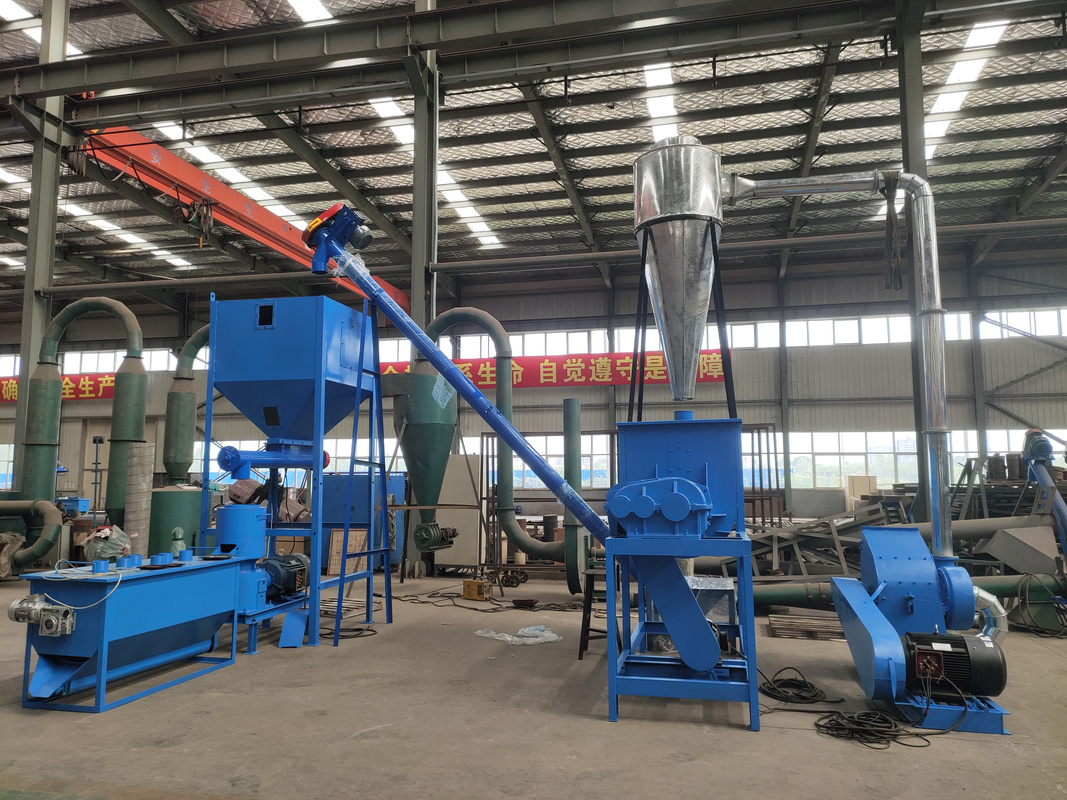
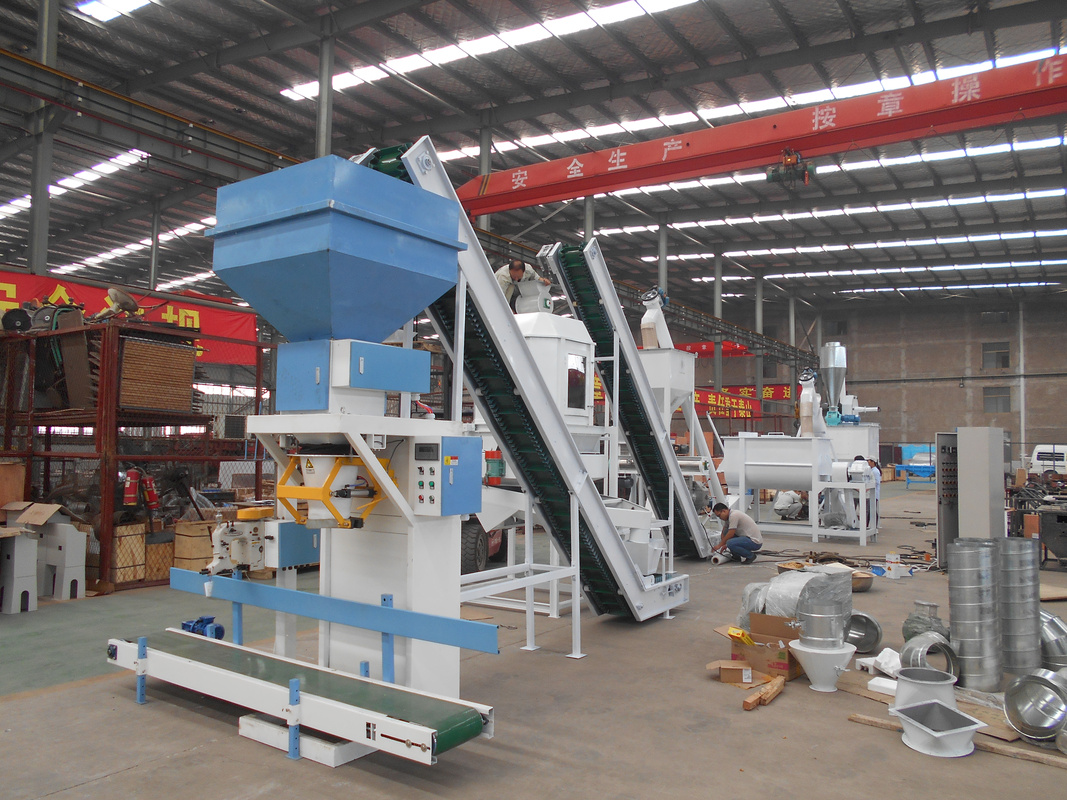
Các nhà máy thức ăn chăn nuôi trong khu vực và các cơ sở chăn nuôi lớn sản xuất 20-48 tấn mỗi ca; dây chuyền sản xuất viên tích hợp với bộ làm mát và đóng gói.
Khẩu phần
Khẩu phần vỗ béo gia súc thương mại với tỷ số nén được kiểm soát, hệ thống hơi đầy đủ cho bộ điều hòa và lịch thay khuôn theo SKU.
Mục tiêu viên
6-10 mm thịt bò hoàn thiện; 6 Dây chuyền sản xuất sữa mm.
Tại sao lại là tier này
Con lăn thứ ba phân phối lực nén, kéo dài tuổi thọ chết trên khẩu phần cỏ nặng và ổn định công suất thông qua ca làm việc liên tục 12 gi.
Gia súc ép viên thất bại trong lĩnh vực này vì một trong hai lý do – hoặc là điều hòa không thể giữ nhiệt độ khi nội dung cỏ leo lên trên 35 phần trăm, hoặc chết mòn asymmetrically và các nhà điều hành đuổi theo một mục tiêu tiền phạt di chuyển trong nhiều tuần. hình học con lăn nghiêng được đặc biệt điều chỉnh cho thất bại thứ hai, và kích thước điều hòa được thiết lập để giữ thời gian dừng trên ngưỡng hồ hóa ngay cả khi khẩu phần thay đổi giữa ca.
Chỉ số ROI: Pellet Mill Hoàn vốn inh Khung định hướng
Báo cáo thực tế từ các cơ sở sử dụng TCPEL TCF thường cho thấy máy ép viên thức ăn gia súc hoàn vốn sau 2 đến 3 năm sản xuất, tùy thuộc chênh lệch giữa giá thức ăn viên thương mại và chi phí nguyên liệu tại trang trại, cùng sản lượng xử lý của cơ sở sử dụng. Phân tích ngành cho thấy điều hòa nguyên liệu giúp cải thiện chuyển đổi thức ăn nhờ tăng khả năng tiêu hóa, độ đồng đều của thành phần và giảm phân tầng — với mức cải thiện được ghi nhận lên tới 10 điểm phần trăm ở loài dạ dày đơn, đồng thời cải thiện đáng kể lượng ăn vào và quá trình lên men dạ cỏ ở động vật nhai lại.
Muốn có một ước tính ROI dự án cụ thể cho hỗn hợp thức ăn, công suất và chi phí năng lượng của bạn?Chúng tôi có thể cung cấp phân tích tùy chỉnh dựa trên hồ sơ hoạt động của bạn.Tính toán so sánh trong kích thước hoạt động của bạn.Yêu cầu một mô hình TCF recommendation So sánh trong táo cho kích thước hoạt động của bạn.Yêu cầu một mô hình TCF recommendation
So sánh kích thước hoạt động của bạn.
Nhận mô hình TCF recommendation →Làm thế nào nghiêng-Roller Kỹ thuật Loại bỏ mất ly tâm, mặc mất cân bằng, và giảm áp lực
Dòng TCF được trang bị kiến trúc khuôn phẳng con lăn nghiêng thay vì thiết kế con lăn phẳng tiêu chuẩn được sử dụng rộng rãi trong thị trường máy nghiền viên gia súc nhỏ đến giữa. lựa chọn thiết kế cấu trúc này được xác định dựa trên bốn yếu tố kỹ thuật – mỗi yếu tố chúng tôi sẽ trình bày chi tiết từ vấn đề ban đầu đến thiết kế kết quả và kết quả hiện trường tiếp theo bên dưới.
01
Tăng cường độ bền thông qua Vòng bi côn
Con lăn phẳng làm cho một con dấu với khuôn mặt chết trên một mặt phẳng số ít và kinh nghiệm tải xuyên tâm tại trục mang. thiết kế nghiêng-con lăn lây lan mà tải xuyên tâm dọc theo một ổ trục côn, niêm phong hiệu quả hơn chống lại ô nhiễm bụi và chống lại mô hình mặc không đồng đều gây ra một lắp ráp phẳng-con lăn trôi ra khỏi sự liên kết sau một vài tháng hoạt động với một chế độ ăn uống giàu chất xơ.

02
Áp suất cân bằng và khuôn đồng nhất Mang
Vòng bi côn của con lăn hình nón bánh răng nghiêng duy trì liên lạc nhất quán với bề mặt khuôn tại tất cả các điểm quay. căng thẳng cân bằng này ngăn ngừa các điểm nóng và mặc không đồng đều của chết, kéo dài tuổi thọ của các hội đồng con lăn-khuôn.Trên một chế độ ăn uống chất xơ 40 phần trăm trong một khẩu phần gia súc, kết quả là thay thế chết ít hơn cần thiết hàng năm, tất cả trong khi duy trì chặt chẽ hơn thông số kỹ thuật đường kính viên tốt vào nửa sau của chu kỳ chết.
03
Giảm thiểu lực ly tâm
Một thiết kế phẳng-con lăn được sử dụng trong các nhà máy viên truyền thống gây ra lực ly tâm được áp dụng tại trục con lăn, tạo ra một tải trọng cơ khí sưởi ấm trên khung gầm.Điều này được giảm thiểu với một thiết kế nghiêng-con lăn, nơi lực lượng được truyền qua một cơ sở tăng cường và một hộp số giảm lớn hơn, dẫn đến một hoạt động trơn tru hơn và giảm thiểu căng thẳng cơ học giảm thiểu lợi nhuận đột xuất trong thời gian chết. kích thước của hộp số giảm trên các mô hình TCF300 và xa hơn nữa cũng cung cấp không gian cho động cơ bơm dầu tùy chọn, dầu bôi trơn tuần hoàn trên trục chính và hộp số giảm mà không cần đầu vào của nhà điều hành.

04
Áp suất cao và tính linh hoạt của vật liệu
Khuôn, đứng yên, dẫn đến mô-men xoắn động cơ được tập trung vào con lăn, trái ngược với việc được chia đều giữa khuôn và con lăn, như đã thấy với cụm khuôn quay ngược chiều. Thiết kế khung gầm tương tự này áp dụng áp lực của nó đối với thức ăn gia súc cô đặc, mùn cưa và thậm chí cả nhựa, dịch chuyển qua một ca làm việc duy nhất – một kết quả đa chức năng có giá trị cho các trang trại hỗn hợp xử lý nhiều viên SKU và cho các nhà máy thức ăn chăn nuôi đang tìm cách tận dụng thời gian trái mùa với công suất viên sinh khối.
Điều hòa Side 0 Điều hòa hơi nước ở 80°C Không phải là tùy chọn
Điều hòa viên là một trong những tính năng common nhất của các nhà máy viên chất lượng thấp hơn, liên quan đến kinh nghiệm của người tiêu dùng.Trong thực tế, các nhà sản xuất thức ăn chuyên nghiệp sử dụng hơi nước ở nhiệt độ cao hơn 80C để tạo ra thức ăn viên chất lượng cao và nghiên cứu được công bố kết luận rằng do kết quả của việc tăng nhiệt độ điều hòa từ 71C lên 88 C, độ bền của thức ăn viên giảm và số lượng hạt mịn được tạo ra trong thức ăn viên giảm khoảng 9%. Điều này là do quá trình hồ hóa tinh bột: nhiệt độ cao và độ ẩm ảnh hưởng đến cấu trúc tinh thể của hạt tinh bột, hấp thụ nước và phồng lên, dẫn đến một viên dày đặc vật chất, có độ bền cao có khả năng tiêu hóa tốt hơn nữa xuống dạ cỏ.
Một hiệu ứng thứ cấp. Điều hòa ở nhiệt độ trên 80 C tiêu diệt vi sinh vật gây ô nhiễm thức ăn như Salmonella. Điều này quan trọng với cơ sở cung cấp thức ăn viên cho trang trại bò sữa hoặc cơ sở vỗ béo thương mại áp dụng quy trình kiểm soát dịch bệnh hiện đại.
Các thành phần kỹ thuật hỗ trợ
Ô tô cấp đôi phổ truyền doanh
Độ ổn định xoắn thông qua thay đổi mật độ chế độ ăn giữa ca.
Bơm dầu tự động
(Tiêu chuẩn trên TCF300 và lớn hơn) Trục chính và hộp số giảm tốc được bôi trơn liên tục mà không cần định lượng của người vận hành.
Khuôn phẳng chống mài mòn cường độ cao
Biến đường kính lỗ từ 2mm-10mm.
Động cơ hợp kim đồng
Chịu được mô-men xoắn dưới nén bột cỏ tải cao.
Phần cứng điện CHINT/Delixi
Phần cứng điện công nghiệp hàng đầu của Trung Quốc được sử dụng trong tất cả các máy TCF và được tiêu chuẩn hóa trên dòng sản phẩm TCF.
Cổng tản nhiệt và que thăm dầu
Khả năng hiển thị của các bộ phận nhiệt và bôi trơn sản xuất cho người vận hành mà không cần tháo rời.
Hộp số giảm tốc
Vỏ hộp số mở rộng để giảm truyền mô-men xoắn để ép lắp ráp con lăn trong quá trình vận hành.
Chứng nhận, Thành phần và Tiêu chuẩn Chất lượng
Chất lượng thức ăn gia súc có giá trị cao thường được xác định bằng cách giảm thiểu sự thay đổi khẩu phần, nhiều hơn là bằng thành phần công thức. Hiệu suất được xác định rõ ràng, được kiểm soát kỹ lưỡng giúp cải thiện phản ứng của động vật và sử dụng ít nguyên liệu thô thức ăn hơn và là dấu hiệu nổi bật của dòng TCF.
Chứng nhận CE
Tuân thủ Chỉ thị Máy móc của EU 2006/42/EC cần thiết để gia nhập thị trường Châu Âu.
ISO 9001:2015
Hệ thống quản lý chất lượng bao gồm thiết kế, sản xuất, kiểm tra và hỗ trợ sau bán hàng.
20.000 m² Nhà máy
Sản xuất tại một địa điểm với hơn 100 nhân viên xưởng trong hậu cần cảng Zhangqiu, Jinan, Shandong rie Qingdao.
Hơn 60 quốc gia
Triển khai tích cực trên khắp Châu Âu, CIS, Nam Á, Đông Nam Á, Châu Đại Dương và Châu Phi.
Tính minh bạch thương hiệu cấp thành phần
Các tờ thông số kỹ thuật dễ sản xuất hơn là bảo vệ.TCPEL xuất bản các thương hiệu của nhà sản xuất linh kiện bên trong tất cả các thiết bị TCF, để mỗi thành phần có thể được xác nhận tại nguồn.
Động cơ
Động cơ công nghiệp cuộn dây đồng 100%, thương hiệu hàng đầu Trung Quốc.
Phần cứng điều khiển điện
CHINT và Delixi, nhà sản xuất phần cứng điện hạ thế hàng đầu Trung Quốc.
Truyền
Ô tô-lớp đôi khớp nối phổ quát.
Hệ thống bôi trơn
Bơm dầu tự động (tối thiểu trên các mô hình TCF300 trở lên). cổng dầu/dipstick trên các mô hình nhỏ hơn.
Chết tiệt
Luyện kim khuôn phẳng chịu mài mòn cường độ cao, rửa sạch đường kính lỗ có sẵn theo thông số kỹ thuật của bạn trước khi sản xuất.
Khung hình
Đế dày /lực ly tâm chịu ướt HT trong quá trình vận hành liên tục – tùy thuộc vào.
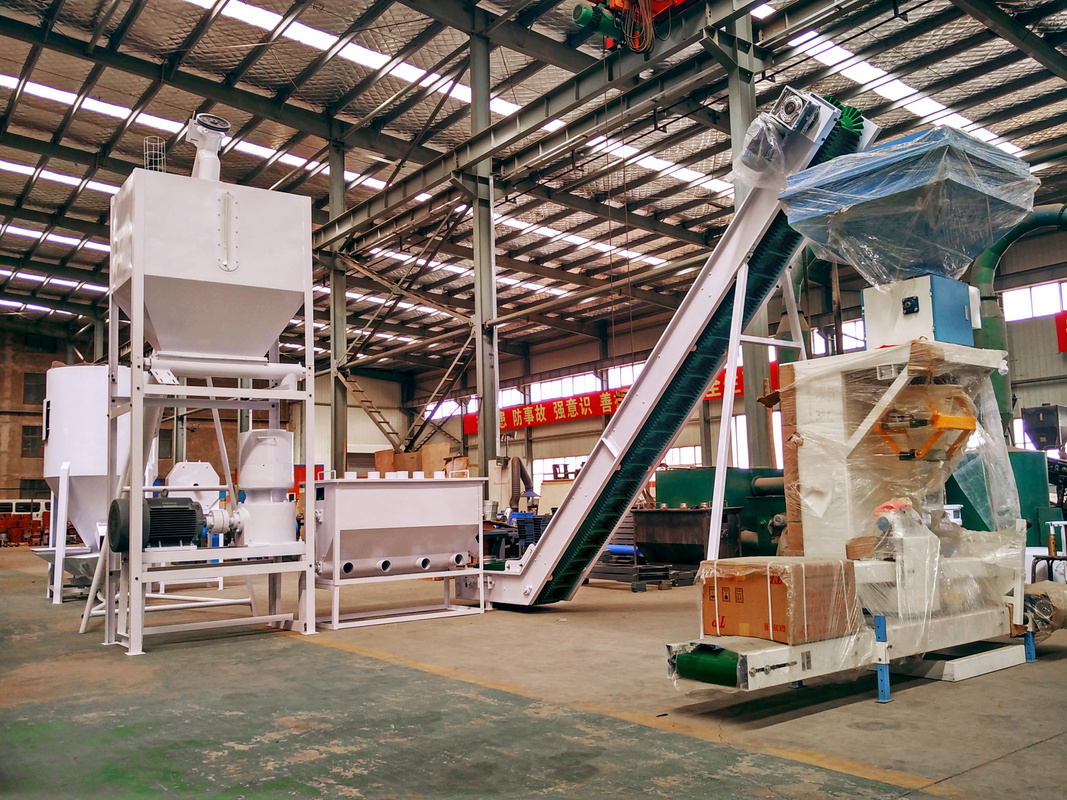
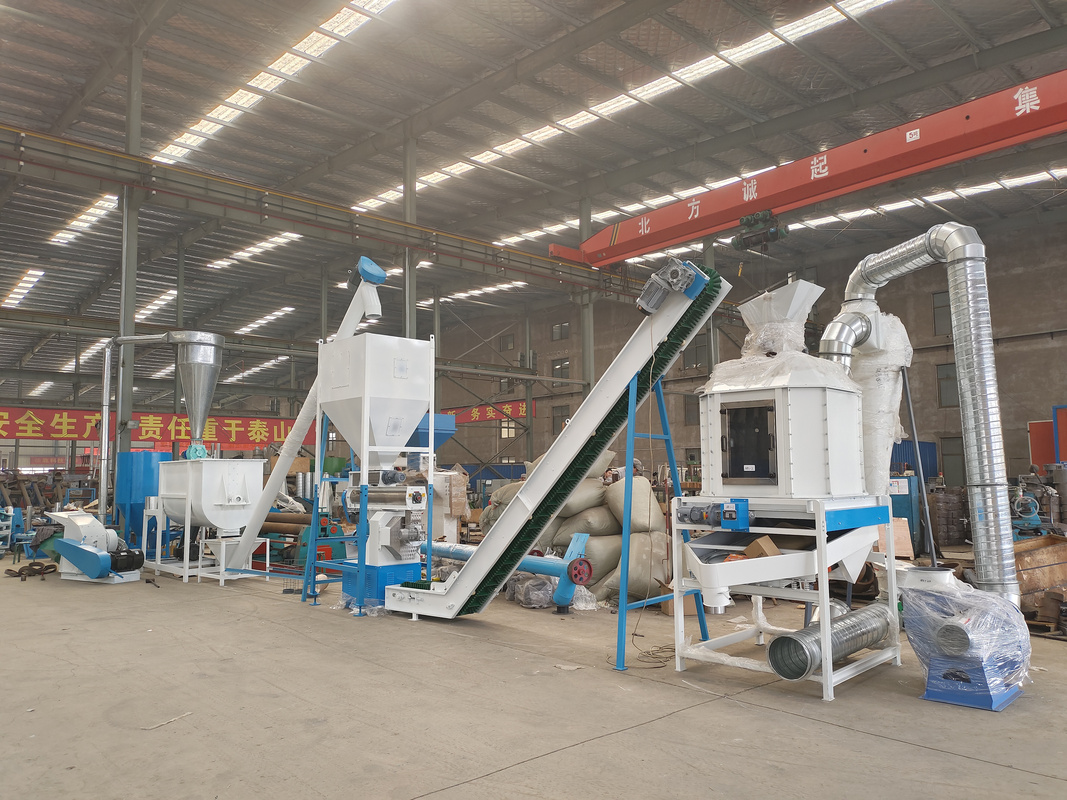
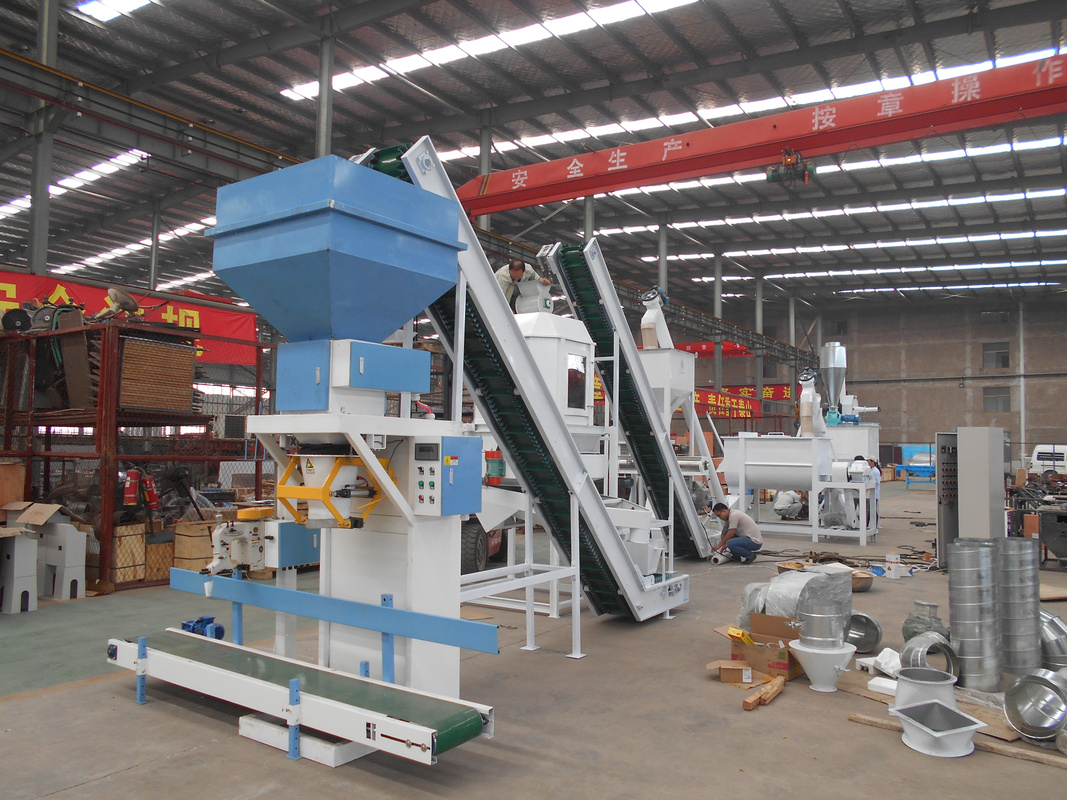
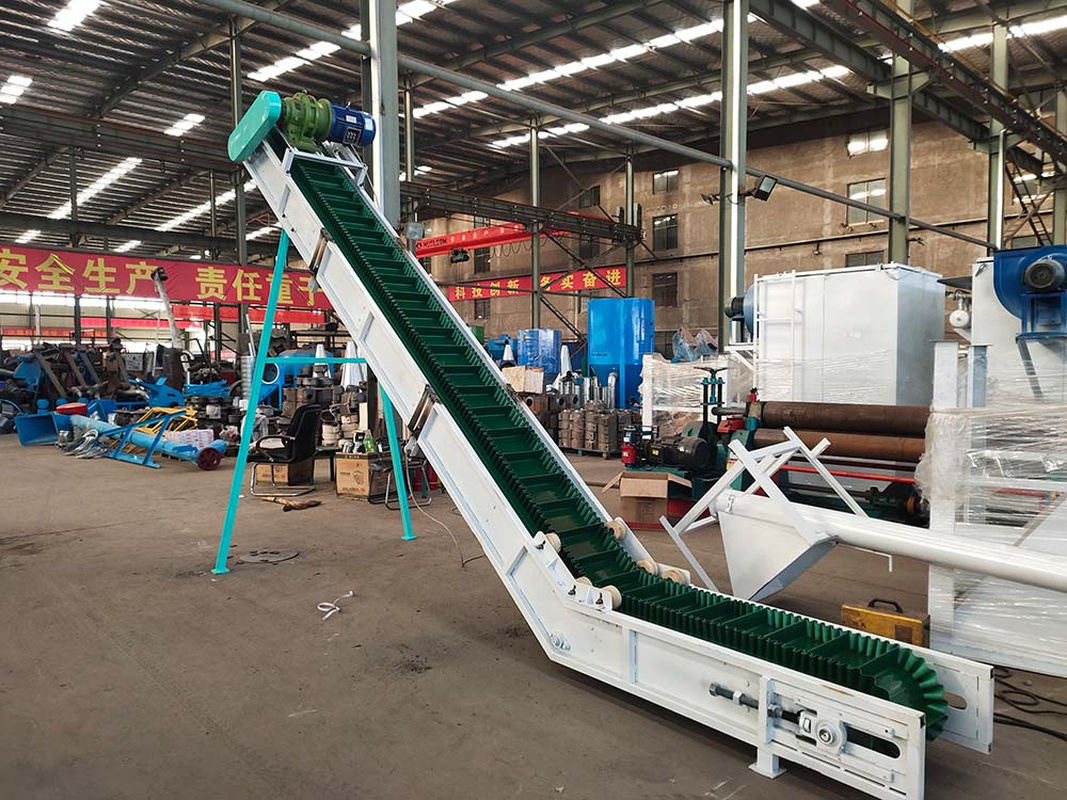
Phòng trưng bày Cơ sở & Thiết bị Sản xuất


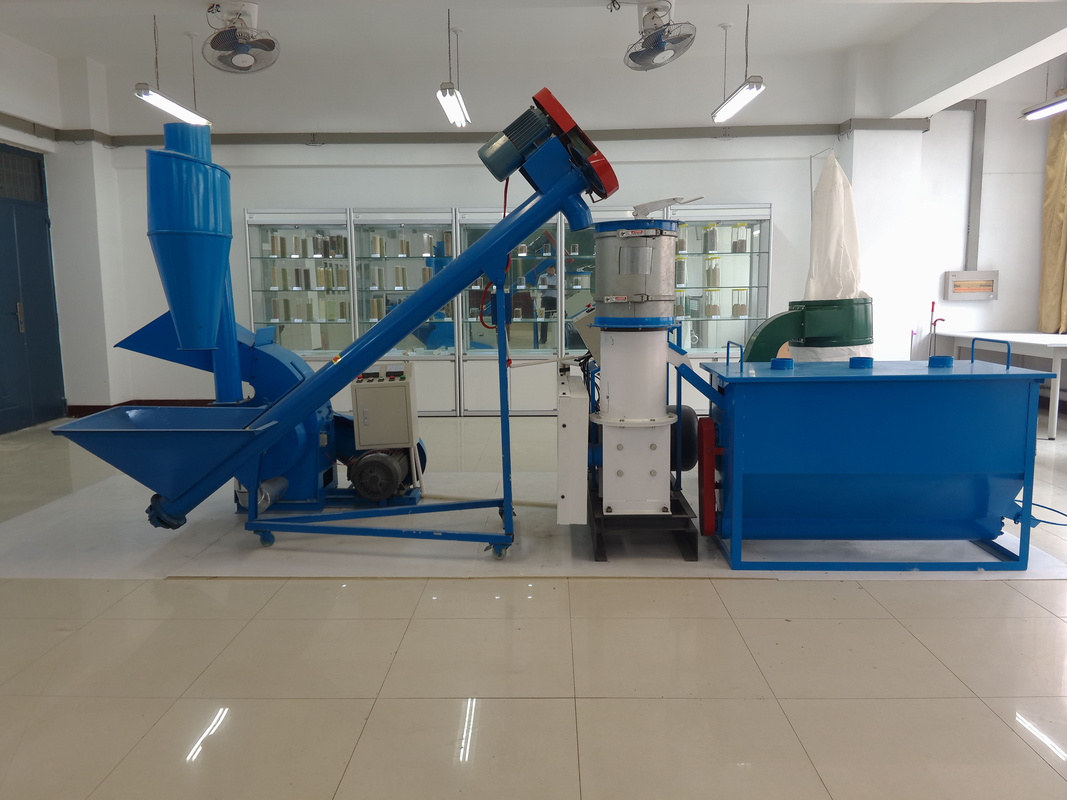
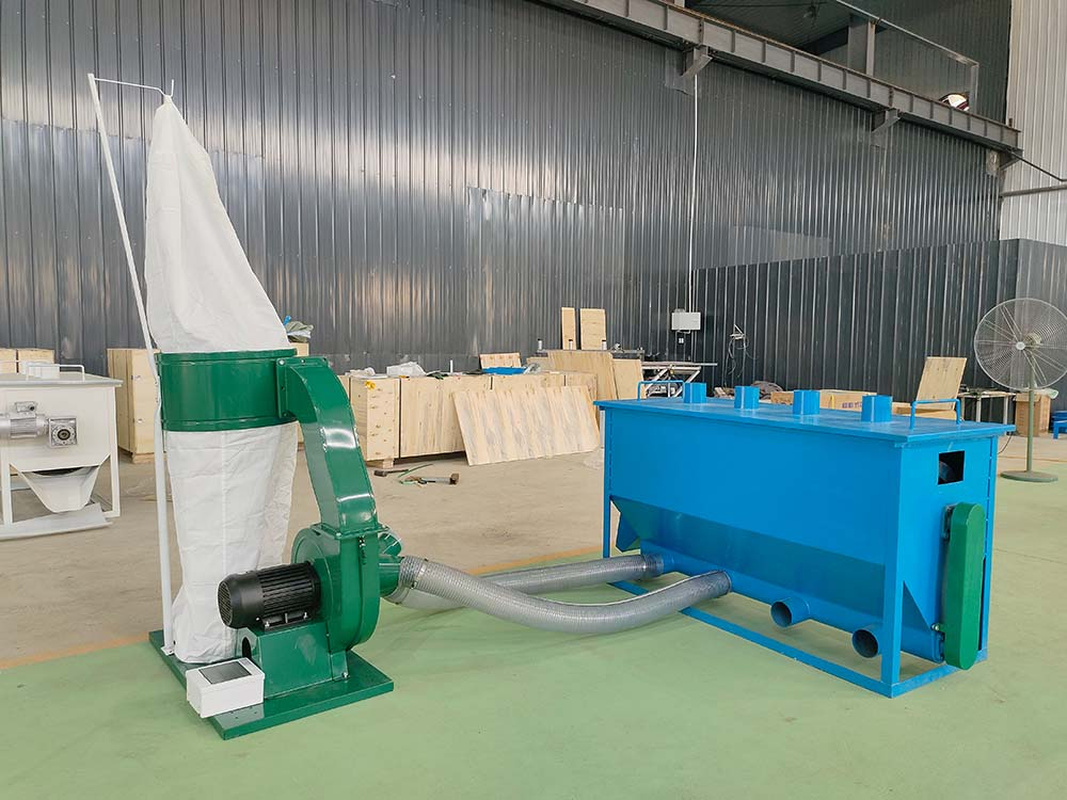
Hướng dẫn mua sắm FOB Qingdao Giá, Giao hàng 15 ngày, Điều khoản thanh toán
Động lực để các nhóm mua sắm hướng vốn vào các nhà máy thức ăn viên gia súc giá rẻ, kém hiệu quả từ Trung Quốc như sau: cơ cấu giá ẩn (chỉ tiết lộ cho người mua thông qua quy trình báo giá), nghĩa vụ giao hàng không rõ ràng và các điều khoản thanh toán có thể ghi lại.
Giá cả Minh bạch ED Giá mỗi mô hình Pellet Mill
Mỗi mô hình TCF có một đơn-FOB-Qingdao USD giá từ trong bảng H2-2 ở trên, do đó không có ‘gọi báo giá’ yêu cầu. giá công bố phản ánh giá bán lẻ trung bình cho cấu hình tiêu chuẩn; giảm giá line-item như trang bị thêm một pha 220V hoặc đường kính khuôn tùy chỉnh được trích dẫn trước.
Chọn giá rẻ đầu tiên-chi phí một mình như là một nhà cung cấp-tiêu chí lựa chọn là một trong những lỗi mua sắm cơ bản vì nó được bắt nguồn từ tổng chi phí sở hữu trong tuổi thọ máy (10-15 năm). tính phí vào đó TCO immediate điện năng tiêu thụ mỗi tấn, tần số của sự thay đổi chết, kế hoạch và không có kế hoạch dịch vụ man-giờ và biên giữa commercial thức ăn viên chi phí và nguyên liệu trên trang trại.TCPEL cung cấp các đầu vào dòng-mục liên quan theo yêu cầu.
Nguyên tắc cốt lõi
Trọng tâm của TCO: Đánh giá Giá trị Tuổi thọ về lỗi chi phí đầu tiên.
Điều khoản thanh toán
Các điều khoản tiêu chuẩn của TCPEL là 100% T/T (chuyển khoản điện báo) kể từ khi xác nhận đơn hàng. ALLWIN INTERNATIONAL CO.,LTD., Là người thụ hưởng. SWIFT và thông tin định tuyến ngân hàng sẽ được phát hành trên hóa đơn pro forma.
Thư tín dụng được chấp nhận. có thể sắp xếp thanh toán một phần; đàm phán cũng được hoan nghênh trong trường hợp đối tác kênh được thiết lập tốt.
Thực thể thụ hưởng
ALLWIN
CÔNG TY QUỐC TẾ.
CÔNG TY QUỐC TẾ.
Thời gian giao hàng và sản xuất
Sản xuất sẽ commence sau khi thanh toán nhận được và dự kiến sẽ kết thúc trong 15 working days đến FOB cảng của Qingdao tải. vận chuyển hàng hóa đường biển thời gian cho Qingdao đến các cảng đích chung sẽ được thêm vào 20-35 ngày tùy thuộc vào các tuyến đườngsinhe, Rotterdam, Long beach, Mumbai, Karachi, Hồ Chí Minh, Dar es Salaamare tất cả các dịch vụ tuyến chính trực tiếp đang được sử dụng.
01
Điều tra
Công suất + loại gia súc + điện áp
02
Xác nhận Die
2 / 3 / 4 / 5 / 6 / 7 / 8 / 10 mm
03
T/T & Sản xuất
100% T/T → Xây dựng 15 ngày
04
FOB Qingdao
Tải cảng + phát hành B/L
Danh sách kiểm tra xác nhận đặt hàng trước
-
Đường kính viên
Phải được xác nhận trước khi sản xuất commencing (loại gia súc và thuộc tính mục tiêu sẽ xác định điều này).
-
Cung cấp điện
Tiêu chuẩn: 380V 50Hz hoặc 60Hz 3PH. tùy chọn một pha trang bị thêm 220V có sẵn trên TCF150-TCF250.
-
Cảng đích
Có tác động đến thời gian vận chuyển đường biển nhưng không ảnh hưởng đến báo giá FOB.
-
Gói phụ tùng
Vẫn nên sử dụng tại thời điểm đặt: 1 x khuôn thay thế, 1 x bộ con lăn thay thế và 1 năm cung cấp bộ lọc dầu.
Hỗ trợ sau bán hàng
Phạm vi bảo hiểm sau bán hàng chạy qua mạng dịch vụ quốc gia 60+ của TCPEL. phụ tùng vận chuyển từ nhà máy Zhangqiu đến bất kỳ cảng phục vụ nào, với hỗ trợ kỹ thuật từ xa có sẵn qua WhatsApp, email và cuộc gọi video.
Thiết kế TCF ưu tiên các bộ phận có thể sử dụng được cho người vận hành, thay thế khuôn, con lăn và mô-đun bơm dầu bằng dụng cụ tiêu chuẩn tại chỗ mà không cần cử kỹ thuật viên nhà máy.
Mạng dịch vụ
Phạm vi tiếp cận toàn cầu Hơn 60 quốc gia trực tiếp từ Zhangqiu.
Công cụ tính toán và quyết định kỹ thuật
Mua sắm dựa trên dữ liệu cho hoạt động thức ăn gia súc commercial. sử dụng máy tính kỹ thuật độc quyền của chúng tôi để mô hình hóa thông lượng của bạn, ước tính các mốc thời gian ROI và hoàn thiện hình học con lăn tối ưu cho động lực khẩu phần cụ thể của bạn.
Máy ép viên thức ăn gia súc TCF Model Recommender
Nhập trọng tải hàng ngày mục tiêu, quy mô đàn và tỷ lệ độ ẩm nguyên liệu thô để tạo thông số kỹ thuật mô hình TCF phù hợp về mặt toán học cho cơ sở của bạn.
Công cụ khởi chạy →
Gia súc thức ăn viên Mill Payback Estimator
Mô hình chi tiêu vốn của bạn so với chi phí thức ăn thô địa phương và phí bảo hiểm viên commercial để tính toán dòng thời gian hòa vốn hoạt động chính xác của bạn.
Công cụ khởi chạy →
Công cụ quyết định máy nghiền viên gia súc hai con lăn và ba con lăn
Đánh giá ngưỡng công suất cho hoạt động của bạn. so sánh động lực mòn chết dài hạn với cấu trúc vốn ban đầu để xác định hình học con lăn tối ưu.
Công cụ khởi chạy →
Sẵn sàng để chỉ định một máy viên thức ăn gia súc TCF?
Cho chúng tôi biết có bao nhiêu động vật mỗi lô, cần thiết cho ăn, và giả định giờ hoạt động. bộ phận kỹ thuật xuất khẩu của chúng tôi trả lời trong vòng một ngày làm việc địa phương với một dự báo giải pháp TCF, CIF Qingdao báo giá dòng hướng dẫn, và một lịch trình sản xuất 15 ngày.
Thông tin kỹ thuật
Câu hỏi thường gặp
Xem các câu hỏi quan trọng về kỹ thuật, vận hành và thương mại được lấy trực tiếp từ khách hàng toàn cầu đang đánh giá máy ép viên thức ăn gia súc TCF.
TCPEL đã công bố một mức giá duy nhất thực sự trong USD – FOB Qingdao cho mọi mẫu TCF. Mô hình đặc tả tối thiểu TCF150, (150-200 kg/h; 7,5 kW) sẽ bắt đầu từ $900. Cái tối đa, TCF800, (5.000-6.000 kg/h; 132 kW) sẽ giảm dần vào giá $22.500. vui lòng tham khảo bảng thông số kỹ thuật trên để biết đầy đủ các loại công suất, công suất, trọng lượng, kích thước và giá của cùng một mẫu.Nhiệm vụ nhập khẩu & lấy broughton về chi phí cho chúng tôi.Chúng tôi sẽ quảng cáo chi tiết chi phí hạ cánh trong dữ liệu để bạn hướng dẫn cho phù hợp.
Công nghiệp tiêu chuẩn viên sản xuất 3 mm cho động vật lên đến 1 tuần, 4 mm cho động vật lên đến 3 tháng, 6-7 mm cho người lớn cổ phiếu lớn, 4-12 mm cho thịt bò giết mổ liên quan đến tỷ lệ tối thiểu hoặc tốc độ tăng trưởng tối đa và quản lý sản xuất, vì cách bạn muốn cho chúng ăn. TCPEL chết được trao quyền và sản xuất các thông số kỹ thuật vật liệu của bạn từ 2 mm đến 10 mm. do đó cùng một khung TCF có thể tùy chỉnh theo thiết kế để thay thế thức ăn cho bê hoặc thịt bò fini giờ trong một năm.
Khuôn phẳng (thiết kế để sử dụng trên dòng TCF) chảy thức ăn qua khuôn cố định nằm ngang theo hướng đi xuống đơn giản hơn về mặt cơ học, CAPEX thấp hơn và quy trình thay đổi khuôn dễ dàng hơn, tạo ra thiết kế cho gia súc cỡ nhỏ và vừa hoàn thiện hoặc trang trại khởi động (dưới 6 tấn mỗi giờ). máy quay dọc (khuôn vòng) được quảng bá cho các mô-đun tùy chỉnh lớn, năng suất trên 10 tấn mỗi giờ.Để giải quyết tốt nhất công suất mà dòng TCF nhắm mục tiêu, thiết kế khuôn phẳng là hợp lý cho đầu tư ban đầu. chỉ ở tốc độ vượt quá 80 tấn mỗi ca, mô-đun khuôn vòng xoay phương trình.
Có hình học con lăn nghiêng và thiết kế bộ nạp cưỡng bức được thiết kế riêng cho khẩu phần ăn dựa trên cỏ. Tất cả máy móc TCPEL tạo hạt cỏ khô từ cỏ linh lăng, bột cỏ, rơm, bột ngô, đậu nành, lúa mì và sinh khối – mùn cưa giống nhau – trên một khung gầm. Không có nguyên liệu thô nào yêu cầu sấy khô trước; người vận hành có thể cho nguyên liệu dạng bột ăn thẳng vào cửa sập. Chất lượng viên tốt nhất khi độ ẩm khẩu phần được giữ trong khoảng từ 14 đến 18 phần trăm tại điểm vào máy nén.
Dữ liệu hoạt động từ hàng trăm cài đặt nhà máy phản ánh một chu kỳ dịch vụ 10 đến 15 năm cung cấp bảo trì theo lịch trình thực hiện dọc theo ngành công nghiệp-tiêu chuẩn endwear-phần giao thức với chết, con lăn, và dầu-bơm mô-đun tất cả các vai trò nhà điều hành-clist. cuộc sống chết của một khẩu phần cỏ bò-bê 40% chạy khoảng 9 đến 12 tháng trên các mô hình hai con lăn và 14 đến 18 tháng trên các mô hình ba con lăn nơi thay thế chết chờ vận chuyển tại nhà máy trên lượt cùng một tuần.
Ba dạng sự cố chủ yếu — giảm công suất khi xử lý khẩu phần nhiều xơ, mòn khuôn không đều và nhiệt độ lưu trong bộ điều hòa — được giải quyết ngay ở thiết kế: tăng khả năng kéo của bộ cấp liệu cưỡng bức khi bột cỏ đi vào bộ cấp liệu công suất cao; tăng diện tích tiếp xúc con lăn nghiêng để phân bổ đều các điểm áp lực trên mặt khuôn; và chọn kích thước bộ điều hòa phù hợp với biến động khẩu phần trong ca, kể cả khi tải đạt cực đại giữa ca. Công việc của người vận hành tương đối đơn giản: đo tiết diện viên trước mỗi lượt chạy, kiểm tra que thăm dầu đầu ca và thay khuôn trước khi tỷ lệ bột vụn tăng.
Các điều khoản tiêu chuẩn là 100% T/T (chuyển điện báo) trên xác nhận chu kỳ đặt hàng, với sản xuất bắt đầu khi nhận. chiến dịch chạy 15 ngày làm việc theo lịch trình cho 20 tấn đến FOB Qingdao cảng thiết bị đầu cuối. các oceangoing quá cảnh với các cảng đích hơn nữa nội địa chi phí 20 đến 35 ngày dựa trên tuyến đường được lựa chọn. ngân hàng thụ hưởng là ALLWIN INTERNATIONAL CO.,LTD; số SWIFT được phát hành với hóa đơn pro forma. điều khoản thư tín dụng có sẵn cho các mục nhập kênh quốc tế được thành lập.
Máy hai con lăn (TCF150 đến TCF450, $900 đến Vepolg) sân bóng cỡ trung bình các đơn vị gia súc nhỏ đến trung sản xuất dưới 20 tấn/ngày. đơn vị ba con lăn (TCF550 đến TCF800, Moveqop-Indojag) bổ sung có thể tiết kiệm 12-18 tháng CAPEX trước bằng cách thả chết mòn năm và ổn định công suất thông qua chạy dài tại 2.500 đến 6.000 kg/h bằng cách cân bằng ba điểm tiếp xúc độc lập. hòa vốn nằm ở abbeut 20 tấn/ngày – dưới mức mà hai con lăn trả hết; trên đó, ba con lăn thu hồi CAPEX trong 12 đến 18 tháng bằng cách đi ra thị trường 12 đến 18 tháng trước.